Projects
Final projects:
- Opentrons-Integrated Modular Peptide Production Platform — full project proposal including experimental design, automation workflow, validation, and budget.
Author: Vithushan Varatharaj Project: Opentrons-Integrated Modular Peptide Production Platform
Peptide therapeutics—spanning antimicrobial peptides, hormones, cytokines, and neuropeptides—hold immense promise across medicine and research. Yet their production remains prohibitively expensive and technically complex, accessible only to well-resourced institutions and limiting their adoption in research and therapeutic development. Current methods lack modularity and scalability, forcing researchers to reinvent production workflows for each new peptide target.
To address this barrier, I am developing a modular, peptide-agnostic expression platform integrated with laboratory automation, treating peptide production not as a bespoke engineering problem, but as a plug-and-play system: a researcher specifies a peptide sequence, receives a standardised plasmid construct, and executes a semi-automated workflow to recover purified peptide—all within a single working day, without specialist expertise or expensive custom synthesis.
At a glance I aim to achieve 3 things with this project:
(1) designing, fabricating, and validating the Opentrons Flex gel electrophoresis module;
(2) Designing, expressing, and validating a cecropin-based AMP using the His-SUMO cassette to show off its use ind developing AntiMicrobial Peptides, a class example of how useful synthetic peptides are in the real world, in this instance providing an alternative to and combatting growing antibiotic resistance;
Andfinally for (3), establishing the platform as a fully ‘plug-and-play’ pipeline with upstream computational peptide design integration.
“The first aim of my final project is to design, fabricate, and validate a miniaturised gel electrophoresis module integrated into the Opentrons Flex platform, by utilising custom CAD-designed hardware, integrated camera vision for AI-assisted band detection, and an automated biopsy-punch excision mechanism.”
For the methods and tools this will require I’ve outlined the following below, and will go into detail of the reasoning for each in the experimental design section:
Following the success of Aim 1, I would want to put this into full swing using my twist order and for a very real world use case scenario for this system, the synthesis of Antmicrobial peptides.
In a world where growing resistance for antibiotics is seemingly one of the biggest races humanity and medical scientists are up against, AMPs providing an alternative for more common antibiotics in bacterial inhibition puts them up as a very interesting field of study in the uses of synthetic peptides.
This would mean getting to put the pipeline into action, using the validated module as the centrepiece of a full AMP production pipeline. Providing a scenario where its effectiveness can be modelled for and measured quantitatively via assaying for the level of inhibition, as opposed to having to jump into the other more eye-catching but ethically implicating uses case scenarios for synthetic peptides.
This part would, in addition to what was mentioned in (1), require the following:
Edit: Upon reassessing I realise this is a bit of mash up with Experimental aim too, as I realise this step is what mainly uses my Benchling order in full swing, but initially to keep things more concentrated I had split it this way. I realise another form of validating the experimental aim would just be to simply see it calibrate fully and succesfully extract our band of choice but I would prefer in practice to have it try to run the entire workflow of Aim 2 itself to test as gettign to work with inhibition readings of the AMPs effects on bacterial inhibition is far more interesting and I feel proves as a real world use for this project!
The long-term vision is a * fully democratized, AI-enabled ** closed-loop peptide discovery platform - where a researcher anywhere in the world inputs a ** desired biological activity! **
An Opentrons-based workflow to produce, purify, and validate functional peptide within a single working day — no specialist expertise, no expensive synthesis contracts, no institutional gatekeeping. If realised, this platform could catalyse a paradigm shift in how peptide therapeutics are discovered and developed: compressing timelines from months to days, enabling small biotech enterprises and academic labs in resource-limited settings to compete in therapeutic development, and — at the clinical horizon — accelerating the response to emerging multidrug-resistant pathogens in real time.
Now the biological activity can vary (as I have and will mention 100 times being the fanboy I am!) to the wide ranges of uses synthetic peptides have. The researcher may, as this project is determined to demonstrate, test for different Antimicrobial peptides effectiveness against a certain bacteria.But beyond AMPs, the platform could eventually cater to therapeutic peptide development across oncology, neuropeptide-based pain and mood disorders, antiviral defence, accelerated wound healing, and even the commercial cosmetics and skincare industry — essentially anywhere a specific biological activity can be defined and a peptide can be designed to achieve it.
A field that particularly interests me — as I hinted with AI-enabled — is tying the pipeline with ML tools like AlphaFold or pepMLM for peptide drug discovery; similar to how this project works with AMPs, but this time aimed at viruses.
Regarding the actual process of DNA gel band extraction and purification for use in cloning I found the following study that had tried a manual approach to this:
Sánchez-Flores et al. (2025) developed and validated cost-effective protocols for DNA extraction from agarose gels using chaotropic salt dissolution or freeze-thaw cycles, without reliance on commercial silica-column kits. Both methods yielded DNA of sufficient quality for downstream PCR amplification, restriction digestion, and bacterial transformation. Critically, the study demonstrated that gel-based DNA recovery is achievable in resource-constrained settings with minimal specialised equipment, establishing the feasibility of integrating gel extraction into low-cost automated workflows. This directly informs the DNA processing design within this project, supporting the use of miniaturised gel electrophoresis and automated band excision as a viable, scientifically sound approach to construct screening. Nature Scientific Reports
And then in terms of the actual AMP production and testing of antimicrobial activity part of this project, this was a vital experiment that showed how the His-SUMO fusion protein can be used to prevent from self-host toxicity interfering with the desired outcome as the AMP is usually toxic to the E. coli producing it too.
Park et al. (2021) demonstrated that expressing cecropin B as a His-SUMO fusion protein with a three-glycine linker in E. coli BL21(DE3) effectively mitigates host toxicity during intracellular expression, a critical barrier for producing membrane-disrupting AMPs in bacterial systems. The SUMO domain acts as a combined solubility enhancer and steric shield, preventing the cecropin peptide from engaging host membranes during production. Following SUMO protease cleavage and Ni-NTA purification, the released cecropin B exhibited potent and enhanced antimicrobial activity against Bacillus subtilis, validating the fusion architecture as a generalised, recoverable production strategy. This work directly establishes the experimental and architectural precedent for the His-SUMO cassette design at the core of this project. PMC8578067
This project is novel and innovative in three distinct ways. First, it develops entirely new hardware — a custom-designed, CAD-fabricated miniaturised gel electrophoresis module integrated into the Opentrons Flex deck with camera-guided AI band detection and automated biopsy-punch excision — automating a step that has remained stubbornly manual and rate-limiting in molecular biology workflows for decades. Second, it establishes a genuinely modular, peptide-agnostic production architecture where only the DNA coding insert changes between targets, fundamentally challenging the current assumption that each new peptide requires bespoke design, expression optimisation, and purification development. Third, by coupling this automation with standardised His-SUMO fusion biology and Ginkgo Bioworks-compatible high-throughput assay infrastructure, the project expands the boundaries of synthetic biology by making sophisticated peptide manufacturing operationally accessible — not just technically possible — for resource-constrained laboratories and researchers without specialist training.
The Problem: Whilst demand for peptide therapeutics has surged — particularly AMPs as next-generation antibiotics against multidrug-resistant pathogens — the cost and complexity of peptide production remain prohibitively high. Current methods depend on expensive custom synthesis services (typically $50–500/mg for synthetic peptides) or specialised fermentation infrastructure, effectively gatekeeping peptide development to well-funded pharmaceutical companies and elite research institutions.
Importance: This barrier is not merely an efficiency problem — it is a systemic constraint that stalls progress in antimicrobial resistance research, limits therapeutic development for rare and neglected diseases, and perpetuates global health inequities by making potentially life-saving treatments accessible only to wealthy institutions and populations.
Broader Societal Contribution: A modular, automated peptide production platform would lower the barrier to entry for small biotechs, academic labs, and researchers in low- and middle-income countries, democratising access to both the research tools and the therapeutic products that peptide science enables. This has direct implications for global health equity, particularly in regions where AMR burden is highest and research infrastructure is most limited.
Scientific Advancement: Successfully demonstrating that the custom Opentrons gel electrophoresis module can reliably automate band detection and excision contributes novel hardware and open-source methodology to the broader automation community, with applications well beyond peptide production. Integrating computational design tools upstream would establish a complete in silico-to-wet-lab feedback loop, enabling rational iteration cycles currently impossible with conventional approaches.
Field-Level Change: If the platform’s aims are fully realised, the field could transition from expensive, bespoke peptide engineering toward a standardised, democratised model — where peptide identity is the only input and purified, validated product is the guaranteed output. This would reshape how peptide-based therapeutics, research reagents, and diagnostic tools are developed, shortening timelines, reducing costs, and broadening participation across the global research community.
This project invokes multiple foundational bioethical principles that must be carefully considered. The principle of non-maleficence is paramount: if the automated pipeline produces systematic errors — through hardware failure, software bugs, or protocol inconsistencies — falsified results could propagate downstream into clinical or therapeutic development contexts, potentially reaching patients. The principle of responsibility is equally critical: whilst the platform is designed to democratise beneficial research, its accessibility and ease-of-use could reduce barriers for bad actors seeking to synthesise harmful bioactive peptides, toxic agents, or antimicrobial compounds with weaponisable properties. The principle of justice underpins the project’s democratisation goal — equitable access to peptide therapeutics benefits marginalised populations currently excluded from these innovations — but creates a productive ethical tension: can democratisation be achieved without simultaneously enabling harm? Finally, the principle of beneficence demands that the platform’s design actively prioritise the generation of social good, not merely the technical demonstration of capability.
To ensure ethical conduct, I propose the following safeguards: (1) Rigorous validation and quality control — extensive benchmarking of the Opentrons module against validated standards, redundant QC checkpoints at each automated step, and transparent public reporting of error rates, failure modes, and accuracy thresholds before any deployment beyond the research context; (2) Responsible open-access governance — publishing detailed protocols openly whilst simultaneously engaging with synthetic biology governance bodies (iGEM, ABSA International, the UK Biosafety Association) to establish community-agreed guidelines for user competency requirements and institutional oversight; (3) Institutional biosafety integration — recommending that all users implement appropriate biosafety protocols for their target peptides and mandating institutional biosafety review for novel or high-risk sequences; and (4) Adaptive oversight — building governance frameworks that evolve alongside the platform rather than being fixed at time of publication. Potential unintended consequences include overcompliance deterring legitimate researchers in under-resourced settings, or insufficient controls enabling misuse in settings with weak institutional oversight. Key uncertainties include whether computational tools like pepMLM can reliably predict off-target toxicity, and whether open protocols can be structured to minimise misuse without stifling innovation. The alternative — licensing only to vetted institutions — perpetuates the very inequities this project aims to address. The optimal path is community-driven governance, transparent risk communication, and iterative oversight mechanisms that balance openness with responsibility.
For the major part of this project relying on the success of the new Opentrons module, I needed to think of a way to integrate a module that satisfied the housing requirements — and limitations — of the Opentrons Flex machine.
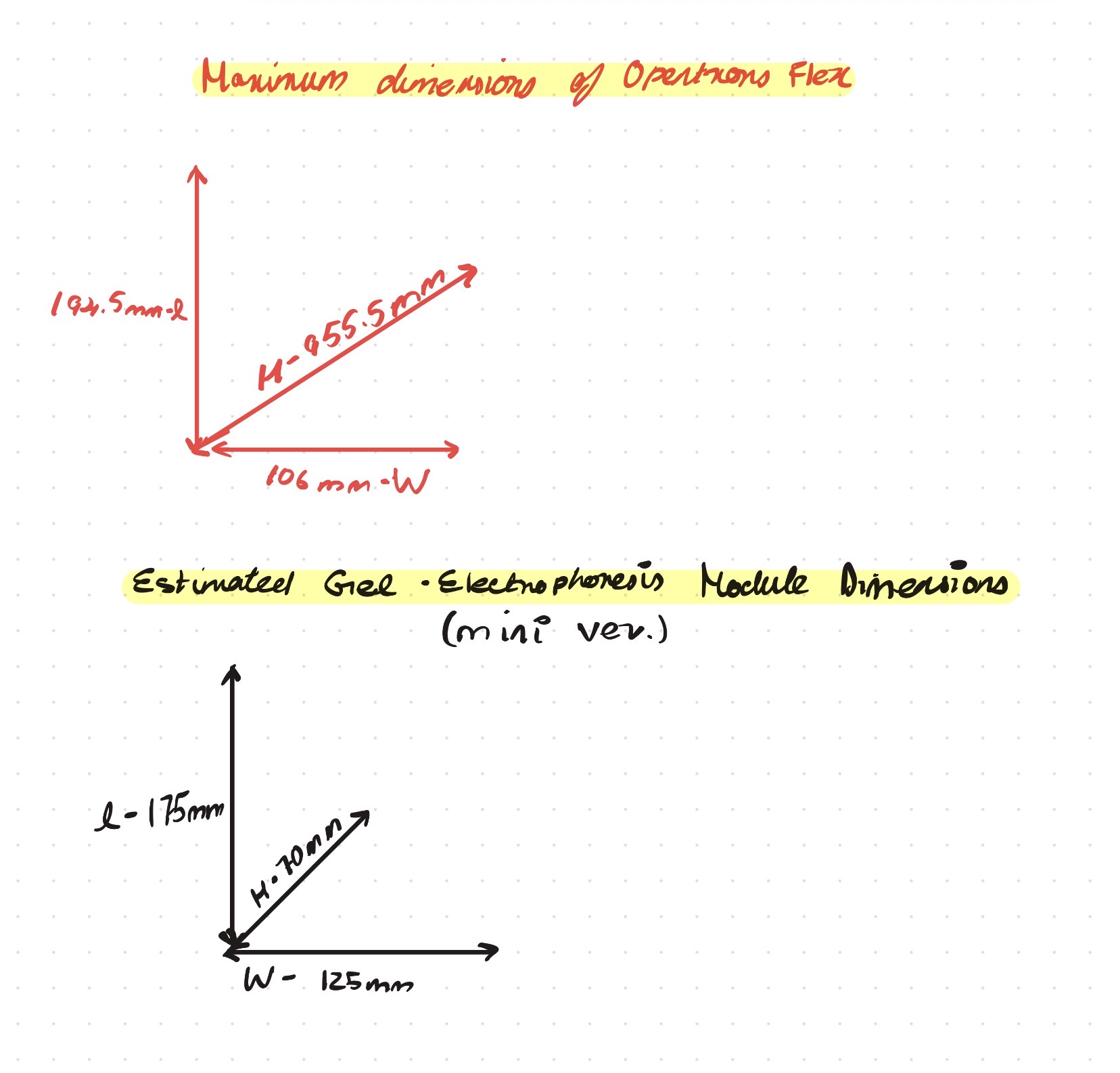
To begin, I made sure to keep in mind the maximum housing dimensions of a module slot in the Opentrons Flex. The Flex deck slot has a footprint of 106mm (W) × 194.5mm (L), which set a hard constraint on what the module could physically be. My estimated gel electrophoresis module dimensions (125mm W × 175mm L × 70mm H) sit comfortably within this envelope, confirming that a miniaturised gel board would physically fit.
From there it was a matter of devising a way to actually automate the process of cutting out a DNA gel band and moving it into a purification setup — this was arguably one of the hardest parts, as I spent a long time trying to figure out how to get a blade in there. After more careful thought I came across biopsy hole punchers used in the medical field to take skin samples from patients.
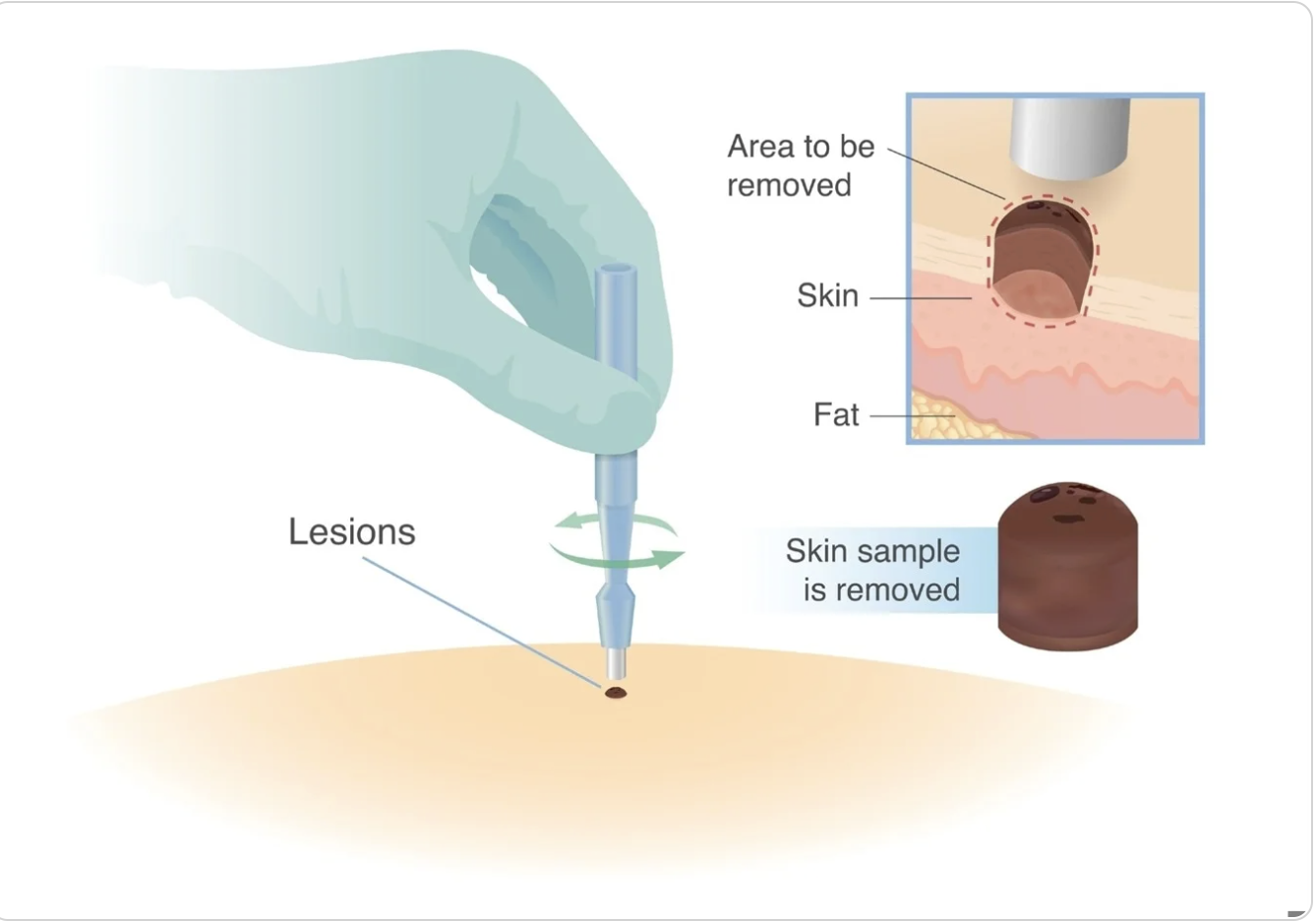
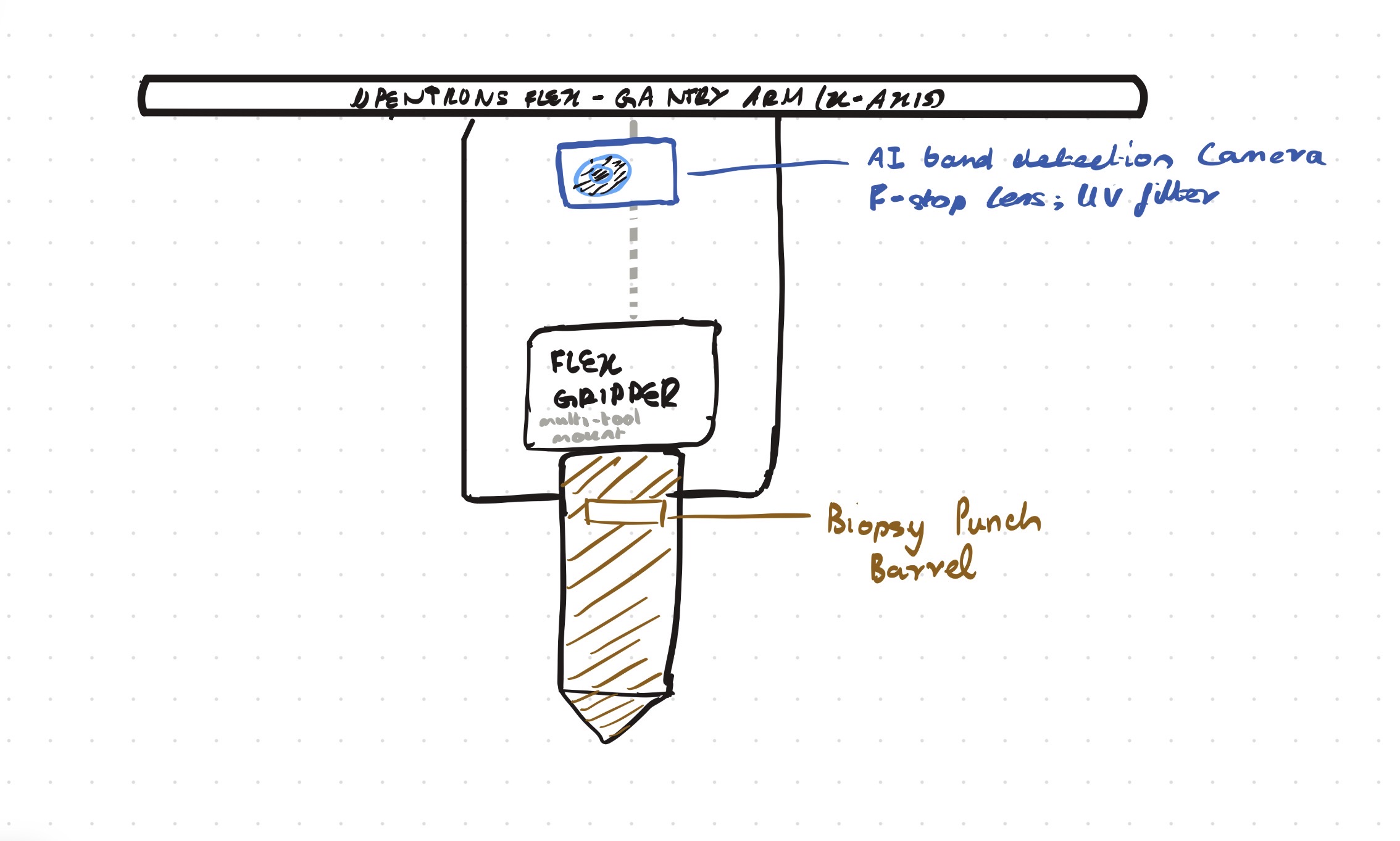
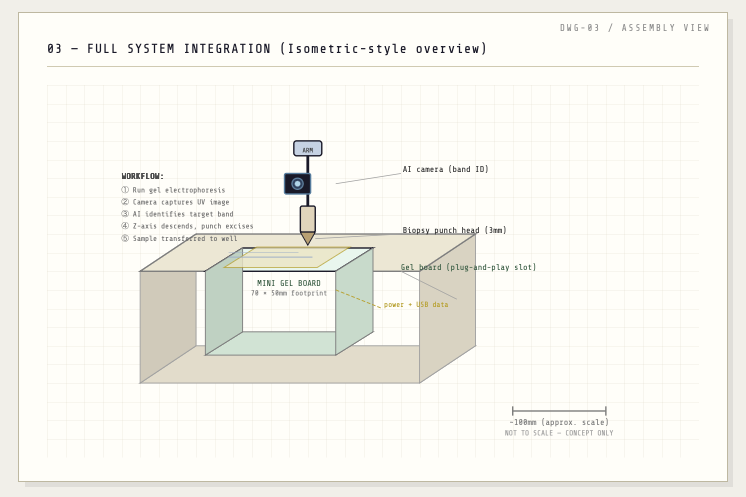
I thought: why not implement something like this to “hole punch” a sample of the desired DNA gel band, instead of trying to cut it out with a blade? This would be something we could implement more easily using the arm of the Opentrons Flex machine, substituting the biopsy punch in place of the usual pipette head (see Fig. 3).
With that solved, the next logistical hurdle was devising a way to pick up the right band — and in theory this one was more straightforward: use a small camera module to aid the movement of the pipette holder (now holding our biopsy punch) to punch out the required band. The camera is mounted directly above the gantry, feeding images to an AI pipeline that identifies the correct band by size relative to the DNA ladder, then the Z-axis descends and the punch fires (see Fig. 3).
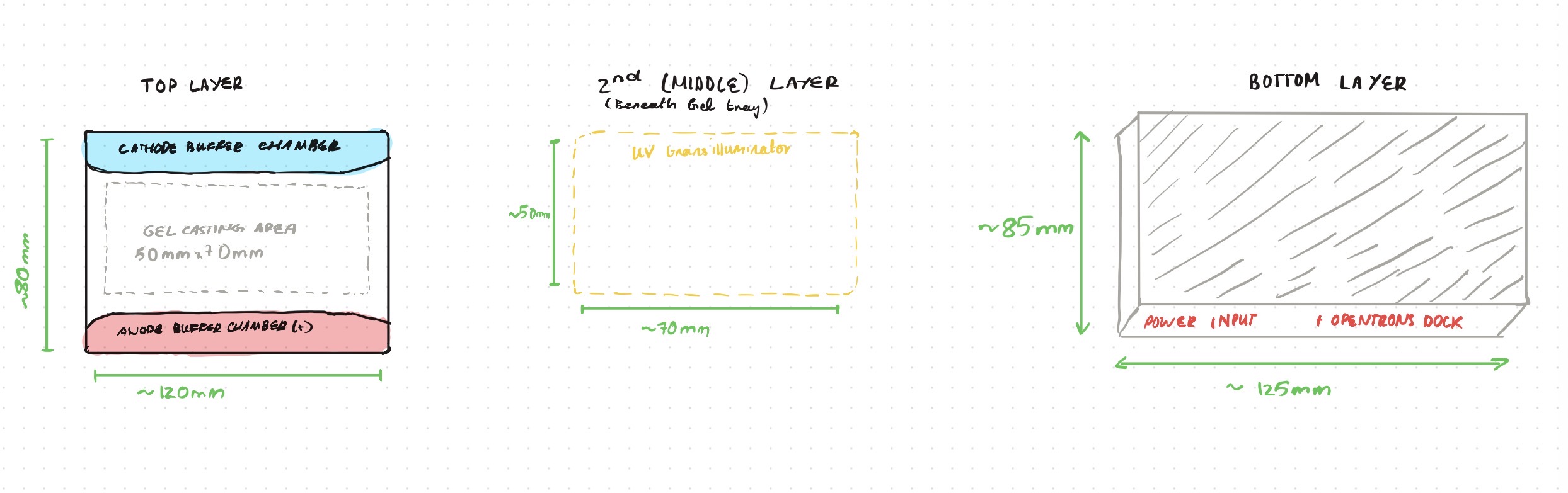
The module itself is designed as a three-layer stack:
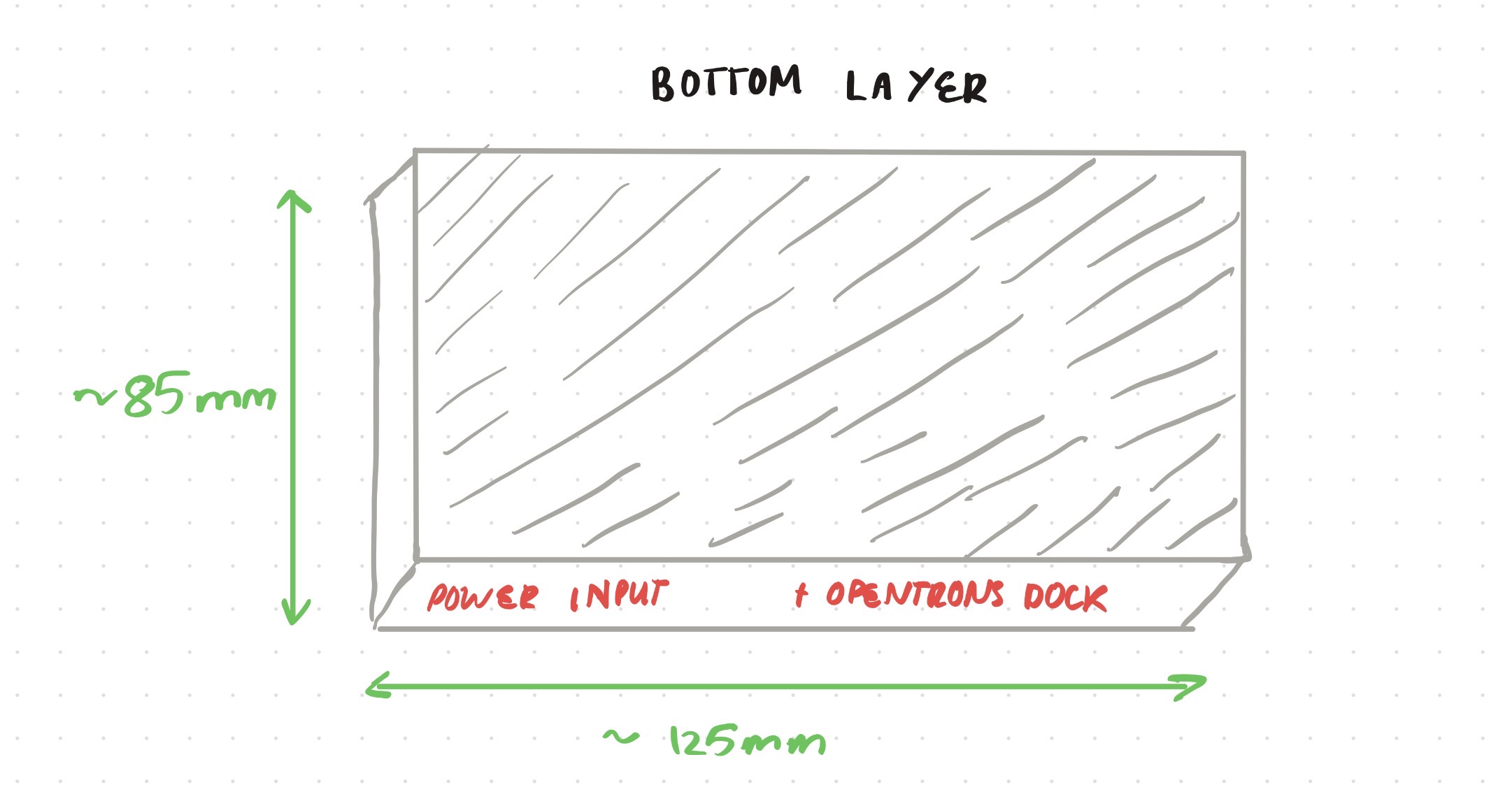
Bottom layer (125mm × 85mm) — the structural base housing the power input and Opentrons dock interface that locks the module into the deck slot.
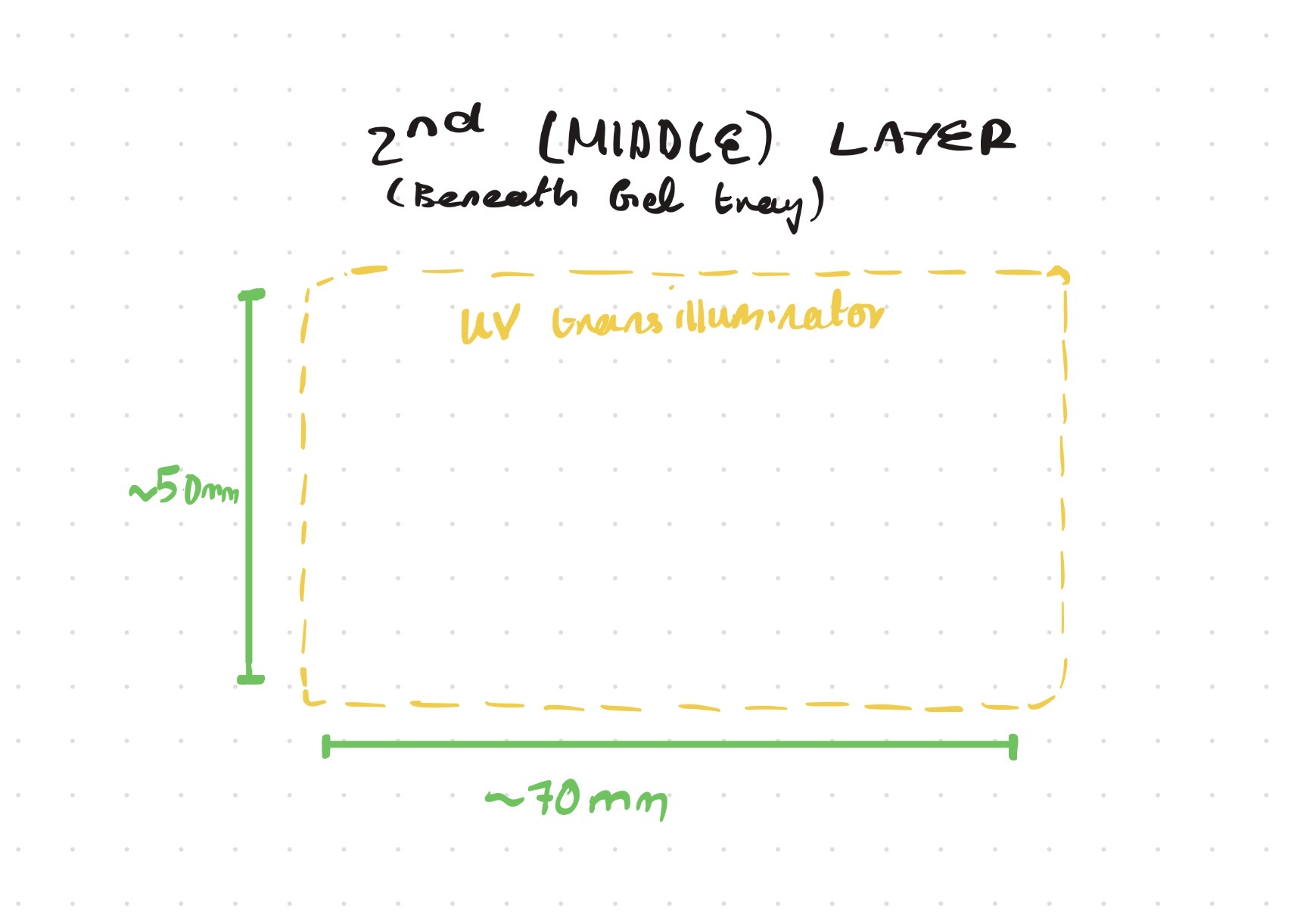
Middle layer (70mm × 50mm) — sits beneath the gel tray and contains a UV transilluminator. This illuminates the SYBR-stained gel from below, giving the camera above a high-contrast image of the DNA bands against a dark background.
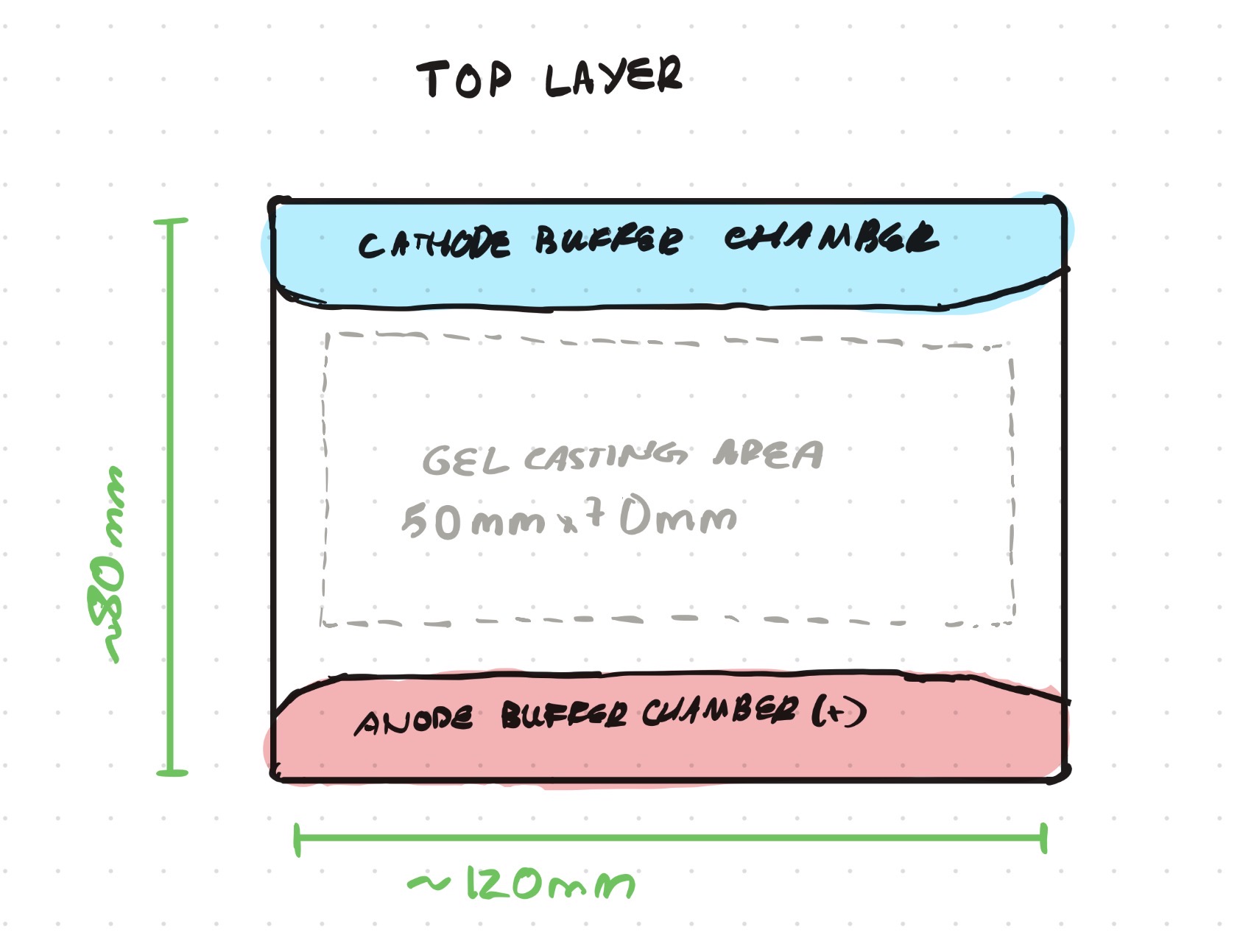
Top layer / gel tray (~120mm × 80mm) — the electrophoresis tank itself, with a cathode buffer chamber (−) at one end and an anode buffer chamber (+) at the other, flanking a central gel casting area of 50mm × 70mm. DNA migrates from cathode to anode under the applied electric field.
All three layers shown together as an exploded view:
The full system — showing the gantry arm, AI camera, biopsy punch head, gel board slot, and power/USB data connections — is shown in the assembly view below:
The expression cassette encodes:
Cloned into pET-28a via NdeI/XhoI restriction sites. The gene insert is ordered as a synthetic fragment from Twist Bioscience.
The annotated sequence design in Benchling — showing the His-tag, SUMO domain, glycine linker, and cecropin B coding sequence — is shown below:
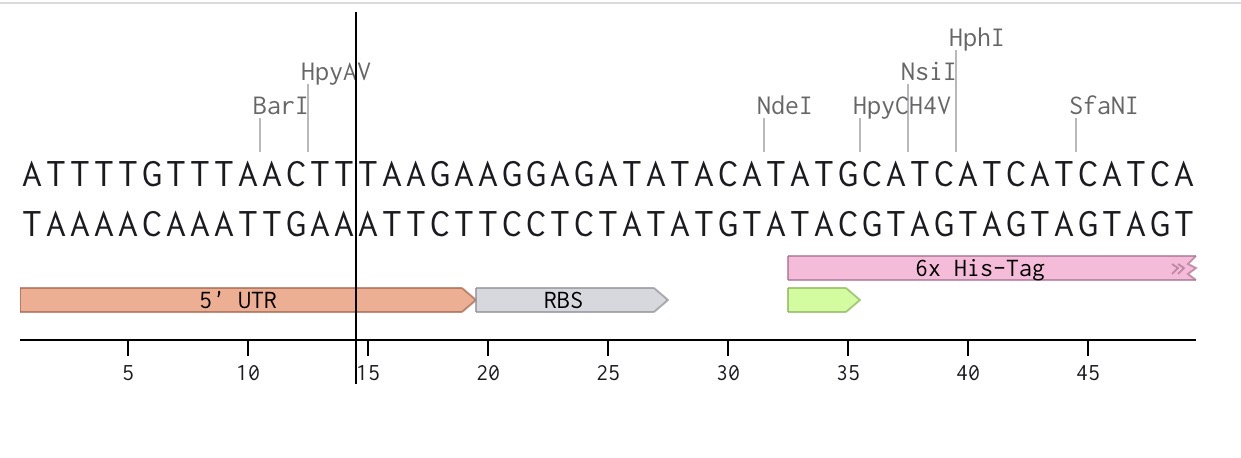
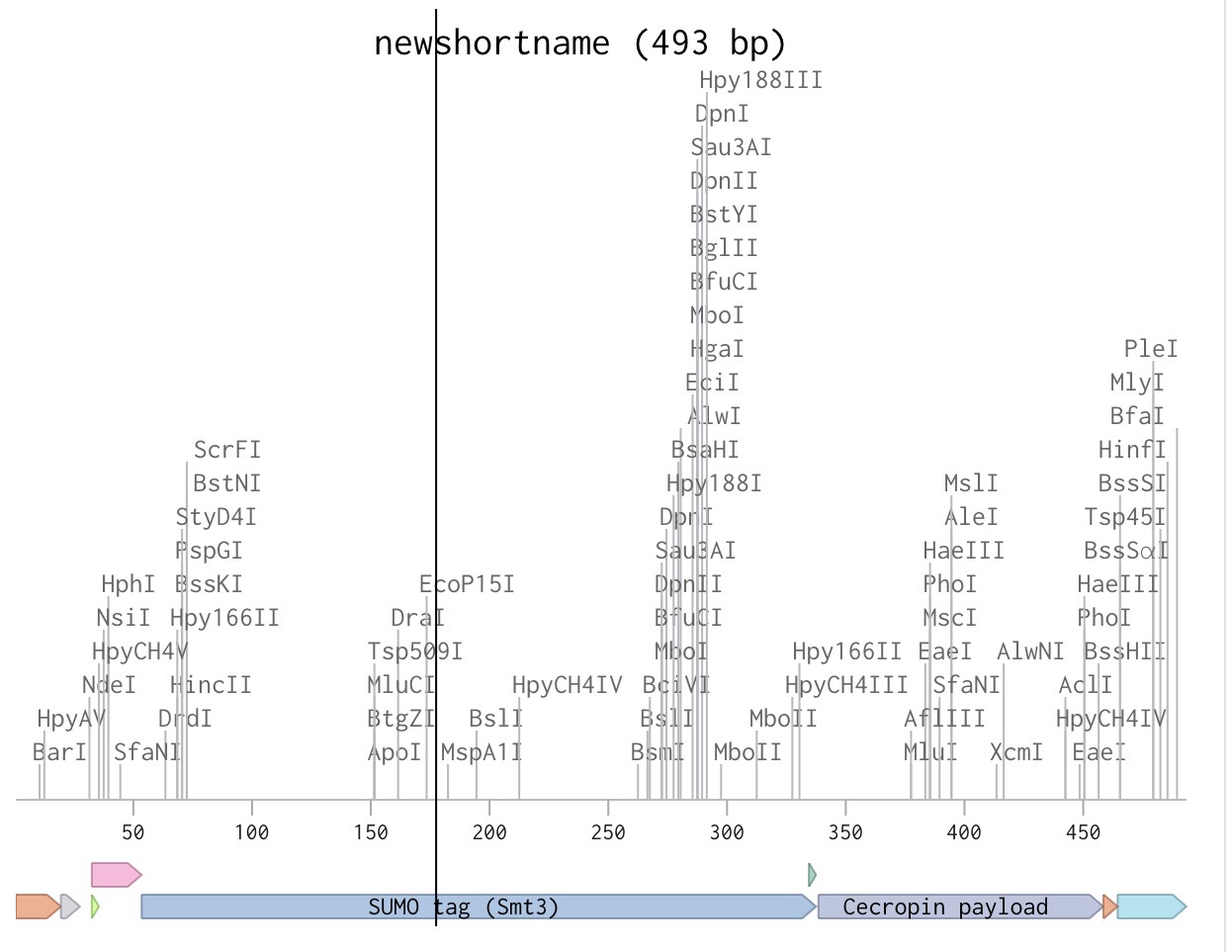
The full annotated sequence is available at: benchling.com/s/seq-SWEav0yc1KzSsWOHVAOk
The core idea behind this project is to build a reusable, semi-automated pipeline that takes you from a DNA sequence of interest all the way to a purified, functional peptide — without having to redesign the workflow each time. The central bottleneck I wanted to address was the DNA screening and extraction step: traditionally, after running a gel electrophoresis, you manually identify your band under UV light, cut it out with a blade, and purify it. This is slow, inconsistent, and entirely dependent on operator skill. The gel module described above replaces that step entirely.
The overall pipeline looks like this:
DISCLAIMER: As creditted in section 6, I used Ronans instructions to help sharpen the following section up as a few sections were a bit hazy to me, but as mentioned later I did back test myself with peer reviewed research!
Pipetting
DNA
Lab Automation
Protein Design
Bioproduction
Cell-Free Systems
Gibson Assembly / Cloning
CRISPR
The His-SUMO fusion strategy is a well-established approach for producing short, toxic, or poorly soluble peptides in E. coli. The 6×His tag at the N-terminus provides a high-affinity handle for Ni-NTA affinity purification, enabling single-step recovery of the fusion protein from crude cell lysate with high selectivity. The SUMO domain (Smt3 from Saccharomyces cerevisiae) serves dual roles: as a solubility-enhancing chaperone that promotes correct folding of the attached peptide, and as a steric shield that physically occludes the antimicrobial cecropin sequence from engaging the inner membrane of the E. coli host during expression — directly addressing the host toxicity problem. Following purification, SUMO protease (Ulp1) cleaves specifically at the SUMO domain’s C-terminal diglycine motif, releasing the cecropin peptide with its native N-terminus intact — a critical requirement since N-terminal truncation or modification of cecropins significantly reduces antimicrobial activity. This technique is validated by the Park et al. (2021) precedent and is directly transferable to other peptide targets by simply replacing the cecropin coding sequence.
The custom gel electrophoresis module represents the core hardware innovation of this project, designed as a miniaturised module that occupies a standard Opentrons Flex deck slot whilst maintaining full compatibility with the platform’s other labware and liquid-handling functions. A miniaturised horizontal gel tank (designed to accommodate 1.5% agarose mini-gels) is precisely dimensioned to fit within the Flex’s working envelope, allowing the robot’s pipette head to operate above and around it without obstruction. A small camera mounted on the pipette head carriage captures high-resolution images of SYBR-stained gels; an onboard AI image-processing pipeline (Python-based, OpenCV) identifies band positions by comparing detected pixel intensities against a DNA ladder reference loaded in a defined lane, calculating expected band positions from user-specified fragment sizes. Once the target band is localised in X-Y space, a biopsy-punch attachment replaces the standard pipette tip and descends to the calculated Z-depth to excise a clean cylindrical gel plug — ready for immediate downstream gel purification. This approach eliminates a classically manual, UV-exposure-dependent, operator-skill-dependent step, replacing it with a standardised, hands-free, and reproducible automated operation.
The chosen validation experiment is the demonstration of the Opentrons Flex gel electrophoresis module — specifically, its ability to autonomously detect and excise a target DNA band from a restriction-digested sample, with the recovered DNA confirmed as clonable by successful ligation, transformation, and colony PCR screening. This experiment was selected because the gel module is the core novel hardware contribution of the project, and demonstrating that it produces DNA of equivalent quality to manual excision directly validates the foundational step of the entire automated peptide production pipeline.
The validation draws on four key synthetic biology techniques. Restriction enzyme digestion using NdeI and XhoI (New England Biolabs) generates the diagnostic band pattern that the Opentrons camera system must correctly resolve — making digestion fidelity the upstream prerequisite for all downstream module calibration. Gel electrophoresis is both the object of validation and the analytical platform: the AI pipeline must distinguish the 543 bp insert from vector backbone fragments, requiring robust image processing and reliable band separation. Automated biopsy-punch excision is the novel hardware step under test, demanding sub-millimetre X-Y-Z positional accuracy from the Opentrons Flex to ensure the punch engages the correct gel region without contaminating adjacent bands. Colony PCR serves as the downstream biological readout that translates hardware performance into a concrete molecular biology outcome — confirming that the automatically excised DNA is intact, correctly sized, and fully functional for restriction cloning.
In terms of quantitative results, the fully-fledged AMP production protocol would involve measuring inhibition zones at varying concentrations of purified cecropin peptide spotted onto a lawn of Bacillus subtilis — with zone diameter serving as a direct readout of antimicrobial activity
The primary quantitative output is DNA recovery yield (ng/µL by Nanodrop), benchmarked against manual gel excision performed in parallel as a control. Based on the Sánchez-Flores (2025) chaotropic dissolution data and the Park et al. (2021) cloning workflow, an automated recovery of ≥5 ng/µL is expected — sufficient for ligation — with no statistically significant difference from manual recovery (unpaired t-test, p > 0.05), as shown in the simulated dataset below.
The most likely technical challenge is imprecise band detection caused by variability in gel staining intensity, UV illumination uniformity, or band smearing — any of which could lead the AI pipeline to mislocate the target band and result in an off-target or empty biopsy punch. This is mitigated by using a fixed DNA ladder in a defined lane as an absolute spatial reference and implementing a pipeline confidence threshold below which results are flagged for manual review rather than proceeding automatically. A second significant challenge is biopsy-punch depth calibration: insufficient penetration depth recovers inadequate DNA, whilst over-penetration introduces agarose debris that inhibits downstream ligation and transformation — addressed by calibrating gel thickness at casting time and performing a test punch on a sacrificial gel before each experimental run. Gel-to-gel variability in agarose concentration and band migration distance is an ongoing experimental limitation mitigated by strictly standardising gel preparation (fixed agarose mass, buffer volume, run time, and voltage) and designing the AI pipeline to tolerate a defined range of positional uncertainty. Finally, if colony PCR success rates fall below 50%, the workflow will be benchmarked against a commercial silica-column gel extraction kit to quantify the yield gap and identify whether the bottleneck lies in the biopsy-punch excision, the chaotropic dissolution step, or the ligation conditions.
Navigating this project led me into regions of biotechnology and synthetic biology I had never dealt with before as a 1st year student still building from the basics. Because of this, I frequently used AI (Claude) for explanations and solutions to small hurdles I encountered — though I always back-tested the methods provided against peer-reviewed research online.
After seeing Ronan’s section on how to integrate Claude Code into the GitHub repo (unfortunately much later than I would have preferred!), I also used Claude to help with formatting and write-up — ensuring everything was written in my own words, but using Claude Code to help place those words correctly, handle images, and structure the page. It definitely saved hours of time and made learning this webpage format of project documentation fast enough to get done within the time constraints I’ve been under. Massive thank you Ronan!