Problem
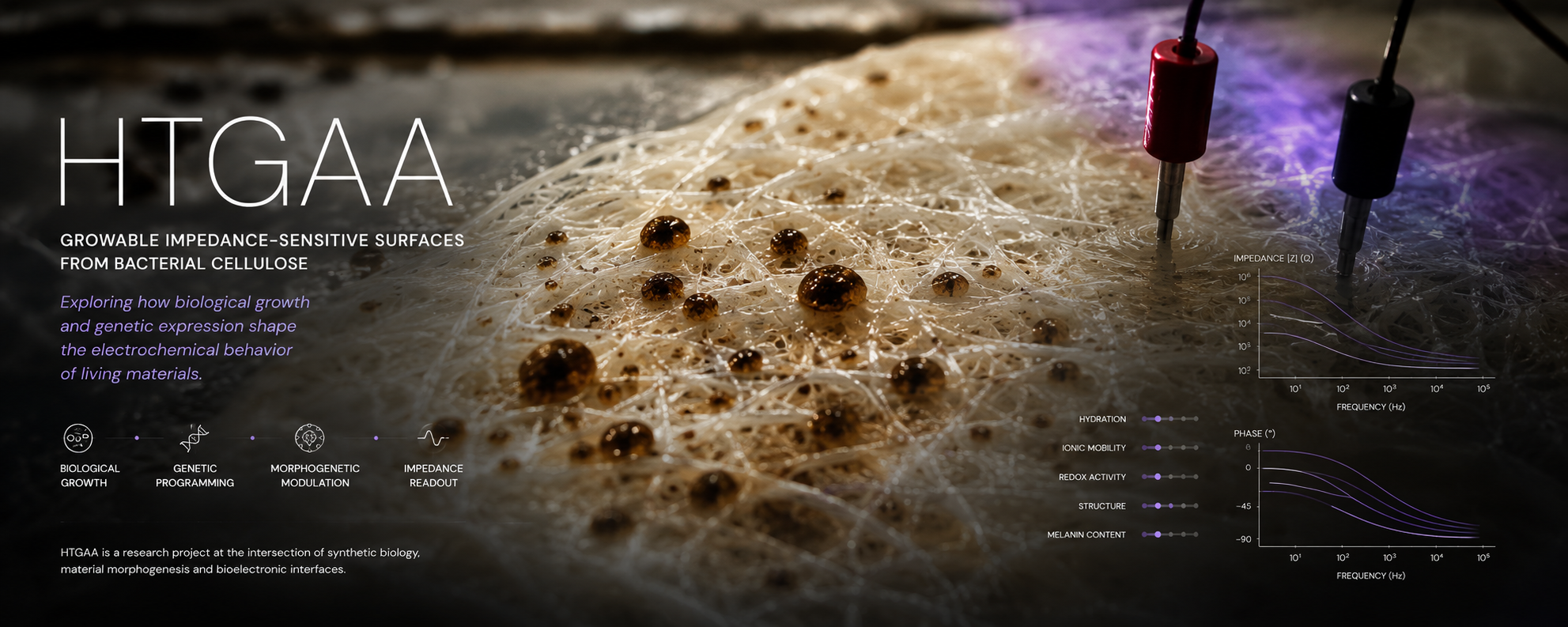
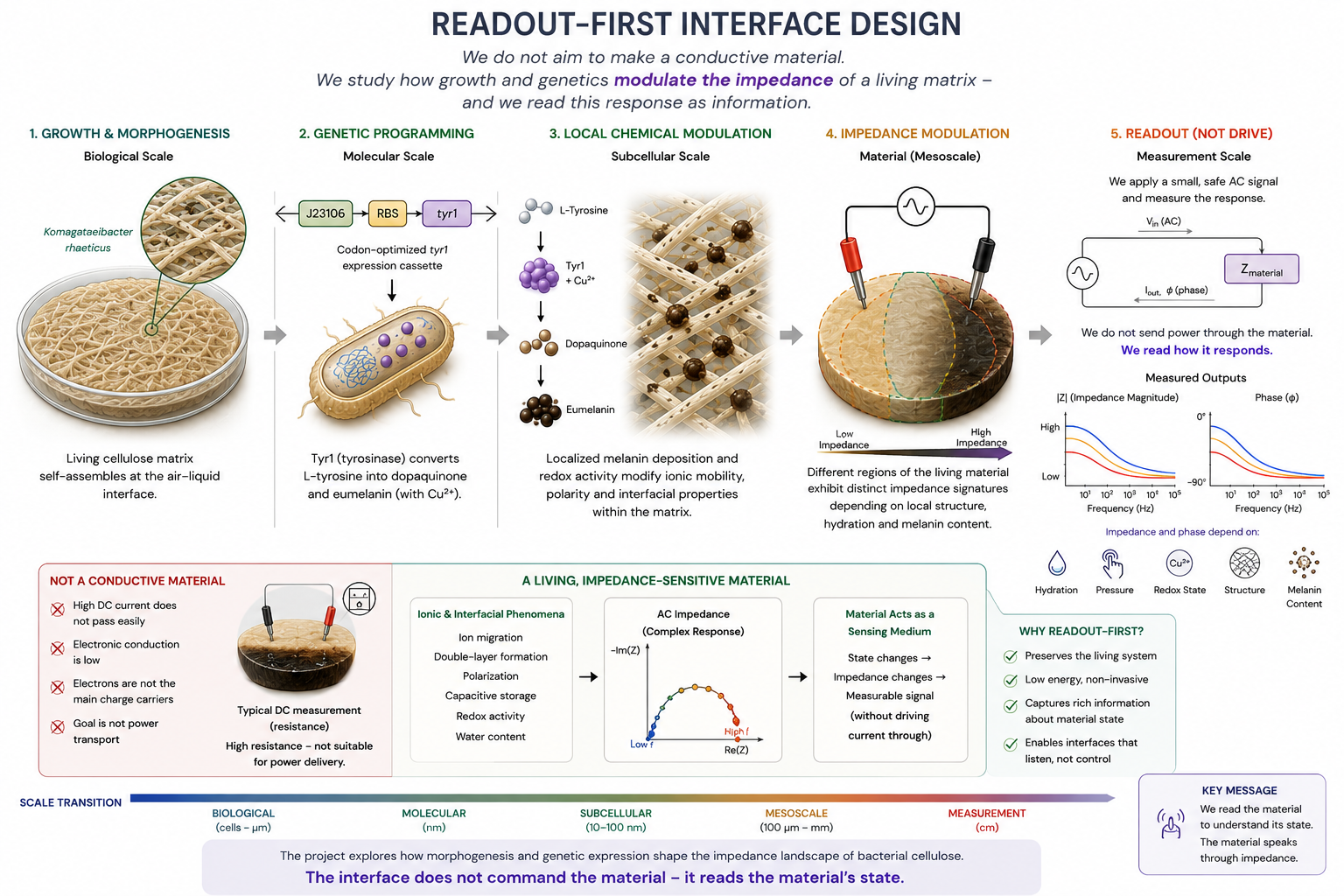
Most interactive devices are fabricated by embedding electronics into passive substrates, separating material formation from functional behavior. This project investigates whether electrochemical properties can instead emerge directly through biological growth by engineering Komagataeibacter rhaeticus, a cellulose-producing bacterium, to synthesize eumelanin within its extracellular matrix.
Objective
The goal is to explore bacterial cellulose not as a passive scaffold, but as a programmable morphogenetic material capable of developing spatially differentiated impedance behaviors during growth.
Hypothesis
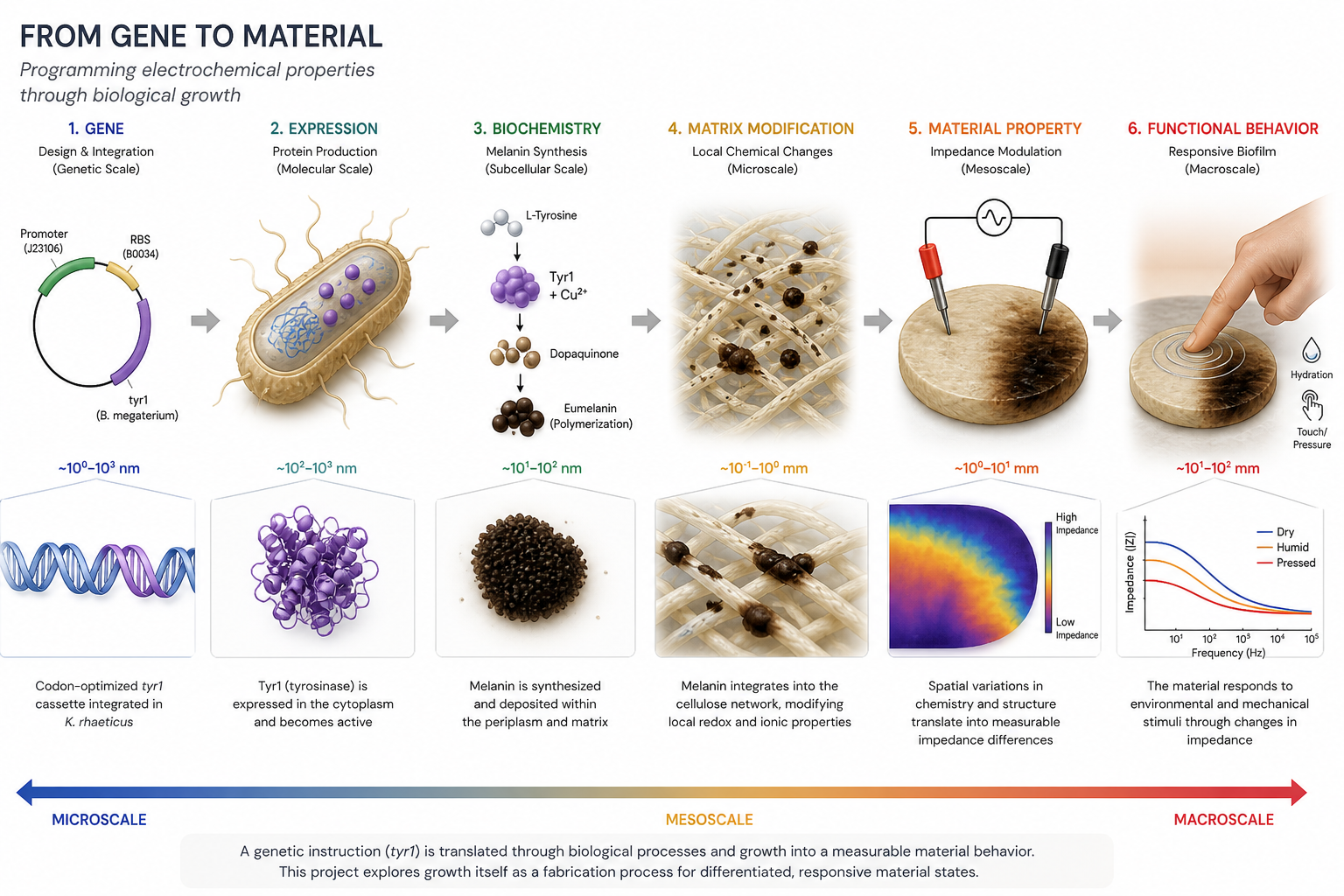
The project hypothesizes that genetically mediated eumelanin production inside the cellulose network will locally modify the material’s electrochemical and ionic properties, producing measurable changes in AC impedance under different environmental conditions such as hydration and pressure. Rather than relying on conductive fillers or post-processing approaches, the material functionalization is expected to emerge directly from metabolic activity and environmental modulation.
Methods
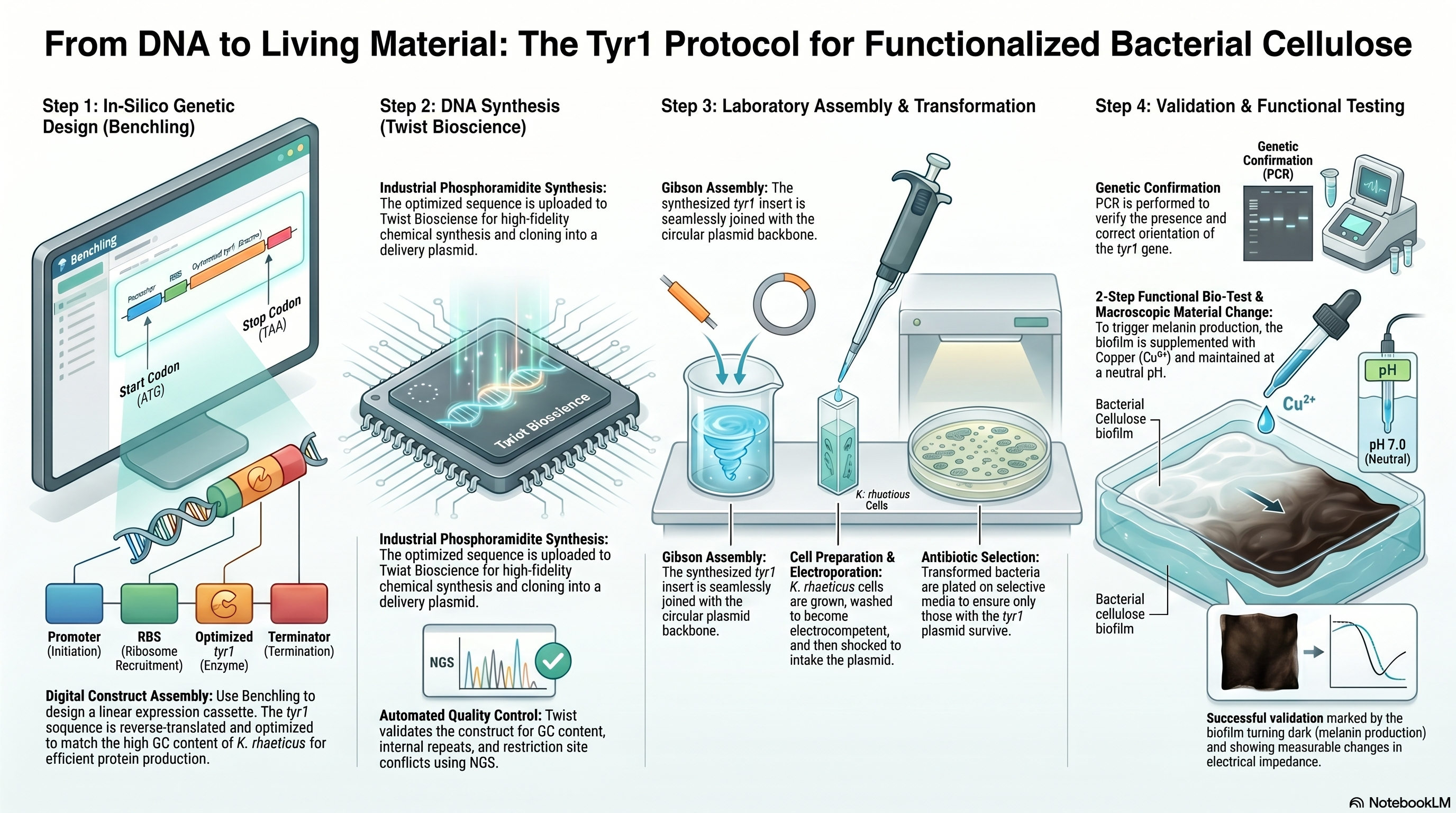
To test this hypothesis, a codon-optimized tyr1 tyrosinase expression cassette derived from Bacillus megaterium will be designed in Benchling and prepared for synthesis and transformation into K. rhaeticus. A two-step development protocol will then be used to activate melanin production through controlled pH and copper exposure.
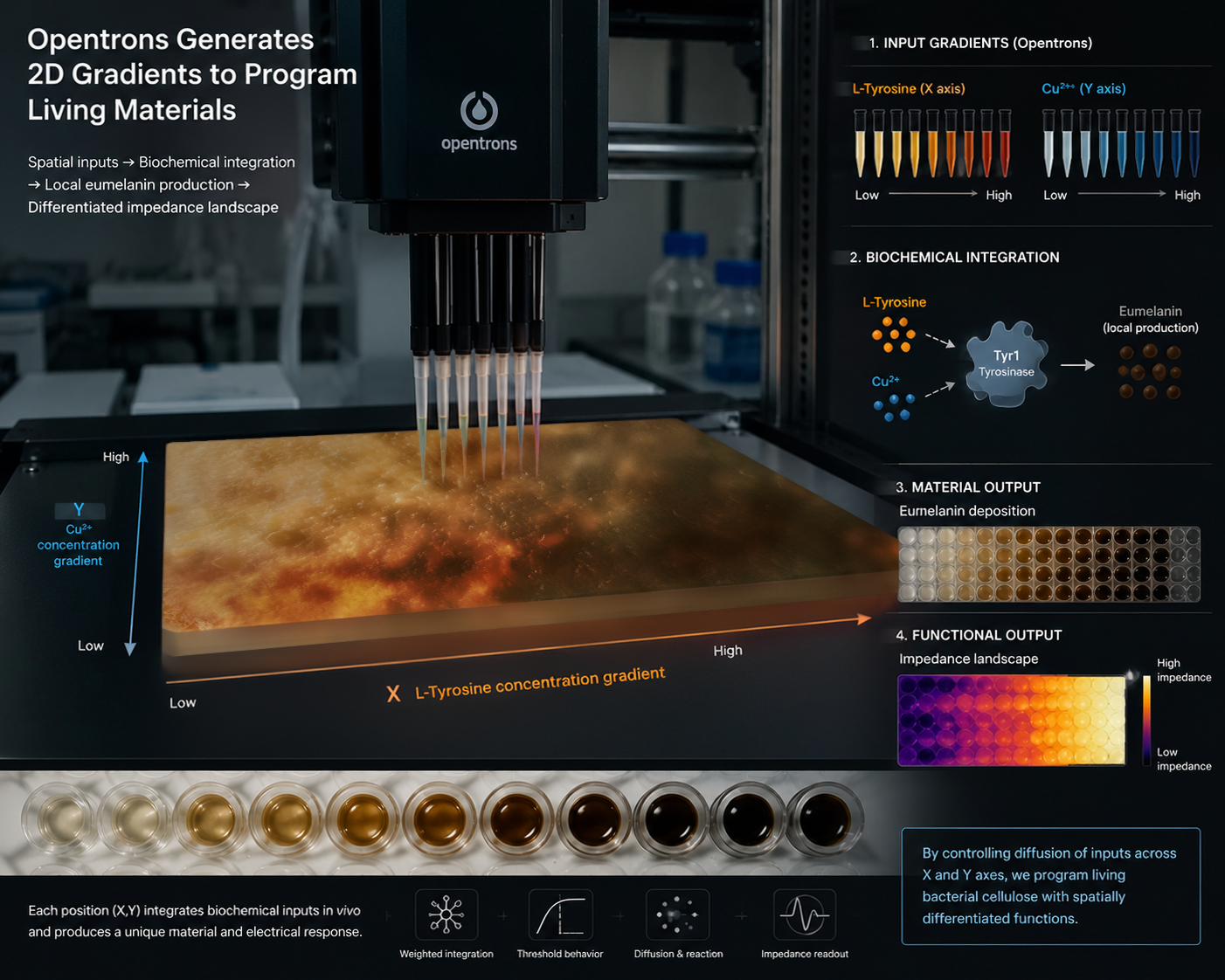
Liquid-handling automation (Opentrons) will spatially distribute reagents across the pellicle in order to generate differentiated electrochemical regions.
Finally, electrochemical impedance and imaging will be used to characterize how growth, hydration, and localized melanin formation influence the resulting material properties.
Expected outcome
The project ultimately explores growth itself as a fabrication process for generating responsive and spatially programmable living materials.
SECTION 2 — PROJECT AIMS
Aim 1 — Genetic Engineering and Biological Validation of a Melanin-Producing Cellulose Chassis
Objective:
Engineer Komagataeibacter rhaeticus to express the tyr1 tyrosinase gene and validate biologically induced eumelanin production within a living bacterial cellulose matrix.
Rationale:
This aim establishes the biological foundation of the project by adapting the melanin-production strategy demonstrated by Walker et al. toward electrochemically functional living materials. While previous work primarily investigated pigmentation and coloration, this project explores whether localized eumelanin integration within bacterial cellulose may generate measurable electrochemical differences across the material.
Approach:
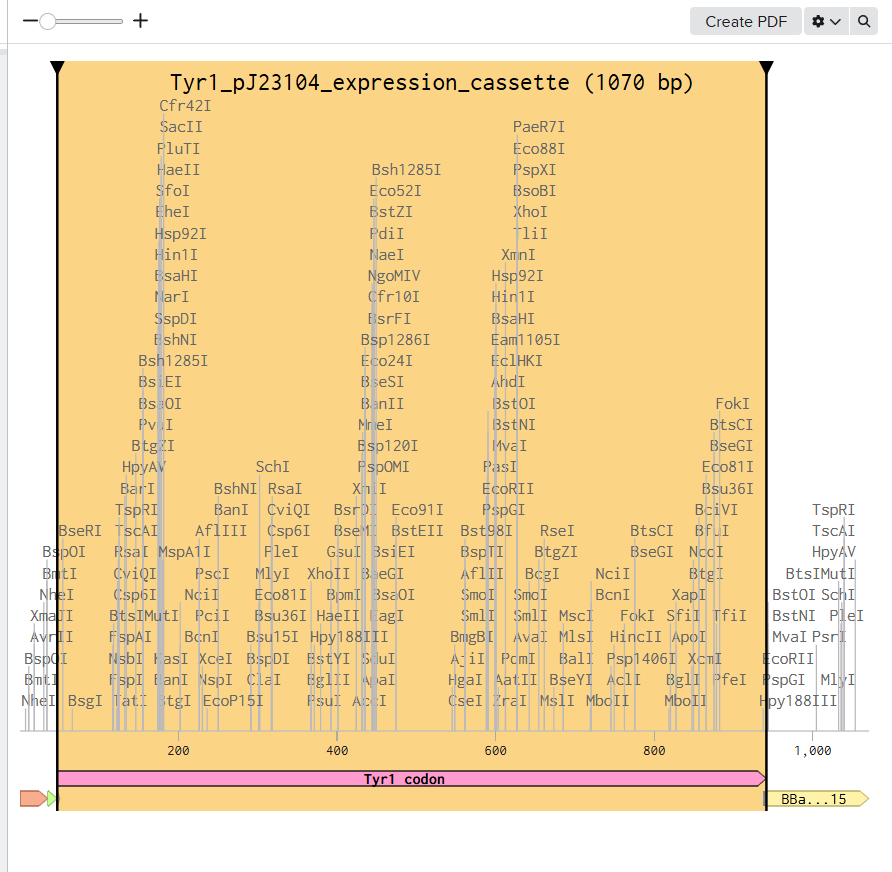
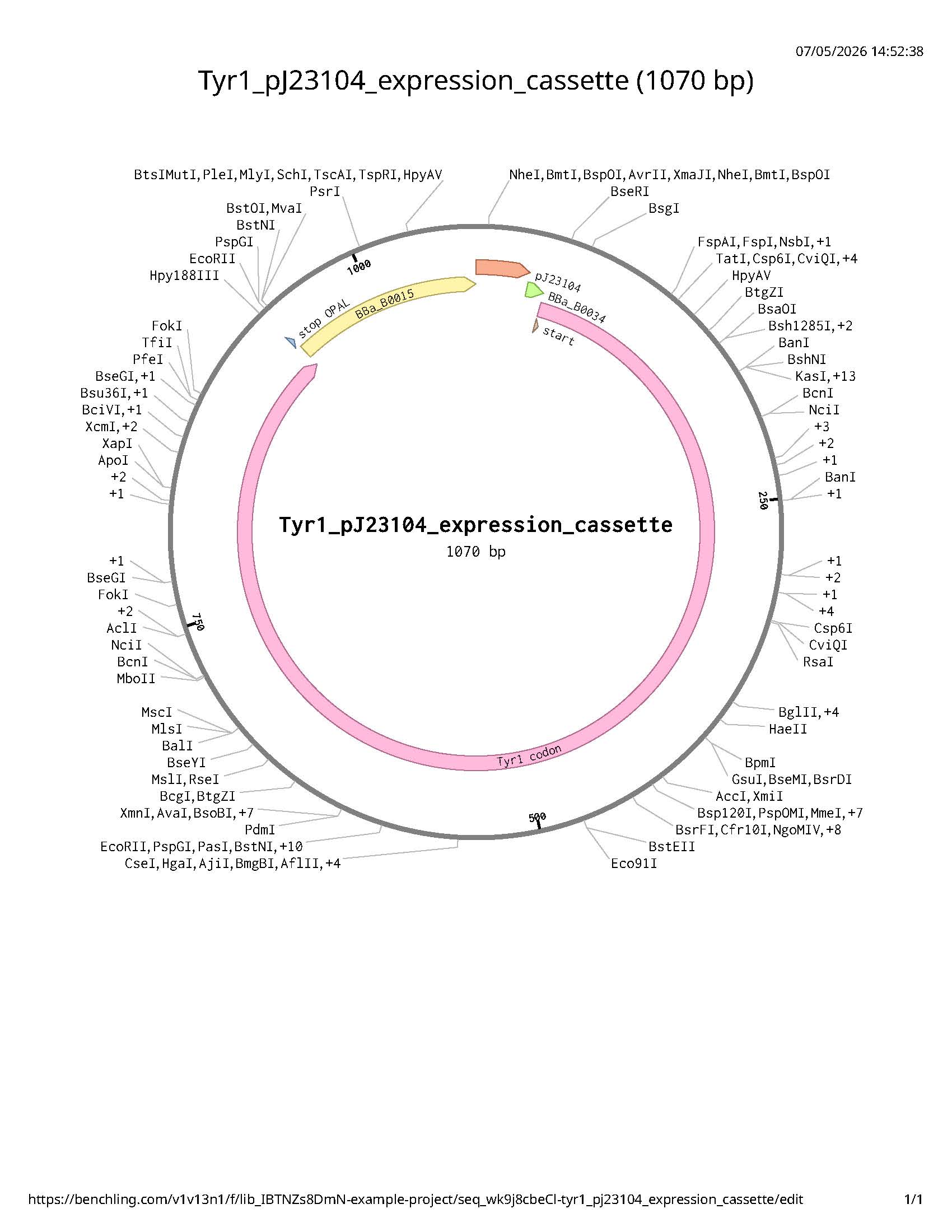
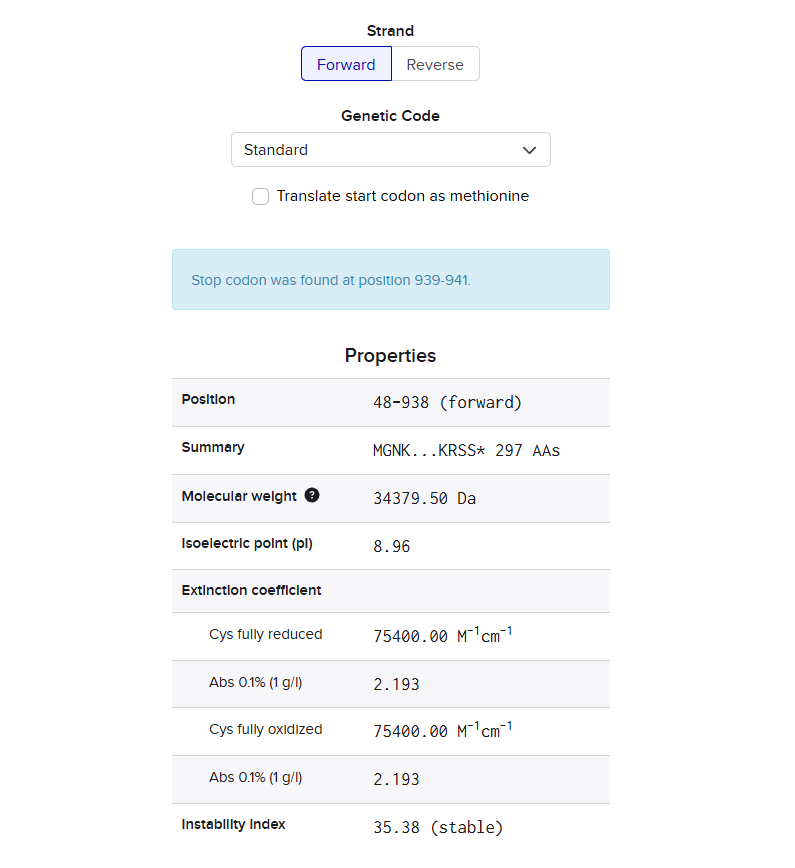
A codon-optimized tyr1 expression cassette derived from Bacillus megaterium was designed in Benchling for expression in K. rhaeticus.
The construct includes:
Tyrosinase coding sequence from Bacillus megaterium
Stop codon
Terminates translation
Terminator
Terminates transcription
The construct is intended to be synthesized through Twist Bioscience and assembled into a broad-host-range plasmid compatible with K. rhaeticus using either Gibson Assembly or the modular Komagataeibacter Tool Kit (KTK) Golden Gate system described by Walker et al.
Following plasmid assembly, the engineered construct would be introduced into K. rhaeticus through electroporation and antibiotic selection.
flowchart TD

A["Tyr1 sequence<br/>Bacillus megaterium"]
--> B["Codon optimization<br/>for K. rhaeticus"]
--> C["Expression cassette assembly"]

C --> C1["Promoter<br/>pJ23104"]
C --> C2["RBS<br/>BBa_B0034"]
C --> C3["Optimized tyr1 CDS"]
C --> C4["Terminator<br/>BBa_B0015"]

C --> D["DNA synthesis<br/>Twist Bioscience"]
D --> E["Broad-host plasmid assembly"]
E --> F["Electroporation into<br/>K. rhaeticus"]
F --> G["Biological validation"]
Biological validation will include:
Validation would include:
colony PCR and sequencing,
confirmation of plasmid integration,
induction of melanin production using L-tyrosine and Cu²⁺ supplementation,
and visual characterization of pigmentation within the cellulose pellicle.
Because K. rhaeticus naturally acidifies its environment (pH < 4), melanin induction is expected to occur during a secondary development phase in buffered neutral conditions (~pH 7.4) supplemented with copper ions and L-tyrosine, following the activation strategy described by Walker et al.
If successful, the engineered pellicle is expected to progressively darken through localized eumelanin production.
Expected Outcome
The expected outcome is the generation of a living cellulose-producing chassis capable of controlled eumelanin synthesis, establishing the biological basis for subsequent spatial functionalization and electrochemical characterization aims.
Objective:
Generate spatially differentiated electrochemical regions within living bacterial cellulose by controlling biochemical gradients during and after growth.
Rationale:
While Aim 1 establishes the biological production of eumelanin within bacterial cellulose, Aim 2 investigates how environmental modulation and spatial biochemical distribution may influence the emergence of heterogeneous material properties. Rather than treating biological variability as noise to eliminate, this aim explores growth, diffusion, and metabolism as programmable fabrication parameters.
Approach:
The project combines a two-step melanin induction protocol with robotic liquid handling in order to spatially functionalize the living cellulose matrix.
Growth Phase
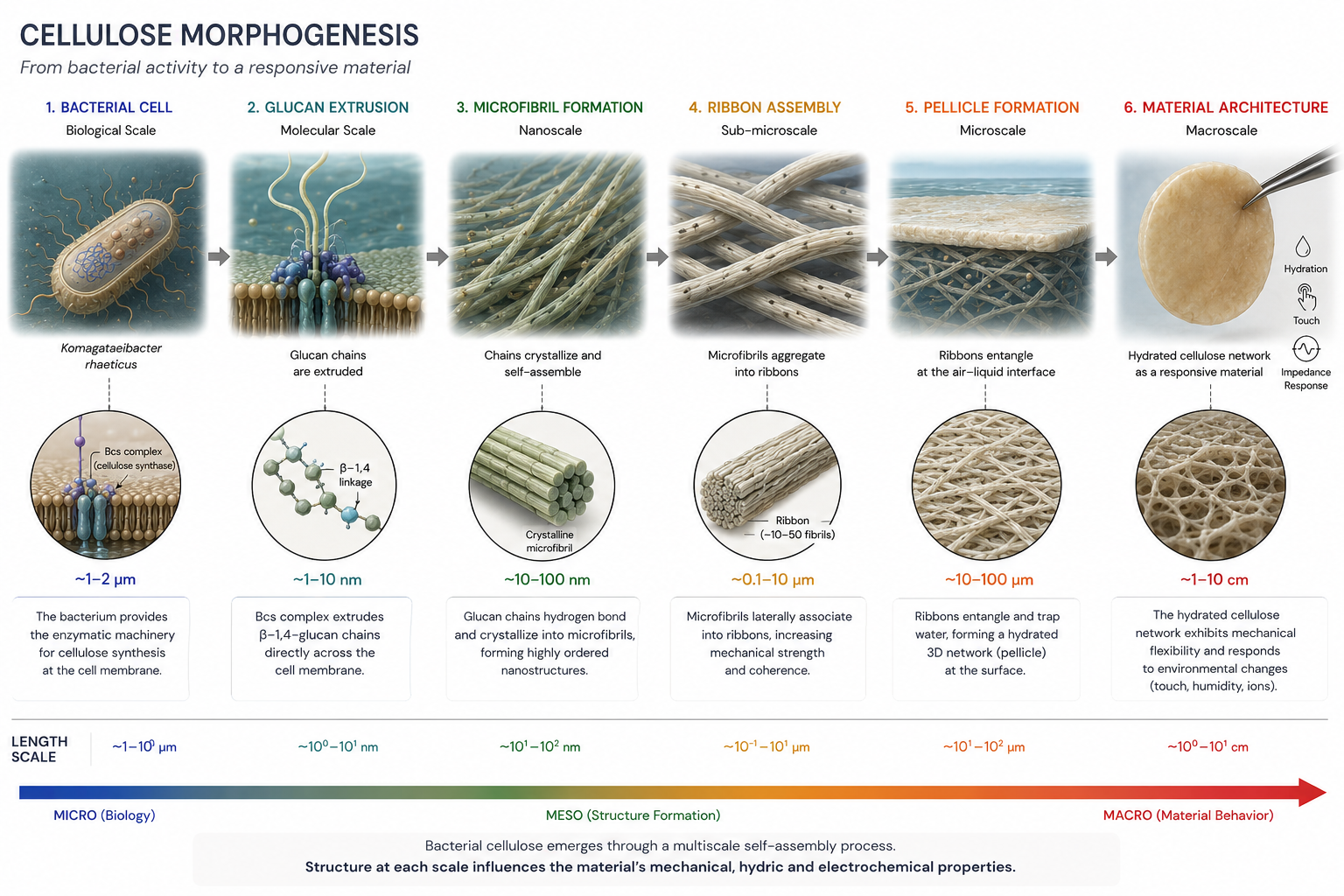
Engineered K. rhaeticus cultures produce a cellulose pellicle under standard acidic growth conditions, allowing bacterial cellulose self-assembly through glucan extrusion and microfibril organization.
Development Phase
Following pellicle formation, the material is transferred into buffered neutral conditions (pH ~7) supplemented with:
L-tyrosine (substrate),
and Cu²⁺ ions (tyrosinase cofactor),
thereby activating Tyr1-mediated eumelanin synthesis within the cellulose network.
Spatial Programming:
An Opentrons liquid-handling robot is used to deposit controlled spatial gradients of copper ions and nutrients across the pellicle surface. These gradients act as morphogenetic parameters capable of influencing local melanin formation and generating heterogeneous electrochemical regions within the material.
Rather than minimizing biological variability, automation is used here as a tool to explore how:
diffusion,
metabolism,
hydration,
and environmental gradients
shape the emergence of localized material behaviors across a living matrix.
This aim investigates how bacterial cellulose morphogenesis, biochemical diffusion, and localized eumelanin synthesis may collectively generate differentiated electrochemical states within a growing living material.
Aim 3 — Impedance-Based Characterization and Electrochemical Readout
Objective:
Characterize how biologically induced eumelanin production influences the electrochemical behavior and impedance response of living bacterial cellulose.
Rationale:
Rather than attempting to transform bacterial cellulose into a highly conductive electronic material, this aim investigates whether biological growth and localized melanin integration can generate measurable electrochemical differences within the cellulose matrix. The project approaches impedance not as a binary conductive/non-conductive property, but as a dynamic readout reflecting hydration, ionic mobility, pressure, and material organization.
Approach:
The electrochemical behavior of engineered pellicles will be evaluated using electrochemical impedance spectroscopy (EIS) under varying environmental and mechanical conditions.
Instead of relying on direct DC conductivity measurements—which require continuous metallic-like conductive pathways—the project focuses on low-voltage AC impedance measurements capable of capturing subtle variations in:
hydration,
ionic transport,
pressure-dependent deformation,
and local electrochemical state.
Using either a 2-electrode or 4-electrode measurement setup, impedance measurements will compare:
wild-type bacterial cellulose controls,
and Tyr1-expressing melanin-enriched pellicles.
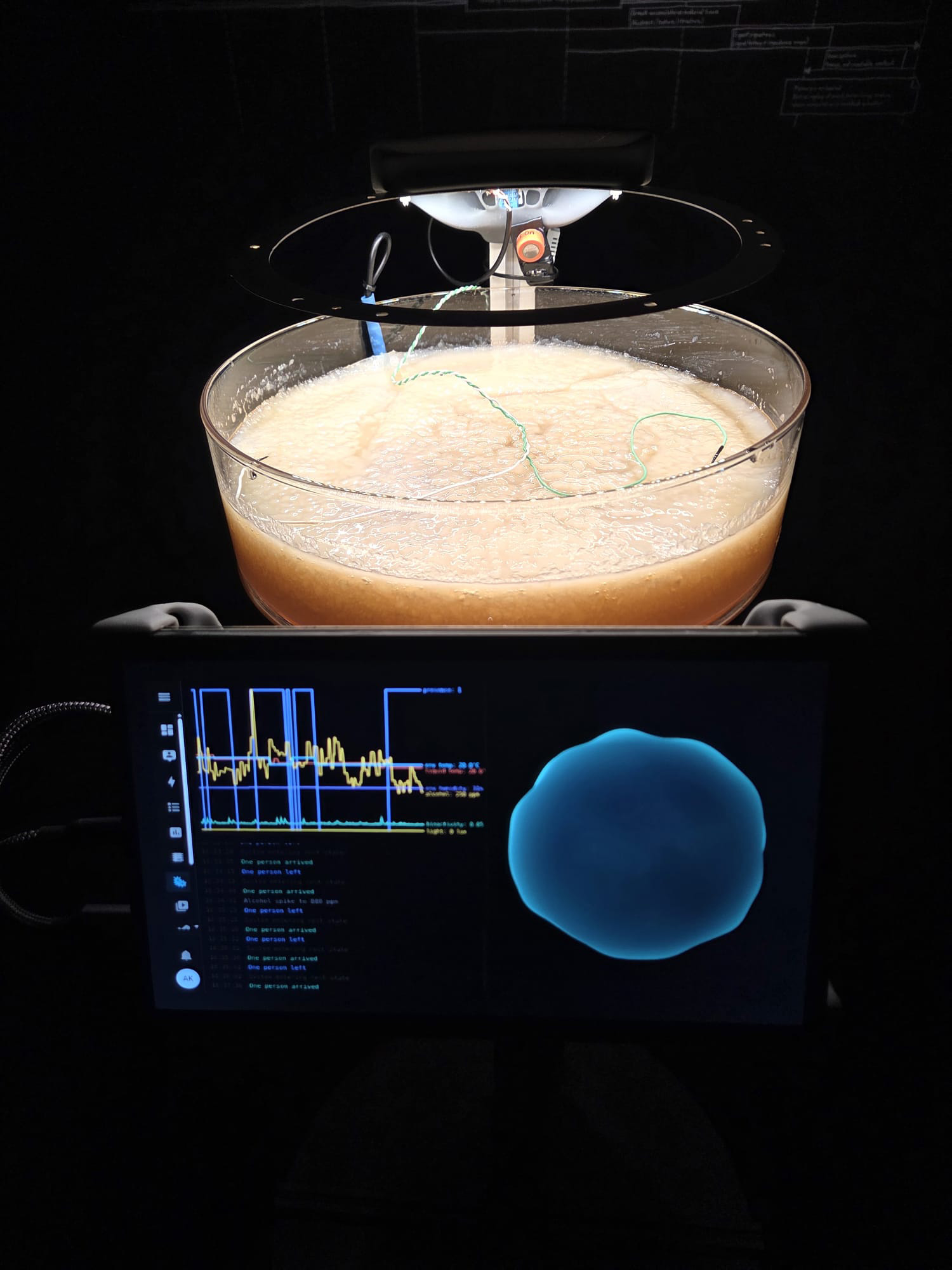
Actualy I’ve already build electrodes sensors for Kombucha for a previous project: Signals are amplified by an AD620 amplifier and converted by an ADS1115 ADC for digital processing. An Arduino Nano transmits the data to a Raspberry Pi 4, which runs a visualization engine server.
Measurements will be performed under:
dry versus hydrated conditions,
varying compression states,
and spatially differentiated melanin distributions generated through Aim 2.
The objective is to determine whether genetically mediated material functionalization can produce measurable impedance gradients and heterogeneous electrochemical responses across the living matrix.
This aim ultimately explores impedance spectroscopy as a low-energy readout layer capable of revealing otherwise invisible biological and material dynamics during growth.
SECTION 3 — BACKGROUND
3.1 Engineered bacterial cellulose
Walker et al. demonstrated that Komagataeibacter species can be genetically engineered to produce functionalized bacterial cellulose materials through heterologous protein expression. Their work on self-pigmenting bacterial cellulose textiles showed that tyrosinase-mediated eumelanin production can be integrated directly into the cellulose matrix during growth, enabling biologically generated coloration rather than post-processing pigmentation.
Earlier work by Florea et al. established foundational genetic toolkits for engineering cellulose-producing bacteria, including modular plasmid systems and inducible gene expression strategies compatible with Komagataeibacter. Additional studies by Gilbert et al. expanded these approaches toward programmable living materials capable of distributed biological functionalities within engineered microbial systems.
Together, these studies demonstrate that bacterial cellulose can function not only as a structural biomaterial, but also as an engineerable biological fabrication platform.
Walker KT, Goosens VJ, Das A, Graham AE, Ellis T. Engineered cell-to-cell signalling within growing bacterial cellulose pellicles. Microb Biotechnol. 2019 Jul;12(4):611-619. doi: 10.1111/1751-7915.13340. Epub 2018 Nov 21. PMID: 30461206; PMCID: PMC6559020.
Walker, K.T., Li, I.S., Keane, J. et al. Self-pigmenting textiles grown from cellulose-producing bacteria with engineered tyrosinase expression. Nat Biotechnol 43, 345–354 (2025). https://doi.org/10.1038/s41587-024-02194-3
Florea M, Hagemann H, Santosa G, Abbott J, Micklem CN, Spencer-Milnes X, de Arroyo Garcia L, Paschou D, Lazenbatt C, Kong D, Chughtai H, Jensen K, Freemont PS, Kitney R, Reeve B, Ellis T. Engineering control of bacterial cellulose production using a genetic toolkit and a new cellulose-producing strain. Proc Natl Acad Sci U S A. 2016 Jun 14;113(24):E3431-40. doi: 10.1073/pnas.1522985113. Epub 2016 May 31. PMID: 27247386; PMCID: PMC4914174.
Gilbert, C., Tang, TC., Ott, W. et al. Living materials with programmable functionalities grown from engineered microbial co-cultures. Nat. Mater. 20, 691–700 (2021). https://doi.org/10.1038/s41563-020-00857-5
Min Yan Teh, Kean Hean Ooi, Shun Xiang Danny Teo, Mohammad Ehsan Bin Mansoor, Wen Zheng Shaun Lim, and Meng How Tan. An Expanded Synthetic Biology Toolkit for Gene Expression Control in Acetobacteraceae. ACS Synthetic Biology 2019 8 (4), 708-723. DOI: 10.1021/acssynbio.8b00168
Recent work in Human-Computer Interaction and biohybrid systems has explored how living organisms and biological materials may contribute to interactive technologies. Nicolae and me, introduced biohybrid devices fabricated from growable materials, demonstrating how bacterial cellulose and other biomaterials can become part of interactive fabrication workflows. All this works are directly connected to ELM (Engineered Living Material) developped by Neri Oxman (Rachel Soo Smith, 2016), and epistemologically theorized by Nguyen around 2018.
Similarly, Adamatzky et al. investigated the electrical properties of kombucha mats as unconventional electronic substrates, showing that living microbial materials may exhibit measurable electrochemical behaviors. Bell et al. further explored living interfaces through microbiome-based interaction systems, highlighting the potential of biological matter as an active component of computational and sensory interfaces.
These projects collectively suggest a shift from passive substrates toward biologically active materials capable of sensing, adaptation, and emergent behaviors.
Nguyen, P., Botyanszki, Z., Tay, P. et al. Programmable biofilm-based materials from engineered curli nanofibres. Nat Commun 5, 4945 (2014). https://doi.org/10.1038/ncomms5945
P. Q.Nguyen, N.-M.Dorval Courchesne, A.Duraj-Thatte, P.Praveschotinunt, N. S.Joshi, Adv. Mater.2018, 30, 1704847. https://doi.org/10.1002/adma.201704847
R. S. H.Smith, C.Bader, S.Sharma, D.Kolb, T.-C.Tang, A.Hosny, F.Moser, J. C.Weaver, C. A.Voigt, N.Oxman, Hybrid Living Materials: Digital Design and Fabrication of 3D Multimaterial Structures with Programmable Biohybrid Surfaces. Adv. Funct. Mater.2020, 30, 1907401. https://doi.org/10.1002/adfm.201907401
Nicolae, M., Roussel, V., Koelle, M., Huron, S., Steimle, J., Teyssier, M. (2023). Biohybrid Devices: Prototyping Interactive Devices with Growable Materials. In Proceedings of the 36th Annual ACM Symposium on User Interface Software and Technology (UIST ‘23). Association for Computing Machinery, New York, NY, USA, Article 31, 1–15. https://doi.org/10.1145/3586183.3606774
Adamatzky, A., Tarabella, G., Phillips, N. et al. Kombucha electronics: electronic circuits on kombucha mats. Sci Rep 13, 9367 (2023). https://doi.org/10.1038/s41598-023-36244-8
Bell, F., Ramsahoye, M., Coffie, J., Tung, J., and Alistar, M.. (2023). ΜMe: Exploring the Human Microbiome as an Intimate Material for Living Interfaces. In Proceedings of the 2023 ACM Designing Interactive Systems Conference (DIS ‘23). Association for Computing Machinery, New York, NY, USA, 2019–2033. https://doi.org/10.1145/3563657.3596133
Roussel, V., Haute, L., Dhulster, P., Teyssier, M. Processes, Fabrication and Design with Kombucha Bacterial Cellulose: Mapping Practices (2023). Proceedings of the 28th International Symposium on Electronic Art, Le Cube Garges, Paris, France, May 16–21
soon : Roussel, V. Material Negotiations: Cultivating Bacterial Cellulose as Transitional Design Practice. In procedings of the 31st International Symposium on Electronic / Emerging Art (ISEA2026).
Asynchronous{kombucha}. Exhitited at Kapellica Gallery, Slovenia, supported by Kersnikiva Institute and Slovenia Ministry of Culture, 2025. Living Kombucha, tubes, electronics, 3D print pieces. Photo: Vivien Roussel. collaborator: Pierre-Alexis Ciavaldini. https://www.vivienroussel.com/asynchronous/
3.3 Novelty
While previous studies have explored engineered bacterial cellulose, biohybrid interfaces, and microbial electrical behaviors independently, no previous work has investigated whether genetically mediated eumelanin production inside bacterial cellulose can generate spatially differentiated impedance behavior during growth.
This project combines:
synthetic biology,
morphogenetic fabrication,
robotic spatial functionalization,
and electrochemical characterization
to investigate whether biological growth itself can become a programmable fabrication process for electrochemically responsive materials.
Rather than optimizing bacterial cellulose as a conventional conductive biomaterial, the project explores impedance as a dynamic readout of localized biological and material organization.
3.4 Ethics
This project explores living bacterial cellulose as a responsive material platform while maintaining a “readout-first” approach to biohybrid interfaces.
Rather than using electronics to actively control or override biological processes, electrochemical measurements are used only as observational tools to characterize material behavior during growth. This approach seeks to minimize risks associated with biological surveillance, excessive system autonomy, or closed-loop actuation in living materials.
Several biosafety and ethical precautions are integrated into the proposed workflow. The engineered K. rhaeticus strains are intended strictly for contained laboratory experimentation and material prototyping. Following experimentation, the bacterial cellulose pellicles would undergo a stabilization and deactivation process involving washing, partial drying, and heat treatment in order to prevent environmental persistence of engineered microorganisms.
The project also acknowledges broader uncertainties associated with programmable living materials, including unintended ecological interactions and challenges related to long-term containment. For this reason, the work prioritizes reversible, non-medical, and low-energy sensing applications rather than autonomous or self-propagating biological systems.
SECTION 4 — EXPERIMENTAL DESIGN
4.1 Experimental Timeline
Week
Objectives
Deliverables
1
Literature review, Benchling design, codon optimization
Expression cassette design
2-3
Twist Bioscience preparation, vector strategy
Synthesized construct
3-4
Gibson Assembly / Golden Gate cloning
Final plasmid
3-4
Electroporation into K. rhaeticus
Transformed colonies
4-6
Pellicle cultivation and development protocol
Pigmented cellulose
6–7
PCR, sequencing, phenotypic validation
Validation data
6–7
AC impedance characterization
Impedance curves
7-8
Documentation and presentation
Final HTGAA project
4.2 workflow
The experimental workflow is organized into four major phases: genetic design, biological transformation, material functionalization, and electrochemical characterization.
4.1 Genetic Design and DNA Assembly
A codon-optimized tyr1 tyrosinase sequence derived from Bacillus megaterium is designed in Benchling for expression in Komagataeibacter rhaeticus. The expression cassette includes:
constitutive promoter (pJ23104),
ribosome binding site (BBa_B0034),
optimized tyr1 coding sequence,
and transcription terminator (BBa_B0015).
The construct is prepared for synthesis through Twist Bioscience and assembled into a broad-host-range plasmid compatible with K. rhaeticus using either Gibson Assembly or Golden Gate assembly through the Komagataeibacter Tool Kit (KTK).
Expected Result:
Generation of a complete plasmid construct suitable for transformation into cellulose-producing bacteria.
4.2 Transformation and Biological Validation
The assembled plasmid is introduced into K. rhaeticus through electroporation followed by antibiotic selection. Colony PCR and sequencing are used to validate successful plasmid integration and confirm sequence integrity.
Following transformation, engineered strains are cultivated in Hestrin–Schramm (HS) medium to produce bacterial cellulose pellicles.
Expected Result:
Generation of transformed K. rhaeticus colonies capable of producing bacterial cellulose while carrying the tyr1 expression cassette.
4.3 Two-Step Material Functionalization
Because tyrosinase activity requires near-neutral pH conditions while K. rhaeticus naturally acidifies its environment, melanin production is induced through a secondary development phase.
The bacterial cellulose pellicle is transferred into a buffered solution (~pH 7.4) supplemented with:
L-tyrosine,
CuSO₄,
and controlled nutrient conditions.
An Opentrons liquid-handling robot is used to spatially distribute these reagents across the pellicle surface in order to generate localized melanin deposition patterns.
Expected Result:
Formation of spatially heterogeneous eumelanin-enriched regions within the cellulose matrix.
4.4 Electrochemical Characterization
Electrochemical impedance spectroscopy (EIS) is used to evaluate how melanin integration influences the electrochemical behavior of the material.
Using 2-electrode or 4-electrode measurements, impedance responses are recorded under:
dry versus hydrated conditions,
varying compression states,
and different spatial melanin distributions.
Wild-type bacterial cellulose serves as the experimental control.
Expected Result:
Detection of measurable impedance differences between wild-type and Tyr1-expressing bacterial cellulose, including spatially differentiated electrochemical responses.
flowchart TB

subgraph Row1 [ ]
direction LR
A[Benchling Design]
--> B[Codon Optimization]
--> C[Twist Bioscience Synthesis]
--> D[Gibson / Golden Gate Assembly]
--> E[Transformation into K. rhaeticus]
--> F[Pellicle Growth]
end
flowchart TB
subgraph Row2 [ ]
direction LR
G[Neutral pH Development Phase]
--> H[Cu²⁺ + L-Tyrosine Activation]
--> I[Spatial Gradient Deposition<br/>Opentrons]
--> J[Localized Eumelanin Formation]
--> K[Electrochemical Impedance]
--> L[Impedance Mapping and Analysis]
end
HTGAA Techniques and Methodologies Utilized
Category
Technique / Method
Status
General Laboratory Skills
Pipetting
[ ]
General Laboratory Skills
Lab Safety
[x]
General Laboratory Skills
Bioethical Considerations
[x]
Molecular Biology
DNA Gel Art
[x]
Molecular Biology
DNA Sequencing
[x]
Molecular Biology
DNA Editing
[x]
Molecular Biology
DNA Construct Design
[x]
Molecular Biology
Restriction Enzyme Digestion
[x]
Molecular Biology
Gel Electrophoresis
[x]
Molecular Biology
DNA Purification From Gel
[ ]
Molecular Biology
Databases (GenBank, NCBI, Ensembl, UCSC)
[x]
Automation
Lab Automation
[x]
Automation
Creating Code for Laboratory Automation
[ ]
Automation
Using Liquid Handling Robots (Opentrons)
[x]
Automation
Designing a Twist Order
[x]
Automation
Plan for Autonomous Lab at Ginkgo Bioworks
[ ]
Protein Design
Protein Design
[ ]
Protein Design
Use of Boltz or PepMLM
[ ]
Protein Design
Use of Asimov Kernel
[x]
Protein Design
Use of Benchling
[x]
Protein Design
Models and Notebooks
[x]
Protein Design
Databases
[x]
Bioproduction
Bioproduction
[x]
Bioproduction
Chassis Selection (e.g., DH5alpha)
[x]
Bioproduction
Registry of Standard Biological Parts
[x]
Bioproduction
Plasmid Preparation
[x]
Bioproduction
Bacterial Culturing
[x]
Bioproduction
Quality Control / Analysis
[x]
Bioproduction
Bacterial Processing
[ ]
Cell-Free Systems
Cell-Free Reactions
[x]
Cell-Free Systems
Freeze-Dried Cell-Free Systems
[ ]
Cell-Free Systems
miniPCR Tools
[ ]
Cell-Free Systems
Protein Purification
[ ]
DNA Assembly
Gibson Assembly
[x]
DNA Assembly
Primer Design or Selection
[x]
DNA Assembly
PCR Reactions
[x]
DNA Assembly
Other Cloning Methods (Golden Gate / Restriction Digest)
[x]
CRISPR
CRISPR/Cas9
[ ]
CRISPR
Designing Prime Editing gRNA
[ ]
SECTION 5 - validation / risk
5. Validation Strategy
To validate the successful application of synthetic biology and material characterization techniques, the project includes three complementary validation layers: genetic validation, phenotypic validation, and electrochemical characterization.
5.1. DNA and Assembly Validation
The first validation stage focuses on confirming the successful assembly and integrity of the tyr1 expression construct.
Validation methods include:
PCR amplification of the inserted tyr1 cassette,
gel electrophoresis to confirm expected fragment size,
and sequence verification (Sanger or Nanopore sequencing) to ensure construct integrity and absence of assembly mutations.
These experiments validate that the engineered plasmid has been correctly assembled prior to transformation into K. rhaeticus.
Expected Result:
Detection of the correctly sized DNA fragment corresponding to the tyr1 cassette and successful sequence confirmation of the assembled construct.
5.2 Phenotypic Expression Validation
Following transformation, engineered K. rhaeticus pellicles will be compared against wild-type bacterial cellulose controls.
After the two-step development protocol involving:
neutral pH conditions,
L-tyrosine supplementation,
and Cu²⁺ activation,
successful Tyr1 expression is expected to generate visible dark eumelanin pigmentation within the cellulose pellicle.
This phenotypic comparison serves as a direct indicator of enzymatic activity and biological functionality of the engineered pathway.
Expected Result:
Visible darkening of Tyr1-expressing pellicles compared to non-pigmented wild-type controls.
5.3. Material Property Validation
The final validation stage investigates whether biologically produced eumelanin influences the electrochemical behavior of bacterial cellulose.
Electrochemical impedance spectroscopy (EIS) will compare:
wild-type cellulose,
and Tyr1-expressing melanin-enriched cellulose
under varying:
hydration states,
pressure conditions,
and spatial melanin distributions.
The objective is to determine whether localized biological functionalization generates measurable impedance differences across the material.
Expected Result:
Detectable impedance variations between wild-type and engineered bacterial cellulose, including hydration-dependent and spatially differentiated electrochemical responses.
5.4. Experimental Controls
Sample
Genetic State
Development Condition
Purpose
Expected Result
WT BC
Wild-type
No development buffer
Baseline cellulose control
Neutral / non-pigmented cellulose
WT BC + Cu/Tyr
Wild-type
Cu²⁺ + L-tyrosine
Tests whether buffer alone causes pigmentation
No significant melanin production expected
Tyr1+ BC
Engineered
No Cu²⁺ / L-tyrosine activation
Tests whether tyr1 alone causes pigmentation under growth conditions
Minimal or weak pigmentation
Tyr1+ BC + Cu/Tyr
Engineered
Cu²⁺ + L-tyrosine, pH ~7.4
Main experimental condition
Strong eumelanin production expected
Tyr1+ BC Hydrated
Engineered + activated
Hydrated state
Tests hydration-dependent impedance response
Lower impedance / higher ionic mobility
Tyr1+ BC Dry
Engineered + activated
Dry or partially dried state
Tests water dependence of impedance
Higher impedance / reduced ionic mobility
Tyr1+ BC Pressed
Engineered + activated
Mechanical compression
Tests pressure/touch sensitivity
Pressure-dependent impedance shift
5.6 Risks and Mitigation Strategies
Risk
Potential Cause
Mitigation Strategy
Low transformation efficiency
Thick bacterial membrane and low plasmid uptake in K. rhaeticus
Optimize electroporation voltage, recovery conditions, and antibiotic selection
No melanin production
Tyr1 activity inhibited under acidic growth conditions
Use a two-step development protocol with buffered neutral pH conditions and Cu²⁺ supplementation
Reduced cellulose production
Metabolic burden associated with heterologous Tyr1 expression
Test alternative promoter strengths or lower-copy plasmid systems
Weak impedance response
Electrochemical signal dominated by hydration and ionic content
Compare engineered samples against WT controls under standardized hydration conditions
Uneven melanin distribution
Diffusion heterogeneity across the pellicle
Use controlled spatial reagent deposition with Opentrons automation
Plasmid instability
Broad-host-range vector incompatibility or loss during growth
Evaluate multiple compatible vector systems (pBBR1, KTK toolkit vectors)
Limited electrochemical contrast
Insufficient eumelanin concentration within cellulose matrix
Optimize L-tyrosine concentration, Cu²⁺ levels, and development time
Biosafety and environmental persistence
Survival of engineered bacteria after experimentation
Apply washing, drying, and heat-deactivation protocols before disposal
5.7. Expected Outputs and Project Status
Category
Status
Description
Genetic construct design
Completed
Codon-optimized tyr1 expression cassette designed in Benchling for expression in K. rhaeticus
DNA synthesis preparation
Completed
Twist Bioscience clonal gene synthesis workflow and vector strategy prepared
Experimental workflow architecture
Completed
Full transformation, development, validation, and characterization pipeline established
Biological production protocol
Designed
Two-step pH-dependent melanin induction workflow defined
Spatial automation strategy
Designed
Opentrons-based spatial gradient deposition and morphogenetic programming framework proposed
Electrochemical sensing framework
Designed
AC impedance spectroscopy workflow and comparative measurement strategy established
Transformation into K. rhaeticus
Pending
Wet-lab electroporation and antibiotic selection remain to be experimentally completed
Melanin-producing bacterial cellulose
Pending
Requires successful Tyr1 expression and activation under development conditions
Electrochemical impedance validation
Pending
Comparative impedance characterization between WT and engineered pellicles remains experimental
Spatial impedance differentiation
Pending
Validation of localized electrochemical regions generated through gradient deposition remains experimental
Readout-first living interface concept
Speculative / Future Direction
Exploration of living materials as low-energy electrochemical sensing interfaces
SECTION 6 — RESULTS & EXPECTATIONS
This project primarily establishes a biological and experimental framework for investigating whether genetically mediated eumelanin production can influence the electrochemical behavior of bacterial cellulose. While the complete wet-lab validation pipeline remains ongoing, several measurable outcomes are expected based on the proposed workflow and existing literature.
6.1 Genetic Validation
Successful plasmid assembly and transformation are expected to produce detectable PCR amplification bands corresponding to the inserted tyr1 expression cassette.
Expected PCR Results :
Validation Step Expected Result
Colony PCR DNA band corresponding to the tyr1 cassette
Gel Electrophoresis Correct fragment size compared to ladder
Sequencing Verified construct integrity without mutations
If transformation is successful, sequencing should confirm the correct integration and assembly of the codon-optimized tyr1 construct.
6.2 Expected Melanin Production
Following the two-step development protocol under buffered neutral conditions supplemented with L-tyrosine and Cu²⁺, engineered pellicles are expected to progressively darken through eumelanin synthesis.
Expected Phenotypic Outcomes:
Sample Expected Appearance
WT BC White / translucent cellulose
WT + Cu/Tyr Minimal or no pigmentation
Tyr1+ BC Weak or partial pigmentation
Tyr1+ BC + Cu/Tyr Dark brown / black eumelanin pigmentation
Localized reagent deposition using the Opentrons system is expected to generate heterogeneous pigmentation patterns across the material surface.
6.3 Expected Electrochemical Behavior
The project does not aim to generate highly conductive bacterial cellulose, but rather to investigate whether eumelanin integration modifies impedance behavior and ionic transport within the living matrix.
Expected Impedance Trends:
Condition Expected Impedance Behavior
Hydrated pellicle Lower impedance due to increased ionic mobility
Dry pellicle Higher impedance due to reduced water content
Melanin-enriched regions Local impedance shifts relative to WT controls
Spatially differentiated melanin deposition may produce measurable electrochemical heterogeneity across the pellicle surface.
6.4 Expected Impedance Curves
Electrochemical impedance spectroscopy (EIS) measurements are expected to show:
frequency-dependent impedance variation,
hydration-sensitive capacitive behavior,
and measurable differences between wild-type and engineered pellicles.
Rather than binary conductive states, the project expects gradual impedance modulation influenced by:
hydration,
ionic transport,
melanin concentration,
and material morphology.
6.5 Characterization Setup
The following instrumentation and experimental setups are proposed for electrochemical characterization:
Electrochemical Measurement
LCR meter or impedance analyzer
Oscilloscope-based acquisition system
Arduino or Teensy microcontroller integration
2-electrode or 4-electrode measurement configuration
Copper electrode interfaces
Environmental and Mechanical Testing
Controlled hydration chamber
Dry versus hydrated comparison workflow
Compression setup for pressure-dependent measurements
Spatial impedance mapping across the pellicle surface
6.6 Expected Scientific Outcome
The expected outcome is not the creation of a high-performance electronic biomaterial, but rather the demonstration that biological growth, localized eumelanin synthesis, and environmental modulation may collectively generate differentiated electrochemical behaviors within a living cellulose matrix.
This project therefore investigates growth itself as a programmable fabrication process capable of producing responsive and spatially heterogeneous material states.
More broadly, this work extends my ongoing research exploring morphogenesis as a form of fabrication and material craft situated at the intersection of design, biology, and engineering. Through previous projects, I have developed methods for growing self-assembling bacterial cellulose artifacts, including wearable structures, pockets, shoes, and biohybrid interactive devices. This project investigates whether such morphogenetic fabrication processes can move beyond structural formation alone and toward the direct functionalization of the living material itself.
At the same time, the research explores the relational and more-than-human dimensions of fabrication with living systems. Rather than treating biological matter solely as a passive resource to optimize or extract, the project examines how sensing, growth, and material transformation may reveal alternative relationships between production, environment, and living processes.
These research directions have previously been explored through publications and exhibitions across design, HCI, and art-science contexts, including ISEA, UIST, CHI, TEI, and TTT.