Special Note: As a Committed Listener without lab access, documentation within my page is for purely acknowledgement purposes. There were no explicit instructions for Committed Listeners to submit lab work for this week, and with that, I reviewed the material.
This lab covered standard lab practices and review.
Special Note: As a Committed Listener without lab access, documentation within my page is for purely acknowledgement purposes. There were no explicit instructions for Committed Listeners to submit lab work for this week, and with that, I reviewed the material.
This lab covered gel art through restriction digests and gel electrophoresis.
Special Note: The Homework for this class included the Post-Lab Questions. For ease of interprertation, the Post-Lab is reposted below and to ease documentation. Further, the other parts of the homework were placed after. There were no other explicit instructions for Committed Listeners that were not already within the homework, so other aspects of this lab were relegated to purely review.
In this lab, we were tasked with creating a design that could be generated by an OpenTrons Liquid Handling Robot.
Special Note: As per (https://2026a.htgaa.org/2026a/course-pages/weeks/week-04/index.html), “Lab work this week is contained within the homework assignment below.”.
This week’s Lab work was effectively part of this week’s Homework. This is reflected in Part D of the week 4 homework but is reposted below for ease.
Part D. Group Brainstorm on Bacteriophage Engineering As follows, the assigned work was:
Special Note: This week’s Lab work was effectively part of this week’s Homework. This is reflected in Part C of the week 5 homework.
As per (https://2026a.htgaa.org/2026a/course-pages/weeks/week-05/index.html), “Lab work this week is contained within the homework assignment below.”.
Special Note: As a Committed Listener without lab access, I was excused from this and documentation within my page is for purely acknowledgement purposes. There were no explicit instructions for Committed Listeners to submit lab work for this week, and with that, I reviewed the material.
This week’s lab had a dry and wet component. As a Global Comitted Listener without lab access, I was excused from the wetlab component. I joined for the dry component over which were were allowed to work as a team. That said, what follows are snapshots of our work. The focus was the building of our own IANN.
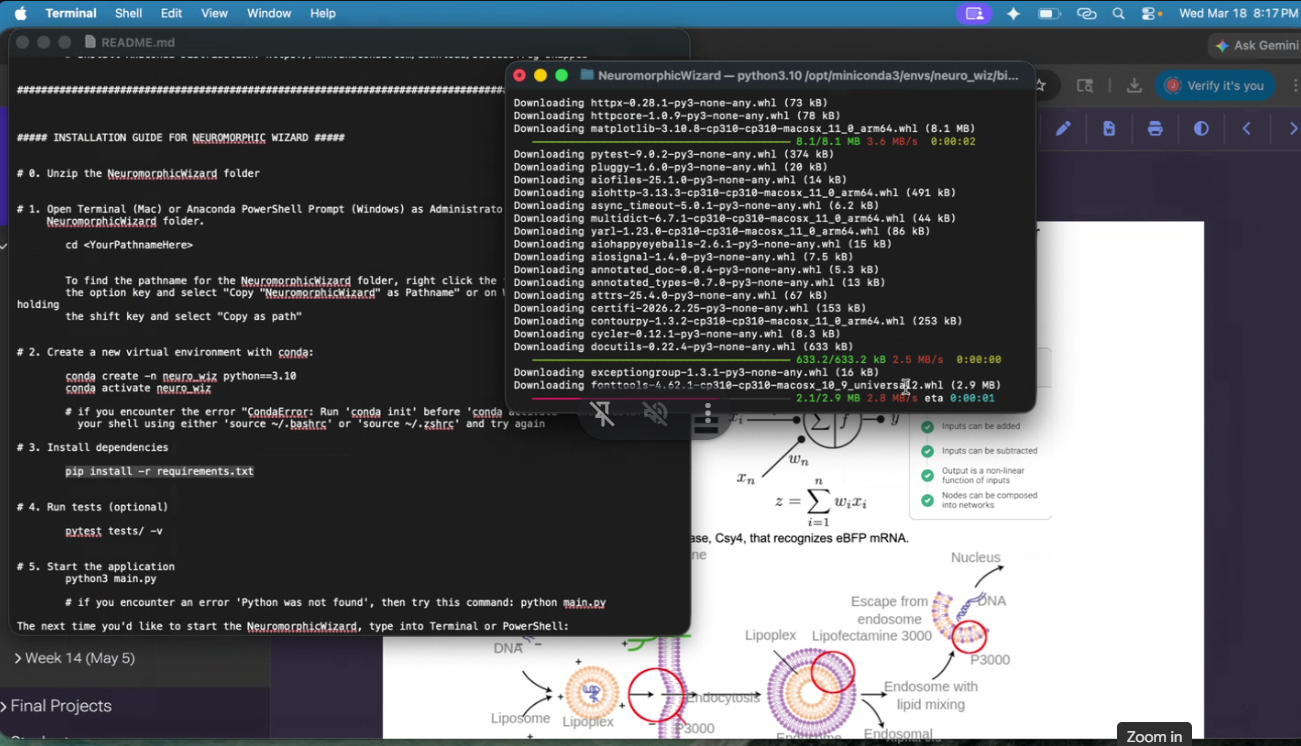
Pre-Lab | Overview Download Neuromorphic Wizard: download this folder NeuromorphicWizard onto your machine by clicking “Download all” in the upper right. Follow the instructions in ‘README.md’ for a step-by-step installation guide.
Special Note: As a Committed Listener without lab access, documentation within my page is for purely acknowledgement purposes. There were no explicit instructions for Committed Listeners to submit lab work for this week, and with that, I reviewed the material.
Homework, shown on the page of Week 9 is reposted here to ease interpretation and documentation.
General homework questions Explain the main advantages of cell-free protein synthesis over traditional in vivo methods, specifically in terms of flexibility and control over experimental variables. Name at least two cases where cell-free expression is more beneficial than cell production. Cell free expression allows teams to conduct biomanufacturing without living cells and operate beyond the constraints of productions in living systems.
Mass Spectrometry
Special Note: As a Committed Listener without lab access, documentation within my page is for purely acknowledgement purposes. There were no explicit instructions for Committed Listeners to submit lab work for this week, and with that, I reviewed the material.
The appendix listed figures to be used for the homework. These were downloaded and posted below for documentation purposes.
See: “Appendix – Figures from Lab work to be used for Homework” from https://2026a.htgaa.org/2026a/course-pages/weeks/week-10/lab/index.html
Special Note: This assignment was a combined homework and laboratory assignment that was reflected in both the homeowork and lab. What follows is a repost of what was asked from the laboratory page, as answered from the homework page post.
Part A: The 1,536 Pixel Artwork Canvas | Collective Artwork Contribute at least one pixel to this global artwork experiment before the editing ends on Sunday 4/19 at 11:59 PM EST! A personalized URL was sent to the email address associated with your Discourse account, and you can discuss the artwork on the Discourse! If you did not have a chance to contribute, it’s okay, just make sure you become a TA this fall! 😉
Special Note: This lab had both a section mandatory for all students and one especially for committed listeners.
Post Lab Questions | Mandatory for All Students (References supplied from lab:
A) Du W, Song Y, Liu M, Yang H, Zhang Y, Fan Y, Luo X, Li Z, Wang N, He H, Zhou H, Ma W, Zhang T. Gene expression pattern analysis of a recombinant Escherichia coli strain possessing high growth and lycopene production capability when using fructose as carbon source. Biotechnol Lett. 2016 Sep;38(9):1571-7. doi: 10.1007/s10529-016-2133-0. Epub 2016 Jul 5. PMID: 27379652.
Special Note: As a Committed Listener without lab access, documentation within my page is for purely acknowledgement purposes. There were no explicit instructions for Committed Listeners to submit lab work for this week, and with that, I reviewed the material.
This lab covered standard lab practices and review.
Week 2 Lab: Lab DNA Gel Art
Special Note: As a Committed Listener without lab access, documentation within my page is for purely acknowledgement purposes. There were no explicit instructions for Committed Listeners to submit lab work for this week, and with that, I reviewed the material.
This lab covered gel art through restriction digests and gel electrophoresis.
Week 3 Lab: Lab Automation
Special Note: The Homework for this class included the Post-Lab Questions. For ease of interprertation, the Post-Lab is reposted below and to ease documentation. Further, the other parts of the homework were placed after. There were no other explicit instructions for Committed Listeners that were not already within the homework, so other aspects of this lab were relegated to purely review.
In this lab, we were tasked with creating a design that could be generated by an OpenTrons Liquid Handling Robot.
Post-Lab Questions:
Find and describe a published paper that utilizes the Opentrons or an automation tool to achieve novel biological applications.
DeRoo, J.B., Jones, A.A., Slaughter, C.K., Ahr, T.W., Stroup, S.M., Thompson, G.B. and Snow, C.D., 2025. Automation of protein crystallization scaleup via Opentrons-2 liquid handling. SLAS technology, 32, p.100268.
This work describes an approach by which an Opentrons-2 liquid handling robot was used for automating sitting drop protein crystallization trials. This ability also improve comparability of products produced, improving studies that depend on their proper manufacture. An important detail is how the Opentrons-2 can prove a cost-effective option for laboratory operations. For example, at the time of writing, the Opentrons-2 can be purchased for around 13.5K USD vs that of a Gryphon machine at around 65K USD.
Write a description about what you intend to do with automation tools for your final project.
I’m still forming my thoughts about how I want to effectively use automation tools for my final project.
So far, I am interested in branching off from example #2 given in the Homework and the above example, regarding screening an array of designed biosensor constructs.
One idea had in mind was towards a digital tracing project that revolves around said constructs used to track known entities.
Simply, products are given a unique ID with stored parameters. These are linked within a automation run so that each product is trackable as they are processed. One application that is probably already in use but would be fun to adapt towards something not already applied would be swappable combined wearable crystallized biosensors that are traded in daily for workers that are liable to be exposed to a particular organism and pollutant pairs.
I could use an Echo for transfer of nano-scale components.
The Bravo or Opentrons-2 could be used for precise, automated pipetting ,especially of the crystals.
The multiflow would be used to dispense the larger scale volume components.
The PlateLoc would be helful for sealing the plates.
The inheco could be used for controlled incubation.
The Xpeel would be used for careful desealing of the plates.
Finally, the PHERAstar could be used for reading fluorescence outputs.
Still developing this out from this branch.
(Part of Homework 3)
Assignment: Python Script for Opentrons Artwork
Review this week’s recitation and this week’s lab for details on the Opentrons and programming it.
Done.
Generate an artistic design using the GUI at opentrons-art.rcdonovan.com.
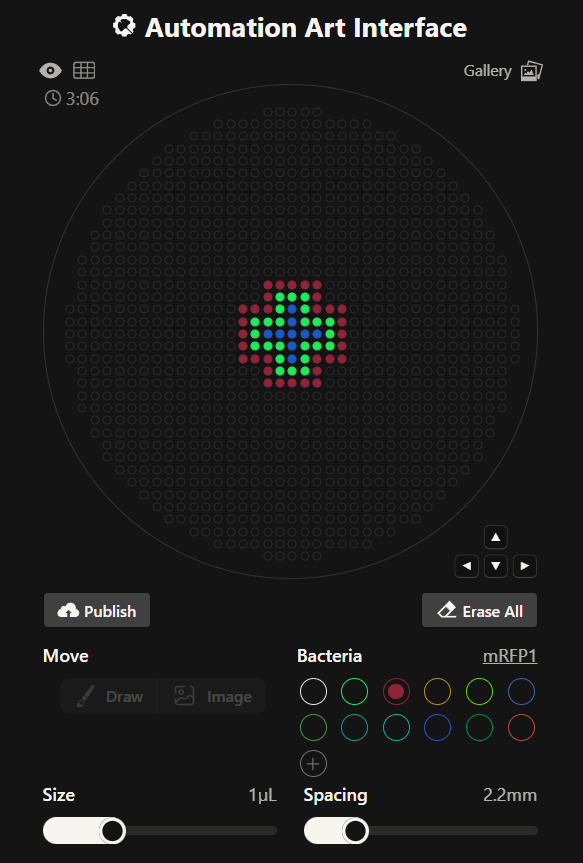
As a remote participant, I prototyped a design using the GUI at opentrons-art.rcdonovan.com.
This resulted in a layered plus symbol shown below.
Using the coordinates from the GUI, follow the instructions in the HTGAA26 Opentrons Colab to write your own Python script which draws your design using the Opentrons.
You may use AI assistance for this coding — Google Gemini is integrated into Colab (see the stylized star bottom center); it will do a good job writing functional Python, while you probably need to take charge of the art concept.
If you’re a proficient programmer and you’d rather code something mathematical or algorithmic instead of using your GUI coordinates, you may do that instead.
Acknowledged
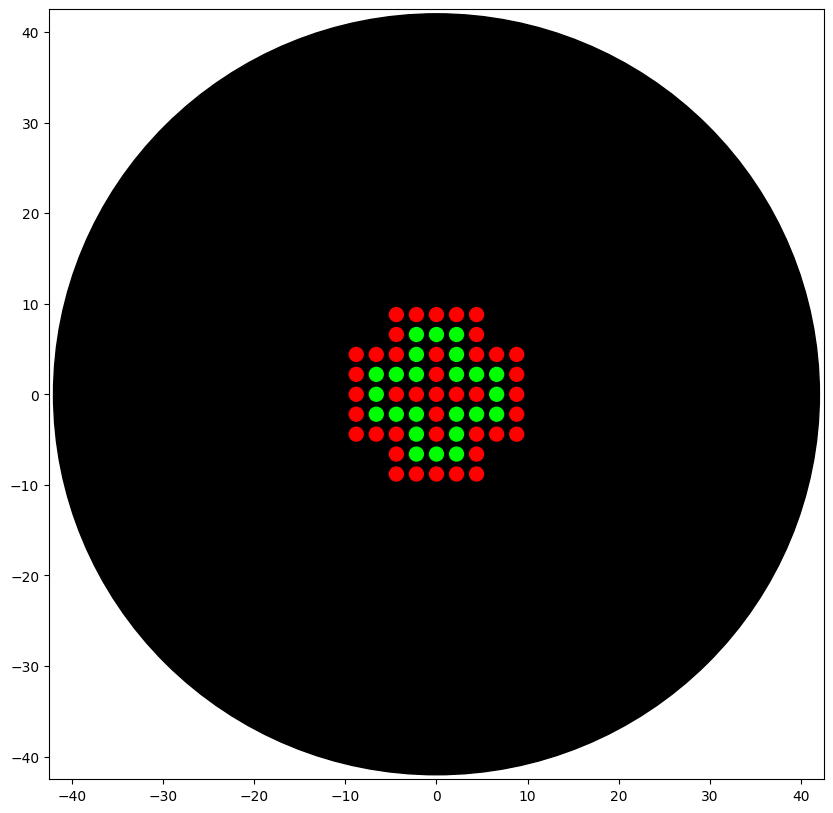
The coordinates for generating such can be found here, courtesy of RC Donovan’s tool:
If the Python component is proving too problematic even with AI and human assistance, download the full Python script from the GUI website and submit that:
Not needed, but appreciated.
If you use AI to help complete this homework or lab, document how you used AI and which models made contributions.
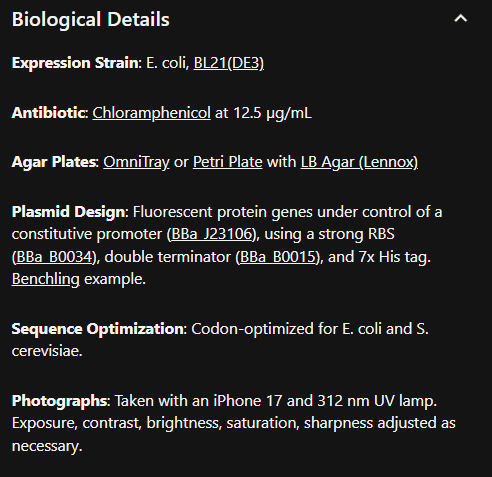
For my node, in order to work with their printer which had two colors, a modified version was created. Gemini within was tested and employed to deliver the following result.
Sign up for a robot time slot if you are at MIT/Harvard/Wellesley or at a Node offering Opentrons automation.
The Python script you created will be run on the robot to produce your work of art!
At MIT/Harvard? Lab times are on Thursday Feb.19 between 10AM and 6PM.
At other Nodes? Please coordinate with your Node.
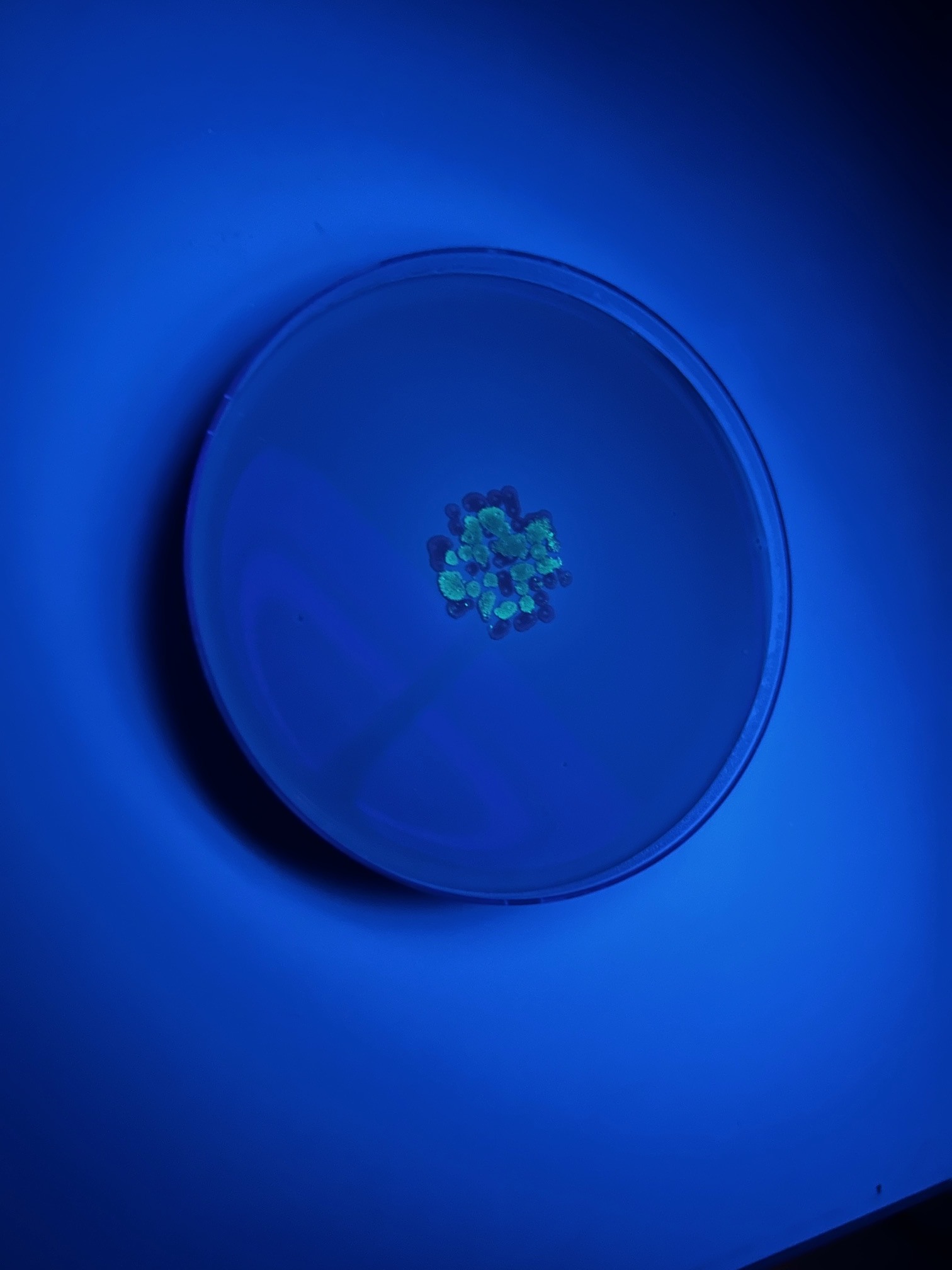
I was added to the William and Mary Node. I coordinated with Margaret and Kate for OpenTrons code submission. My code was submitted to Kate and who was then able to faciliate the printing of my design. Please see below.
This week’s Lab work was effectively part of this week’s Homework. This is reflected in Part D of the week 4 homework but is reposted below for ease.
Part D. Group Brainstorm on Bacteriophage Engineering
As follows, the assigned work was:
1.Find a group of ~3–4 students
Done.
2.Read through the Phage Reading material listed under “Reading & Resources” below.
Done.
3.Review the Bacteriophage Final Project Goals for engineering the L Protein:
*Increased stability (easiest)
*Higher titers (medium)
*Higher toxicity of lysis protein (hard)
Done.
4.Brainstorm Session
Choose one or two main goals from the list that you think you can address computationally (e.g., “We’ll try to stabilize the lysis protein,” or “We’ll attempt to disrupt its interaction with E. coli DnaJ.”).
Increased stability was chosen by my group.
Write a 1-page proposal (bullet points or short paragraphs) describing:
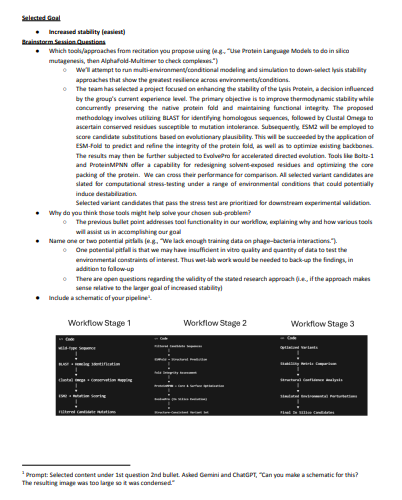
Which tools/approaches from recitation you propose using (e.g., “Use Protein Language Models to do in silico mutagenesis, then AlphaFold-Multimer to check complexes.”).
Why do you think those tools might help solve your chosen sub-problem?
Name one or two potential pitfalls (e.g., “We lack enough training data on phage–bacteria interactions.”).
Include a schematic of your pipeline.
Done. Our Members were: Jason Ross, Jay Handfield, Nana Agyei, Raphael Aca, and Xavier Palmer. Our team’s answers can be be found below:
5.Each individually put your plan on your HTGAA website
Include your group’s short plan for engineering a bacteriophage
Done. See the image above.
Week 5 Lab: Protein Design Part II
Special Note: This week’s Lab work was effectively part of this week’s Homework. This is reflected in Part C of the week 5 homework.
Week 6 Lab : Genetic Circuits Part I: Assembly Technologies
Special Note: As a Committed Listener without lab access, I was excused from this and documentation within my page is for purely acknowledgement purposes. There were no explicit instructions for Committed Listeners to submit lab work for this week, and with that, I reviewed the material.
Week 7 Lab : Genetic Circuits Part II: Neuromorphic Circuits
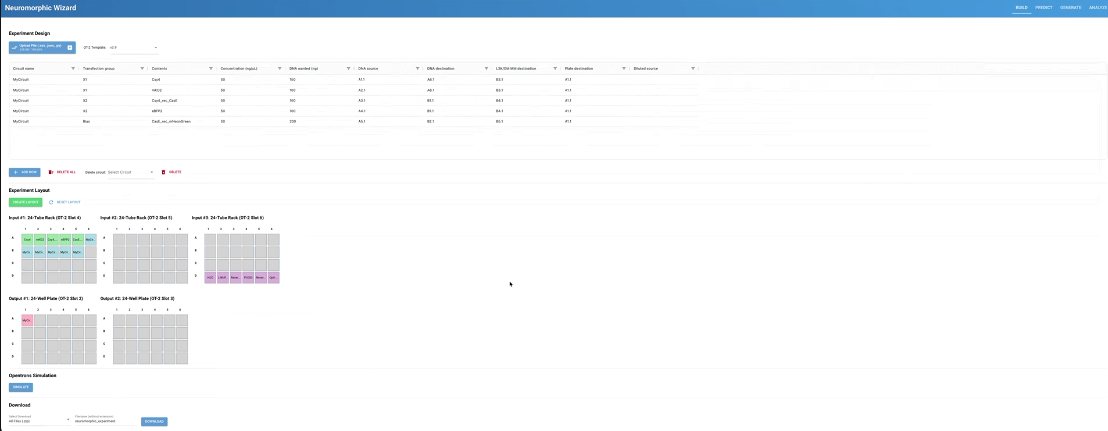
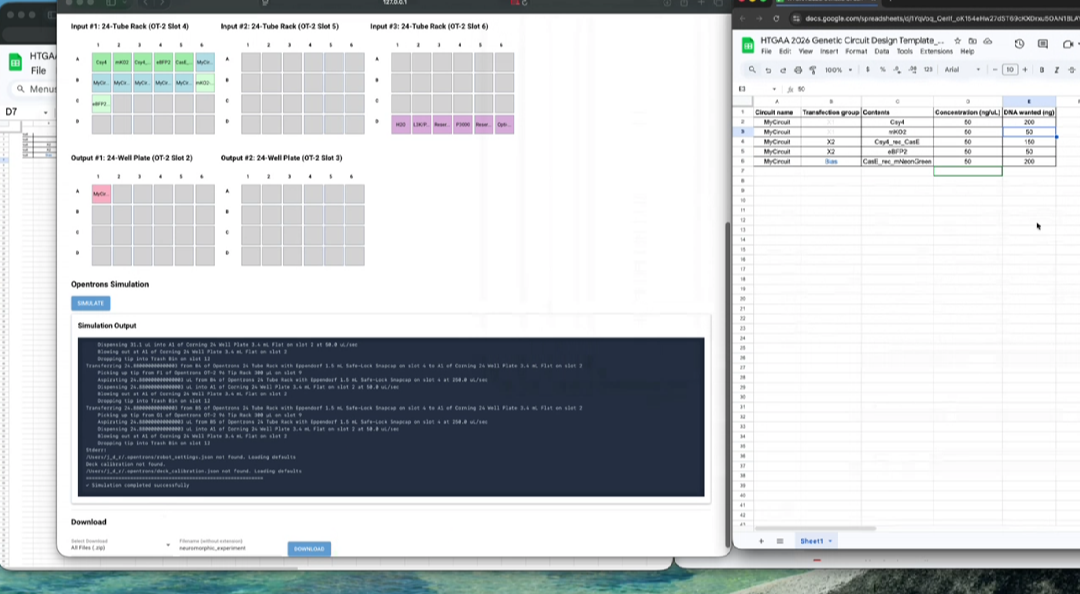
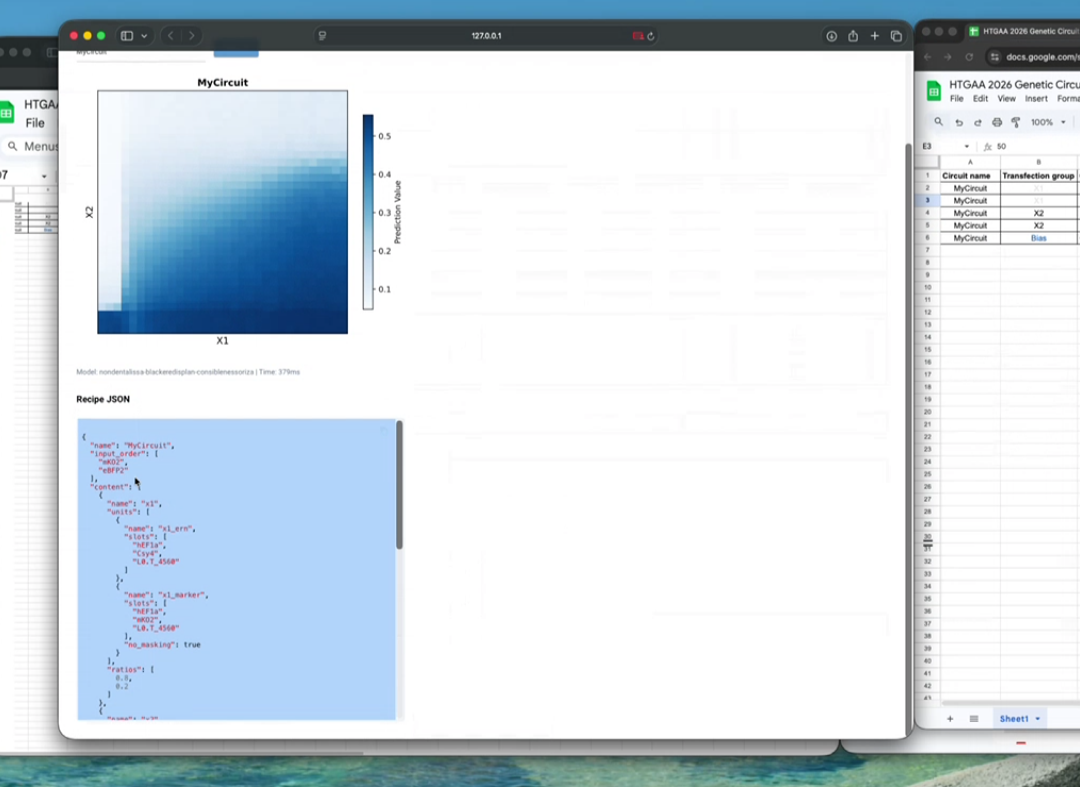
This week’s lab had a dry and wet component. As a Global Comitted Listener without lab access, I was excused from the wetlab component. I joined for the dry component over which were were allowed to work as a team. That said, what follows are snapshots of our work. The focus was the building of our own IANN.
Pre-Lab | Overview
Download Neuromorphic Wizard: download this folder NeuromorphicWizard onto your machine by clicking “Download all” in the upper right. Follow the instructions in ‘README.md’ for a step-by-step installation guide.
Familiarize yourself with the concepts behind each component of the lab: 1) how endoribonucleases can be used to perform arithmetic inside of cells and 2) how Lipofectamine 3000 works to transfect plasmids into human cells.
Done.
Overview | Background
In this two-day lab, you will design and build your very own IANN using a library of plasmids from the Ron Weiss lab and human embryonic kidney (HEK) 293 cells. IANNs differ from traditional synthetic genetic circuits because IANNs can perform analog computations, rather than being limited to digital computations. IANNs are also universal function approximators–given an adequate number of intracellular artificial neurons, you can use an IANN to achieve any input/output behavior you’d like.
Acknoweledged.
Overview | Concepts Learned & Skills Gained
This is a lab with a dry and wet component. In the dry lab component, you will design a neuromorphic circuit in groups of 3. Once your design has been finalized, you will write instructions for an OT-2 to build your circuit for you. In the wet lab component, a TA will upload your OT-2 instructions and you will observe the OT-2 building and transfecting your IANN into HEK293 cells.
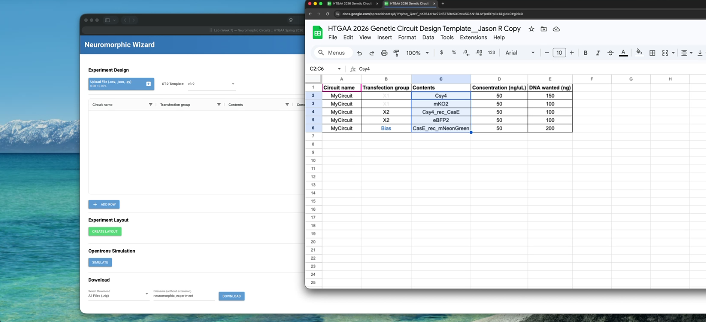
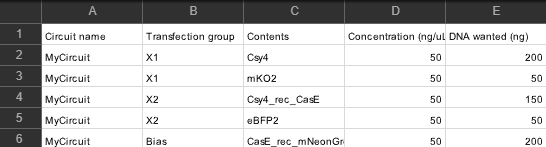
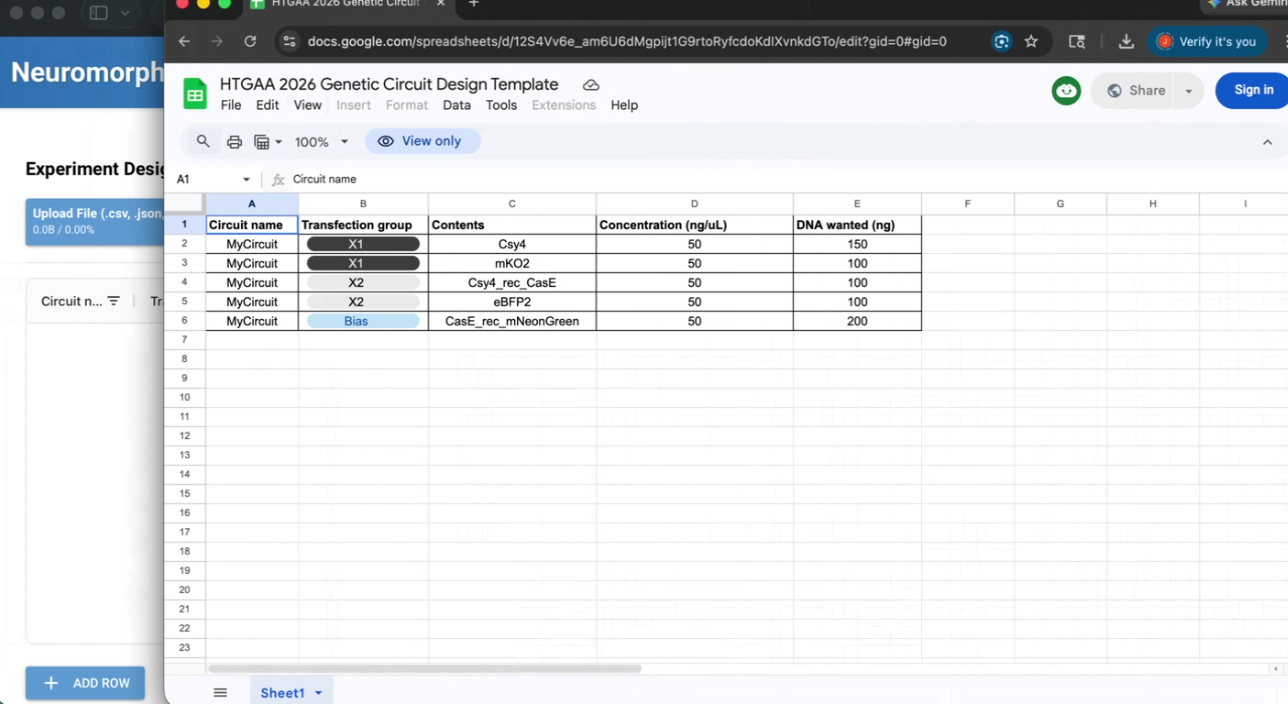
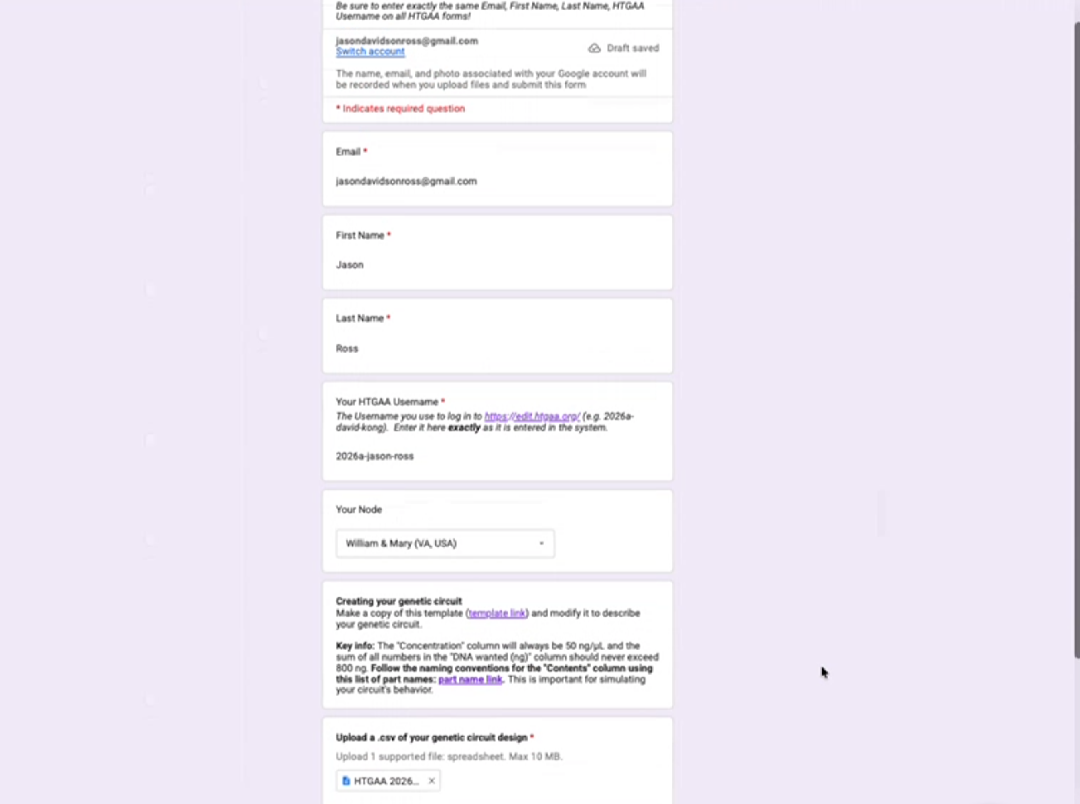
Above is a snapshot of the google form submitted by Jason Ross. His page can be reviewed for more project details and progress.
Week 8 Lab: Break Week
This was a free week and was not obligatory to mark. This week was used to exploration of course materials and Final Project development.
Week 9 Lab: Cell-Free Systems
Special Note: As a Committed Listener without lab access, documentation within my page is for purely acknowledgement purposes. There were no explicit instructions for Committed Listeners to submit lab work for this week, and with that, I reviewed the material.
Homework, shown on the page of Week 9 is reposted here to ease interpretation and documentation.
General homework questions
Explain the main advantages of cell-free protein synthesis over traditional in vivo methods, specifically in terms of flexibility and control over experimental variables. Name at least two cases where cell-free expression is more beneficial than cell production.
Cell free expression allows teams to conduct biomanufacturing without living cells and operate beyond the constraints of productions in living systems.
Two cases where cell-free expression is more beneficial than cell production are where:
A) biomanufacturing would kill the cells
B) teams have a desire to rapidly prototype biomanufacturing workflows after computational modeling
Describe the main components of a cell-free expression system and explain the role of each component.
The main components of cell free expression are as follows:
Cell lysate/mix: These provide the vital translation components, in addiiton to ribosomes, other enzymbes, and tRNAs
Genomic Template: These are needed to encode and develop the protein of interest
Salts: Ioinic condition maintenance
Buffer: Maintaining pH
Cofactors/additives: Promoting enzymatic activity
Amino Acids: These supply building blocks for translation
Energy System: These supply energy to power transcription and translation
Why is energy provision regeneration critical in cell-free systems? Describe a method you could use to ensure continuous ATP supply in your cell-free experiment.
Energy provision generation is critical to sustain reactions. Supplying molecular energy packs that can regenerate ATP during a reaction can assist this.
Compare prokaryotic versus eukaryotic cell-free expression systems. Choose a protein to produce in each system and explain why.
Eukaryotic and prokaryotic cell-free expression systems have their own unqiue advanges. Prokaryotic cell-free expression tends to be great for rapid prototyping and is robust. Eukaryotic systems can have advantages with complex products by which post-translational modification may be desired.
I’d possibly consider developing flourescent proteins in prokaryotic systems while focusing on antibodies with eukarytic systems.
How would you design a cell-free experiment to optimize the expression of a membrane protein? Discuss the challenges and how you would address them in your setup.
A) My initial guess would be to examine setups by which I can utilize detergents and or membrane disaggrgating components and trial setups.
B) Challenges come from aggregation of membrane proteins, insolubility of components, and reduced yields. I would possibly consider different spatial component arrangements, release modalities, temperature changes, and experiment with amounts of disaggrgating components.
Imagine you observe a low yield of your target protein in a cell-free system. Describe three possible reasons for this and suggest a troubleshooting strategy for each.
Three possible reasons could be a poor template, poor environmental considtions, and or lack of energy.
Troubleshooting respectively would look like: attempting template optimization, environmental optimization, and trialing suppying more energy sources for the reaction. Each of these would be systematically trialed.
Week 10 Lab: Pipetting
Mass Spectrometry
Special Note: As a Committed Listener without lab access, documentation within my page is for purely acknowledgement purposes. There were no explicit instructions for Committed Listeners to submit lab work for this week, and with that, I reviewed the material.
The appendix listed figures to be used for the homework. These were downloaded and posted below for documentation purposes.
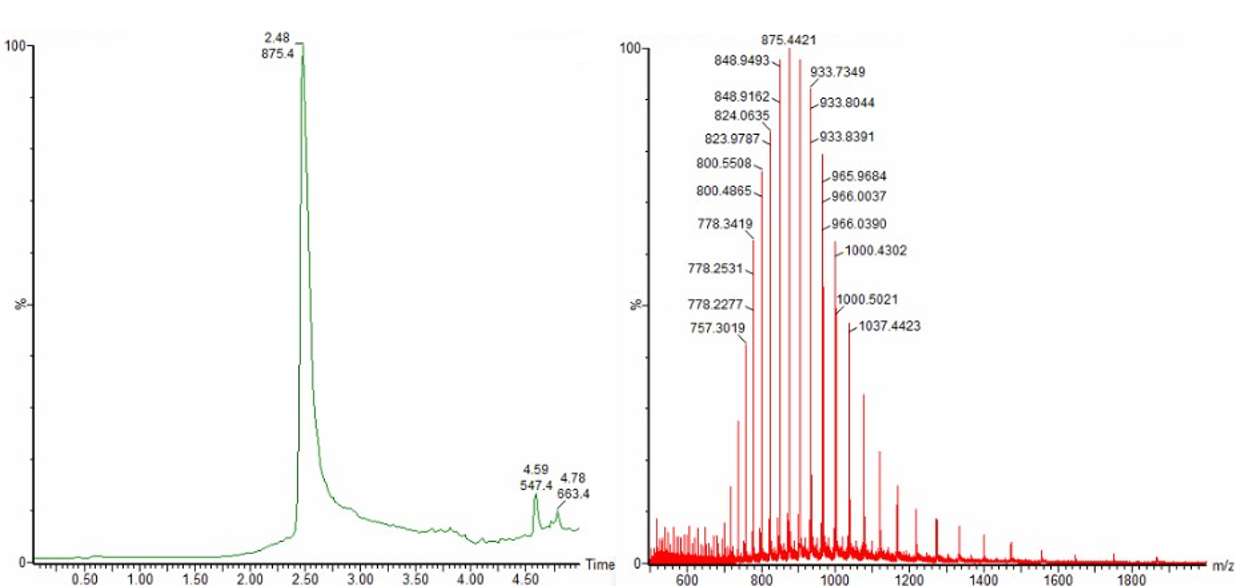
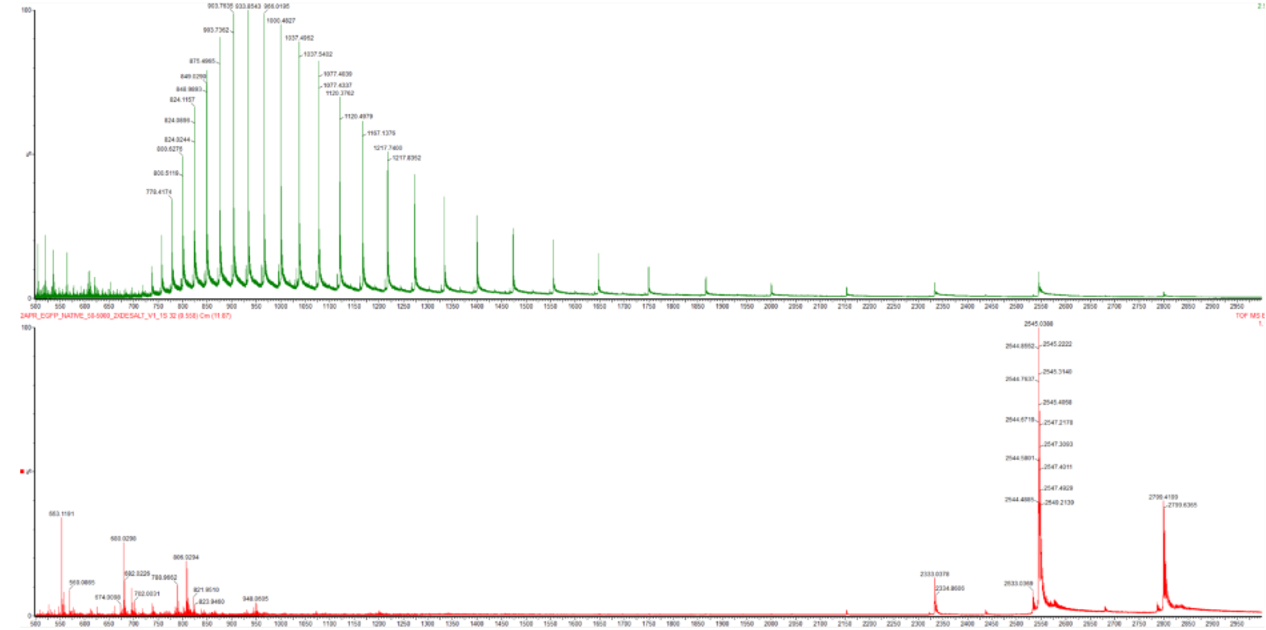
Figure 5. LC-MS chromatogram and MS spectrum of eGFP from the intact MS analysis on Xevo G3 QTof.
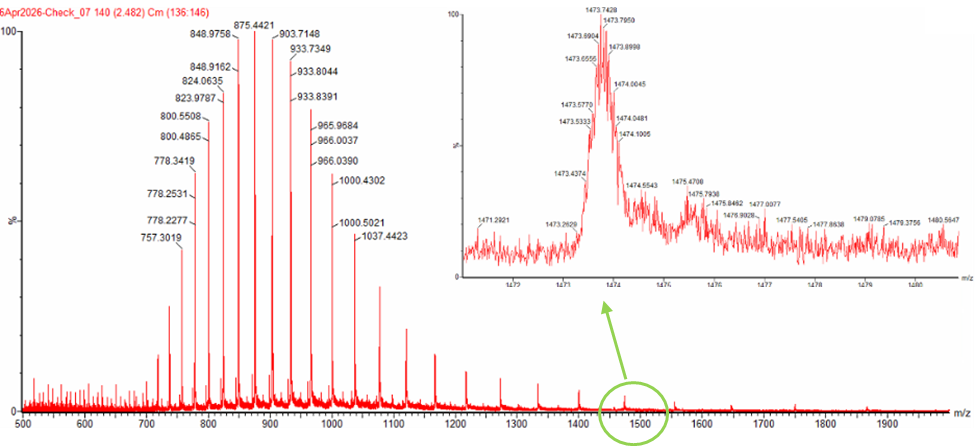
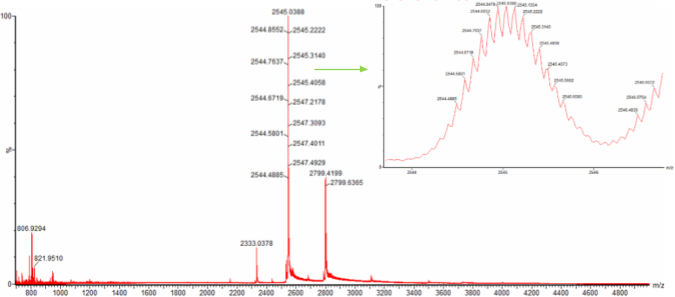
Figure 6. Intact MS spectrum for eGFP from Xevo G3 QTof. Inset: Zoom-in of the 10+ charge state.
Figure 7. Native eGFP protein mass spectrum from the Waters Xevo G3 QTof MS. The inset is a zoom-in of the charge state at m/z 2800. Use the spacing between the peaks in the zoom-in to determine the charge state (z) and calculate the molecular weight of the protein.
Figure 8. Native eGFP protein mass spectrum from the Waters Xevo G3 QTof MS. The inset is a zoom-in of the charge state at m/z 2800. Use the spacing between the peaks in the zoom-in to determine the charge state (z) and calculate the molecular weight of the protein.
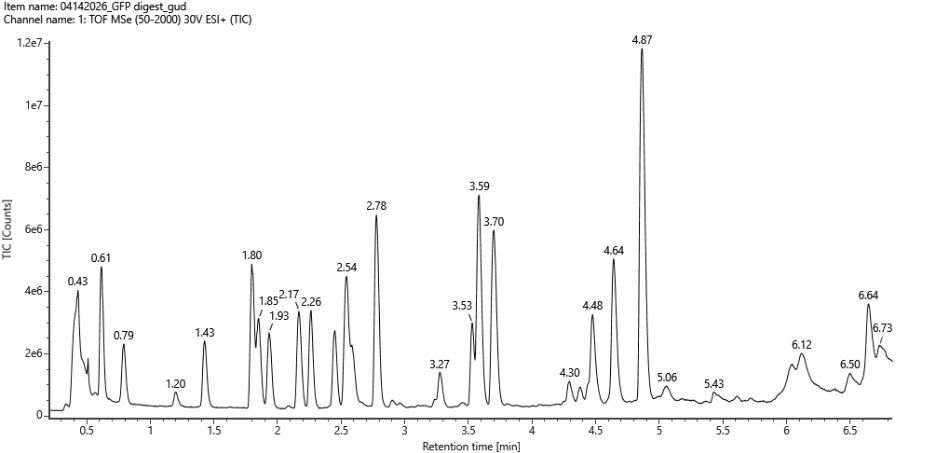
Figure 9. LC-MS Chromatogram of the eGFP tryptic peptide map from the Waters BioAccord system.
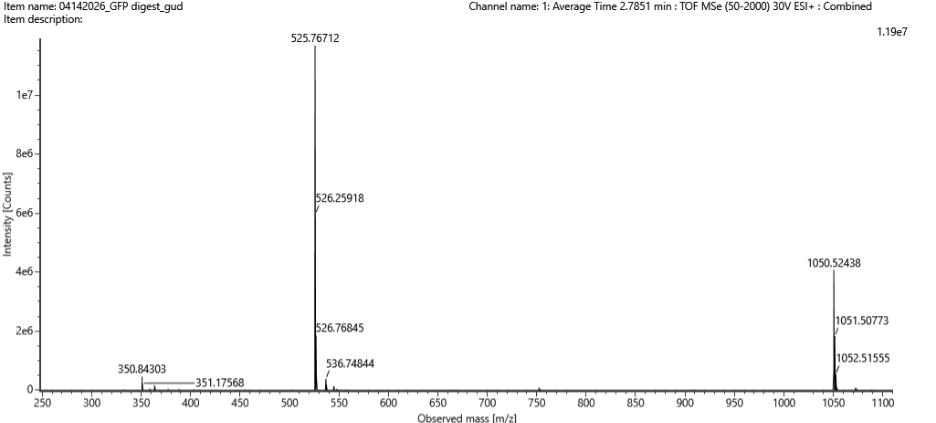
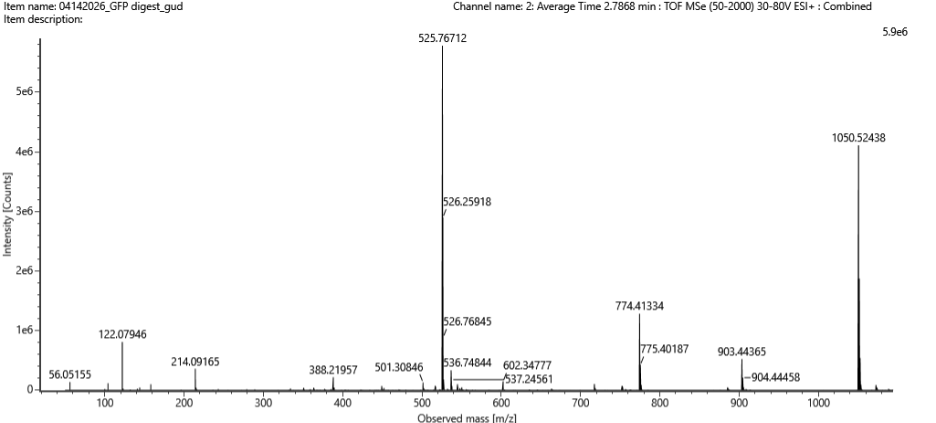
Figure 10. Mass Spectrum of a tryptic peptide from eGFP (at 2.78 minutes from Figure 9) to show different charge states of a selected peptide from the Waters BioAccord LC-MS system
Figure 11. Fragmentation of the same eGFP tryptic peptide from Figure 10, showing the data used to reconstruct its amino acid sequence.
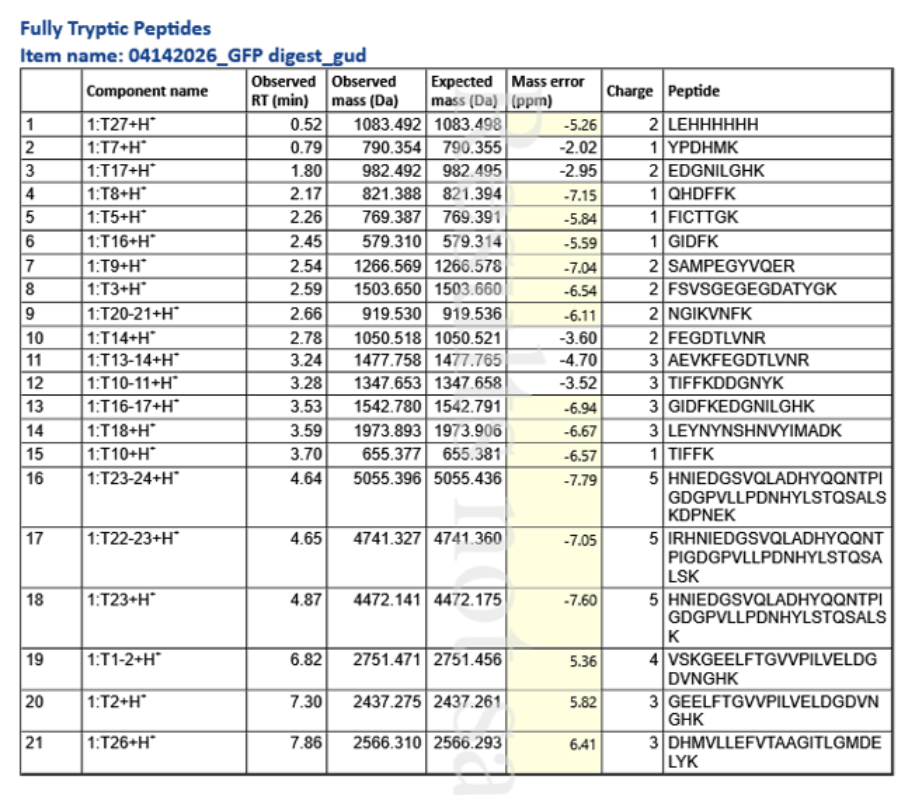
Report 1: Peptide Map Report of eGFP from the Waters BioAccord LC-MS System to show the LC-MS chromatogram, Coverage Map of the eGFP amino acid sequence, and predicted tryptic peptides matched to their MS/MS fragmentation patterns.
*Component name: T# refers to the K or R residue in eGFP (refer to homework or see sequence below); ie, T27 = the peptide resulting after trypsin cleaves the bond after the 27th cleavage site (the 27th K or R in the amino acid sequence). The Observed RT (min) refers to the chromatographic peak’s elution time (see Figure 4). The Observed mass, Expected Mass, and the Mass Error provide a good idea of how well the two values agree (we’re looking for +/- 10 ppm or smaller). The Charge column denotes the charge state at which the peak was observed in the mass spectrum; the Peptide column provides the best tryptic peptide sequence from eGFP as a match.
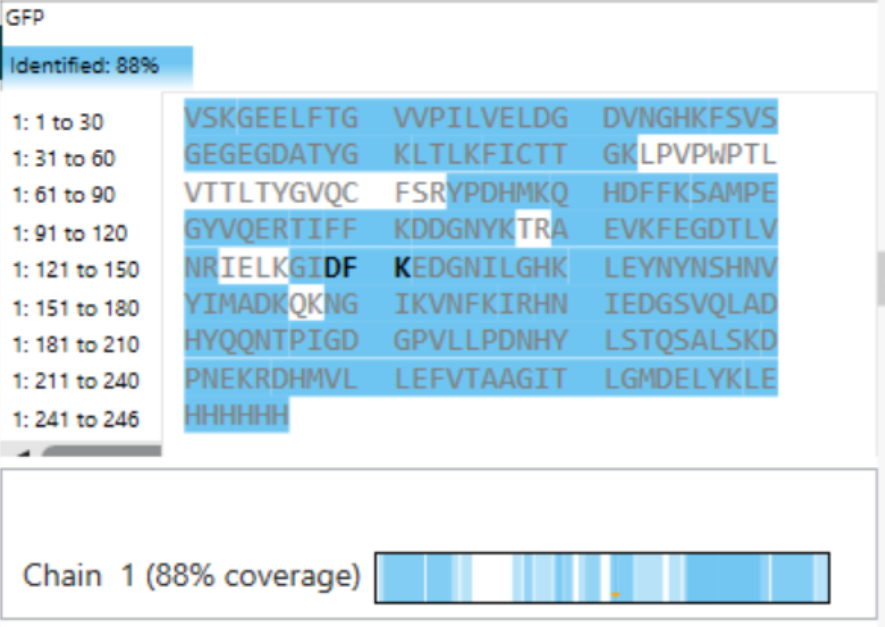
Figure 12. Amino acid coverage of the peptides detected from eGFP standard from the lab protocol.
Sequences shown in blue denote peptides that were detected by their molecular weight in the MS spectrum, alongside confirmatory fragmentation spectra to identify their amino acid sequence.
Peptides not highlighted were not detected or identified, for a number of potential reasons:
The sequence is too small (<5 amino acids) or too large (>20 amino acids) to provide confident identification
There may be too much “noise” (ie, signal from small molecule ion contaminants in the sample or solvents) to provide a strong signal from the MS data to detect and identify the peptide confidently.
There may be a modification in the amino acid sequence provided by the eGFP protein manufacturer that does not align with the amino acid sequence that was provided in the documentation.
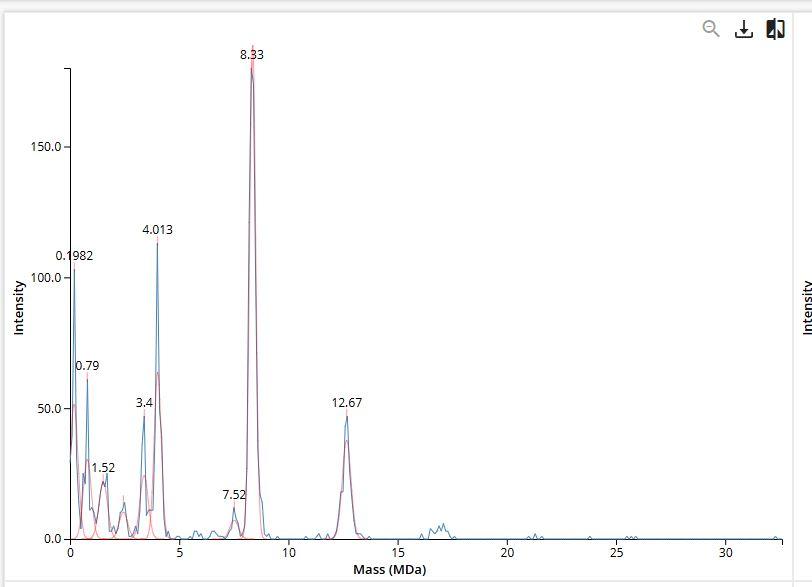
Figure 13. Mass spectrum of Keyhole Limpet Hemocyanin (KLH) acquired on the CDMS.
Week 11 Lab: Introduction to Cloud Laboratories
Special Note: This assignment was a combined homework and laboratory assignment that was reflected in both the homeowork and lab. What follows is a repost of what was asked from the laboratory page, as answered from the homework page post.
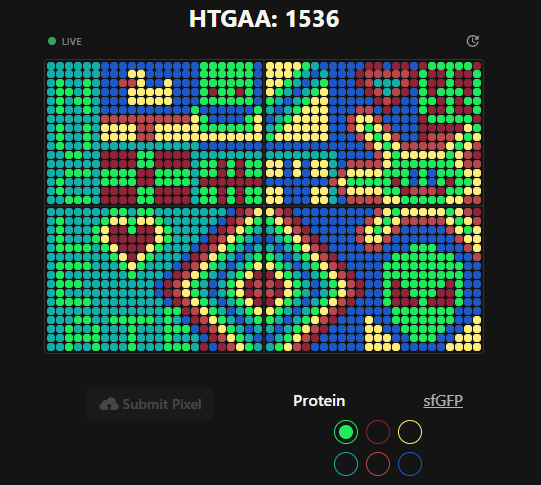
Part A: The 1,536 Pixel Artwork Canvas | Collective Artwork
Contribute at least one pixel to this global artwork experiment before the editing ends on Sunday 4/19 at 11:59 PM EST!
A personalized URL was sent to the email address associated with your Discourse account, and you can discuss the artwork on the Discourse!
If you did not have a chance to contribute, it’s okay, just make sure you become a TA this fall! 😉
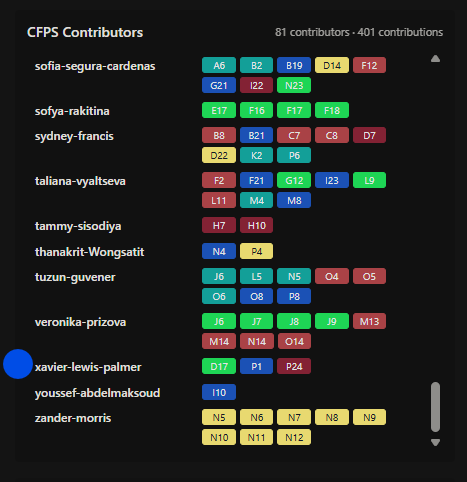
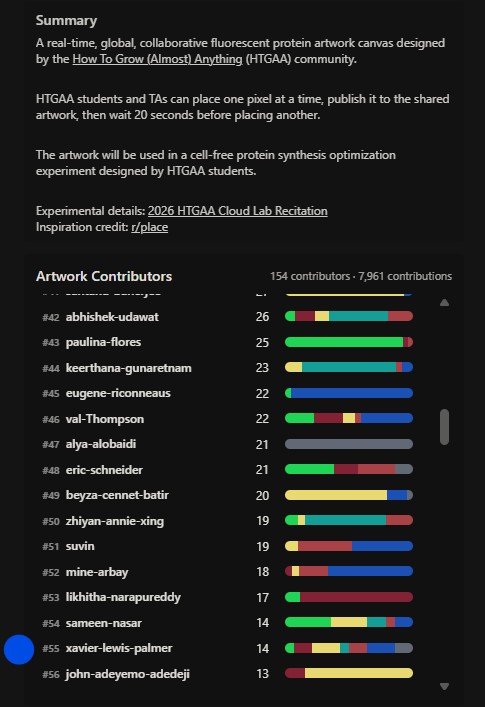
Multiple pixels were contrited to Artwork Canvases. Below the CFPS and Overall Artwork Contributions are given.
CFPS Contributions
Overall Artwork Contributions
Done: Added pixels. See above.
Make a note on your HTGAA webpages including:
Done: I added a total of 14 pixels by the end of the experiment: 12 colored pixels and 2 removal pixels.
what you contributed to the community bioart project (e.g., “I made part of the DNA on the bottom right plate”)
Done: I added a couple small details to subfeatures of some designs. The general idea was to help complete objects in progress or add a small sub-feature, visually. One example was adding a temporary light to one of the spaceships.
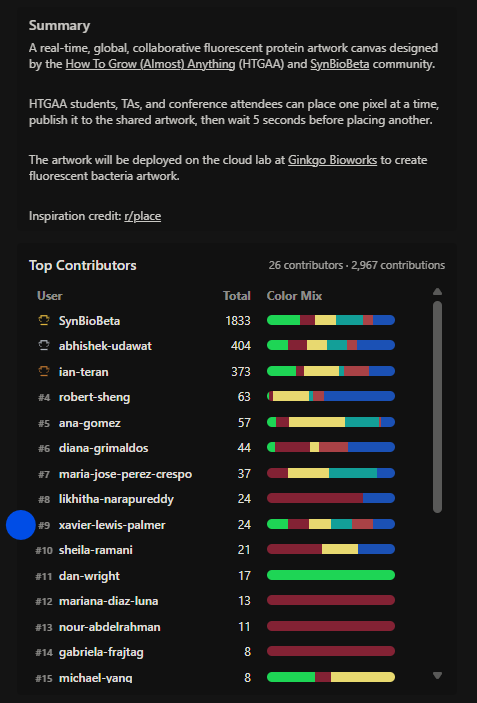
Contributions to a follow-up activity at Synbiobeta were done as well as shown below.
what you liked about the project, and
Done: I liked the collaborative and semi-collaborative nature of the project. There was space for those who wanted to add with coordination and space for those who wanted to add individually from their own vision. Seeing what people came up with was great, as well.
what about this collaborative art experiment could be made better for next year.
Done: To improve it, one could widen the color section, plate area, and reduce the painting refresh-time.
Part B: Cell-Free Protein Synthesis | Cell-Free Reagents
Referencing the cell-free protein synthesis reaction composition (the middle box outlined in yellow on the image above, also listed below), provide a 1-2 sentence description of what each component’s role is in the cell-free reaction.
E. coli Lysate:
BL21 (DE3) Star Lysate (includes T7 RNA Polymerase) - This contains the core metabolic components and enyzmes for transcription and translation. The T7 RNA polymerase is needed for eventual gene transcription and mRNA towards eventual protein production.
Salts/Buffer:
Potassium Glutamate - This is a source of potassium and anions for the reaction, providing needed blance for ribosome function.
HEPES-KOH pH 7.5 - This buffer helps to maintain a stable pH, again helpful for ribosome stability.
Magnesium Glutamate - This provides Mg2+m which is helpful for enzymatic activity
Potassium phosphate monobasic - This works with Potassium dibasic as a secondary buffering system for pH stabilization.
Potassium phosphate dibasic - This works with Potassium monobasic as a secondary buffering system for pH stabilization.
Energy / Nucleotide System:
Ribose - This serves along with gluclose as energy and carbon sources to power the reactions.
Glucose - This serves along with ribose as energy and carbon sources to power the reactions.
AMP - This servves as a ATP synthesis precursor. This and the following 3 are required for RNA synthesis.
CMP - This servves as a CTP precursor.
GMP - This servves as a GTP precursor.
UMP - This servves as a UTP precursor.
Guanine - This serves a a purine base and precursor to produce guanine nucleotides.
Translation Mix (Amino Acids):
17 Amino Acid Mix - This mix supplies the amnio acids used for protein synthesis.
Tyrosine - This is key for phosphorylation but specifically vital as a substrate in forming the target protein.
Cysteine - This is separated due to its instability and is required in protein synthesis.
Additives:
Nicotinamide - This functions as the NAD+ biosynthesis precursor.
Backfill:
Nuclease Free Water - This serves as the solvent for the reaction.
Describe the main differences between the 1-hour optimized PEP-NTP master mix and the 20-hour NMP-Ribose-Glucose master mix shown in the Google Slide above. (2-3 sentences)
The main differences betweem the two master mixes can be found in energy regeration, time-spent for reactions, recycling of components, qualities of metabolism engaged, and composition. Both are effective, but they serve different purposes, be it short-term production vs longer production over time. The use comes down to the context of synthesis desired.
Bonus question: How can transcription occur if GMP is not included but Guanine is?
If reaction pathways exist to convert guanine to a product that can facilitate GMP’s role, transcription can reasonably occur.
Part C: Planning the Global Experiment | Cell-Free Master Mix Design
Given the 6 fluorescent proteins we used for our collaborative painting, identify and explain at least one biophysical or functional property of each protein that affects expression or readout in cell-free systems. (Hint: options include maturation time, acid sensitivity, folding, oxygen dependence, etc) (1-2 sentences each)
Create a hypothesis for how adjusting one or more reagents in the cell-free mastermix could improve a specific biophysical or functional property you identified above, in order to maximize fluorescence over a 36-hour incubation. Clearly state the protein, the reagent(s), and the expected effect.
Increasing HEPES-KOH (through improved maintenance of a near neutral pH) may improve the fluorescence from mKO2 over a 36-hour incubation period by stabilizing its reaction to pH and reducing pH dependent fluorescence loss.
The second phase of this lab will be to define the precise reagent concentrations for your cell-free experiment. You will be assigned artwork wells with specific fluorescent proteins and receive an email with instructions this week (by April 24). You can begin composing master mix compositions here.
Done. 3 wells were utilized as indicated by the image below.
The codes for each are found below:
The final phase of this lab will be analyzing the fluorescence data we collect to determine whether we can draw any conclusions about favorable reagent compositions for our fluorescent proteins. This will be due a week after the data is returned (date TBD!). The reaction composition for each well will be as follows:
6 μL of Lysate
10 μL of 2X Optimized Master Mix from above
2 μL of assigned fluorescent protein DNA template
2 μL of your custom reagent supplements
Total: 20 μL reaction
Acknowledged. Reactions were made and compositions were honored.
Part D: Build-A-Cloud-Lab | (optional) Bonus Assignment
Use this simulation tool to create an interesting looking cloud lab out of the Ginkgo Reconfigurable Automation Carts. This is just a minimal implementation so far, but I would love to see some fun designs!
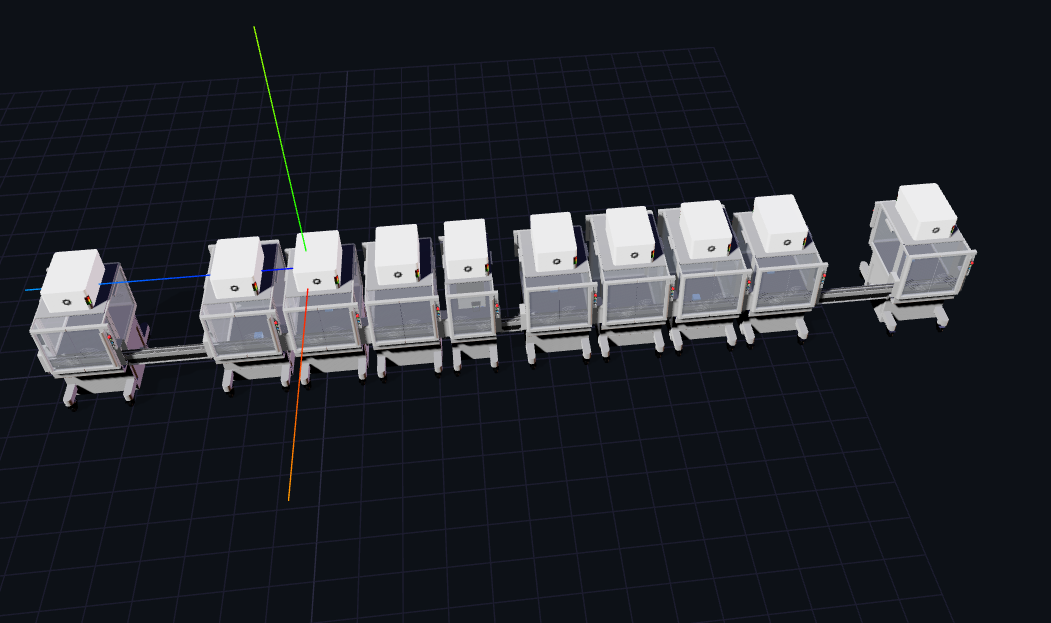
Using the simulation tool, I made a setup that mixed RACs. What follows is a RAC separated by a 1M, folloed by a mix of RACs separated by.25M, followed by another mix of RACs separated by another 1M leading to a final RAC. These are all in one line as shown below.
Week 12 Lab: Bioproduction of Beta-Carotene and Lycopene
Special Note: This lab had both a section mandatory for all students and one especially for committed listeners.
Post Lab Questions | Mandatory for All Students
(References supplied from lab:
A) Du W, Song Y, Liu M, Yang H, Zhang Y, Fan Y, Luo X, Li Z, Wang N, He H, Zhou H, Ma W, Zhang T. Gene expression pattern analysis of a recombinant Escherichia coli strain possessing high growth and lycopene production capability when using fructose as carbon source. Biotechnol Lett. 2016 Sep;38(9):1571-7. doi: 10.1007/s10529-016-2133-0. Epub 2016 Jul 5. PMID: 27379652.
B) Aristidou, A.A., San, K.-Y. and Bennett, G.N. (1999), Improvement of Biomass Yield and Recombinant Gene Expression in Escherichia coli by Using Fructose as the Primary Carbon Source. Biotechnol Progress, 15: 140-145. https://doi.org/10.1021/bp980115v
Additional used for below:
C) Shumskaya, M., & Wurtzel, E. T. (2013). The carotenoid biosynthetic pathway: thinking in all dimensions. Plant science : an international journal of experimental plant biology, 208, 58–63. https://doi.org/10.1016/j.plantsci.2013.03.012
Which genes when transferred into E. coli will induce the production of lycopene and beta-carotene, respectively?
The genes that when transferred into E.Coli will induce the production of lycopene and beta-carotene are crtB, crtE, crtl, and crtY.
Why do the plasmids that are transferred into the E. coli need to contain an antibiotic resistance gene?
The antibiotic resistance genes allow for selection pressue among E.Coli who have the plasmid vs those who do not.
What outcomes might we expect to see when we vary the media, presence of fructose, and temperature conditions of the overnight cultures?
I’d imagine that we would see changes in bacterial growth and protein expressions.
Generally describe what “OD600” measures and how it can be interpreted in this experiment.
OD600 works to measure cell density via turbidity. You can use this to estimate population growth and overall production of biomass.
What are other experimental setups where we may be able to use acetone to separate cellular matter from a compound we intend to measure?
Applications towards pigment isolation, lipid extraction, and generally any that lean on solvent mixture optimizations may suffice.
Why might we want to engineer E. coli to produce lycopene and beta-carotene pigments when Erwinia herbicola naturally produces them?
We can scale up production and farm E.coli in far more diverse environments. Further, we can edit E.Coli more easily for this process.
Post Lab Questions | For Committed Listeners Only
Let’s get in touch with our metabolic pathway
What are the enzymes of the carotene pathway?
The enzymes of the carotene pathway are Phytoene synthase, GGPP synthase, Phytoene desaturase, and Lycopene ε-cyclase.
Within this pathway, which is the rate determining step (the step that takes the longest)? Which enzyme is responsible for this step?
phytoene synthase (PSY) synthesis
Zhou, X., Rao, S., Wrightstone, E., Sun, T., Lui, A. C. W., Welsch, R., & Li, L. (2022). Phytoene Synthase: The Key Rate-Limiting Enzyme of Carotenoid Biosynthesis in Plants. Frontiers in plant science, 13, 884720. https://doi.org/10.3389/fpls.2022.884720
Notes for design of a DNA construct for bioproduction
The first thing to do is to decide what organism you are going to use for this (E. coli or S. cerevisiae) for production. Which would you choose and why (emphases on production differences)?
I lean on E. Coli for the purpose of rapid prototyping and famailiairity (including easier genetic engineering)
Now choose one of the enzymes and lets outline the parts of the construct for expression
Enzyme chosen: Phytoene synthase
For E. coli lets create a expression vector that works as a plasmid you choose E. coli let’s create a expression vector that works as a plasmids
Now, for making a functional construct there are a variety of biological parts needed for this, like ribosome binding sites, terminators, operators and promoters. The last ones are the most important in terms of enzyme or protein production. Let’s elaborate further on this biopart.
Promoters function to recruit RNA polymerase to kickstart transicription.
What types of promoters do we have?
Eukaryotic, Prokaryotic
If we wanted to turn off the transcription of a gene in response to a metabolite, what type of promoter would be most useful? What if we wanted this to increase in the presence of the metabolite?
A) For turning off transcroption, we would need a promoter that can be repressed (Repressible)
B) To increase transcription, we need an inducible promoter.
Now choose one of the genes of the metabolic pathway previously described (Carotene/lycopene )and choose one enzyme to make an expression construct. What promoter could you use for this? Why did you choose it?
Ptac might be the best for the ability to induce production tightly.
What is the origin of replication?
The origin of replication refers the a DNA sequence that determines plasmid replicability within a host.
What types of origin of replication do we have?
We have many types such as ColE1, pMB1, pSC101, R6K, 15A, and more. Some have relaxed and stringent controls of replication. There are numerous incompatibility groups and varied copy numbers among them. Host compatibility/incompatibility and copy number are common means to categorize them.
(Extra) What are compatibility groups?
Compatibility groups are categories of plasmids that can coexist within the same bacterial cells. Competition for replication material components within bacteria are a source of incompatibility.
Now for the previously chosen promoter and gene what will be the best origin or replication?
15A might be a reasonable candidate.
(Mandatory for Global listeners, Optional MIT/Harvard) Elaborate further on other bioparts like RBS, terminators, operators you would use for a correct design and further bioproduction?
For these, I would hunt parts found on IGEM given prior reserch, standardization, and testing. I would like an inducible promoter. For the RBS, terminators, and operators, I might choose the following noting initial steps for protoyping:
For the RBS: BBa_B0034
Terminator: BBa_B0015 (Double terminator)
OPerator: BBa_R0010 (lac regulated and inducible)
These would be emphasized for the prior reasons plus tigter regulation.
(Hot! Extra points) What are aptamers and riboswitches and how can they be used for metabolic tuning or engineering in prokaryotes?
A) Aptamers refer to short genomic sequences that bind to specific molecules.
B) Riboswitches are regulatory genomic elements that have a sensing region that acts like an aptamer and an expression-control region that can be used to modify either transcription or translation in the presence of a metabolite.
C) These can be used to tune protein expression in protkaryotic systems.
(Extra points) Now what approach can be used to join all these parts together? Make a quick analysis of their sequence in search of possibilities (search for restriction sites, etc)
Gibson and Golden Gate could be used. For a quick analysis, the availibility of compatible restriction sites may lean one towards Gibson whereas a desire to use multiple RNA regulatory parts could lean someone moreso towards Golden Gate Assembly.
(Extra Hot!!! Extra Points) Try to elaborate further on a biosynthetic pathway you would want to engineer in E. coli for production of a metabolite or product. What use could this bio-product have? Imagine dream applications!!!
In a very high-level way, a biosynethic pathway that is responsive to changing macro-host conditions could be neat to engineer. This bio-product could have medications.
(Extra points) For S. cerevisiae create an integration cassette for homologous recombination.
I’m not sure of the level that is desired here. At a high level: a cassette can include a left homology armm, promoter, Kozak sequence, our gene, terminator, a marker like KanMX (dominantn antibiotic selection), and a right homology arm.
First let’s check some concepts of yeast engineering and homologous recombination this in this notes
As well as for prokaryotes, eukaryotic DNA designs need bioparts used for construction of a function design and further expresion. Now search for a biosynthetic pathway if interested and describe one of the genes of the pathway.
I’m happy to use Carotoid biosynthesis via S. cerevisiae and use crtYB which encodes for phytoene synthase.
“Phytoene synthase (PSY) catalyzes the first committed step in the carotenoid biosynthesis pathway and is a major rate-limiting enzyme of carotenogenesis”
See: Ledetzky N, Osawa A, Iki K, Pollmann H, Gassel S, Breitenbach J, Shindo K, Sandmann G. Multiple transformation with the crtYB gene of the limiting enzyme increased carotenoid synthesis and generated novel derivatives in Xanthophyllomyces dendrorhous. Arch Biochem Biophys. 2014 Mar 1;545:141-7. doi: 10.1016/j.abb.2014.01.014. Epub 2014 Jan 30. PMID: 24486200.
Phytoene synthase has been described above.
Now, remember that for making a functional construct there are a variety of biological parts needed for this, like ribosome binding sites or Kozak sequences, terminators, and promoters. List the ones you could use for DNA design.
Again, using IGEM parts, some of my hypothethical parts might be:
In yeast engineering we use DNA construction designs for making genome integration. What chromosome site could you use for integration of these and why?
I’d consider the HO locus given research pointing at it being a relatively safe site.
See: Voth WP, Richards JD, Shaw JM, Stillman DJ. Yeast vectors for integration at the HO locus. Nucleic Acids Res. 2001 Jun 15;29(12):E59-9. doi: 10.1093/nar/29.12.e59. PMID: 11410682; PMCID: PMC55758.
Voth, W. P., Richards, J. D., Shaw, J. M., & Stillman, D. J. (2001). Yeast vectors for integration at the HO locus. Nucleic acids research, 29(12), E59–e59. https://doi.org/10.1093/nar/29.12.e59
(Hot! Extra points) Following the next chart of how a DNA integration cassette should be designed and with the previously chosen parts elaborate the DNA sequence you could use to synthesize with Twist.
At a high-level the following parts would be helpful to design: Homology arms (flanking the casette), Promoter, Kozak Sequence, our gene of interest (crtYB), terminator, and our selectible marker, to be eventually inserted into the HO locus. I’d be minfdul that the sequence does not contain incompatible restriction sites and minimize undesirable repeats and other sub-optimal sequence features.