Week 3 HW: Lab Automation
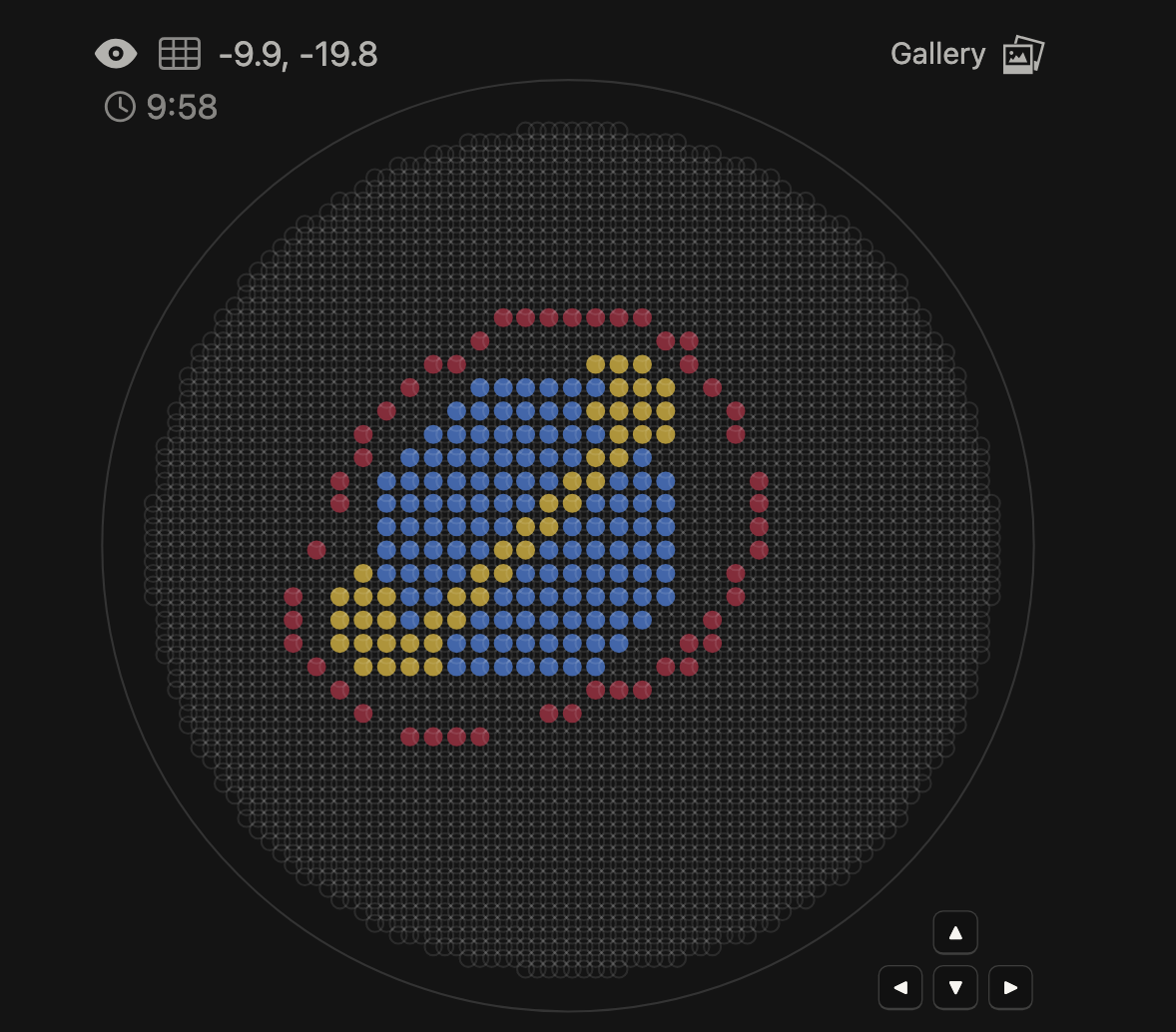
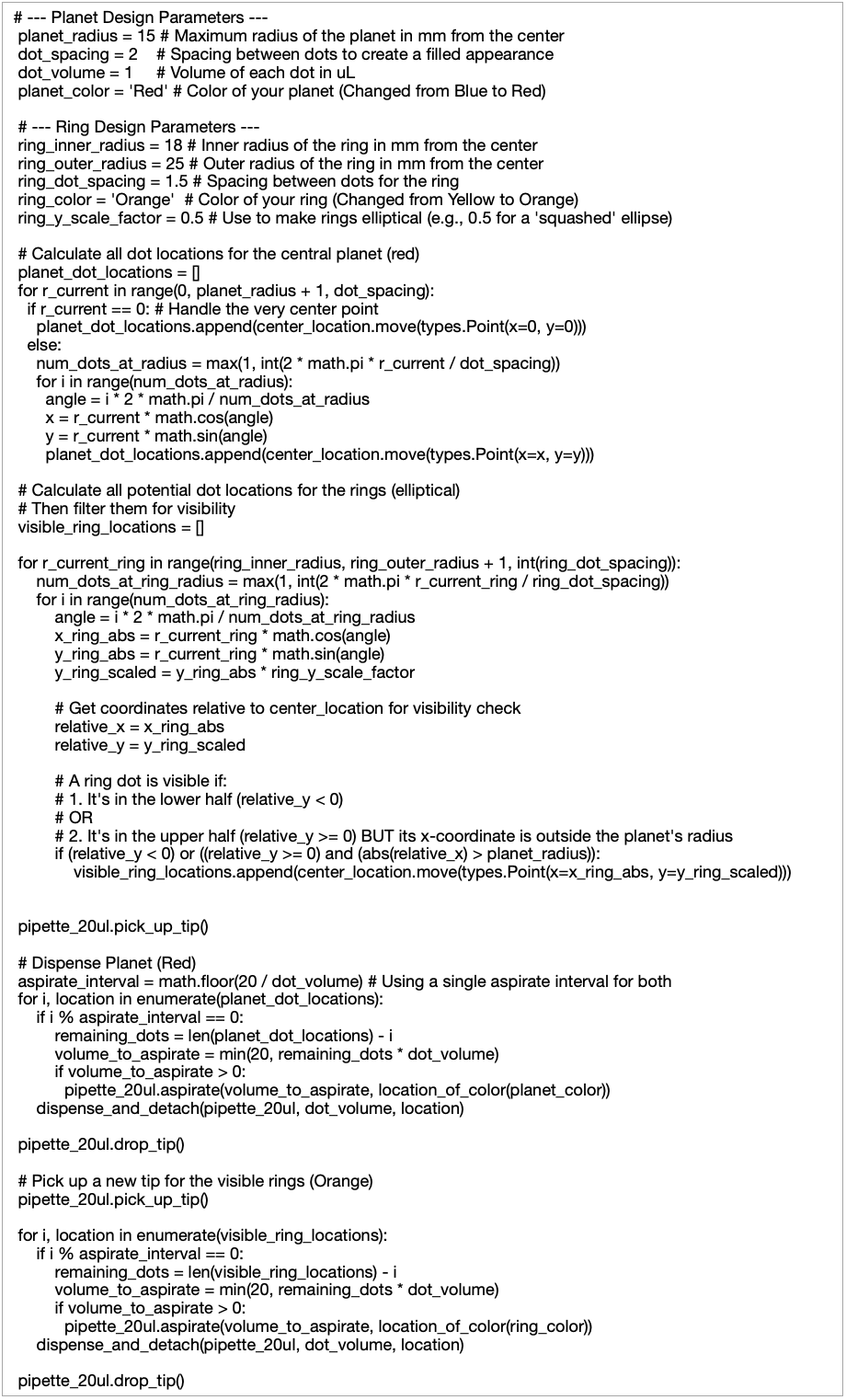
For this homework I used gemini AI within colab to understand how the process worked as well as to achieve the design I had done in the Donovan simulation website. Once I was using colab, the design changed a lot since I could instruct my design better, but I also realized that making a planet desing was much more challenging than I initially thought. While doing this code I ran into some errors due cross contamination, which gemini helped me in localizing where the code did not indicate the robot to drop the tip, it was very helpful.
Idea at the simulation:
Python Script for Opentrons Artwork
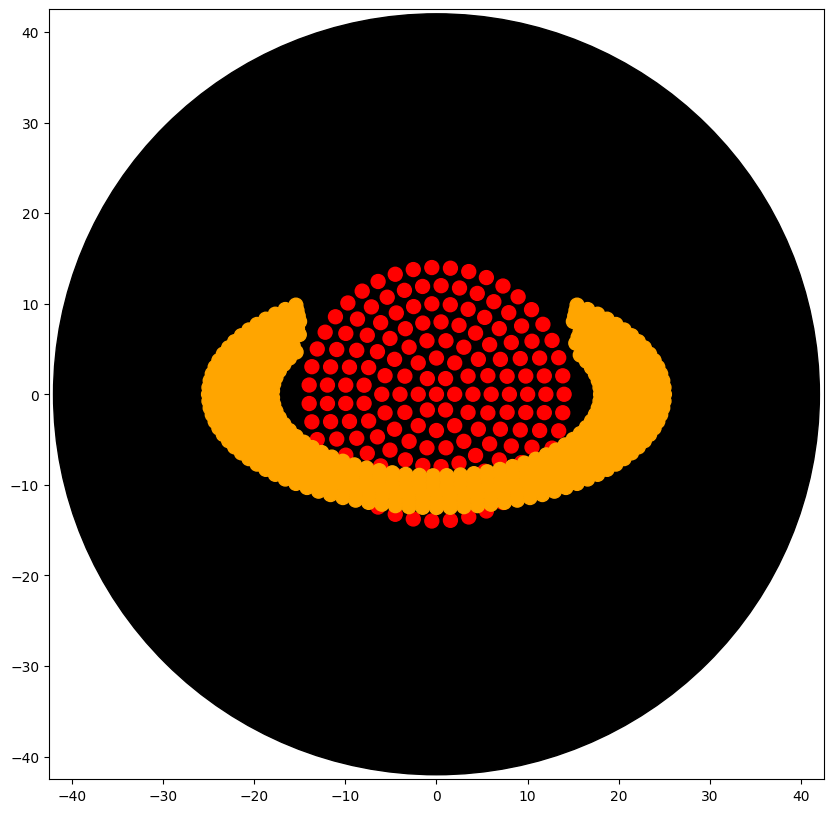
Post lab questions
- Find and describe a paper:
John A Bryant, Mason Kellinger, Cameron Longmire, Ryan Miller, R Clay Wright, AssemblyTron: flexible automation of DNA assembly with Opentrons OT-2 lab robots, Synthetic Biology, Volume 8, Issue 1, 2023, ysac032, https://doi.org/10.1093/synbio/ysac032
This paper introduces AssemblyTron, a software system that helps automate DNA assembly using Opentrons OT-2 to improve the speed, accuracy, and accessibility of synthetic biology workflows. In synthetic biology, building DNA constructs is usually done by hand, which can be slow and prone to mistakes. This paper states that AssemblyTron solves this by taking DNA designs created on a computer and turning them into step-by-step instructions that a robot can follow to perform tasks like PCR, fragment mixing, and plasmid assembly. The authors demonstrate that this system can successfully assemble multi-fragment plasmids, perform site-directed mutagenesis, and achieve transformation efficiencies comparable to manual methods while reducing training time, human error, and costs. (I think that the application of opentrons in research will allow biotechnology and personalized medicine to advance exponentially)
- Description of usage of automation tools in final project