Week 2 HW: DNA Read, Write, & Edit
3.1 Choose your protein
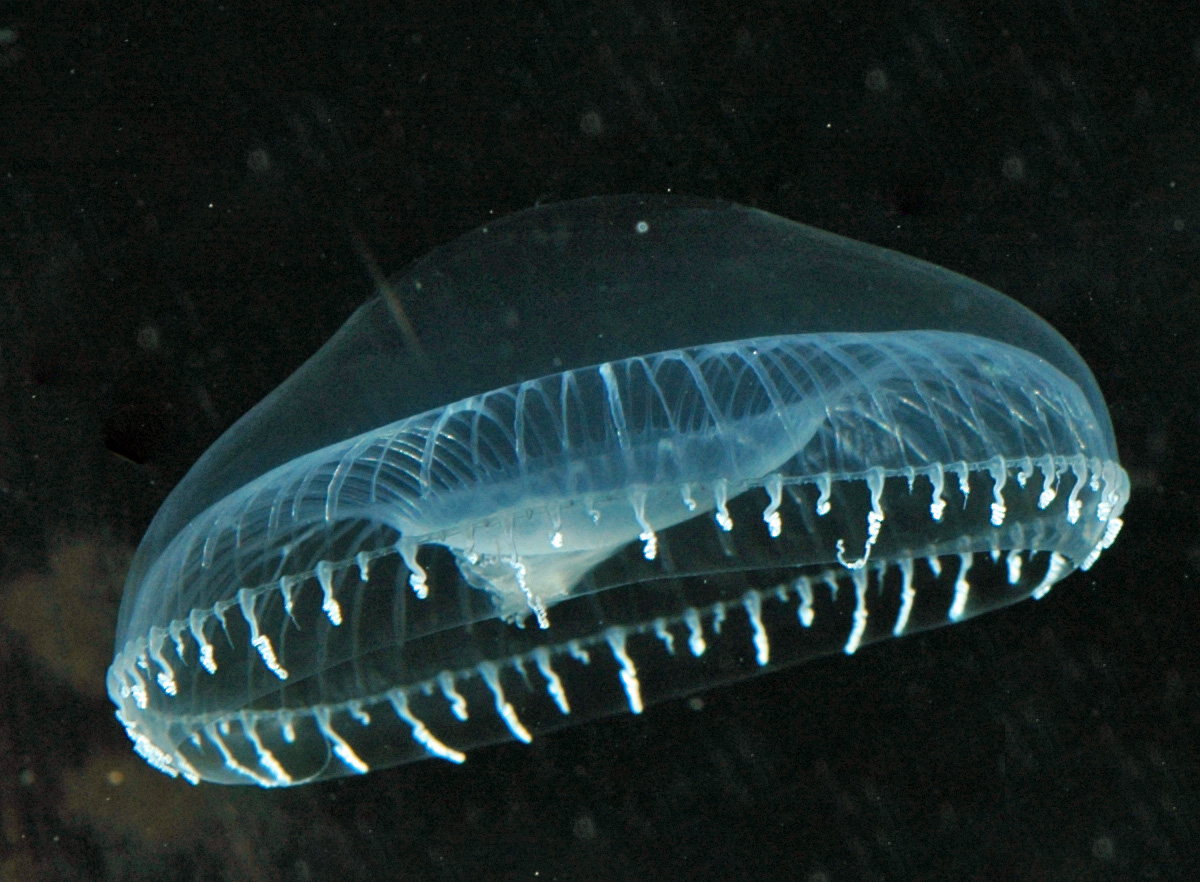
I chose Green Fluorescent Protein (GFP) from the jellyfish Aequorea victoria.
Reasons:
-Classic reporter protein in molecular biology and imaging
-Small, monomeric, and widely used as a fusion tag
sp|P42212|GFP_AEQVI Green fluorescent protein OS=Aequorea victoria OX=6100 GN=GFP PE=1 SV=1 MSKGEELFTGVVPILVELDGDVNGHKFSVSGEGEGDATYGKLTLKFICTTGKLPVPWPTL VTTFSYGVQCFSRYPDHMKQHDFFKSAMPEGYVQERTIFFKDDGNYKTRAEVKFEGDTLV NRIELKGIDFKEDGNILGHKLEYNYNSHNVYIMADKQKNGIKVNFKIRHNIEDGSVQLAD HYQQNTPIGDGPVLLPDNHYLSTQSALSKDPNEKRDHMVLLEFVTAAGITHGMDELYK
3.2 Reverse translate (protein → DNA)
reverse translation of sp|P42212|GFP_AEQVI Green fluorescent protein OS=Aequorea victoria OX=6100 GN=GFP PE=1 SV=1 to a 714 base sequence of most likely codons. atgagcaaaggcgaagaactgtttaccggcgtggtgccgattctggtggaactggatggc gatgtgaacggccataaatttagcgtgagcggcgaaggcgaaggcgatgcgacctatggc aaactgaccctgaaatttatttgcaccaccggcaaactgccggtgccgtggccgaccctg gtgaccacctttagctatggcgtgcagtgctttagccgctatccggatcatatgaaacag catgatttttttaaaagcgcgatgccggaaggctatgtgcaggaacgcaccatttttttt aaagatgatggcaactataaaacccgcgcggaagtgaaatttgaaggcgataccctggtg aaccgcattgaactgaaaggcattgattttaaagaagatggcaacattctgggccataaa ctggaatataactataacagccataacgtgtatattatggcggataaacagaaaaacggc attaaagtgaactttaaaattcgccataacattgaagatggcagcgtgcagctggcggat cattatcagcagaacaccccgattggcgatggcccggtgctgctgccggataaccattat ctgagcacccagagcgcgctgagcaaagatccgaacgaaaaacgcgatcatatggtgctg ctggaatttgtgaccgcggcgggcattacccatggcatggatgaactgtataaa
3.3 Organism chosen and why:
I optimized the sequence for Escherichia coli (e.g. K-12 lab strain).
E. coli is cheap, grows fast, and is a standard workhorse for expressing GFP. There are many well-characterized plasmids and promoters for high-level GFP expression in E. coli.
ATGAGCAAAGGCGAAGAACTGTTTACCGGCGTGGTGCCGATTCTGGTGGAACTGGATGGCGATGTGAATGGCCATAAATTTAGCGTGAGCGGCGAAGGTGAAGGCGATGCGACCTATGGCAAACTGACCCTGAAATTTATCTGCACCACCGGTAAACTGCCGGTGCCGTGGCCGACCCTGGTGACCACCTTCAGCTACGGCGTGCAGTGTTTTAGCCGCTACCCGGATCATATGAAACAGCATGATTTTTTTAAAAGCGCGATGCCGGAAGGCTATGTGCAGGAACGCACCATTTTTTTCAAAGATGATGGCAATTACAAAACCCGTGCCGAAGTGAAATTCGAAGGCGATACCCTGGTGAATCGCATTGAACTGAAAGGCATTGATTTTAAAGAAGATGGTAACATTCTGGGCCACAAACTGGAATACAACTATAACAGCCATAACGTGTACATTATGGCGGATAAACAGAAAAATGGCATTAAAGTGAACTTTAAAATTCGCCATAACATTGAAGATGGCTCAGTGCAGCTGGCGGATCACTATCAGCAGAACACCCCGATTGGCGATGGCCCGGTTCTGCTGCCGGATAACCACTATCTGAGCACCCAGAGCGCGCTGTCGAAAGATCCGAACGAAAAACGCGATCACATGGTGCTGCTGGAATTTGTGACCGCCGCGGGCATCACCCATGGTATGGATGAACTGTATAAA
3.4 You have a sequence! Now what?
There are two main ways to produce my GFP protein from this DNA: cell-dependent and cell-free expression.
Cell-dependent method (E. coli expression)
I can clone my codon-optimized GFP sequence into an expression plasmid under a strong promoter (for example a T7 or lac promoter) with a ribosome binding site and terminator. The plasmid is transformed into E. coli. Inside the cells, bacterial RNA polymerase transcribes the GFP gene into mRNA, and ribosomes translate this mRNA into the GFP polypeptide, reading it codon by codon. The peptide folds into the GFP β-barrel and forms its chromophore, so the cells become fluorescent under blue/UV light. This is a classic, cell-dependent way to produce GFP.
Cell-free method (in vitro transcription–translation)
Alternatively, I can add the same GFP DNA template to a cell-free transcription–translation system made from E. coli lysate. The lysate contains RNA polymerase, ribosomes, tRNAs, amino acids, NTPs, and energy regeneration components. In the tube, the DNA is transcribed into mRNA and then translated into GFP, again following the central dogma (DNA → RNA → protein), but without living cells. After incubation, the reaction mixture will glow green if GFP is correctly produced and folded.