Week 7 Lab: Neuromorphic Circuits
Genetic Circuits II: Intracellular Artificial Neural Networks (IANNs)
Overview | Objective
In this two-day lab, you will design and build your very own Intracellular Artificial Neural Network (IANN) using a library of plasmids from the Ron Weiss lab and human embryonic kidney (HEK) 293 cells.
Unlike traditional digital genetic circuits, IANNs perform analog computations and act as universal function approximators. Given an adequate number of intracellular artificial neurons (Sequestrons), you can use an IANN to achieve complex, non-linear input/output behaviors.
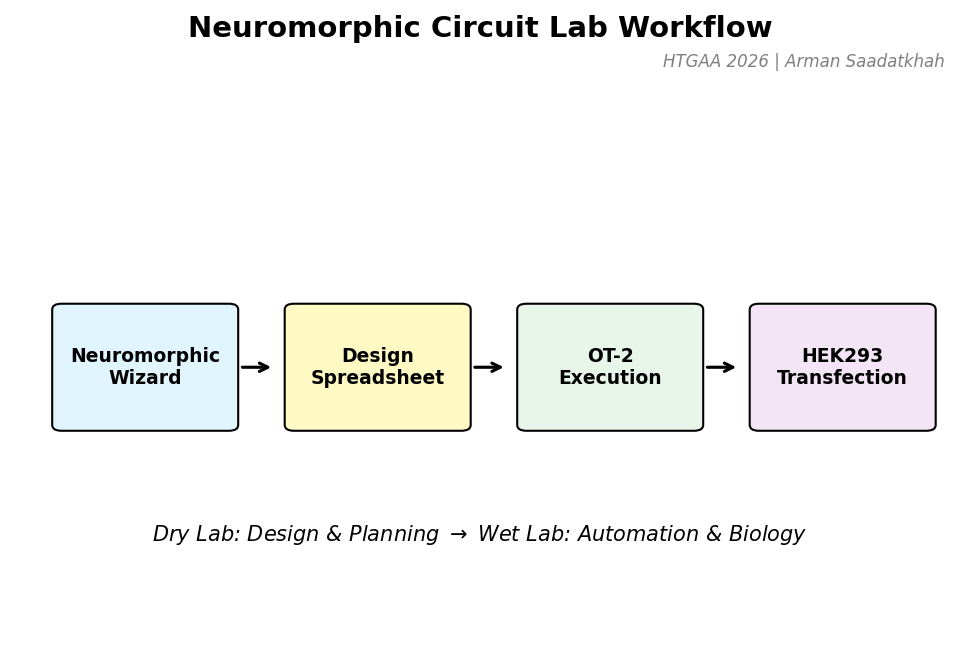 Fig 1. Laboratory workflow from computational design to automated execution and biological transfection.
Pre-Lab | Concepts
(1) CRISPR Endoribonucleases (Csy4)
Csy4 is a specialized CRISPR endoribonuclease that recognizes specific RNA hairpin sequences. In our circuit, Csy4 acts as the “neuron” that processes information by cleaving and destabilizing target mRNA (like eBFP), effectively performing analog subtraction or thresholding.
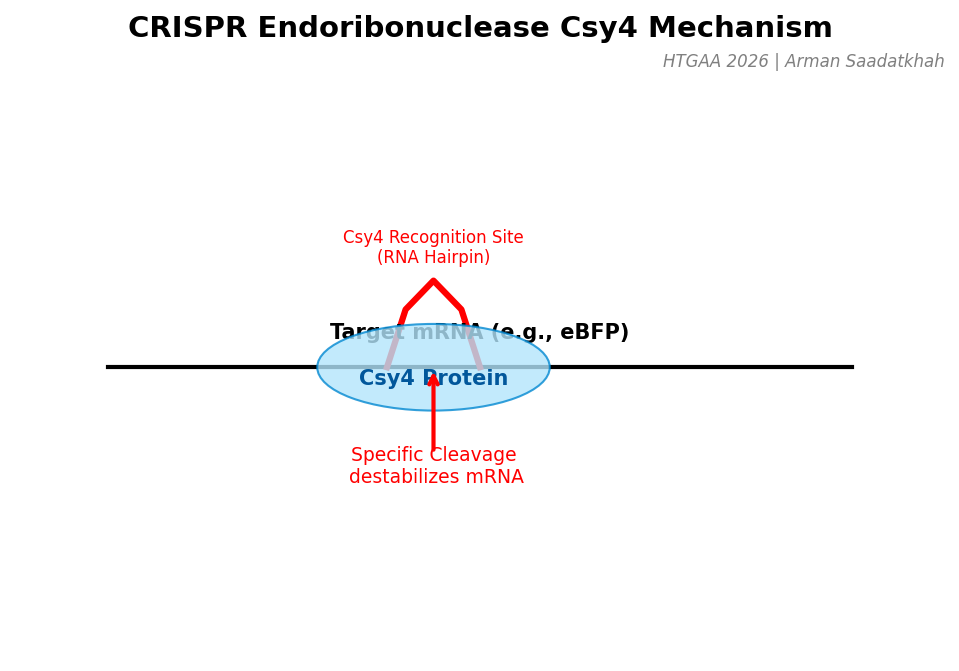 Fig 2. Schematic of Csy4 recognizing and cleaving a target mRNA recognition site.
(2) The Sequestron
The Sequestron is the fundamental building block of neuromorphic genetic circuits. It works by “sequestering” or binding an activator (target) with an inhibitor (sequestron), creating a sharp, programmable analog response curve analogous to the activation functions in digital neural networks.
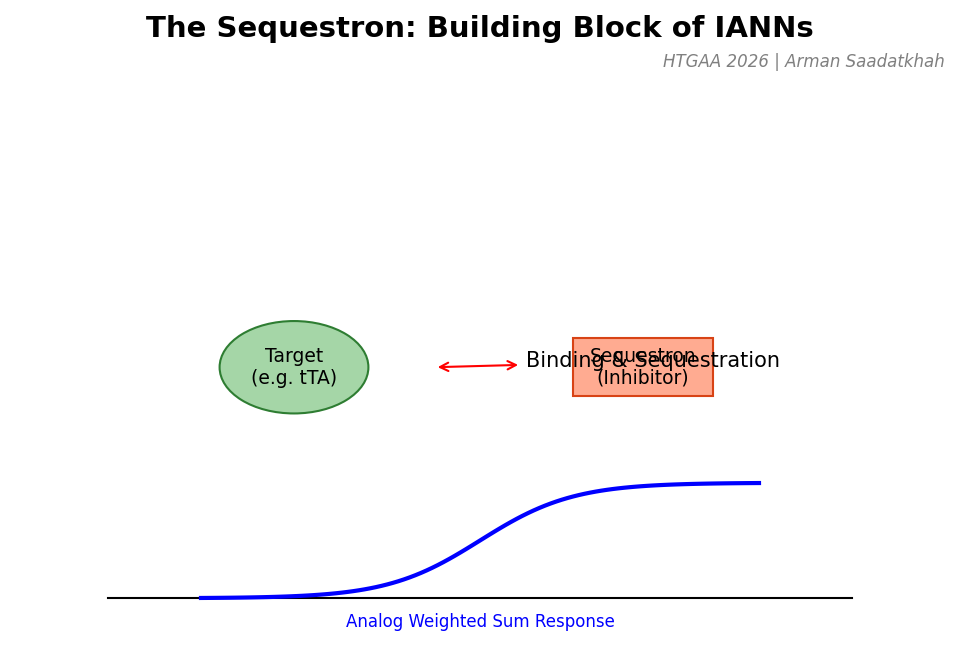 Fig 3. The Sequestron mechanism and its resulting analog weighted sum response.
(3) Transfection with Lipofectamine 3000
To get our DNA designs into human HEK293 cells, we use Lipofectamine 3000. This reagent encapsulates plasmid DNA into lipid-based complexes (lipoplexes) that can easily enter cells via endocytosis.
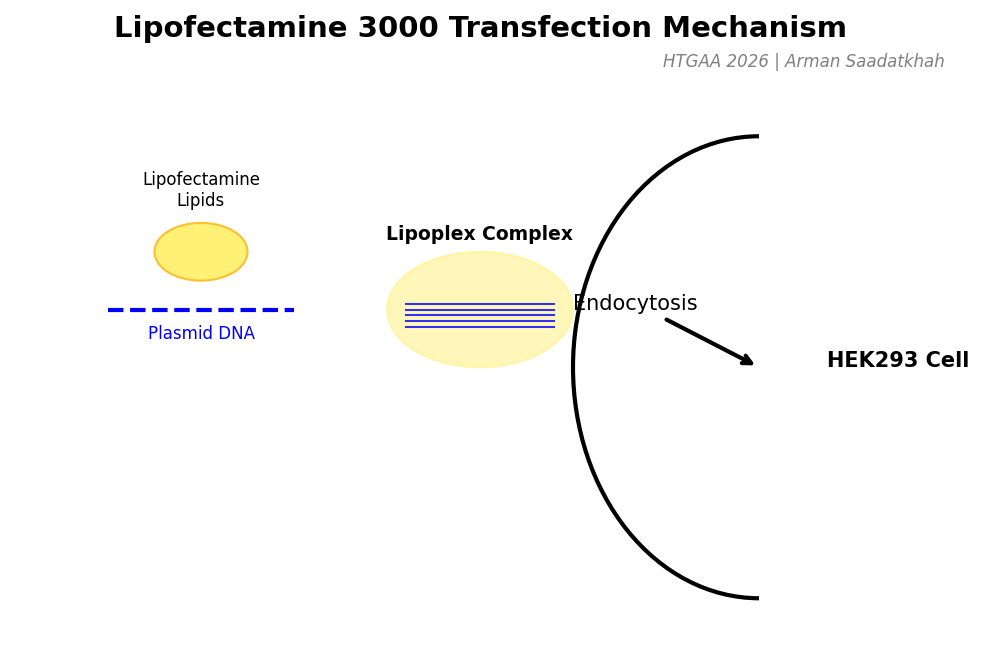 Fig 4. Molecular mechanism of DNA-lipid complex formation and cellular entry.
Dry Lab | Neuromorphic Wizard & Design
The Neuromorphic Wizard software is used to predict the behavior of your IANN designs. By inputting different concentrations of Sequestrons and target plasmids, the wizard provides a simulation of the expected fluorescence output.
Multilayer IANN Design
For this lab, we developed a multilayer perceptron where multiple DNA inputs converge on a set of hidden layer neurons (endoribonucleases), which then regulate the final output protein level.
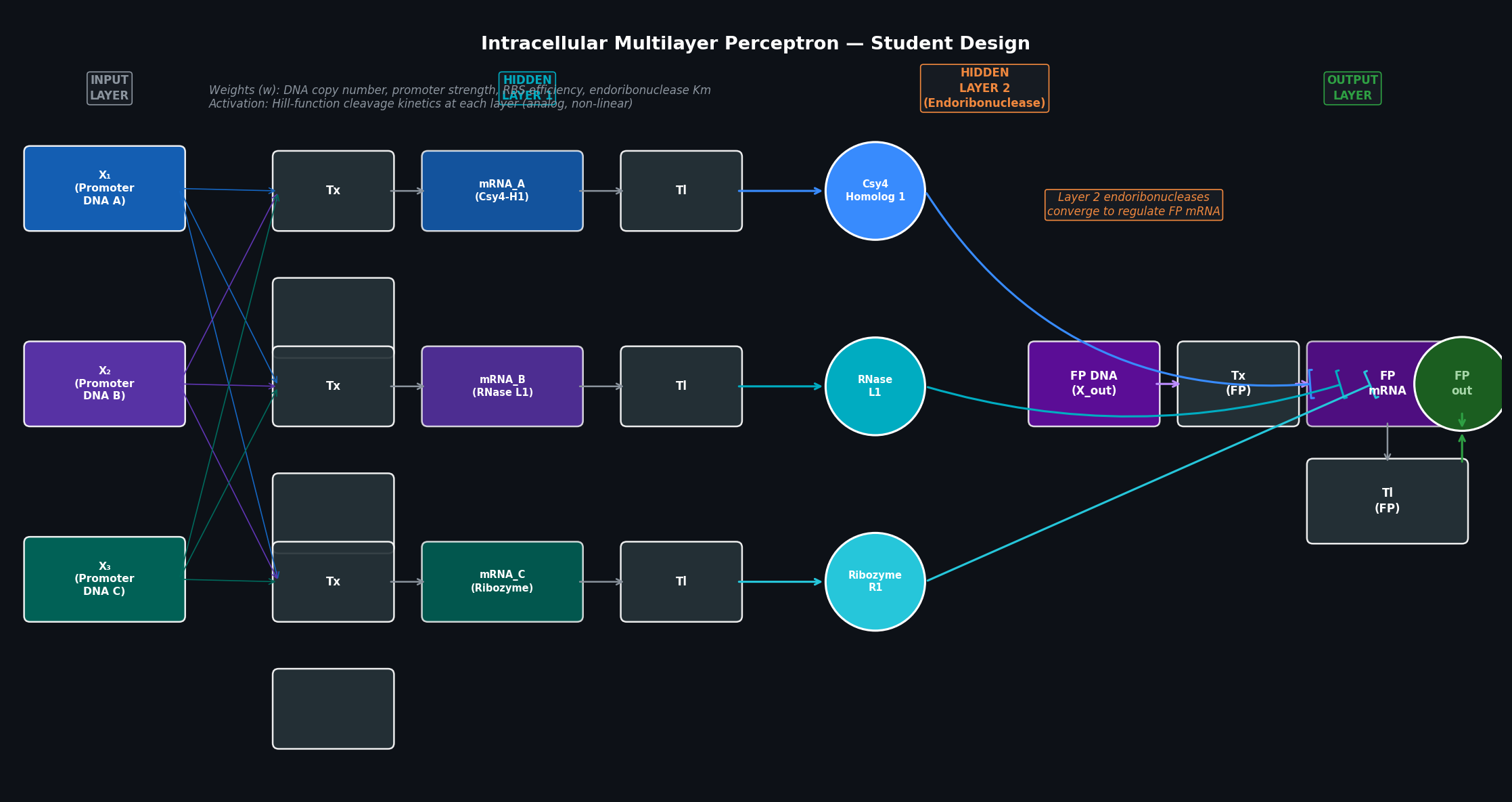 Fig 5. Multilayer intracellular perceptron design featuring hidden layers for complex signal processing.
Wet Lab | OT-2 Execution
The design is finalized in a Genetic Circuit Design Template (spreadsheet) and executed by an Opentrons OT-2. The robot handles the precise mixing of the plasmid library and the transfection reagents before adding them to the HEK293 cell culture.
Key Parameters:
- Concentration: 50 ng/μL
- Total DNA: Maximum 650 ng per circuit.
- Cell Type: HEK293 (Human Embryonic Kidney)
Results | Observation
Following transfection, the cells are incubated and observed for fluorescent protein expression. The graded intensity of the fluorescence across different wells validates the analog computational capability of the IANN.
HTGAA 2026 | Arman Saadatkhah | Reference: Ron Weiss Lab, MIT