I work at Swerim, a research institute for metal and minerals in Sweden. I have a master’s degree in tribology, and I’ve also done the How To Make (Almost) Anything course.
I am very new to biology, so this is my starting point. I will explore the topics in the coming classes and develop better ideas as I learn.
Key questions
This idea sits between materials and design: a living building material that captures CO₂ and becomes visible public art/infrastructure.
What do you want to make?
Materials that store CO₂ from the air: calcium carbonate inside bricks, pavers and benches, or biochar from harvested algae. These would become part of public spaces.
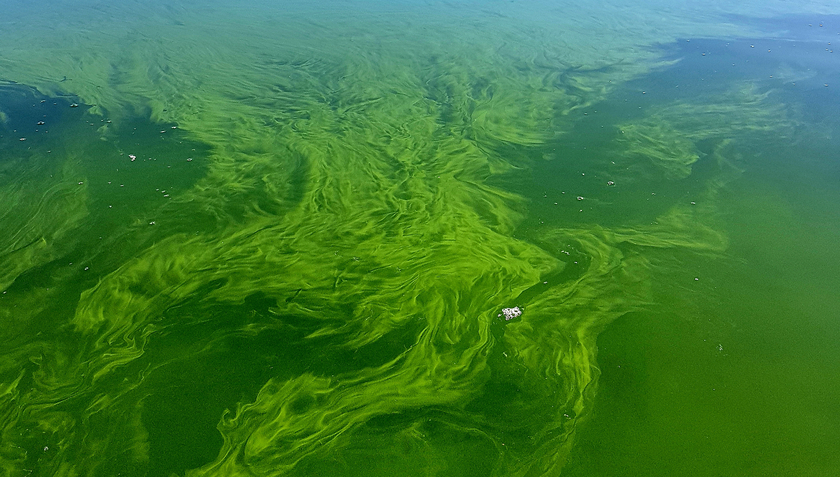
What living system could make it?Cyanobacteria (e.g. Synechococcus), tiny bacteria that do photosynthesis. They take CO₂ from the air and, when calcium is present, turn it into calcium carbonate. For the biochar route, microalgae or cyanobacteria are grown, harvested and heated without oxygen.
How could automation help you make it?
Remote robots: test many cyanobacteria strains and growth conditions in parallel
Liquid-handling robot: mix bacteria, calcium and nutrients in exact amounts for small test bricks
Sensors (light, pH, CO₂) in the final installation to keep the bacteria alive and measure the CO₂ stored
3D printing of “living bricks” with bacteria inside
What would it take to make it at a meaningful scale?
Thousands of bricks or panels, because one wall captures only a little CO₂
A cheap, local calcium source
Bacteria that survive outdoors in cold climates
Low-cost production that competes with normal building materials
A clear way to measure and prove the stored CO₂ (for carbon credits)
Approval to use bacteria in public spaces, and a plan for who maintains them
Safety & ethics (first thoughts)
Bacteria in public places: they must be safe and non-harmful
Should engineered (GMO) bacteria be allowed outside a lab?
Who owns and maintains the infrastructure?
How do we measure and prove how much CO₂ is really stored?