Andrea Abbatangelo — HTBAA Fall 2026
About me
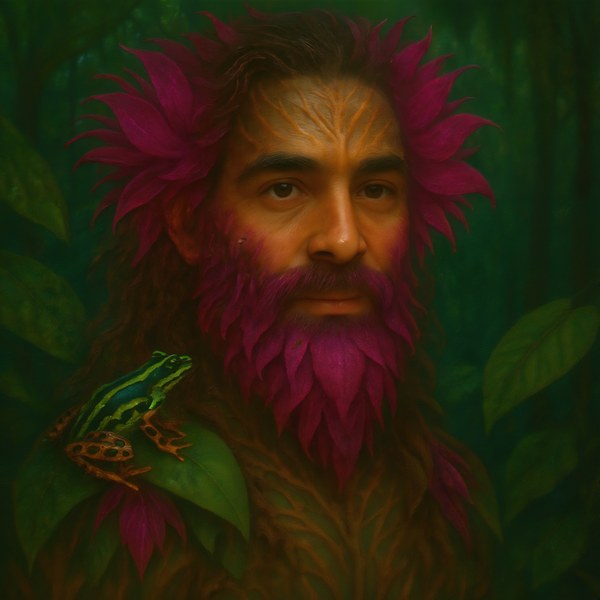 I am a Mediterranean-British artist based in London. For over a decade my work has grown out of long participatory processes in public space, built with local communities, researchers and institutions around questions of collective memory and environmental responsibility.
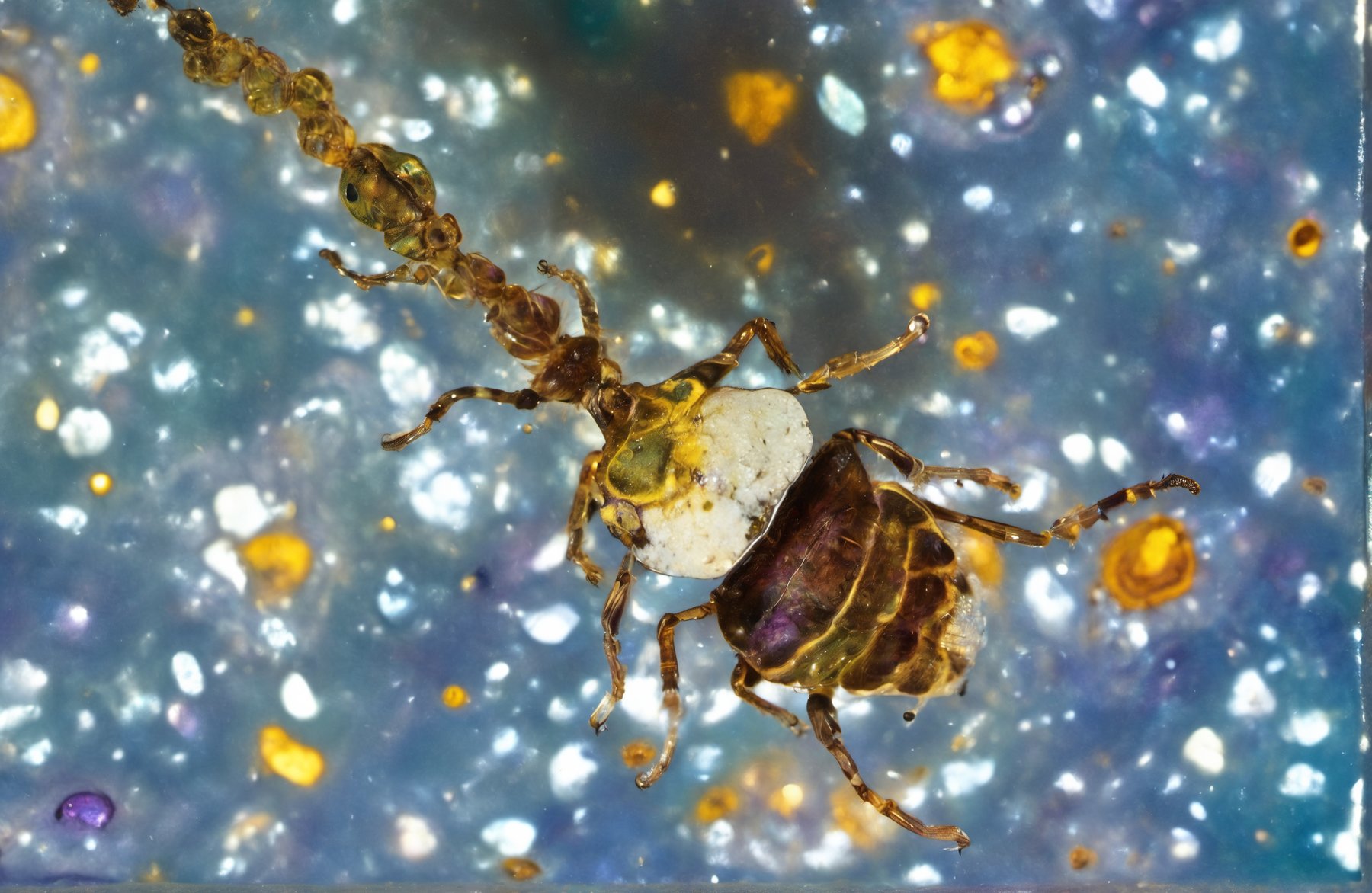
Pollinators entered the work during my MA Fine Art: Digital at Central Saint Martins (2021–2023). This became “New Observations on the History of Bees”, followed by “Inkblot for Bees”, developed through my 2023 residency at Atelierhaus LEW1 in Darmstadt, which gave me access to the bio-chemistry department at TU Darmstadt. I studied how pesticides affect the perception and memory of wild bees, and presented that research in the solo exhibition A.A.LLES. I have since built an archive of antique microscope slides holding specimens from before modern pesticides existed, and I compare them with contemporary samples. I then transferred those notions into a series of drypoint works.
Between 2025 and 2026 I produced BeeVision, a generative moving-image digital work first developed in the Alias x Serpentine Future Art Ecosystems programme and premiered on a four-by-three-metre LED wall at AP Space Gallery, New York.
The same Alias programme produced the BioViscous Mask, a series of speculative semi-living materials imagined as protective barriers for bees against pesticide exposure. An image from the series introduced the Alias and Serpentine collaboration across Serpentine’s channels. I talk through both projects in this interview with Alias Studio.
I join HTBAA as a Committed Listener because after years of observing living systems through a lens, I want to work with them directly.
Final project: A Living Inkblot for Bees
The course project extends my earlier Inkblot for Bees work. Here the mark-making surface itself is alive. The target is an engineered flowering plant whose bilateral form and ultraviolet pattern come from the drypoints, with a contained bacterial-cellulose object serving as the test platform along the way. The full proposal is on my Week 1 homework page.
Contact info
Homework, Labs, and Projects
The nav bar on the left holds my work for How To Biomanufacture (Almost) Anything, Fall 2026, week by week.