Celia Schaefers — HTBAA Fall 2026
About me
Contact info
Homework, Labs, and Projects
See the nav bar on the left to look through my work for How To Biomanufacture Almost Anything (Fall 2026)!
See the nav bar on the left to look through my work for How To Biomanufacture Almost Anything (Fall 2026)!
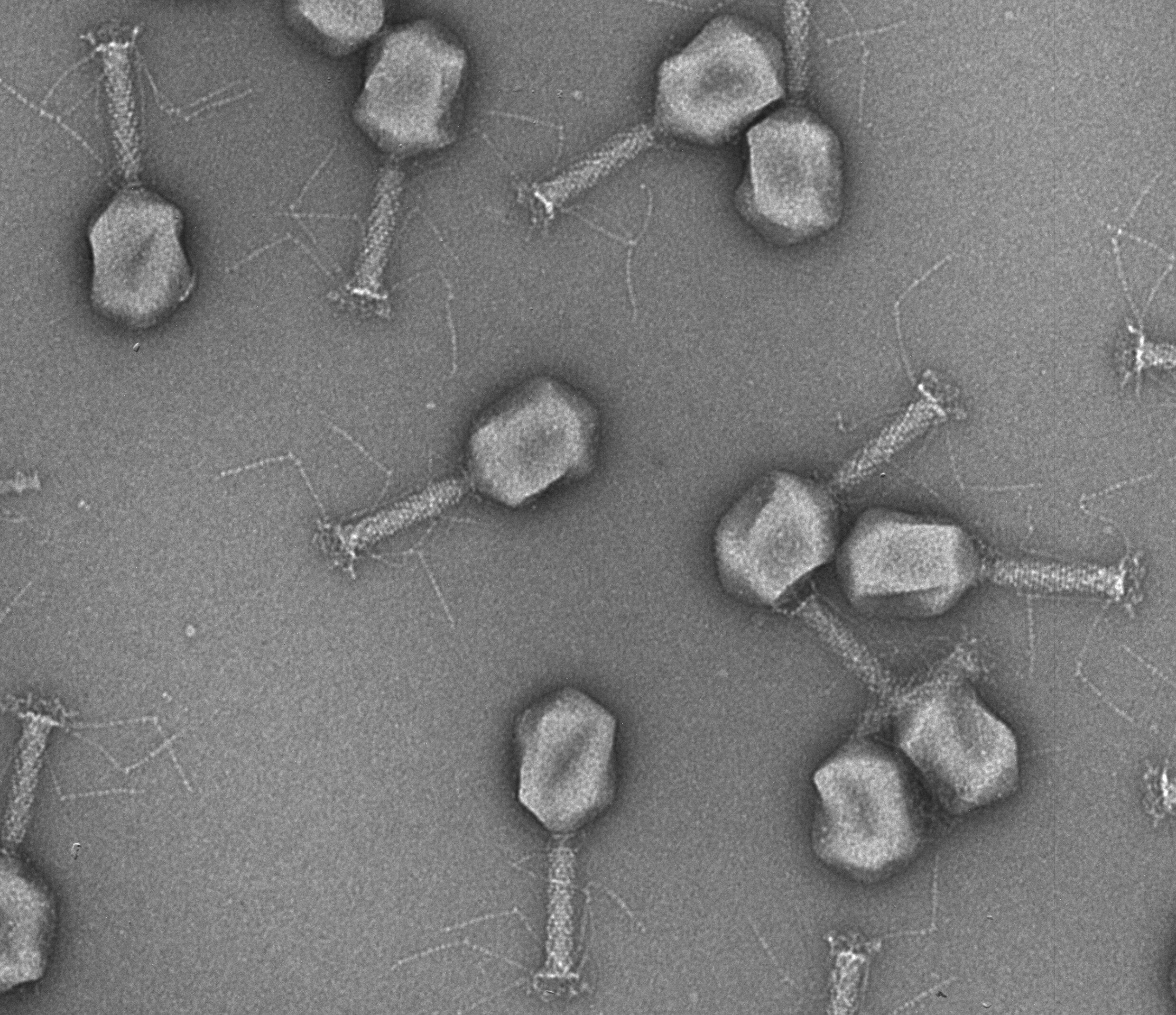
Personalized phage cocktails for antibiotic resistant bacterial infections. This would involve storing a library of pre-characterized phage, with cocktails assembled on demand from that library and tested against the relevant bacteria. Bacteriophage are viruses that infect bacteria. They have potential as an alternative to antibiotics with bacteria infections, and are currently being used in compassionate care cases. Phage cocktails are combinations of different phage that more effectively target the bacteria.
Growing the phage with a bacterial host is likely much easier than cell free systems, but introduces possible problems with safety and regulation of the pathogenic bacteria. A possible alternative is engineered non-pathogenic hosts, or using less dangerous bacteria with important characteristics in common (not always possible).
Possible automation includes:
Scaling out to many small, patient-specific batches on a fast turnaround would require modular, standardized manufacturing units close to hospitals. It is hard to determine exact numbers as the scaling would take place over time and likely be hospital and location specific in some ways.