Luz Mariana Perez Resendiz — HTBAA Fall 2026
Luz Mariana Pérez Reséndiz
Welcome to my HTBAA page!
About me
Hello! I am Luz, a Nanotechnology Engineering student at UAQ.
This is my dog:
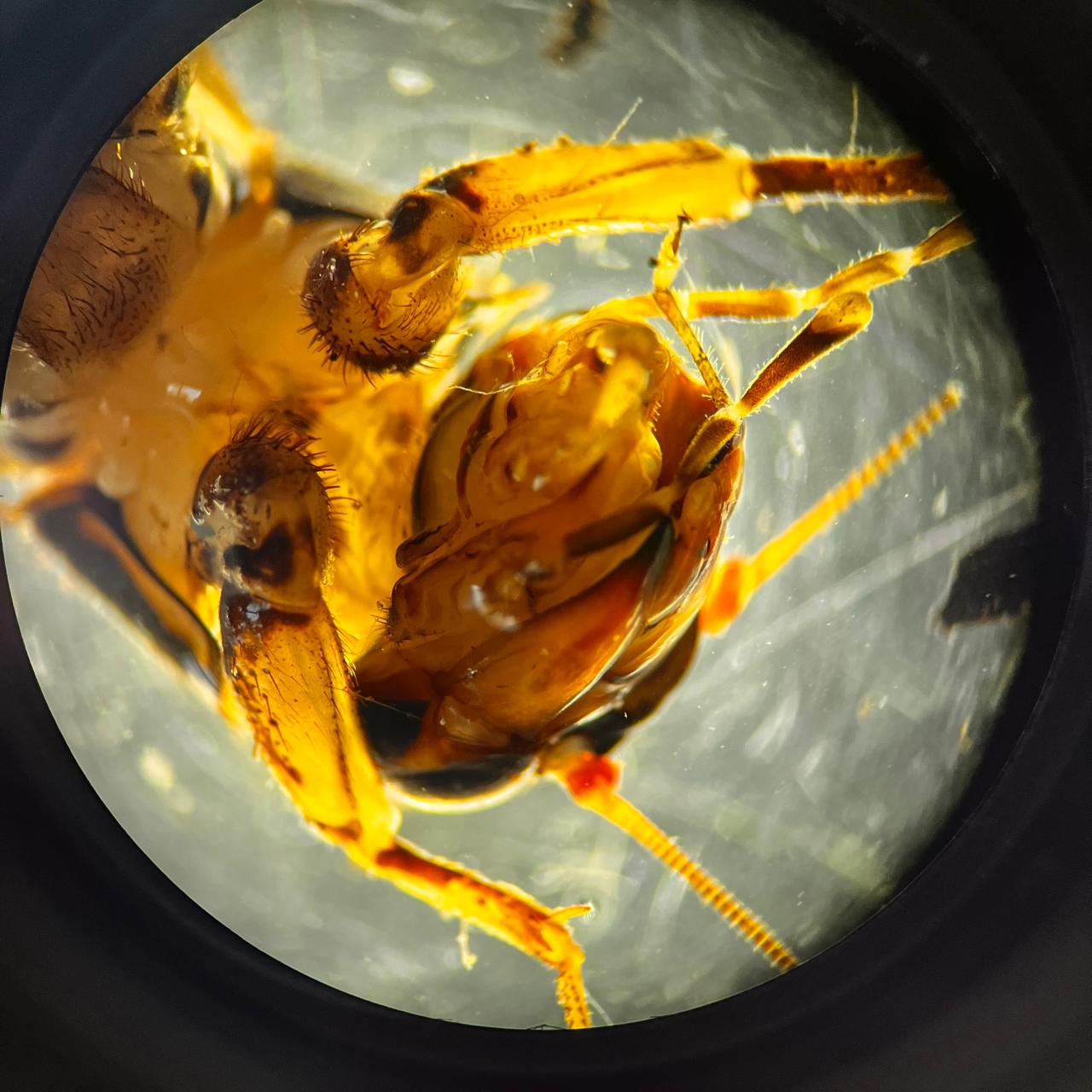
This is my favorite in-lab picture:
Welcome to my HTBAA page!
Hello! I am Luz, a Nanotechnology Engineering student at UAQ.
This is my dog:
This is my favorite in-lab picture:
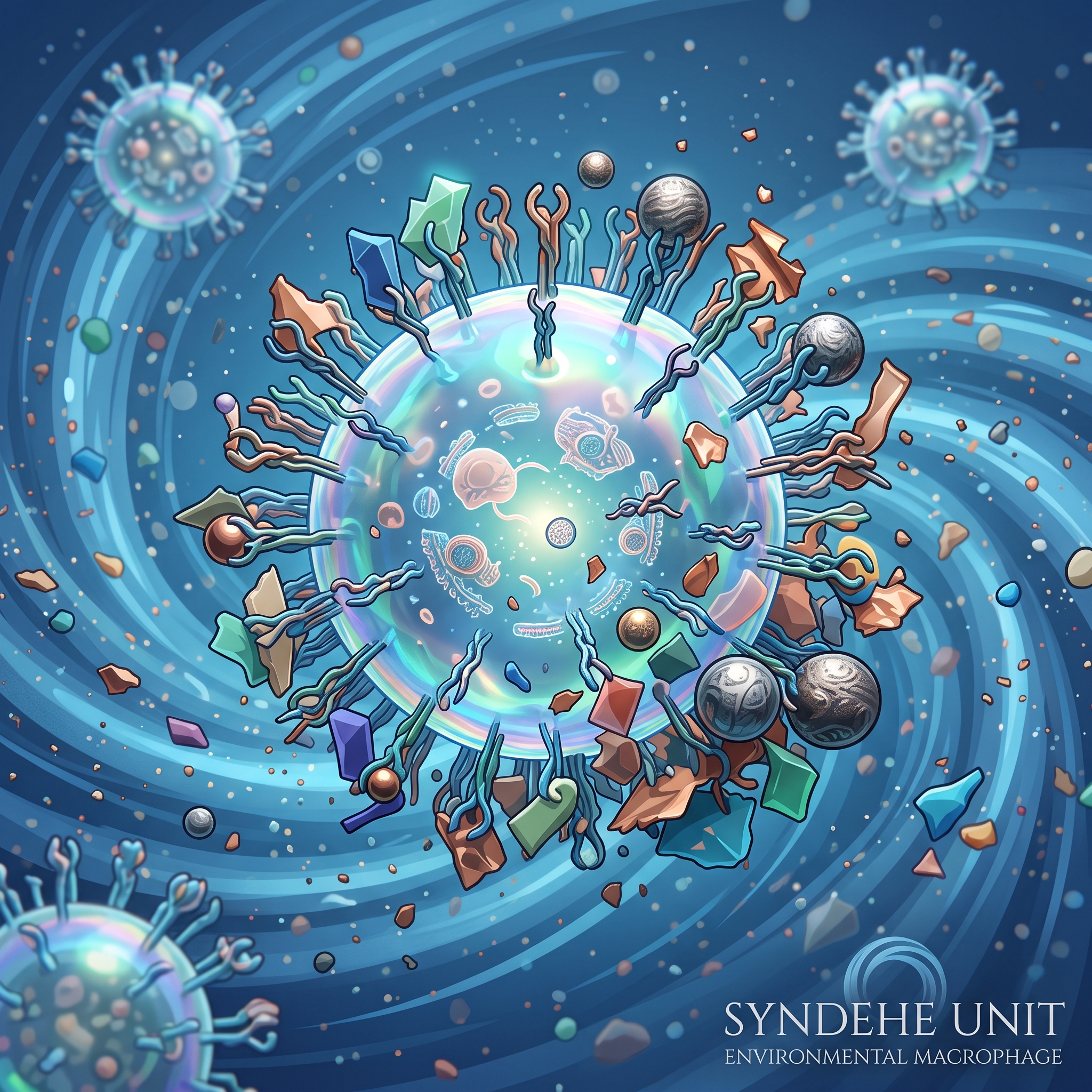
1. What do you want to make? I want to biomanufacture a SynDehe Unit: a cell-free synthetic vesicle designed to act as an environmental “macrophage” that detects, agglutinates, and precipitates targeted micropollutants from municipal water. Each unit combines a robust lipid bilayer vesicle (the structural chassis) loaded with a cell-free expression system (CFES) that synthesizes and displays engineered surface receptors (e.g., camelid nanobodies or metallothioneins).
Why? Providing safe drinking water requires advanced systems that can handle emerging microscopic threats (nanoplastics, heavy metals) that evade standard physical screens. By acting as a programmable “molecular Velcro” for pollutants, SynDehe units provide the specificity of a biological immune response without the ecological and regulatory risks of releasing live genetically modified organisms (GMOs) into the environment.
My short-term goal is a research-grade toolkit of functionalized vesicles for targeted heavy metal capture. My long-term motivation is to transition environmental remediation from blunt chemical coagulants to programmable synthetic biological infrastructure.
2. What living system could make it? Primary chassis: A semi-living system: Cell-Free Expression Systems (CFES) derived from E. coli or wheat germ, encapsulated within giant unilamellar vesicles (GUVs). Input: DNA templates coding for target-specific receptors, amino acids, energy (ATP), and a structurally robust lipid mixture. Biological process: Transcription → translation → protein folding → anchoring of receptors to the vesicle’s outer membrane. Output: Programmable, non-replicating synthetic cells capable of specific environmental binding.
Alternative / complementary systems: Microbial (Pichia pastoris or E. coli) for the bulk fermentation and high-yield production of the internal CFES machinery and DNA templates prior to encapsulation. Assumption: The lipid boundary will protect the transcription machinery from the harsh water environment just long enough to express the surface receptors before they neutralize the threat.
3. How could automation help you make it? Automation is required to transition this from a batch lab experiment to continuous municipal infrastructure, specifically at three stages:
Why automation? The design space (Receptor variant × Lipid formulation × Environmental pH/flow) is highly combinatorial. Furthermore, treating millions of liters of water requires massive manufacturing parallelization that is impossible without automated, continuous-flow microfluidics.
4. What would it take to make it at a meaningful scale? (a) How much? Meaningful scale = treating a mid-sized municipal flow of 10 million liters (10,000 m³) of water per day.
(b) How long?
5. What don’t you know yet? (biggest unknowns)
Assisted by Gemini. Prompt: “Help me frame my ideas on synthetic environmental macrophages targeting heavy metals as a biomanufacturing project answering the four HTBAA questions: what to make, living system, automation, and scale.” from there i made my own analysis and asked for help with the code structure, finally i asked for an image of my idea.