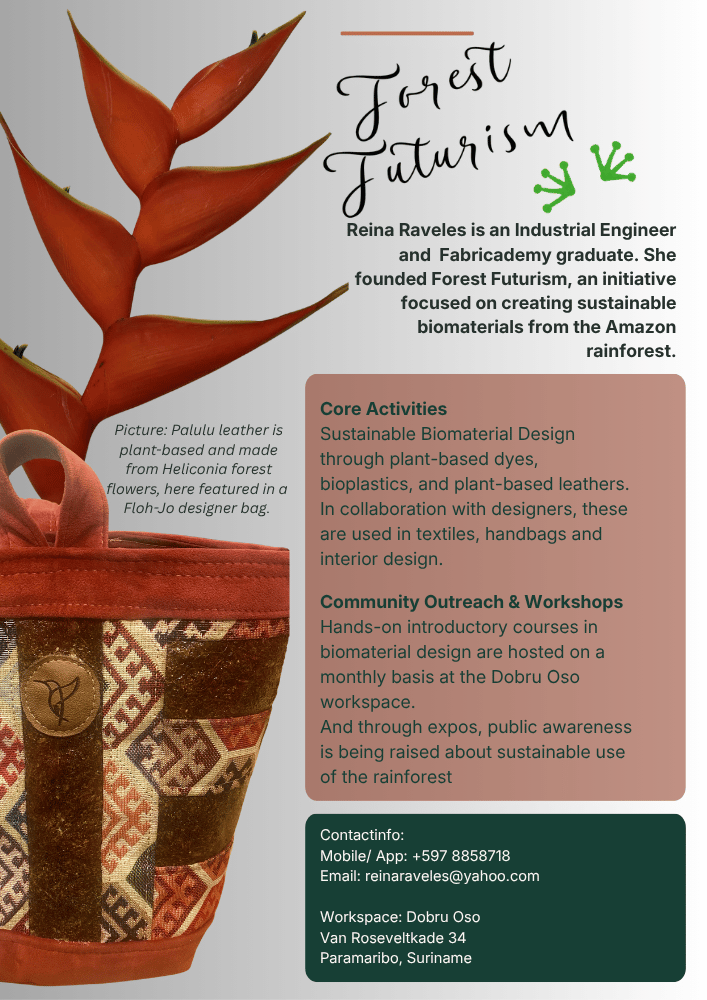
Fabricademy 2023 jump started my new found passion to create sustainable plant-based biomaterials from the Amazon Rainforest. It’s been a fun and interesting journey ever since. Apart from my quest for knowledge, I founded Forest Futurism to share knowledge in Suriname through workshops, networking and to collaborate with others in applying the materials to almost anything we need: bags, shoes, clothes, home decor etc.
See the nav bar on the left to look through my work for How To
Biomanufacture Almost Anything (Fall 2026)!
Subsections of <Reina Raveles> — HTBAA Fall 2026
Week 1 HW: Final Project Ideas
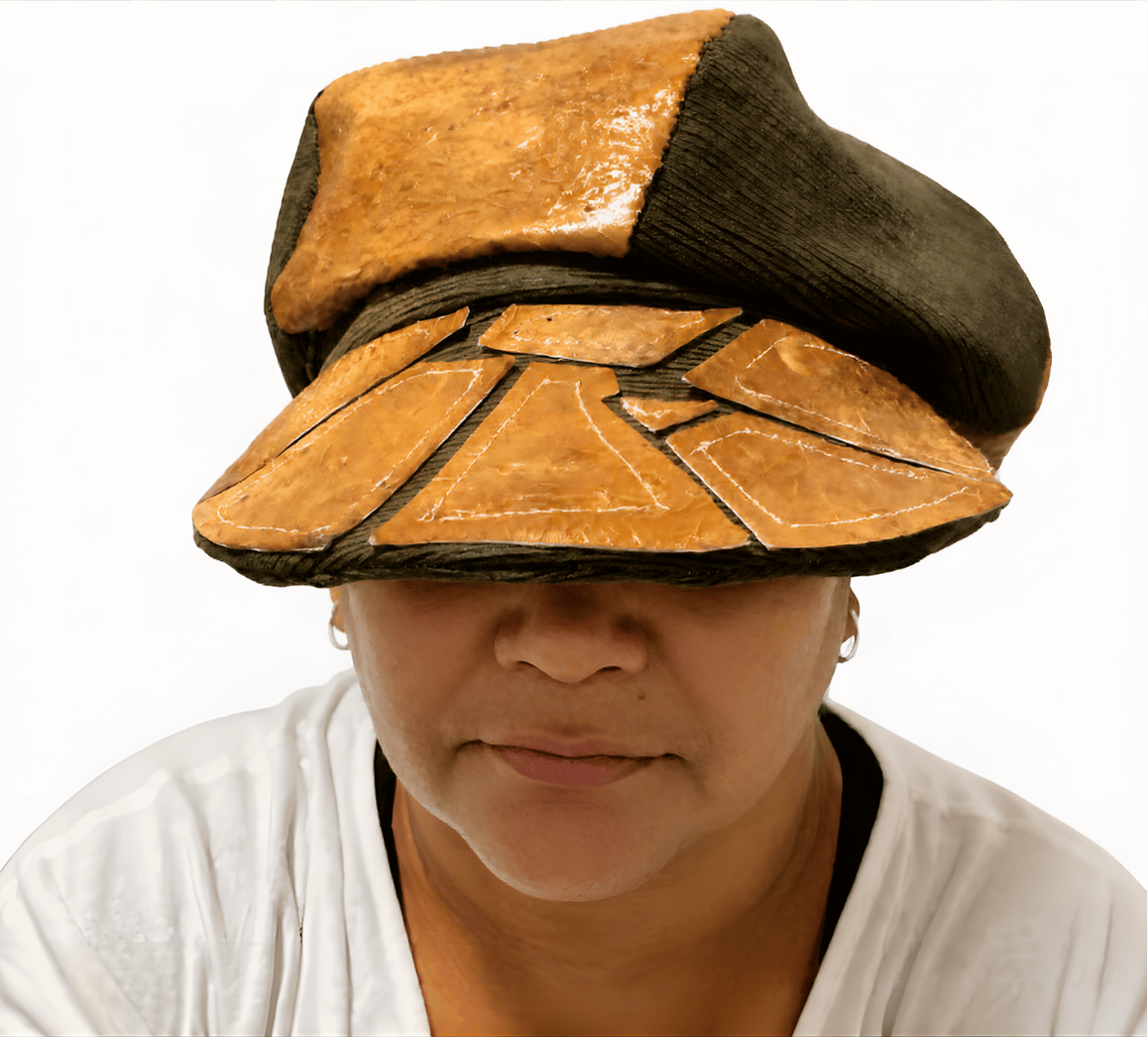
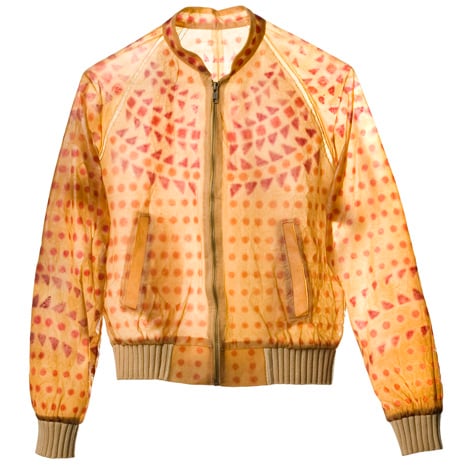
So the project idea is to create a durable, aestetic and usable pink cellulose leather from scoby of the Pink Torch Ginger (Etlingera elatior).
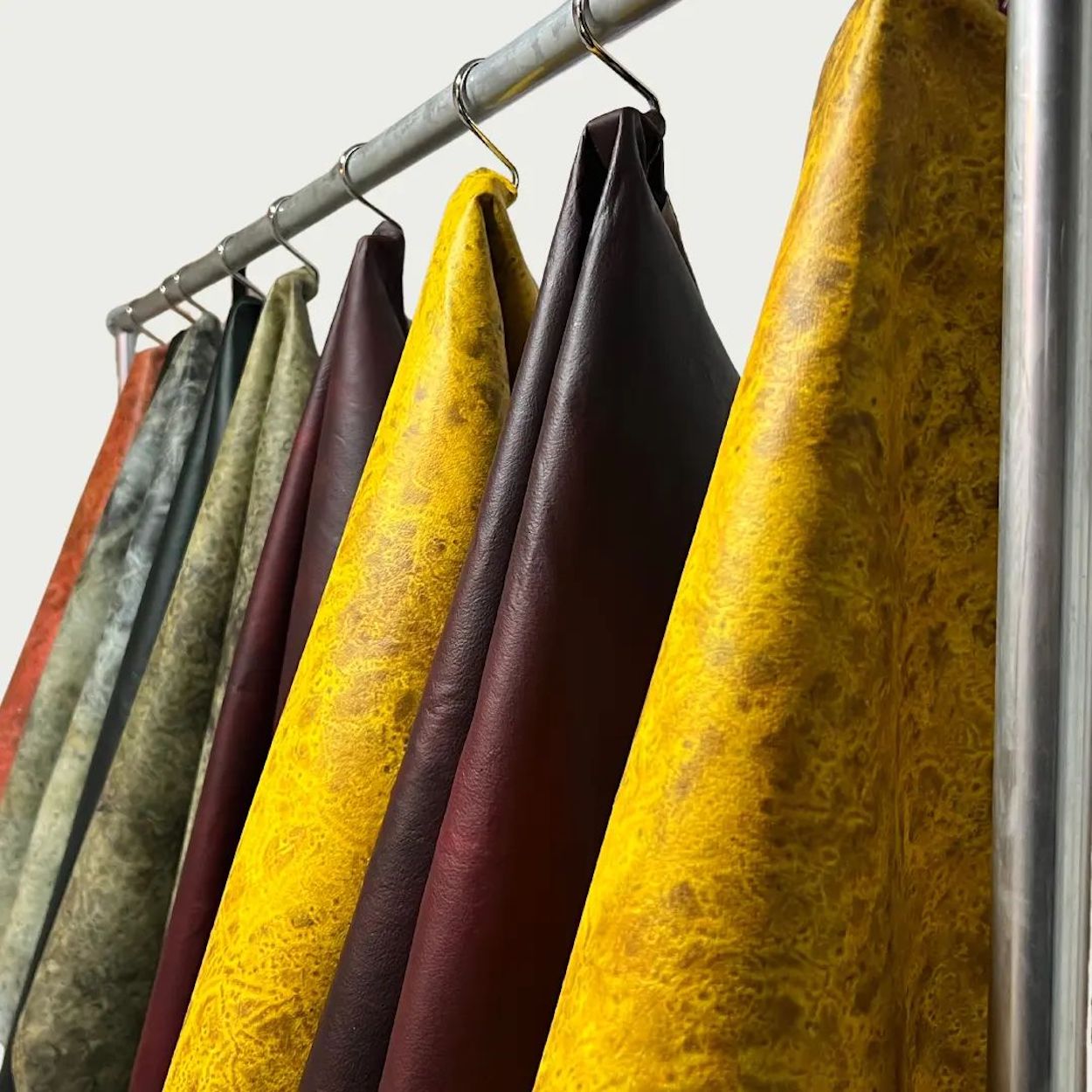
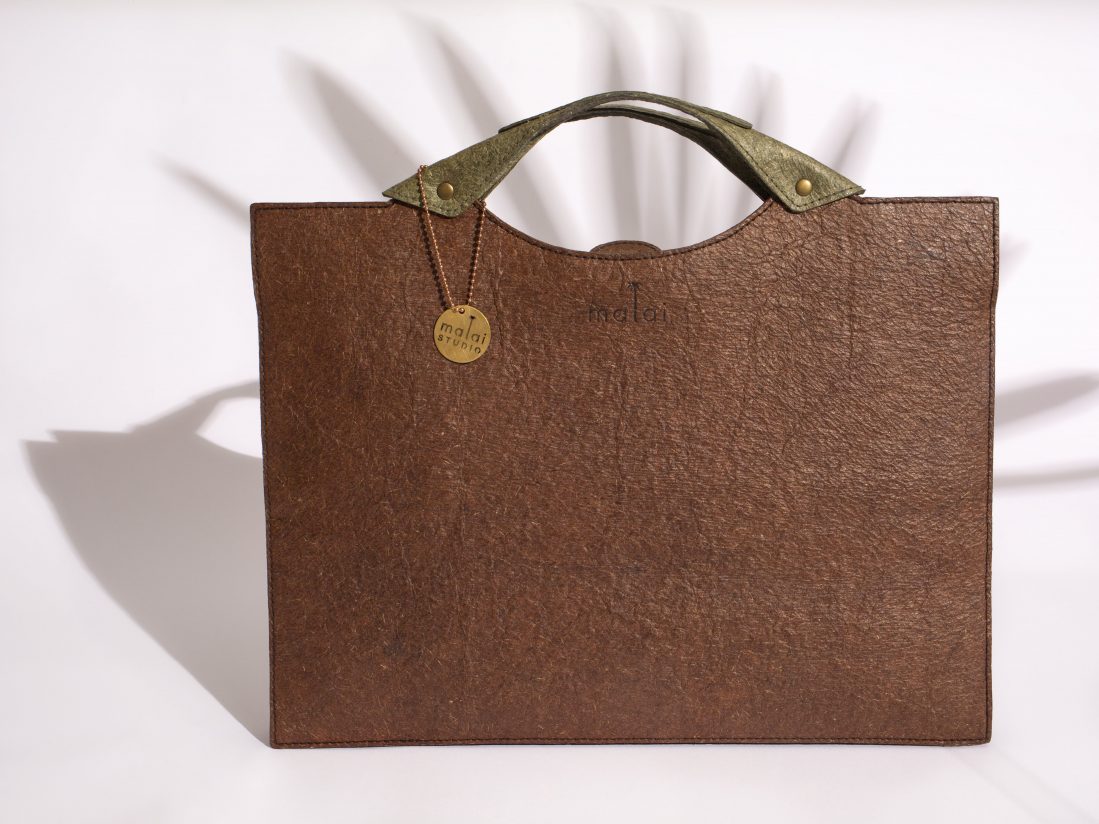
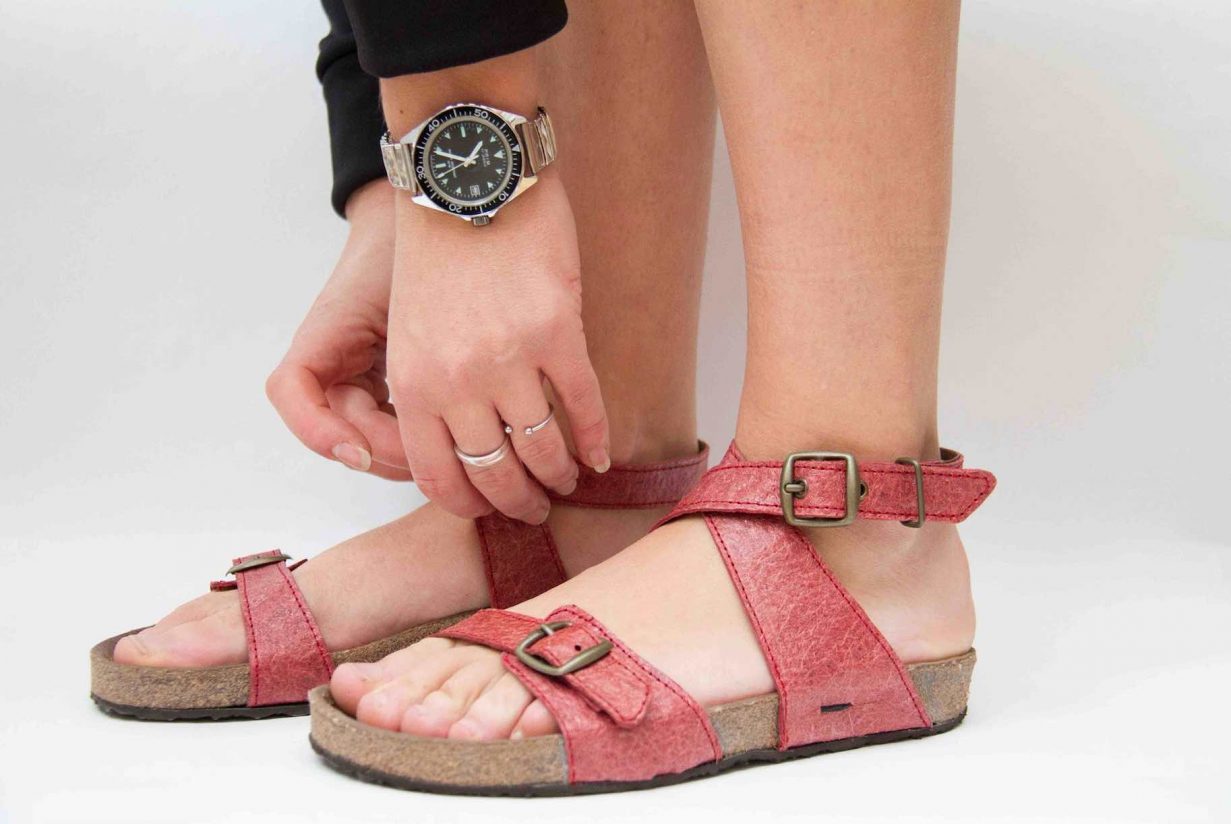
Examples of successful bacterial cellulose leather applications are usually made with Kombucha.
Suzanne Lee BioCouture
Polybion by Ganni Lab
Malai creates Bacterial cellulose from coconut water
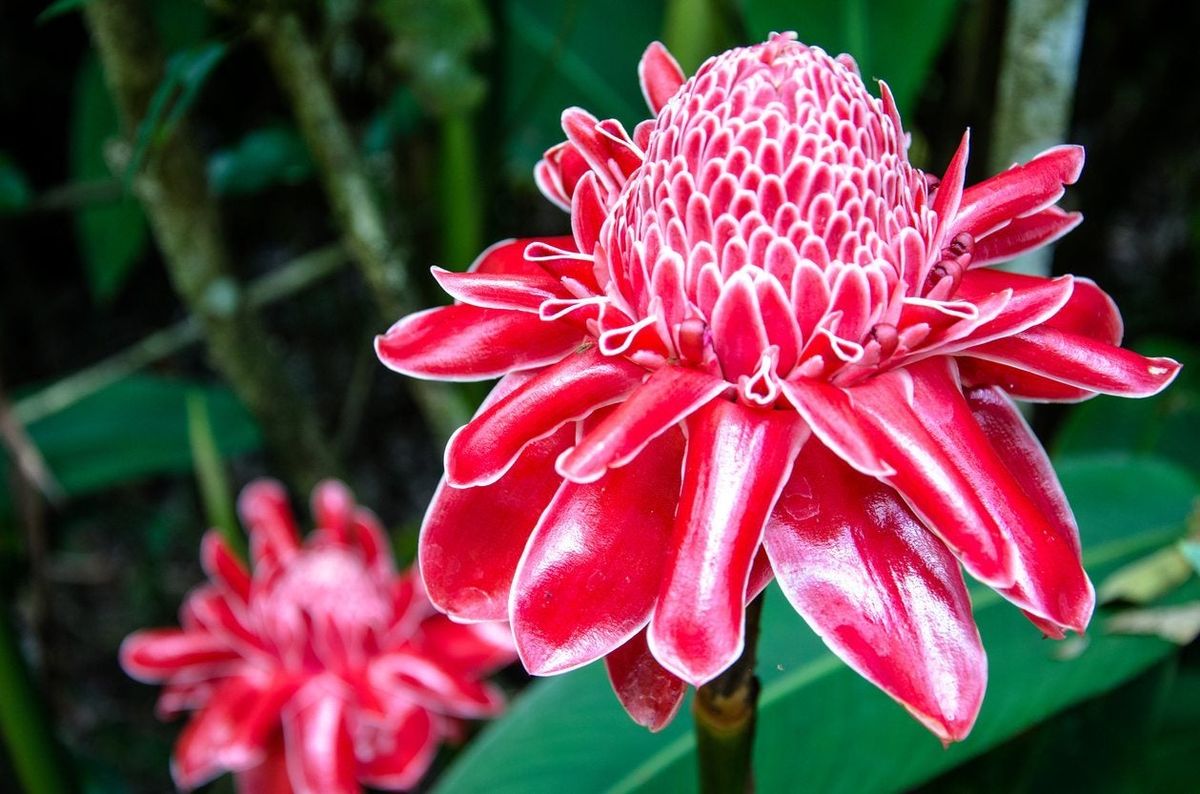
A Pink tropical flower that grows pink scoby
This is the Pink Torch Ginger. A flower that grows in the tropical rainforest in Suriname. The scientific name is Etlingera elatior.
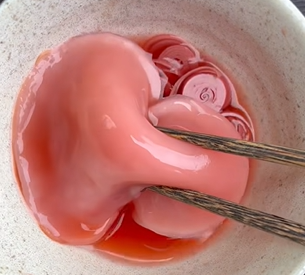
Apparently, the Pink Torch Ginger grows pink scoby (symbiotic colony of bacteria and yeasts) in the process of making vinegar. In this video online https://www.facebook.com/reel/1516264093185014 the scoby is a by-product for influencers creating specialty fruit and plant vinegars. In the world of biomaterials Scoby is an important technique to grow bacterial cellulose for cellulose leather; I want to explore if the pink scoby from the Pink Torch Ginger will result in pink(ish) cellulose leather.
This would be my first time growing a scoby intentionally. I live in the tropics so it’s happened by accident numerous times. But me and bacteria are not friends, so this is me being courageous. I avoided the assignment during FABRICADEMY but I think the scoby idea finally “grew on me”.
Living systems
Natural habitat of the Pink Torch Ginger
According to a quick google search about the pink torch ginger:
The pink torch ginger (Etlingera elatior) is a stunning tropical perennial plant known for its large, waxy, flame-like pink flower heads that rise on tall stalks. Native to Southeast Asia, it grows in lush clumps up to 15 feet tall and is widely prized for ornamental landscaping and culinary uses.
Appearance: Waxy, cone-shaped pink bracts with delicate lighter edges surrounding a torch-like central head.Foliage: Large, glossy, dark green, banana-like leaves on tall stems.
Size: Reaches heights of 6 to 15 feet (1.8 to 4.5 meters).
Uses and Significance
Culinary: The unopened pink flower buds (known as bunga kantan) are edible and feature a sharp, citrusy, slightly spicy flavor. They are finely sliced and added to salads, curries, and soups like laksa.
Floral Design: Highly sought after for exotic cut-flower arrangements due to their long vase life and striking shape.Symbolism: Represents fiery passion, strength, and solid bonds.
Growing Requirements
Climate: Thrives best in warm, humid tropical or subtropical zones; it cannot handle frost or temperatures below 10°C (50°F).
Sunlight: Prefers partial shade to bright, indirect sunlight.
Soil: Requires rich, moist, organic, and well-draining soil.
Now I’m not sure if this flower is just native to South East Asia since it also grows widely here in Suriname, South America. We don’t eat it though but after this search I might try a pink salad.
In any case the first living system is the plant in its natural habitat. I do not have to go into the rainforest but can visit a botanical garden a bit closer to the city.
Bacteria SCOBY Possibly Acetobacter?
The 2nd living system is the bacterial system creating the scoby. I do have some documentation from Fabricademy on bacterial cellulose from combucha coming from the acetobacter. However I am not sure if this is the same microbial system.This will need to be researched.
AI has been helpful before in guiding me through the making and improvement of biomaterials. I had an issue finding the right coating for my plantbased leathers. Coatings are applied to the surface of the material when dried to keep it from the humidity and/or keep is scratch free when in use. Trying to create a sustainable product makes this challenging because most coatings come from the petrochemical industry. In a particularly humid season I also had issues with fungal growth. At some point I turned to AI and got help to make an effective bio-coating from locally available ingredients within 1 day.
I suspect to work with AI in the same manner through a step-by-step Q&A process which will bring efficiency to a great and meaningful learning experience.
In addition I am really looking forward to the distant online lab experience. I definitely expect advice when there are issues creating and growing the scoby.
Automation factors during the growth: on certain parameters such as how to speed up the growth process, keep the brightness of the color, how, what and when to feed the scoby. Keeping temperature, monitoring light, humidity and airflow/ oxygen, smell, emissions and other relevant factors.
Then the second part of the process is cleaning and drying the pink scoby to an aestetic, strong, durable and usable leather.
Here the parameters are relevant again. Drying time, Shrinkage factor, color of the material, strength, flexibility smell and feel of the material as well as application are important factors.
Thirdly is the efficient and effective application of the biomaterial. Fablab and Textile Lab equipment will help in this design phase.
Finally how to make a business case for the material is important.
How to Scale the scoby
To make enough for a first experiment would be a dry piece of cellulose leather (after shrinkage) of 30 by 30 cm. A sample would give initial information on relevant parameters and would be enough to apply to some apparel ( a bag, wallet or accessories).
In a second stage a larger scoby can be grown with necessary adjustments.
At both stages inputs buckets to grow and inputs to feed the scoby as well as an appropriate environment are important.
Needs: Some inputs to grow and feed the scoby are vinegar, alcohol, sugar, water and at least 2 Pink torch ginger flowers.
The dimensions of the bucket are important given that there shrinkage, it should be large enough and preferably square.
Time: To grow the scoby should take 3 to 6 weeks with another 2 to 3 weeks to dry and 1 week to process the final material into a useable item. So in total between 6 and 10 weeks.
To scale this to another level, a (semi-)industrial level is part of the research during this assignment. The energy needs and Environment, health and safety considerations should be an important part. Apart from the engineering, financing and market openness might be constraints for scaling.
If the experiment with pink cellulose leather is succesful, instead of scaling it, diversifying is another interesting opportunity as well. The rainforest as a resource for biomaterial will surely give more scoby from other plants.
Week2 DNA DESIGN
First of all I thank the team from Chi Town Bio for supporting me as a committed listener.
At the same time: this is the week that I asked myself, “What did I get myself into?!”
I realize I have a long way to go, so please bear with me. AI is a helpful tool.
In addition I am also getting a boothcamp from
https://learn.gfi.org/courses/The-Protein-Transition
A FREE online self-paced course with 5 modules about the biological and chemical processes used to produce plant-based, fermentation-derived, and cultivated meat, as well as the environmental and economic drivers behind these market sectors.
Expression target (Work in progress)
What molecule are you expressing? A protein, an RNA, or an enzyme (or small set of enzymes) for a pathway.
If your HW1 product is a material, identify the protein(s) that produce it and design for those.
SCOBY DNA in Fermentation (Kombucha)
• Microbial Consortium: A traditional kombucha SCOBY is a cellulose-rich biofilm housing a complex community of about 50 identifiable microbial species (bacteria and fungi/yeast).
• DNA Sequencing Methods: Scientists sequence the SCOBY DNA Sequencing Study using techniques like 16S rRNA gene sequencing (for bacteria) and ITS amplicon sequencing (for fungi/yeasts).
• Core Taxa: Genetic mapping shows that dominant genera usually include acetic acid bacteria like Komagataeibacter (such as K. rhaeticus) and yeasts like Brettanomyces or Zygosaccharomyces.
https://share.google/aimode/UKW2Q0cgoRD5W8Zgq
When Etlingera elatior (commonly known as torch ginger or kecombrang) flowers or extracts are introduced into a kombucha substrate, they form a specialized symbiotic culture of bacteria and yeast (SCOBY).
Because Etlingera elatior is highly rich in phytochemicals—such as flavonoids, saponins, polyphenols, and essential oils (containing dodecanal)—the chemical landscape drastically alters the microbial DNA profile compared to traditional black tea kombucha. The natural antimicrobial profile of torch ginger acts as a selective filter, creating a distinct microbial fingerprint.
What is the sequence? Give the protein or RNA sequence, or the specific gene, you will encode, and say where it comes from (a database accession such as UniProt or NCBI, a known part, or de novo). Cite it.
Sequencing and Data Generation Workflow
When scientists extract and construct this precise DNA profile from a sample, the layout follows a standardized workflow:
SOURCE: Tanti Juwita, Irma Melyani Puspitasari and Jutti Levita, 2018. Torch Ginger (Etlingera elatior): A Review on its Botanical Aspects, Phytoconstituents and Pharmacological Activities. Pakistan Journal of Biological Sciences, 21: 151-165.
What host or chassis? The living system from HW1, for example E. coli, S. cerevisiae, CHO or another mammalian line, or a cell-free system. Your host drives almost every part choice that follows.
Through metagenomic mapping (such as 16S rRNA sequencing for bacteria and ITS sequencing for fungi/yeast), the microbial DNA composition typically breaks down as follows:
Acetic Acid Bacteria (AAB) ProfileBacteria are highly adaptive to the phytochemical-dense torch ginger medium. Total bacterial counts heavily multiply during fermentation (often reaching over (10^{13}\text{ CFU/mL})), driven by resilient strains: journal.unnes.ac.idKomagataeibacter xylinus: The primary architect. Its DNA is highly prevalent because it transcribes genes responsible for secreting the dense network of crystalline cellulose that forms the structural SCOBY pellicle. mun kombucha +1Acetobacter aceti & Acetobacter pasteurianus: These strains show metabolic persistence in torch ginger. They possess genes that oxidize ethanol into acetic acid while synthesizing gluconic and glucuronic acids. ResearchGate +1Gluconobacter oxydans: Frequently identified via 16S sequencing. It primarily handles the early stages of glucose oxidation. ResearchGate
Yeast (Fungal ITS) Profile
Yeasts process the sucrose into simpler sugars (glucose and fructose) and ethanol. While torch ginger extracts can slightly decrease overall yeast density over prolonged fermentation, dominant fungal DNA profiles still belong to:
Saccharomyces sp. & Saccharomyces cerevisiae: Known for their robust genetic toolkit for sugar conversion and high tolerance to plant polyphenols.
Brettanomyces sp. / Dekkera: Common in local Southeast Asian kombucha strains. They contribute heavily to complex aroma profiles.
Schizosaccharomyces pombe: Highly osmotolerant yeasts whose genomic fragments are consistently mapped in alternative floral fermentations.
Synergistic Dynamics & Antimicrobial Properties
The DNA footprint of an Etlingera elatior SCOBY reflects a community designed to combat external pathogens. The combination of the plant’s native chemical compounds and the organic acids generated by the SCOBY creates a powerful defensive system. Genetic expressions from this micro-ecosystem successfully suppress common environmental spoilage organisms and human pathogens, including Staphylococcus aureus, Escherichia coli, Salmonella typhi, and Bacillus cereus.
A visual model of a metagenomic DNA footprint (derived from high-throughput 16S rRNA and ITS amplicon sequencing) outlines how the relative abundance of microbial taxa shifts when a standard SCOBY matches with an Etlingera elatior (torch ginger) flower substrate.
Below is a structured structural distribution model representing the metagenomic footprint of an Etlingera elatior SCOBY culture:
📊 Metagenomic Footprint Model
INSERT PICTURES
Where does the product need to go? Cytoplasm, secreted, membrane, or a compartment? This decides whether you need a signal peptide or targeting sequence.
An interactive 3D molecular simulation of a microbial biofilm model visualizes how the different components of an Etlingera elatior SCOBY mesh together at a microscopic scale.
This model displays the dense extracellular polymeric substance (EPS) matrix, highlighting the spatial layout of bacteria, yeast cells, and extracellular DNA strands running through the crystalline cellulose scaffolding:
AI-generated. Don’t enter sensitive personal info.
🔬 Spatial Matrix Architecture
At the microstructural level, the Etlingera elatior SCOBY layout divides into distinct functional zones:
The Structural Scaffolding: Dense, microfibrillar networks of cellulose woven mainly by Komagataeibacter xylinus.
The Microbial Clusters: Rod-shaped Acetic Acid Bacteria (AAB) grouped together near the oxygen-rich surface interface. Larger, spherical or oval yeast cells (Saccharomyces, Brettanomyces) occupy the interstitial pockets below.
The Extracellular DNA (eDNA) Net: Strands of eDNA run throughout the matrix. They act as a physical stabilizing wire and facilitate horizontal gene transfer (HGT) among highly competitive bacterial colonies facing the chemical pressures of torch ginger extracts.
Tanti Juwita, Irma Melyani Puspitasari and Jutti Levita, 2018. Torch Ginger (Etlingera elatior): A Review on its Botanical Aspects, Phytoconstituents and Pharmacological Activities. Pakistan Journal of Biological Sciences, 21: 151-165.
DOI: 10.3923/pjbs.2018.151.165
URL: https://scialert.net/abstract/?doi=pjbs.2018.151.165