Week 1 HW: Final Project Ideas
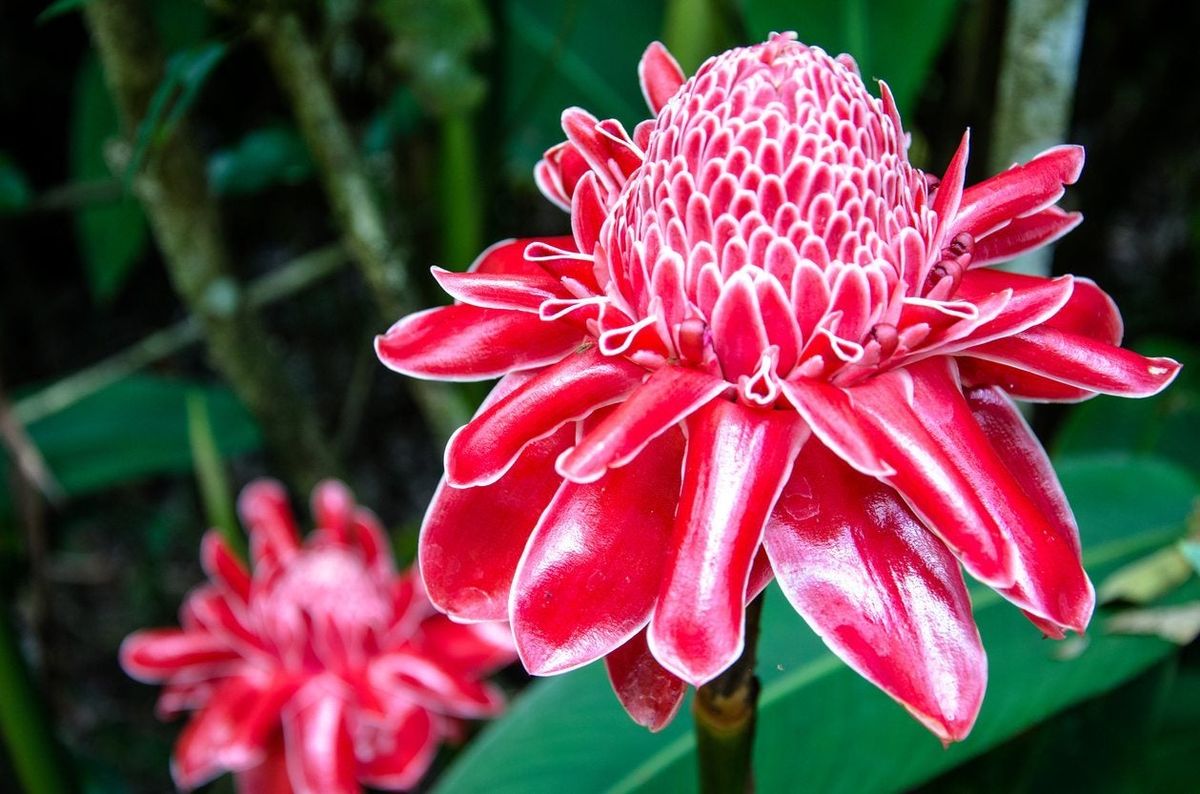
So the project idea is to create a durable, aestetic and usable pink cellulose leather from scoby of the Pink Torch Ginger (Etlingera elatior).
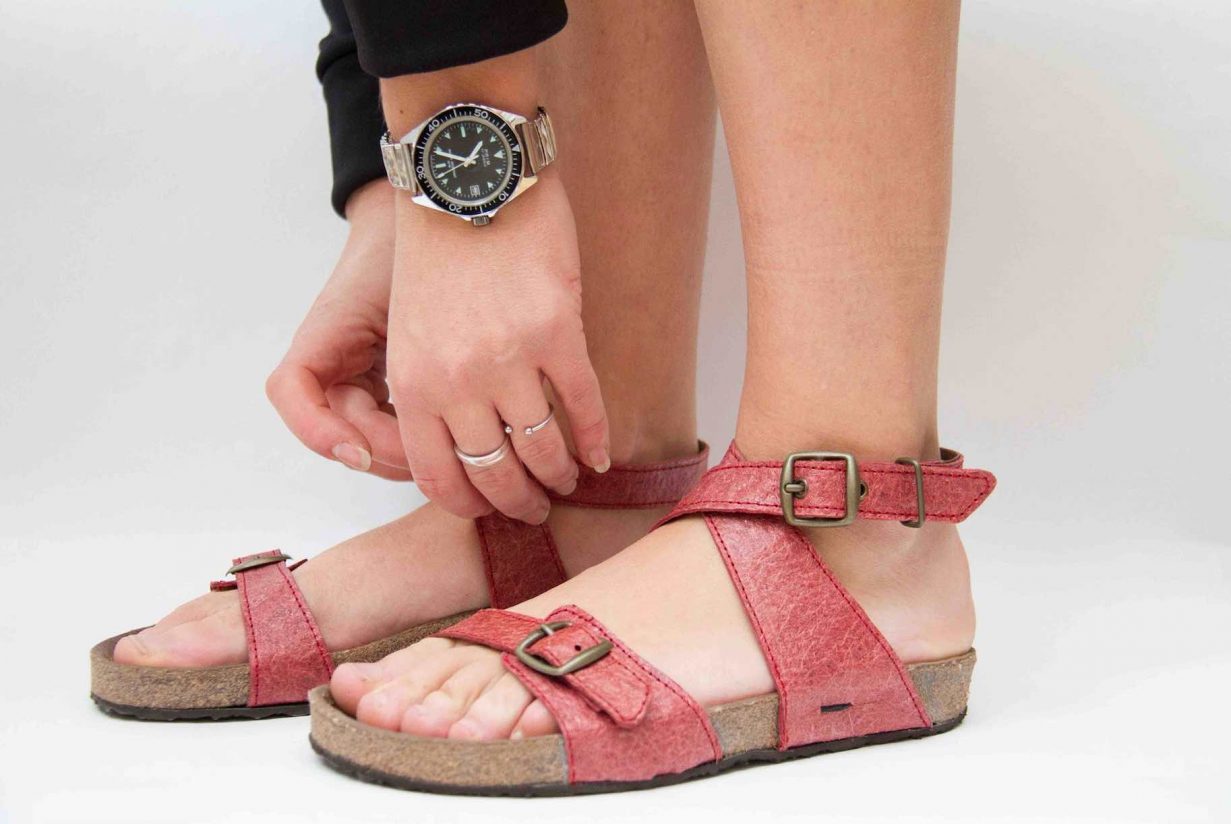
Examples of successful bacterial cellulose leather applications are usually made with Kombucha.
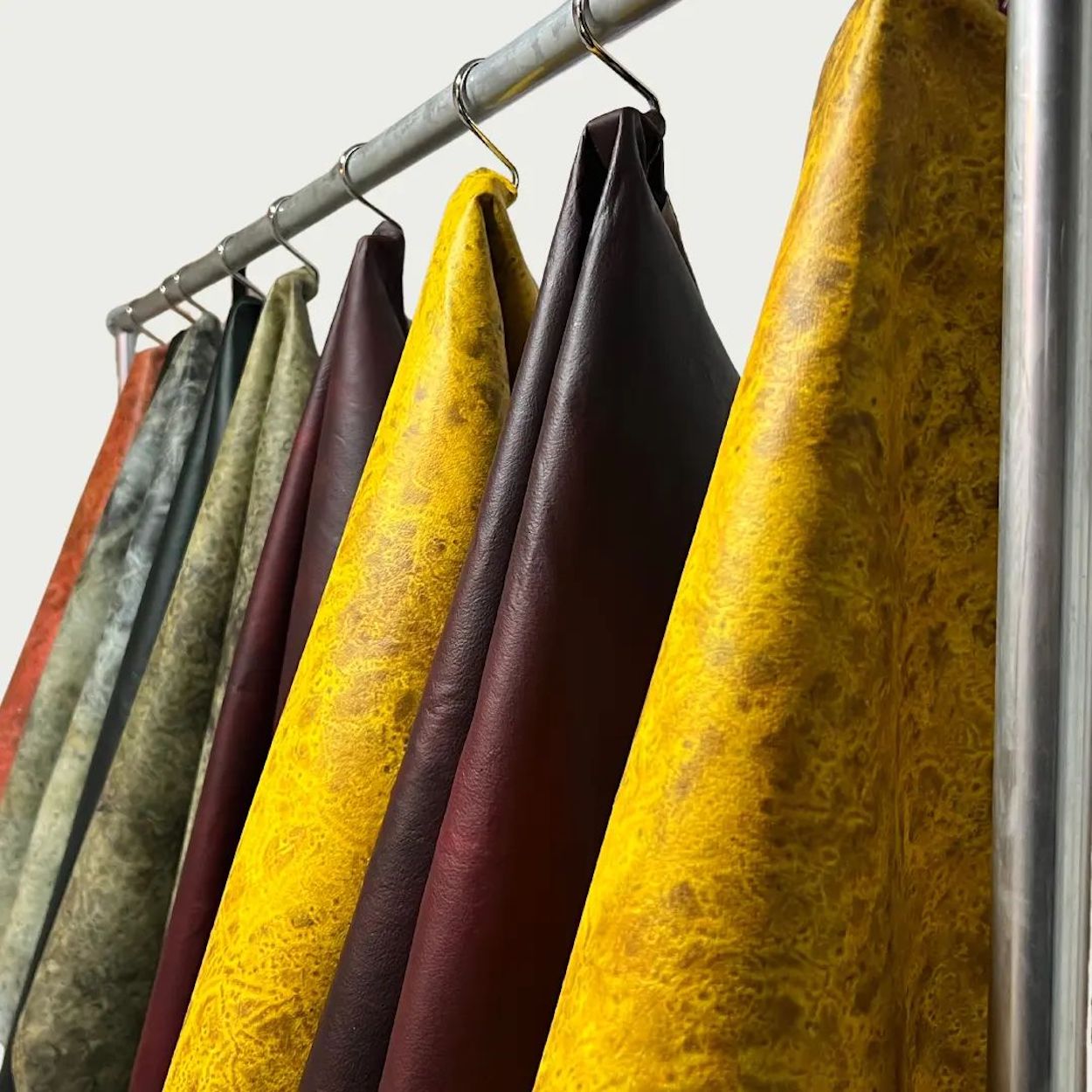
Suzanne Lee BioCouture
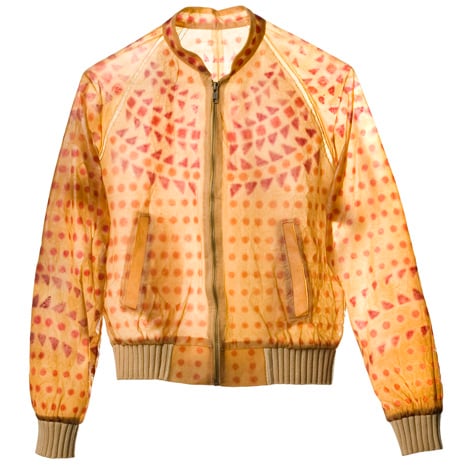
Polybion by Ganni Lab
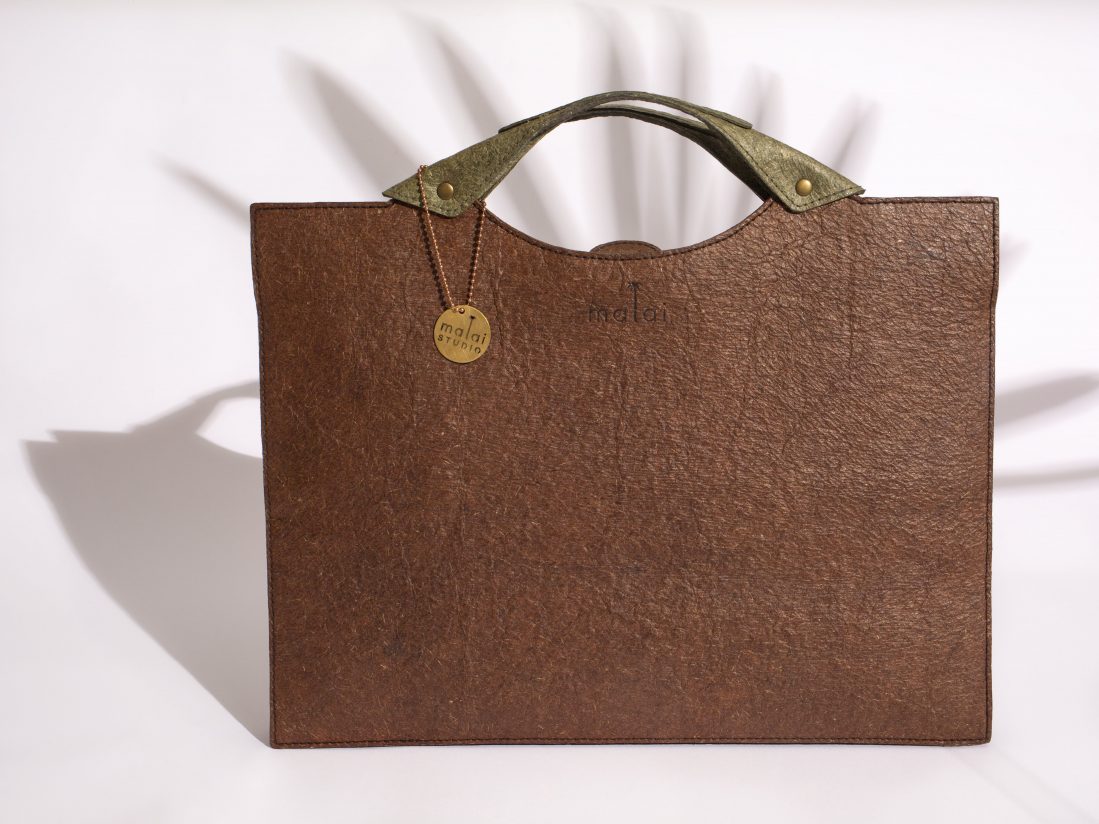
Malai creates Bacterial cellulose from coconut water
A Pink tropical flower that grows pink scoby
This is the Pink Torch Ginger. A flower that grows in the tropical rainforest in Suriname. The scientific name is Etlingera elatior.
Apparently, the Pink Torch Ginger grows pink scoby (symbiotic colony of bacteria and yeasts) in the process of making vinegar. In this video online https://www.facebook.com/reel/1516264093185014 the scoby is a by-product for influencers creating specialty fruit and plant vinegars. In the world of biomaterials Scoby is an important technique to grow bacterial cellulose for cellulose leather; I want to explore if the pink scoby from the Pink Torch Ginger will result in pink(ish) cellulose leather.
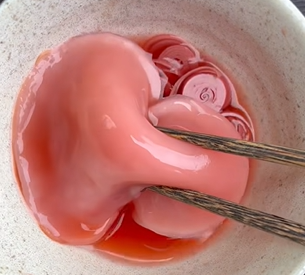
This would be my first time growing a scoby intentionally. I live in the tropics so it’s happened by accident numerous times. But me and bacteria are not friends, so this is me being courageous. I avoided the assignment during FABRICADEMY but I think the scoby idea finally “grew on me”.
Living systems
Natural habitat of the Pink Torch Ginger
According to a quick google search about the pink torch ginger: The pink torch ginger (Etlingera elatior) is a stunning tropical perennial plant known for its large, waxy, flame-like pink flower heads that rise on tall stalks. Native to Southeast Asia, it grows in lush clumps up to 15 feet tall and is widely prized for ornamental landscaping and culinary uses.
Key Plant Features
- Scientific Name: Etlingera elatior (family Zingiberaceae)
- Appearance: Waxy, cone-shaped pink bracts with delicate lighter edges surrounding a torch-like central head.Foliage: Large, glossy, dark green, banana-like leaves on tall stems.
- Size: Reaches heights of 6 to 15 feet (1.8 to 4.5 meters).
Uses and Significance
- Culinary: The unopened pink flower buds (known as bunga kantan) are edible and feature a sharp, citrusy, slightly spicy flavor. They are finely sliced and added to salads, curries, and soups like laksa.
- Floral Design: Highly sought after for exotic cut-flower arrangements due to their long vase life and striking shape.Symbolism: Represents fiery passion, strength, and solid bonds.
Growing Requirements
- Climate: Thrives best in warm, humid tropical or subtropical zones; it cannot handle frost or temperatures below 10°C (50°F).
- Sunlight: Prefers partial shade to bright, indirect sunlight.
- Soil: Requires rich, moist, organic, and well-draining soil.
Now I’m not sure if this flower is just native to South East Asia since it also grows widely here in Suriname, South America. We don’t eat it though but after this search I might try a pink salad. In any case the first living system is the plant in its natural habitat. I do not have to go into the rainforest but can visit a botanical garden a bit closer to the city.
Bacteria SCOBY Possibly Acetobacter?
The 2nd living system is the bacterial system creating the scoby. I do have some documentation from Fabricademy on bacterial cellulose from combucha coming from the acetobacter. However I am not sure if this is the same microbial system.This will need to be researched.
https://class.textile-academy.org/2020/loes.bogers/files/recipes/kombuchascoby/
https://frompeeltopeel.tumblr.com/MICROBIALCELLULOSE
Automation and scoby
AI has been helpful before in guiding me through the making and improvement of biomaterials. I had an issue finding the right coating for my plantbased leathers. Coatings are applied to the surface of the material when dried to keep it from the humidity and/or keep is scratch free when in use. Trying to create a sustainable product makes this challenging because most coatings come from the petrochemical industry. In a particularly humid season I also had issues with fungal growth. At some point I turned to AI and got help to make an effective bio-coating from locally available ingredients within 1 day. I suspect to work with AI in the same manner through a step-by-step Q&A process which will bring efficiency to a great and meaningful learning experience.
In addition I am really looking forward to the distant online lab experience. I definitely expect advice when there are issues creating and growing the scoby. Automation factors during the growth: on certain parameters such as how to speed up the growth process, keep the brightness of the color, how, what and when to feed the scoby. Keeping temperature, monitoring light, humidity and airflow/ oxygen, smell, emissions and other relevant factors.
Then the second part of the process is cleaning and drying the pink scoby to an aestetic, strong, durable and usable leather. Here the parameters are relevant again. Drying time, Shrinkage factor, color of the material, strength, flexibility smell and feel of the material as well as application are important factors.
Thirdly is the efficient and effective application of the biomaterial. Fablab and Textile Lab equipment will help in this design phase.
Finally how to make a business case for the material is important.
How to Scale the scoby
To make enough for a first experiment would be a dry piece of cellulose leather (after shrinkage) of 30 by 30 cm. A sample would give initial information on relevant parameters and would be enough to apply to some apparel ( a bag, wallet or accessories).
In a second stage a larger scoby can be grown with necessary adjustments.
At both stages inputs buckets to grow and inputs to feed the scoby as well as an appropriate environment are important.
Needs: Some inputs to grow and feed the scoby are vinegar, alcohol, sugar, water and at least 2 Pink torch ginger flowers. The dimensions of the bucket are important given that there shrinkage, it should be large enough and preferably square.
Time: To grow the scoby should take 3 to 6 weeks with another 2 to 3 weeks to dry and 1 week to process the final material into a useable item. So in total between 6 and 10 weeks.
To scale this to another level, a (semi-)industrial level is part of the research during this assignment. The energy needs and Environment, health and safety considerations should be an important part. Apart from the engineering, financing and market openness might be constraints for scaling.
If the experiment with pink cellulose leather is succesful, instead of scaling it, diversifying is another interesting opportunity as well. The rainforest as a resource for biomaterial will surely give more scoby from other plants.