I’m a final-year BS Biotechnology student at Virtual University of Pakistan, based in a small village in district Attock.
My wet lab background comes from my final-year research project on the domestic yaks from northern Pakistan — DNA extraction from whole blood, NanoDrop quantification, PCR, and gel electrophoresis. Alongside that I am learning bioinformatics, AI-assisted protein structure prediction, and computational design of therapeutics.
I also serve as Outreach Committee Lead for RSG Pakistan (Regional Student Group, ISCB) and as a Human Practices Researcher for iGEM Toronto 2026.
Why HTBAA
Most of my training has been on the design side of biology — sequences, structures, and targets. What I have never had access to is the manufacturing layer: automation, cloud labs, liquid-handling robotics, and programmable microfluidics. There is no facility in Pakistan where I can get hands on any of it.
I’m interested in a specific question this course is well placed to answer: how small a team, and how little infrastructure, does it now take to manufacture a sophisticated biological product? My focus is low-volume, high-value biologics — the regime where centralised commodity biomanufacturing economics break down and where distributed, automated production may be genuinely competitive. I want to understand where the real bottlenecks sit between designing a biological product and making it reproducibly, and what automation actually does to the cost, labour, and capital required to get there.
See the nav bar on the left to look through my work for How To
Biomanufacture Almost Anything (Fall 2026)!
Subsections of Sami Ur Rehman — HTBAA Fall 2026
Week 1 HW: Final Project Ideas
On-Demand Cell-Free Manufacture of Recombinant Hirudin
Replacing an animal-derived, geographically concentrated anticoagulant with a synthetic, distributable one
1. What I want to biomanufacture, and why
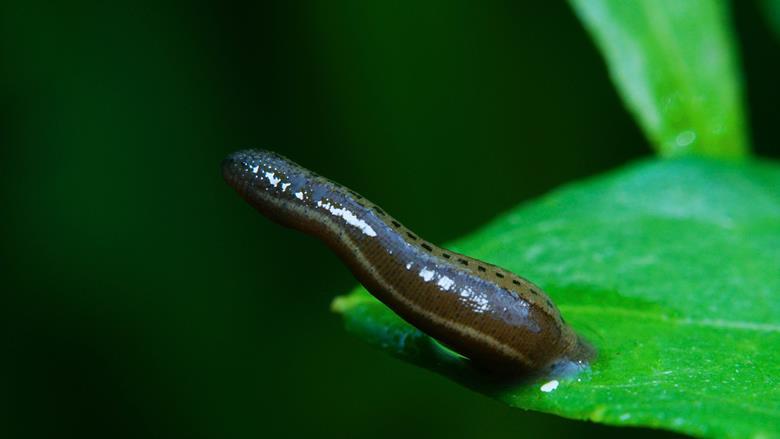
I want to biomanufacture recombinant hirudin — specifically [Leu1, Thr2]-63-desulfohirudin, the molecule marketed as lepirudin — a 65-amino-acid direct thrombin inhibitor originally isolated from the salivary glands of the medicinal leech Hirudo medicinalis.
The product
Hirudin inhibits thrombin directly, without requiring antithrombin III as a cofactor, which means it also inactivates clot-bound thrombin and is not neutralised by platelet factor 4. It is a small, non-glycosylated peptide stabilised by three disulfide bonds. Native hirudin carries a sulfated tyrosine at position 63; the desulfated form is what all approved recombinant hirudins actually are. Commercial desirudin is produced in E. coli or S. cerevisiae and is expressed as desulfatohirudin, differing from the native molecule by lacking Tyr-63 sulfation.
Why this, and who it is for
My motivation is supply-chain security for a critical-care anticoagulant. Three facts drive it:
(a) Heparin, the incumbent, is an animal product with an extraordinarily concentrated supply chain. Heparin is derived from porcine intestinal mucosa, with 80% of global supply and 74% of U.S. supply originating in China, and domestic U.S. collection accounting for under 10%. (Estimates vary by source — the 2019 House Energy & Commerce letter to the FDA put the figure at approximately 60% of U.S. crude heparin imported from China, and a market-share analysis cited in the biosynthetic-heparin patent literature gives ~57% of the worldwide market. The range is 57–80% depending on whether one measures crude heparin, finished API, or global vs. U.S. supply; every source agrees the concentration is severe.)
The physical inefficiency is remarkable: it takes roughly 6,000–8,000 pigs to produce one kilogram of heparin, and over a billion pigs are slaughtered annually worldwide to yield on the order of 100 tonnes of the drug.
(b) This dependency has already failed, lethally and repeatedly. The 2008 contamination crisis, in which adulterated Chinese-manufactured heparin API triggered a mass FDA recall, caused numerous deaths worldwide including 81 in the United States. In 2019 an African swine fever outbreak devastated China’s pig population and triggered a global heparin shortage severe enough that Massachusetts General Hospital activated its Hospital Incident Command System to manage it. Separately, in 2015 French regulators found that a Chinese producer had manipulated PCR data to disguise ruminant-sourced material as porcine.
(c) There is a patient population that cannot receive heparin at all, and the drug for them was discontinued. Heparin is administered to more than 12 million patients each year in the United States, making it the leading intravenous anticoagulant. Heparin-induced thrombocytopenia (HIT) — an antibody-mediated reaction against heparin/PF4 complexes that paradoxically causes thrombosis — occurs in about 20,000 cases annually in the U.S., roughly one in every 1,500 hospital admissions. Analysis of the 2020 National Inpatient Sample identified 11,380 HIT cases among 32,355,827 adult admissions, and between 25% and 50% of HIT patients go on to develop thrombosis.
Lepirudin (Refludan) was the licensed recombinant hirudin for this indication and was withdrawn from the market in 2012 for commercial rather than safety reasons. The clinical need did not disappear; the manufacturing did. That is the gap I want to address.
(d) Hirudin is unusually well-suited to distributed, on-demand manufacture. It is small, non-glycosylated, chemically defined, and — as Section 4 shows — required at a national scale measured in tens of kilograms per year, not tonnes. This is exactly the low-volume, high-value regime where centralised commodity biomanufacturing economics fail and where automated, synthetic, distributable production should win.
The intended user is a hospital pharmacy or regional critical-care supply facility that needs a non-heparin anticoagulant without a porcine supply chain behind it.
2. What living system would make it
Primary chassis: E. coli lysate–based cell-free protein synthesis (CFPS) under oxidising conditions
Plasmid or linear DNA template encoding [Leu1, Thr2]-63-desulfohirudin, plus T7 RNA polymerase
Energy and substrate mix: NTPs, 20 amino acids, a secondary energy source (phosphoenolpyruvate or glucose), Mg²⁺/K⁺ salts, buffer
Redox and folding package. The literature protocol for disulfide-bonded proteins in CFPS is well established and specific: pre-treat the lysate with iodoacetamide (50 µM–1 mM depending on the protocol) to covalently block free sulfhydryls and inactivate reductases; add a glutathione buffer at a 4:1 oxidised:reduced ratio (typically 4 mM GSSG / 1 mM GSH) to fix the thiol/disulfide redox potential; supplement with the periplasmic disulfide bond isomerase DsbC at 100 µg/mL to catalyse disulfide shuffling.
An alternative to iodoacetamide pre-treatment is genetic: deleting the glutathione reductase (gor) gene from the source strain to disable the disulfide reductase system, which avoids the problem that iodoacetamide pre-treatment inactivates glyceraldehyde-3-phosphate dehydrogenase and blocks glucose utilisation.
What happens: coupled transcription–translation produces the linear 65-mer; the oxidising environment plus DsbC drives formation and correct isomerisation of the three disulfide bonds. Hirudin requires no glycosylation, no membrane insertion, and no proteolytic maturation, so the correctly folded peptide is the finished active molecule.
What comes out: soluble, thrombin-inhibitory hirudin in an open reaction vessel, recoverable by anion-exchange followed by size-exclusion or reverse-phase chromatography — the same route used to purify hirudin from E. coli periplasmic secretion.
Chassis comparison, with literature yields
Chassis
Reported hirudin yield
Assessment
Pichia pastoris
~1.5 g/L culture broth (Rosenfeld et al., Protein Expr Purif 8:476–482, 1996)
Highest reported. The benchmark to beat on titre alone.
E. coli, phoA signal, extracellular
up to 507 mg/L after 24 h fermentation (J Ind Microbiol Biotechnol, 2012)
Strong, and correctly processed product accumulates in the medium.
E. coli, OmpA signal, periplasmic
~300 mg/L periplasm, ~40 mg/L supernatant
Solid; recovery step required.
E. coli, early work (Dodt et al., FEBS Lett 202:373–377, 1986)
4 mg/L
Useful as a reminder of how much of this is process engineering, not biology.
E. coli, sulfotyrosine-63 incorporation
5 mg/L sulfo-hirudin; 12 mg/L desulfo control
If native sulfation were required, yields collapse by ~40×. Another argument for the desulfated form.
Insect cells (baculovirus)
400 µg/L
Rejected — see below.
Cell-free (proposed)
No published hirudin-specific value found
The central gap in this proposal. See Section 5.
Why cell-free, and why not insect cells
I initially considered insect cells for this project. The literature does not support it: hirudin expression in insect cell systems has been reported at 400 µg/L, roughly 1,250-fold lower than the Pichia figure and ~3,750-fold below what a single high-yield CFPS reaction would need to deliver per litre. This makes sense mechanistically — the advantage of insect cells is eukaryotic post-translational machinery, and hirudin is a non-glycosylated 65-mer that needs none of it. The capability does not match the target. I also considered coagulation Factors VIII and IX, which genuinely do require eukaryotic modification (γ-carboxylation, tyrosine sulfation, complex glycosylation) — but insect cells perform γ-carboxylation poorly, which makes them the wrong chassis for those too, for the opposite reason.
Cell-free was chosen over the yeast and E. coli options not because it wins on titre — it does not — but because of what it enables downstream:
Linear scalability from screening to manufacture. Sutro’s open cell-free synthesis (OCFS) demonstrated linear scalability from 250 µL to 100 L, producing rhGM-CSF at 700 mg/L across that entire range (Zawada et al., Biotechnol Bioeng, 2011). This means optimisation conditions found in microlitres transfer directly to production scale — no cell-line development, no re-optimisation.
Open reaction chemistry. Redox potential can be set directly, which is not possible inside a living cytoplasm. For a 3-disulfide peptide this is the decisive advantage.
Speed. XpressCF+ expression completes in under 24 hours, and Sutro reports under 12 months from product lead to GMP manufacture — several months faster than a CHO process.
It is no longer hypothetical at scale. In 2025–26, Sutro and Boehringer Ingelheim BioXcellence manufactured luveltamab tazevibulin using cell-free protein synthesis at 4,500 L at Boehringer’s Vienna facility, with all batches meeting clinical product-quality criteria — the first large-scale GMP demonstration of the platform.
3. How automation would be used
Two distinct scales, two genuinely different technologies.
(a) Optimisation — programmable digital microfluidics
The dominant unknown in this project is folding yield, and it is governed by a multi-dimensional parameter space that the literature has already mapped for other proteins: iodoacetamide pre-treatment concentration, GSSG:GSH ratio and total glutathione concentration, DsbC (and optionally PDI or Skp) concentration, temperature, and reaction duration. Swartz’s group demonstrated exactly this kind of systematic optimisation for a 9-disulfide plasminogen activator, varying each parameter in turn and adding chaperones and polyamines, ultimately reaching >60 µg/mL of bioactive protein in a 3-hour batch reaction.
I would run that optimisation combinatorially rather than serially, using a digital microfluidics platform (e.g. Nuclera’s eProtein system), where each droplet is an independent reactor and electrowetting handles dispensing and merging.
What is automated: reagent dispensing, combinatorial condition generation, incubation, and in-line readout.
Why: this is precisely the workflow Sutro describes — using linear scalability to do “rapid process optimization of parameters affecting extract activation, gene sequence optimization, and redox folding conditions for disulfide bond formation at microliter scales,” then transferring to bioreactors. Microfluidics makes that microlitre stage combinatorial instead of sequential.
(b) Production — automated batch CFPS in standard bioreactors
Once conditions are fixed, the technology changes completely. OCFS uses standard bioreactors and downstream processing — no specialised equipment. Sutro’s strategy documents describe a 1,000 L bioreactor working volume producing >500 L per batch.
What is automated: reagent formulation and dispensing, reaction initiation and timing across parallel reactors, automated in-process sampling for titre, and hand-off to chromatographic purification.
The structural insight: the automation that finds the process is not the automation that runs it. Microfluidics buys information; bioreactors buy product. Section 4(b) quantifies exactly how badly microfluidics fails as a production technology.
4. How much, and how long?
(a) How much?
Scale definition: the entire annual U.S. HIT population — approximately 20,000 patients per year.
Per-patient dose
The Refludan label specifies, for HIT with thromboembolic disease: an IV bolus of 0.4 mg/kg (max 44 mg), followed by 0.15 mg/kg/h (max 16.5 mg/h) as continuous infusion for 2 to 10 days or longer if clinically needed.
However — and this matters for an honest estimate — the approved dose is widely held to be too high. The 8th edition ACCP guidelines state the initial lepirudin infusion rate should be no higher than 0.10 mg/kg/h. Tschudi, Lämmle and Alberio (Blood 113:2402–2409, 2009) analysed 68 patients and showed that omitting the bolus entirely and administering 0.08 mg/kg/h in patients with CrCl >60 mL/min is efficacious and safe, with rare thrombotic (1 of 46) and major bleeding (4 of 46) complications. In practice the mean observed infusion rate in one 181-patient study was 0.06 ± 0.04 mg/kg/h — well under half the label rate.
I therefore calculate both. Assumptions: 70 kg patient, 7-day course (mid-range of the labelled 2–10 days).
Label regimen:
Bolus:     0.4 mg/kg × 70 kg                      =    28 mg
Infusion:  0.15 mg/kg/h × 70 kg = 10.5 mg/h
           10.5 mg/h × 24 h/d × 7 d               = 1,764 mg
                                                  ------------
Total per patient course                          ≈ 1,792 mg ≈ 1.79 g
Evidence-based regimen (Tschudi et al. 2009 — no bolus, 0.08 mg/kg/h):
Infusion:  0.08 mg/kg/h × 70 kg = 5.6 mg/h
           5.6 mg/h × 24 h/d × 7 d                =   941 mg ≈ 0.94 g
National annual requirement
Label regimen:           20,000 × 1.79 g = 35,800 g = 35.8 kg/year
Evidence-based regimen:  20,000 × 0.94 g = 18,800 g = 18.8 kg/year
Assuming 50% overall downstream recovery (capture, polish, formulation, fill-finish — consistent with Sutro’s note that conventional downstream processing delivers appropriate purity, though they do not publish a step yield):
Label regimen:           35.8 kg ÷ 0.50 = 71.6 kg synthesised
Evidence-based regimen:  18.8 kg ÷ 0.50 = 37.6 kg synthesised
This is the headline number: the entire United States’ annual supply of a critical-care anticoagulant is roughly 20–70 kilograms of peptide. For comparison, global heparin production is on the order of 100 tonnes per year from over a billion pigs. The target is five to six orders of magnitude smaller.
(b) How long?
Deriving a titre from literature rather than assuming one
There is no published cell-free hirudin titre that I could find, so I derive one by molar equivalence from the best-characterised disulfide-bonded CFPS product.
Sutro’s OCFS produces rhGM-CSF at 700 mg/L in 10 h, and GM-CSF contains two disulfide bonds. Mature GM-CSF is 127 aa, ~14,500 Da:
Hirudin is 65 aa, ~7,000 Da. At equal molar productivity:
48 µmol/L × 7,000 g/mol = 336 mg/L ≈ 0.34 g/L
I will use 300 mg/L as the working titre, rounding down because hirudin has three disulfides rather than two.
Sensitivity bracket from literature. The relevant published disulfide-bonded CFPS titres span:
Protein
Disulfides
CFPS titre
Source
rhGM-CSF
2
700 mg/L
Zawada et al. 2011 (Sutro OCFS)
Disulfide-bonded therapeutic
—
710 µg/mL
Groff et al.
Vaccine fusion protein
—
300 µg/mL
Groff et al.
Antibody fragment
—
230 µg/mL
Groff et al.
Plasminogen activator (bioactive)
9
>60 µg/mL
Yin & Swartz
Hirudin’s three disulfides place it near the favourable end, but the plasminogen activator figure shows how steeply active yield falls as disulfide complexity rises. I carry 60 / 300 / 700 mg/L as low / working / high cases.
Required reaction volume (evidence-based dose, 37.6 kg)
37.6 kg = 37,600,000 mg

At 300 mg/L:   37,600,000 ÷ 300   = 125,333 L
At  60 mg/L:   37,600,000 ÷ 60    = 626,667 L
At 700 mg/L:   37,600,000 ÷ 700   =  53,714 L
Production time
Using the 4,500 L batch scale already demonstrated under GMP by Sutro/Boehringer, with expression complete in <24 h plus turnaround — call it a 48-hour batch cycle:
At 300 mg/L:  125,333 L ÷ 4,500 L =  28 batches × 2 d =  56 d ≈  8 weeks
At  60 mg/L:  626,667 L ÷ 4,500 L = 139 batches × 2 d = 278 d ≈ 40 weeks
At 700 mg/L:   53,714 L ÷ 4,500 L =  12 batches × 2 d =  24 d ≈  3.5 weeks
At the label (higher) dosing regimen, 71.6 kg, the working case becomes 238,667 L → 53 batches → 106 days ≈ 15 weeks.
Result: at the working titre, a single existing GMP cell-free line running roughly eight weeks per year could supply the entire U.S. HIT population. Even the pessimistic 60 mg/L case fits inside one year on one line. This is the argument for the project in a sentence — not that cell-free is cheaper than heparin extraction, but that the entire national requirement is small enough to sit inside spare capacity on one existing facility, with no animals in the supply chain.
Prototyping scale, for contrast
Digital microfluidics at 50 µL per droplet reaction, at the working titre:
300 mg/L × 0.05 mL = 0.015 mg = 15 µg per reaction
384-condition screen: 384 × 15 µg = 5.8 mg total
One patient course under the evidence-based regimen is 941 mg. A full 384-condition optimisation screen therefore produces about 0.6% of a single patient’s dose. Microfluidics is the correct tool for finding the process and a useless one for making the drug — which is exactly why linear scalability from microlitres to thousands of litres is the property that makes the whole approach work.
5. What I don’t know yet
(1) There is no published cell-free hirudin titre — the central number in Section 4(b) is derived, not measured
My 300 mg/L figure comes from molar-equivalence scaling off rhGM-CSF, which has two disulfides to hirudin’s three. That extrapolation could be wrong in either direction. Working against it: the 9-disulfide plasminogen activator reached only >60 µg/mL bioactive, an order of magnitude below GM-CSF, showing that active yield degrades sharply with disulfide count. Also working against it: a 2025 analysis notes that prokaryotic CFPS platforms “lack the eukaryotic secretory pathway, and therefore cannot deliver… co-translational disulfide bond formation” — disulfides in E. coli CFPS form post-translationally under an imposed redox potential, which is a different and less efficient process. Working in its favour: hirudin is a third the mass of GM-CSF and structurally simple, and hirudin folds well in E. coli SHuffle strains engineered for disulfide formation.
How I would determine it: express hirudin in redox-tuned CFPS and measure total yield (¹⁴C-leucine incorporation, the standard method in this literature) alongside functional yield by chromogenic thrombin inhibition assay. The ratio is the folding efficiency and is the only number that matters. Non-reducing vs. reducing SDS-PAGE mobility shift confirms disulfide status; LC-MS peptide mapping identifies which of the possible isomers are forming.
(2) The redox additives that enable disulfide folding may cripple overall synthesis
This is a specific, documented risk rather than a vague concern. One 2025 study found that adding the standard disulfide package — iodoacetamide pre-treatment, GSSG/GSH, and DsbC — to an optimised cell-free formulation reduced sfGFP production by 75–97%. Separately, iodoacetamide pre-treatment is known to inactivate glyceraldehyde-3-phosphate dehydrogenase and thereby block glucose utilisation, which is why the gor-deletion strategy was developed as an alternative. And oxidising conditions have a ceiling: OmpX synthesis was unaffected up to 10 mM GSSG, dropped significantly at 20 mM, and ceased entirely at 30 mM.
So the redox conditions that fold hirudin correctly and the conditions that maximise total protein output are in direct tension, and my Section 4 titre implicitly assumes they can be reconciled. How I would determine it: measure total and active yield across the redox parameter space simultaneously, rather than optimising folding and titre separately. This is precisely the screen described in Section 3(a), and it is the first experiment I would run.
(3) Cost of goods — and whether I have actually removed the dependency or just moved it
I have found no published cost-per-litre for GMP-grade CFPS reactions. This is the number that decides whether the project is real. Hirudin competes against heparin, which is extremely cheap per dose despite its supply-chain fragility, and lepirudin was withdrawn in 2012 for commercial reasons — meaning a previous, fully-approved recombinant hirudin already failed this exact economic test. Any proposal to re-manufacture it has to explain what has changed. My answer is that cell-free eliminates cell-line development and that the required volume is tiny, but I have not costed it.
The second half of this question is whether the inputs are themselves single-sourced. NTPs, amino acids, phosphoenolpyruvate, recombinant DsbC, and lysate all have their own supply chains, and a process that swaps Chinese porcine mucosa for Chinese-manufactured nucleotides has not improved resilience.
How I would determine it: build a bill of materials for a single 4,500 L reaction, cost each line item, and trace each input’s country of origin. I suspect this — not the biology — is what actually decides whether the idea survives.
Tschudi M, Lämmle B, Alberio L. Dosing lepirudin in patients with heparin-induced thrombocytopenia and normal or impaired renal function: a single-center experience with 68 patients. Blood 2009;113(11):2402–2409.
Alberio L, Lämmle B. On the dosing of lepirudin. Br J Clin Pharmacol 2011;72:717.
Warkentin TE, Greinacher A. Lepirudin: walking the dosing line. Blood 2006;108(5):1428.
Hirsh J et al. Parenteral anticoagulants: ACCP Evidence-Based Clinical Practice Guidelines (8th ed.). Chest 2008;133(6 Suppl):141S–159S.
Arepally GM, Ortel TL. Heparin-induced thrombocytopenia. N Engl J Med / review literature — 12 million annual U.S. heparin exposures.
Smythe MA et al. The incidence of recognized heparin-induced thrombocytopenia in a large, tertiary care teaching hospital. Chest 2007.
HIT comprehensive clinical review. J Am Coll Cardiol 2016 — prevalence 0.1–5.0%, HITT in 25–50%.
National Inpatient Sample 2020 analysis. Blood 2023;142(Suppl 1):5423.
Heparin supply chain
Council on Foreign Relations. The Pharma Choke Point, 2026 — 80% global / 74% U.S. supply concentration; 81 U.S. deaths in the 2008 contamination crisis; 2019 ASF-driven shortage.
U.S. House Committee on Energy and Commerce, letter to Acting FDA Commissioner, 30 July 2019.
When Pigs Fly: A Multidisciplinary Approach to Navigating a Critical Heparin Shortage. — MGH Hospital Incident Command System activation.
Tremblay J-F. Making heparin safe. Chem Eng News 2016;94(40) — 2015 PCR data manipulation.
Diversifying the Global Heparin Supply Chain: Reintroduction of Bovine Heparin in the United States? BioPharm International / Pharmaceutical Technology.
Hirudin expression
Rosenfeld SA et al. Production and purification of recombinant hirudin expressed in the methylotrophic yeast Pichia pastoris. Protein Expr Purif 1996;8:476–482.
Robust preparative-scale extracellular production of hirudin in Escherichia coli and its purification and characterization. J Ind Microbiol Biotechnol 2012. DOI: 10.1007/s10295-012-1156-3
Dodt J et al. FEBS Lett 1986;202:373–377.
Expression of Recombinant Hirudin in Bacteria and Yeast: A Comparative Approach. Methods Protoc 2025;8(4):89. DOI: 10.3390/mps8040089
Liu CC, Schultz PG et al. Genetically programmed expression of selectively sulfated proteins in eubacteria — sulfo- vs. desulfo-hirudin yields.
Cell-free protein synthesis
Zawada JF et al. Microscale to manufacturing scale-up of cell-free cytokine production — a new approach for shortening protein production development timelines. Biotechnol Bioeng 2011. PMID: 21337337
Yin G, Swartz JR. Enhancing multiple disulfide bonded protein folding in a cell-free system. Biotechnol Bioeng 2004.
Groff D et al. — disulfide-bonded therapeutic, antibody fragment, and vaccine fusion titres in engineered E. coli extract.
US Patent 7,871,794 — Enhanced cell-free synthesis of active proteins containing disulfide bonds (gor deletion strategy).
Michel E, Wüthrich K. Cell-free expression of disulfide-containing eukaryotic proteins for structural biology. FEBS J 2012. DOI: 10.1111/j.1742-4658.2012.08697.x
Sutro Biopharma, Cell-Free Protein Synthesis Scale-Up and GMP Production (2019).
Sutro Biopharma / Boehringer Ingelheim BioXcellence joint announcement, 2025 — 4,500 L GMP cell-free manufacture of luveltamab tazevibulin.
LenioBio, The Scalability Story, 2026 — prokaryotic vs. eukaryotic CFPS scalability comparison.
AI use disclosure
AI client: Claude (Anthropic), Opus 5, via the Claude web interface, with web search enabled.
How it was used: I brought an initial idea — producing recombinant hirudin or coagulation Factor VIII/IX in insect cells. Claude argued against the insect-cell chassis on mechanistic grounds (insufficient γ-carboxylation for Factor IX; unnecessary eukaryotic machinery for a non-glycosylated 65-mer) and proposed cell-free synthesis instead. I then asked it to replace every estimated figure in my draft with sourced literature values; the searches it ran surfaced the 400 µg/L insect-cell hirudin figure that independently confirmed the original chassis choice was wrong, and the Tschudi et al. dosing evidence showing the Refludan label dose is roughly twice what is clinically used.
Representative prompts:
“What do you think about this project idea for HTBAA: automated cell-free manufacturing of functional β2-adrenergic receptor” (an earlier idea, discarded)
“I wanna produce recombinant hirudin from insect cells or maybe hemophilia factor VIII or IX with insect cells”
“Can you write me assignment as per this .md format?”
“I need literature values for flagged sections 4 and 5, not assumptions or estimates. Can you dig deep?”
Where the numbers came from: every figure in Sections 1, 2 and 4 is now traced to a cited source except the 300 mg/L working titre, which is explicitly derived by molar-equivalence scaling from the rhGM-CSF result and flagged as such in Section 5(1), and the 50% downstream recovery assumption, which remains an engineering estimate.