I hold an MSc in Biotechnology and am driven by a deep passion for research and continuous learning. My focus lies in synthetic biology — a field I find endlessly compelling for its ambition to understand, control, and program biological systems with precision and purpose.
Within this space, my core interest is biosensors. Since every meaningful response begins with sensing, I believe biosensors sit at the foundation of how we interface with and understand biological systems — making them a critical entry point for solving real-world problems.
I’m motivated by the pressing challenges facing our world today, and I’m committed to applying synthetic biology tools to address them — whether in healthcare, environmental sustainability, or beyond. I’m always eager to explore new ideas, collaborate with like-minded researchers, and contribute to work that makes a tangible difference.
See the nav bar on the left to look through my work for How To
Biomanufacture Almost Anything (Fall 2026)!
Subsections of <SHEILA RAMANI> — HTBAA Fall 2026
Week 1 HW: Final Project Ideas
1)What you would like to biomanufacture and why?
I would like to biomanufacturer an equivalent of olive oil in microrganisms.
High in polyphenols and antioxidants (from minimal processing) — linked in multiple studies to reduced inflammation and better cardiovascular outcomes
It has proven long-term epidemiological support for heart health, longevity, and reduced chronic disease risk.
Reasons for olive oil being expensive
Oil palm and soybean yield vastly more oil per hectare than olive trees
Olive harvesting is still heavily manual/labor-intensive in many regions, especially for higher-quality EVOO(Extra Virgin Olive Oil)
Olive trees are climate-sensitive (drought-vulnerable), so supply swings are large and frequent
Extra virgin grade requires mechanical-only extraction (no chemical solvents, no heat processing), which limits yield extraction efficiency compared to refined oils.
Companies are already fermenting oleaginous microbes into edible oil alternatives — Zero Acre Farms ferments sugars from sugarcane/sugar beets into oils and fats marketed as a healthier, more sustainable cooking oil, and academic work on yeasts like Cutaneotrichosporon oleaginosus is exploring similar microbial oils as sustainable substitutes for plant oils (shorter life cycles, less labor, less climate sensitivity). None of these are explicitly marketed as “olive oil equivalent,” though — the closest real products (Zero Acre, C16 Biosciences’ palm oil alternative) target general cooking oil or palm oil replacement, not olive oil specifically.
Goal: Ferment an oil similar to olive oil — high-oleic fat + hydroxytyrosol antioxidant + squalene.
In: Sugar (glucose/glycerol) as food, nitrogen (limited on purpose), minerals, oxygen — plus genetic edits built into the strain beforehand.
What happens:
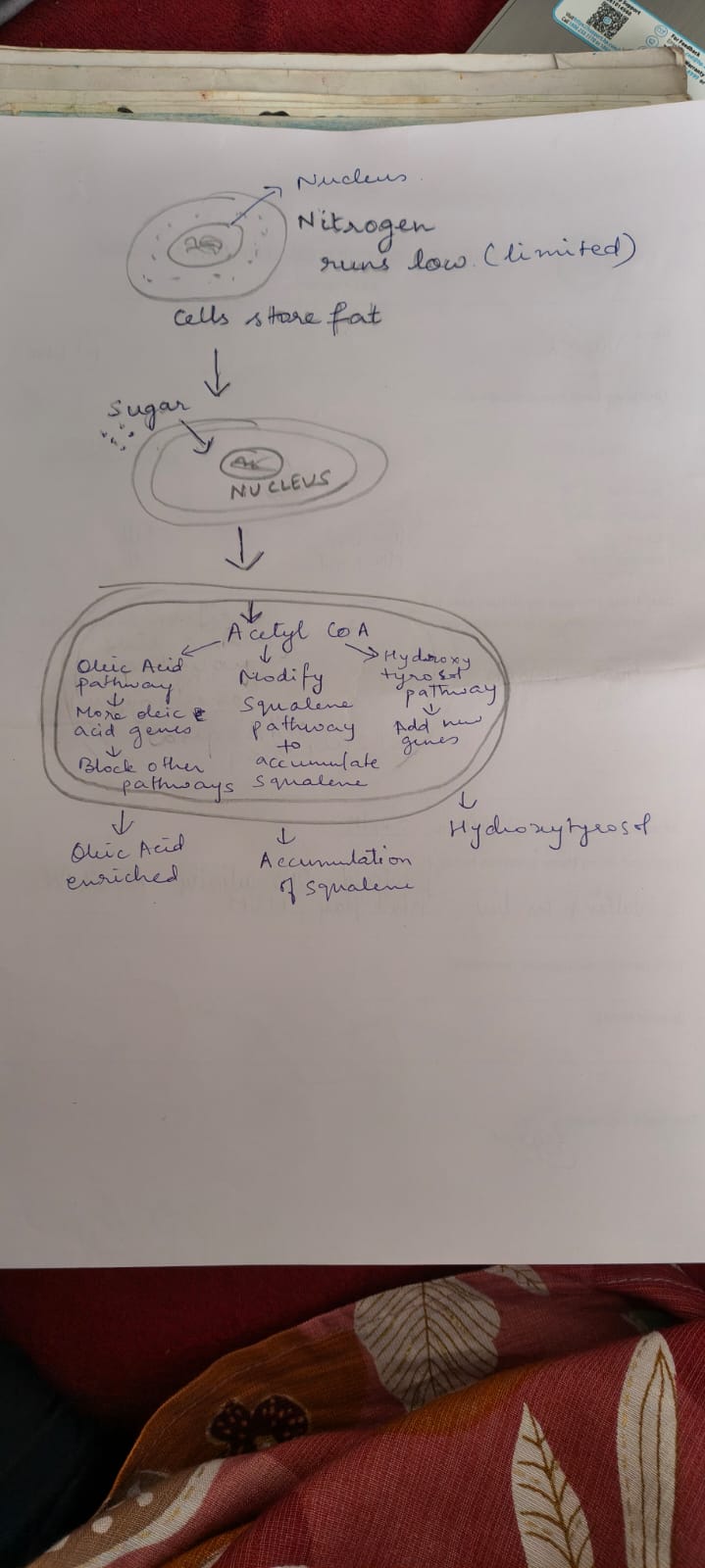
Cells grow normally on sugar.
When nitrogen runs low, cells switch to storing fat — genetic tweaks (boost oleic-acid-making genes, block competing pathways) push that fat to be mostly oleic acid, like olive oil.
A tweak to the yeast’s own sterol pathway makes it accumulate squalene instead of converting it further.
Added genes (borrowed from pathways proven in E. coli/yeast) let the cell make hydroxytyrosol, olive oil’s main antioxidant, from tyrosine.
Out: Yeast biomass full of oil droplets + hydroxytyrosol dissolved in the broth. Break open the cells, extract the oil, separately extract the hydroxytyrosol, then blend them into one finished product.
3)How would you use automation?
What I’d automate: Building and screening many strain variants at once — for all three engineering pieces (oleic acid, squalene, hydroxytyrosol) would be cumbersome.
Why this step: Each piece has many design choices to test (different genes, promoter strengths, knockdown levels). Testing these by hand is slow and inconsistent — and this is also where the biggest unknowns are (especially hydroxytyrosol in Yarrowia, never done before), so testing more variants matters most here.
How: Robot pipettes DNA into cells, picks colonies into plates
Robot grows cultures and triggers nitrogen starvation at the same exact time across all wells
Robot adds Nile Red dye, a plate reader quickly ranks all strains by fat content (similar quick tests could work for squalene/hydroxytyrosol)
Only the best strains move on to slower, precise lab tests (GC-MS, HPLC)
Why it helps: Faster, more consistent than pipetting by hand, and lets you test far more variants per week — freeing people up to solve the harder problems instead of repetitive pipetting. Less error prone.
4)How much would you need to make, and how long would it take?
Back-of-envelope: scaling up the Yarrowia olive-oil-equivalent
Step1
“Let’s say we want to make 100 tonnes of oil a year — enough to actually sell as a product, not just a lab experiment.”
Step 2 — Convert to daily production
Assumes the plant runs ~300 days/year,
$$100,000 \text{ kg / year} \div 300 \text{ working days} \approx 333.33 \text{ kg oil/day}$$
≈ ~330 kg oil/day
Step 3 — Estimate feedstock needed
Assume the yeast turns sugar into oil at roughly 20% efficiency" (0.2 g oil per g glucose — a commonly cited rough figure for engineered oil-producing yeast,
330 kg oil ÷ 0.2 ≈ ~1,650 kg glucose/day
Oil Yield per Liter per Batch:100 g DCW/L × 50% = 50 g oil/L
Target Oil per Batch (5-day cycle):330 kg oil/day × 5 days = 1,650 kg oil per batch
Required Working Volume:1,650,000 g ÷ 50 g/L = 33,000 liters working volume
So: 1 liter of culture ≈ 50g oil.
To get 330 kg/day over a 5-day cycle → need 1,650 kg oil per batch
→ 1,650,000 g ÷ 50 g/L ≈ ~33,000 liters
“So I’d need one big ~30,000-40,000 liter tank running continuously — that’s industrial scale, similar to existing fermentation plants for things like citric acid.”
Timeline Estimate
Phase
What happens
Time
Strain/pathway engineering
Build and test the genetic modifications needed to make the target product
1–2 yrs per pathway (can overlap if working on multiple at once)
Combine into one stable strain
Merge everything into a single organism and confirm it still grows and produces reliably
0.5–1 yr
Scale-up
Move from small flask/lab scale to pilot to full production volume
1–1.5 yrs
Regulatory approval
Get clearance to sell (food, supplement, or drug pathway, depending on product)
1–2+ yrs (can overlap with scale-up)
5)What don’t you know yet?
Real scientific unknowns
Whether hydroxytyrosol production actually works in Yarrowia — only proven in E. coli/yeast so far
Whether combining all three engineered pathways in one cell causes unexpected problems (growth defects, instability),burden on cell, cell toxicity
Estimates, not verified numbers
Yield/density figures (0.2 g oil/g glucose, 100 g DCW/L) are typical for oleaginous yeast in general — not measured for this specific strain, which doesn’t exist yet
The 4–6 year timeline is based on similar companies’ history, not a real project model
AI prompts used
Different ideas for biomanufacturing insulin in rice
can we peogram rice to produce something that makes it less diabetic?
which is healthier palm oil or olive oil?
can olive oil be produced in microbes?
an olive oil equivalent
can I imitate the pathway producing olive oil in plants to cyanobacteria or algae?
any other living system suitable for olive oil prodcution?
has olive oil already been peoduced by organisms?
can Yarrowia be used to produce olive oil as a whole?
can olive oil be manufactured as such in the microrganism?
Timeline approximation.
References:
Jach, Monika Elżbieta, and Anna Malm. 2022. “Yarrowia lipolytica as an Alternative and Valuable Source of Nutritional and Bioactive Compounds for Humans” Molecules 27, no. 7: 2300. https://doi.org/10.3390/molecules27072300
Lee S, Lee JH, Park HJ and Baek S-H (2025)
Yarrowia lipolytica as a promising cell factory for microbial production of value-added nutraceuticals . Front. Bioeng. Biotechnol. 13:1673169. doi: 10.3389/fbioe.2025.1673169
Barrera-Chamorro, Luna, Teresa Gonzalez-de la Rosa, Jose L. del Rio-Vazquez, Maria Torrecillas-Lopez, Elvira Marquez-Paradas, Carmen M. Claro-Cala, Sergio Montserrat-de la Paz, and Maria D. Navarro-Hortal. 2026. “Olive Oil as a Modulator of Gut Microbiota and Intestinal Health: A Narrative Review from Microbial Metabolism to Host Responses” Nutrients 18, no. 14: 2235. https://doi.org/10.3390/nu18142235
week-02-HW-dna-design
Part 0: Set up in Kernel
Get oriented in the software tool before you design anything.
Log in to Kernel and join the HTBAA 2026 workspace.
Create a repository for your project, and inside it a folder named for you and your project, e.g. lastname-project.
Spend some time exploring: open an existing part and an existing construct and notice the difference. Check out the different tools and ask Kernel AI some questions!
Part 1: Define your expression target
What molecule are you expressing? A protein, an RNA, or an enzyme (or small set of enzymes) for a pathway. If your HW1 product is a material, food, or chemical, identify the protein(s) that produce it and design for those.
I want to express an equivalent of olive oil (high-oleic fat + hydroxytyrosol antioxidant + squalene) in Yarrowia lipolytica.
What is the sequence? Give the protein or RNA sequence, or the specific gene, you will encode, and say where it comes from (a database accession such as UniProt or NCBI, a known part, or de novo). Cite it.
The entire set up involves 3 modules:
Module 1: High-Oleic Acid & Oil Matrix
YlOLE1 (Δ9-fatty acid desaturase)Function: Converts saturated stearic acid (C18:0) into monounsaturated oleic acid (C18:1) to match the fatty acid profile of olive oil.Accession / Source: NCBI: XM_501496.1 / UniProt: Q6C8G4 (Yarrowia lipolytica strain CLIB122 — Cisgene)
YlDGA1 (Diacylglycerol acyltransferase, Type 1)Function: Phospholipid-associated enzyme that packs the synthesized oleic acid into neutral triacylglycerol (lipid) droplets.Accession / Source: NCBI: NC_006072.1 (Region: 1686616..1688190) / UniProt: Q6C526 (Yarrowia lipolytica strain CLIB122 — Cisgene)
YlFAA1 (Long-chain-fatty-acid–CoA ligase / Acyl-CoA Synthetase)Function: Activates free fatty acids by binding them to Coenzyme A, preventing intracellular toxicity and channeling oleic acid directly into triglyceride synthesis.Accession / Source: NCBI: XM_503255.1 / UniProt: Q6C0F1 (Yarrowia lipolytica strain CLIB122 — Cisgene)
Module 2: Squalene Accumulation & Retention
tYlHMG1 (Truncated 3-hydroxy-3-methylglutaryl-coenzyme A reductase)Function: Overproduces the mevalonate pathway flux to synthesize high levels of squalene. N-terminal membrane anchor is removed de novo to bypass feedback inhibition.Accession / Source: Derived from NCBI: XM_501535.1 / UniProt: Q01314 (Yarrowia lipolytica strain CLIB122 — Modified Cisgene, remove amino acids 1–191)
YlERG1 (Squalene epoxidase) — Promoter Swap / AttenuationFunction: Throttles the degradation of squalene. Replacing its strong native promoter with a weak/repressible one (like pMET25) pools high amounts of squalene in the oil droplets.Accession / Source: NCBI: XM_501358.1 / UniProt: Q6C8B5 (Yarrowia lipolytica strain CLIB122 — Host genomic modification)
Module 3: Hydroxytyrosol Antioxidant Synthesis
YlARO4^fbr (Feedback-resistant 3-deoxy-D-arabino-heptulosonate-7-phosphate synthase)Function: Floods the cell with tyrosine, which Yarrowia’s native Ehrlich pathway automatically turns into tyrosol. Bypasses natural metabolic shutdown via an engineered point mutation (K221L or G226S).Accession / Source: Derived from NCBI: XM_501723.1 / UniProt: Q6CG41 (Yarrowia lipolytica strain CLIB122 — Modified Cisgene)
hpaB (4-hydroxyphenylacetate 3-monooxygenase, oxygenase component)Function: Works alongside hpaC to directly hydroxylate the abundant tyrosol intermediates into hydroxytyrosol.Accession / Source: NCBI GenBank: CP000948.1 / Gene ID: 6060136 (Escherichia coli strain W — Transgene, requires eukaryotic codon-optimization)8. hpaC (4-hydroxyphenylacetate 3-monooxygenase, reductase component)Function: Couples with hpaB as the essential electron transfer/reductase system to drive the hydroxylation reaction.Accession / Source: NCBI GenBank: CP000948.1 / Gene ID: 6062145 (Escherichia coli strain W — Transgene, requires eukaryotic codon-optimization)
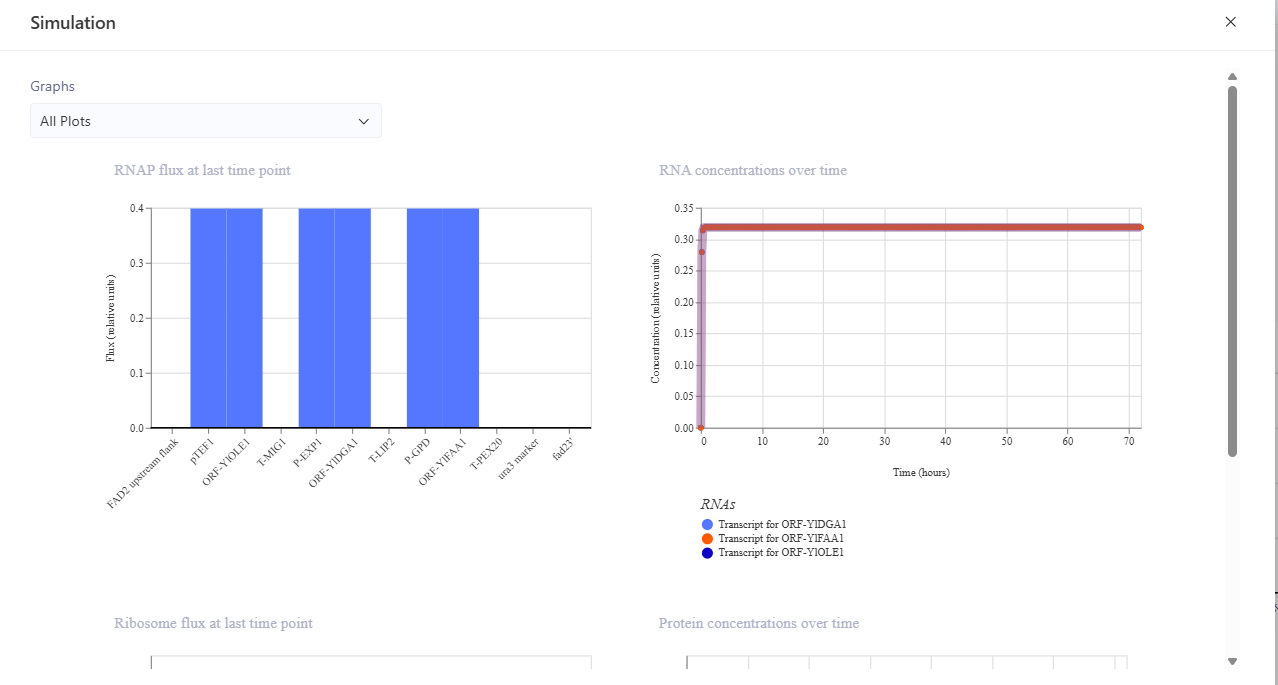
There was an error in the stimulation for this set up so i worked out anotehr design:
Module 1
E. coli Cloning Backbone
• Selection Marker: AmpR or KanR promoter and open reading frame (for selection in E. coli).
• Origin of Replication: ori (e.g., pUC ori for high-copy propagation in E. coli).
5’ Homology Integration Arm
• Arm_5-FAD2: The upstream genomic flanking sequence of the Y. lipolytica FAD2 gene to direct homologous recombination.
• [Marker A: URA3]: The URA3 expression cassette (native promoter + URA3 marker gene + native terminator) for selection in uracil auxotrophic strains.
3’ Homology Integration Arm
• Arm_3-FAD2: The downstream genomic flanking sequence of the Y. lipolytica FAD2 gene to complete the double-crossover knockout.
E. coli Backbone Closure
• The remainder of the plasmid backbone vector sealing the circular plasmid map.
Module 2
E. coli Cloning Backbone
• Selection Marker: AmpR or KanR (Choose whichever variant you did not use for Plasmid 1 to prevent cross-contamination during library storage).
• Origin of Replication: ori (e.g., pUC origin).
5’ Homology Integration Arm
• Arm_5-POX2: The genomic flanking sequence directly preceding the start codon of the Y. lipolytica POX2 gene to target the locus for disruption.
• P-EXP1: Strong constitutive promoter.
• YlGPD1: Y. lipolytica Glycerol-3-phosphate dehydrogenase coding sequence. Overexpressing GPD1 while knocking out GUT2 maximizes the glycerol backbone pool specifically for lipid assembly.
• T-PEX20: Transcriptional terminator.
Yeast Selection Marker
• [Marker C: HIS1]: The Y. lipolytica HIS1 expression cassette (native promoter + HIS1 marker gene + native terminator) for selection via histidine auxotrophy complementation.
3’ Homology Integration Arm
• Arm_3-GUT2: The genomic flanking sequence directly following the stop codon of the GUT2 gene to complete the double-crossover knockout.
E. coli Backbone Closure
• The remaining loop of the plasmid vector.
References & Citations
1.Qiao, K., et al. (2015). “Engineering Yarrowia lipolytica for high-value lipid production.” Metabolic Engineering, 29, 56-65. (Validates YlOLE1 and YlDGA1 for tailored high-oleic triglyceride accumulation).
2.Dulermo, T., et al. (2015). “The fatty acid activation machinery in Yarrowia lipolytica.” Biochimica et Biophysica Acta (BBA) - Molecular and Cell Biology of Lipids, 1851(5), 620-628. (Validates YlFAA1 role in driving acyl-CoA flux).
3.Huang, M., et al. (2018). “Establishing a high-yielding squalene platform in Yarrowia lipolytica.” Metabolic Engineering, 48, 169-178. (Validates the truncation of YlHMG1 and attenuation of YlERG1 for squalene preservation).
4.De Bruyn, F., et al. (2016). “Bypassing feedback inhibition of aromatic amino acid biosynthesis in yeast.” Biotechnology and Bioengineering, 113(10), 2191-2200. (Validates the feedback-resistant mutations in ARO4).
5.Yao, K., et al. (2020). “De novo biosynthesis of hydroxytyrosol in engineered organisms using the hpaB/hpaC monooxygenase system.” ACS Synthetic Biology, 9(4), 896-904. (Validates the utilization of E. coli hpaB/hpaC for high-yield phenolic antioxidant production).
What host or chassis? The living system from HW1, for example E. coli, S. cerevisiae, CHO or another mammalian line, or a cell-free system. Your host drives almost every part choice that follows.
Chassis-Yarrowia lipolytica
Where does the product need to go? Cytoplasm, secreted, membrane, or a compartment? This decides whether you need a signal peptide or targeting sequence.
The product (high-oleic fat + hydroxytyrosol antioxidant + squalene) sits in the cytopalsm. The whole cell has to be lysed to release the contents hence no signal peptide or target sequence is required.
Part 2: Design your genetic parts
Every construct is built from parts. Decide which parts your target needs, then create or import each one in Kernel with the correct part type. At minimum, choose the elements below for your host.
For each part you use, record in Kernel (and note in your write-up):The part type and a short name.Its sequence and where it came from (a Kernel part, a database, or designed).One sentence of justification, why this part, for this host, for this product.
You do not need to hand-design a backbone from scratch; you may reuse an existing one and say what it provides.
Part Type
Short Name
Source / Origin
Part Justification (Why this part for this host/product)
Homology Flank
Arm_5-AXP1
NCBI: NC_006072.1
Directs the site-specific integration of Construct 1 into the neutral AXP1 genomic locus without disrupting essential cell functions.
Promoter
P-TEF1
NCBI: NC_006072.1
Provides ultra-strong, constitutive drive to keep the Δ9-desaturase active for maximum conversion of saturated fats to oleic acid.
ORF
YlOLE1
UniProt: Q6C8G4
Natively encodes Yarrowia’s Δ9-fatty acid desaturase to establish the base 66-78% monounsaturated oleic acid profile.
Terminator
T-XPR2
NCBI: NC_006072.1
Offers highly stable transcriptional termination for YlOLE1 using a non-repeating sequence to prevent genomic deletions.
Promoter
P-EXP1
NCBI: NC_006072.1
Delays peak YlDGA1 expression until the growth phase, preventing early oil accumulation from slowing cell division.
ORF
YlDGA1
UniProt: Q6C526
Natively drives the final step of triacylglycerol assembly, packing the manufactured oleic acid into intracellular oil droplets.
Terminator
T-LIP2
NCBI: NC_006072.1
Protects YlDGA1 transcripts from degradation during high-rate lipid synthesis in the growth phase.
Promoter
P-GPD
NCBI: NC_006072.1
Provides a reliable, constitutive glycolytic driver to keep the fatty acid activation machinery continuously operational.
ORF
YlFAA1
UniProt: Q6C0F1
Actively couples free oleic acid to Coenzyme A, preventing intracellular lipotoxicity and routing fatty acids into storage.
Terminator
T-PEX20
NCBI: NC_006072.1
Terminates YlFAA1 cleanly using a distinct, high-efficiency sequence structure to preserve chromosomal stability.
Homology Flank
Arm_3-AXP1
NCBI: NC_006072.1
Completes the double-crossover homologous recombination event required to lock Construct 1 into the chromosome.
Homology Flank
Arm_5-XPR2
NCBI: NC_006072.1
Targets the upstream regulatory sequence of the native YlERG1 gene to orchestrate the targeted promoter swap.
Promoter
P-HP4d
Synthetic / Designed
Overcomes native yield ceilings via multiple upstream activating sequences to push maximal carbon flux into terpenes.
ORF
tYlHMG1
Designed (UniProt: Q01314)
Truncating the N-terminal anchor creates a soluble cytosolic enzyme that evades standard feedback inhibition to hyper-accumulate squalene.
Terminator
T-OCT
NCBI: NC_006072.1
Terminates the heavily transcribed tYlHMG1 transcript cleanly to protect downstream genomic expressions.
Promoter
P-MET25
NCBI: NC_006072.1
Acts as a gentle genetic throttle for native YlERG1 to stop squalene from being broken down while keeping the cell alive.
Homology Flank
Arm_3-XPR2
NCBI: NC_006072.1
Recombines directly with the 5’ end of the native YlERG1 coding region to successfully complete the promoter replacement loop.
Homology Flank
Arm_5-Zeta
Retrotransposon Target
Employs highly repetitive, neutral retrotransposon sites to integrate the antioxidant machinery into the genome.
Promoter
P-POX2
NCBI: NC_006072.1
Automatically activates the tyrosine pathway using lipid-inducible triggers as the cell fills with oleic acid.
ORF
YlARO4_K221L
Designed (UniProt: Q6CG41)
Incorporates a K221L mutation that makes the enzyme blind to tyrosine feedback, constantly pumping out the core antioxidant building block.
Terminator
T-POT1
NCBI: NC_006072.1
Provides clean, non-homologous transcriptional arrest for the engineered YlARO4 sequence.
Promoter
P-TEF1-short
NCBI: NC_006072.1
Deploys a trimmed promoter to give a stable, moderate-strength expression level for the multi-subunit antioxidant system.
ORF
hpaB_opt
Designed (NCBI: CP000948.1)
Codon-optimized bacterial oxygenase designed to process the host’s highly abundant natural tyrosol pool straight into hydroxytyrosol.
Linker
L-T2A
Designed (viral peptide)
Causes a ribosomal skip during translation to guarantee a perfectly balanced 1:1 ratio of the two active antioxidant subunits.
ORF
hpaC_opt
Designed (NCBI: CP000948.1)
Codon-optimized bacterial reductase that pairs flawlessly with hpaB to drive the final antioxidant synthesis cycle.
Terminator
T-CYC1
NCBI: NC_006072.1
A well-characterized terminal element that stabilizes the multi-cistronic hpaB-T2A-hpaC mRNA block.
Homology Flank
Arm_3-Zeta
Retrotransposon Target
Completes the crossover event at the final integration site, finalizing the installation of the entire active platform.
The parts for 3 plasmid modules as the above design did not work in simulation
Module & Target Locus
Part Type
Short Name
Source / Origin
Part Justification (Why this part for this host/product)
Module 1: Pull & Accumulate (Target Locus: FAD2)
Homology Flank (5')
Arm_5-FAD2
Y. lipolytica gDNA
Guides double-crossover homologous recombination into the native FAD2 locus.
Drives stable expression of the cytoplasmic backbone channeling enzyme.
Coding Sequence (3)
YlGPD1
Y. lipolytica
Glycerol-3-phosphate dehydrogenase; overproduces the glycerol backbone specifically for TAG assembly.
Terminator (3)
T-PEX20
Y. lipolytica
Terminal boundary vector for the multi-gene block.
Selection Marker
[Marker C: HIS1]
Y. lipolytica
Complements histidine auxotrophy; provides the third distinct marker to keep all 3 modules stable.
Homology Flank (3')
Arm_3-GUT2
Y. lipolytica gDNA
Completes integration. Knocking out GUT2 traps glycerol in the cytoplasm, forcing oil synthesis.
Part 3: Assemble your construct
Now put the parts together into a single construct in Kernel.
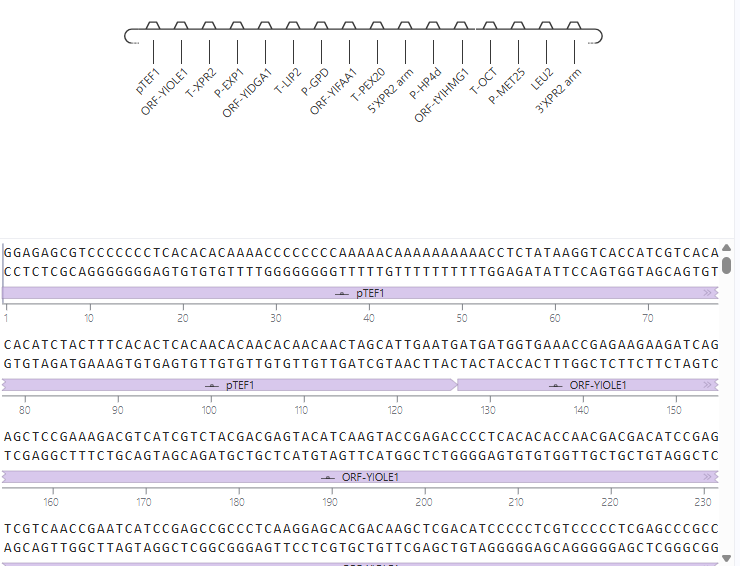
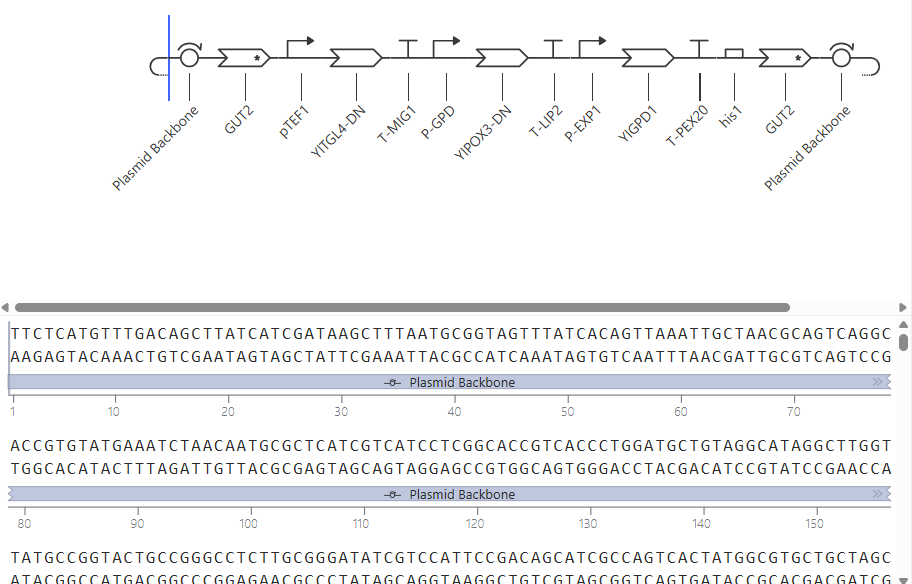
Create a new construct in your folder and add your parts in the correct 5’→3’ order for your host (for a basic expression cassette: promoter → RBS or 5’ UTR/Kozak → CDS → terminator, plus any signal peptide or tag, in the vector backbone).Check the assembled sequence: the reading frame is intact, the start and stop codons are where you expect, and there are no accidental internal stops.
Look at the construct map Kernel renders and confirm the parts sit in the order and orientation you intended.
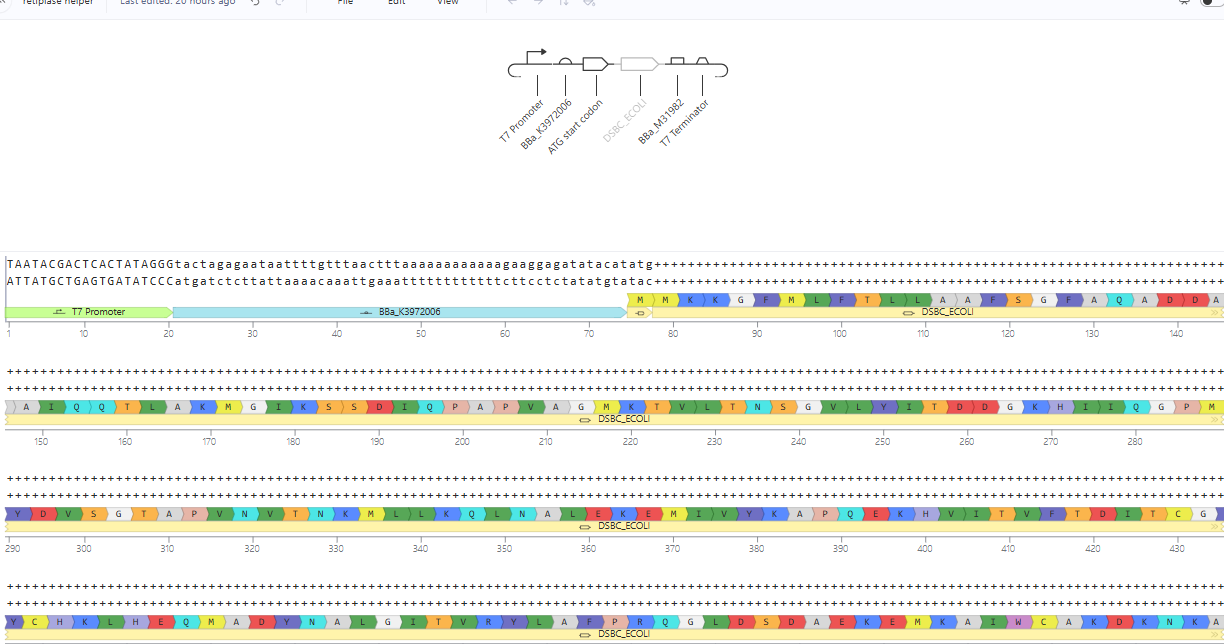
Deliverable for this part: your assembled construct in Kernel, plus an exported schematic of it in your write-up, with a brief description of the design.
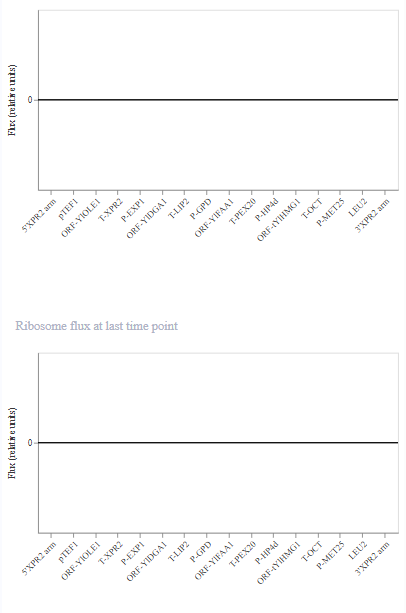
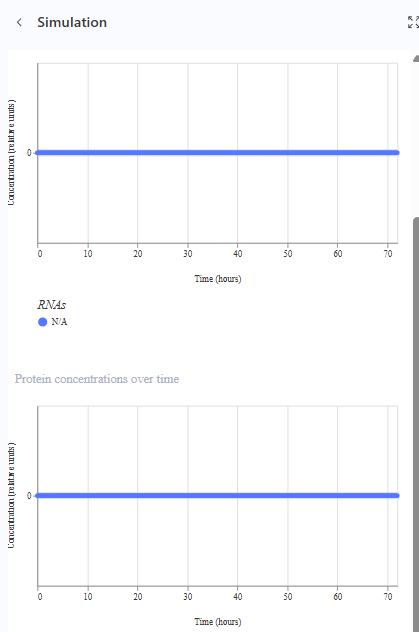
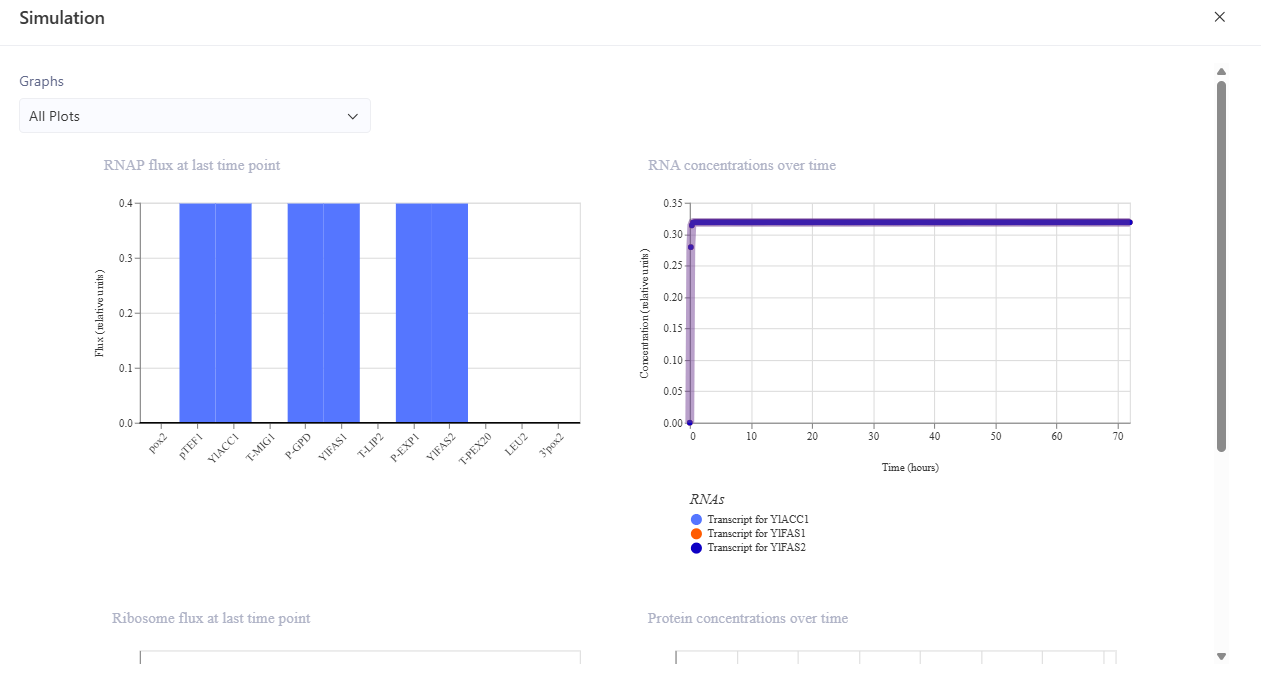
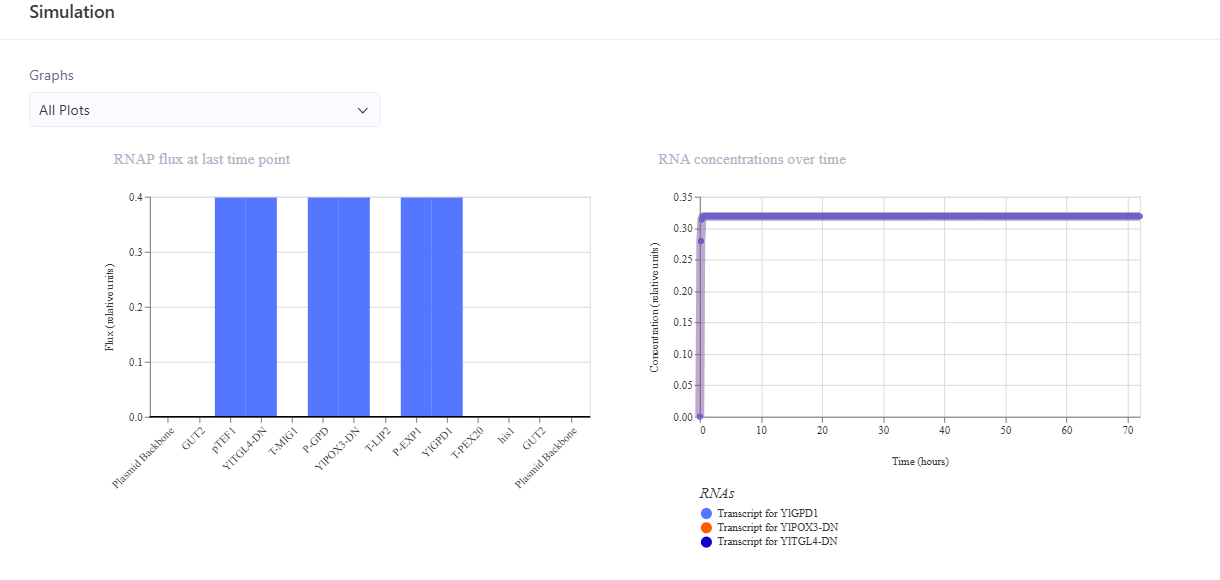
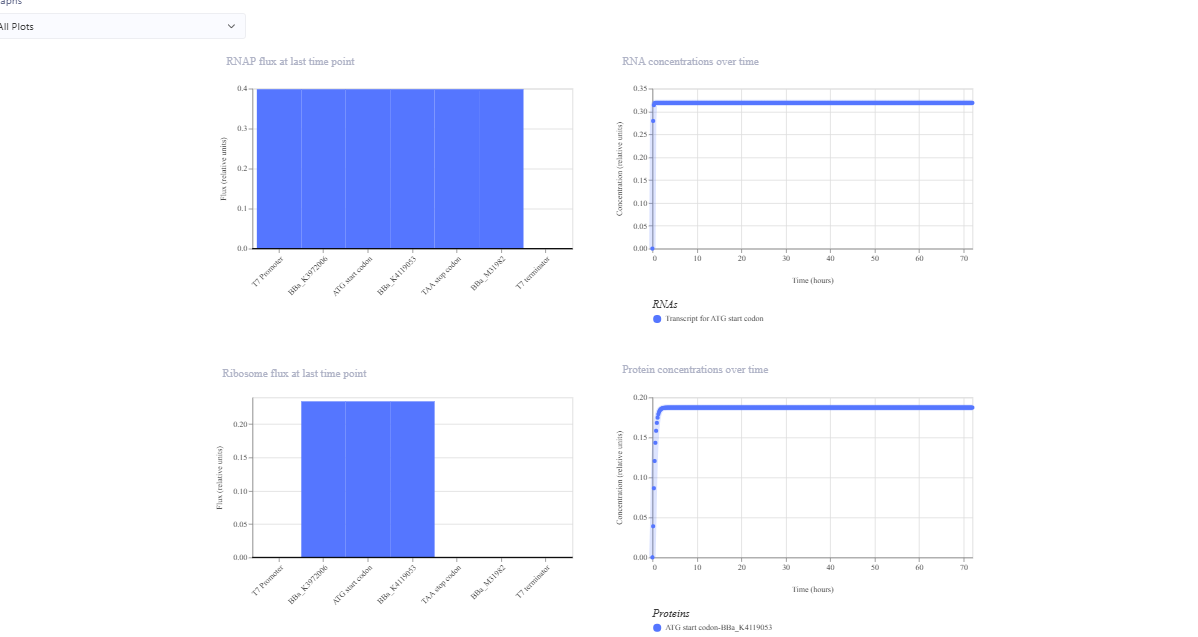
I have got an error in my construct hence it is not transcribed in te simulation section. This could be due to the fact that kernel uses e.coli as chassis for simulation, and my chassis is different.
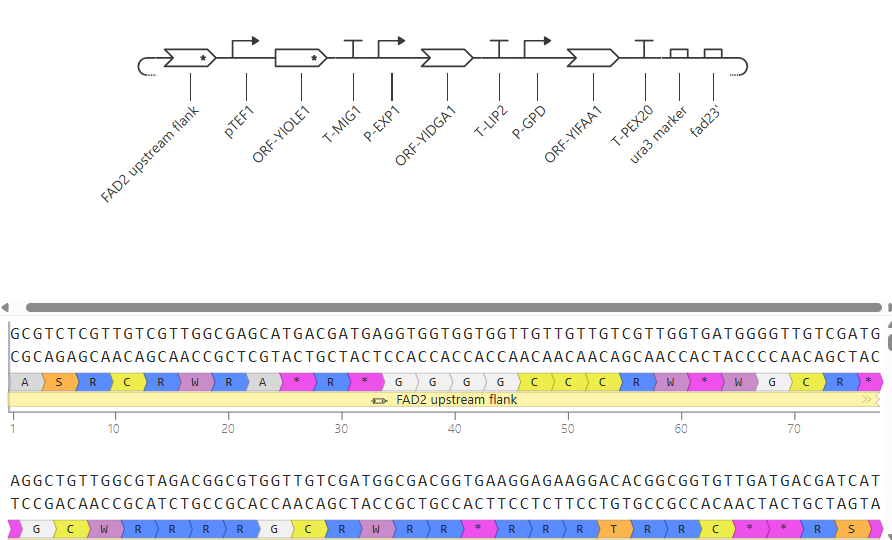
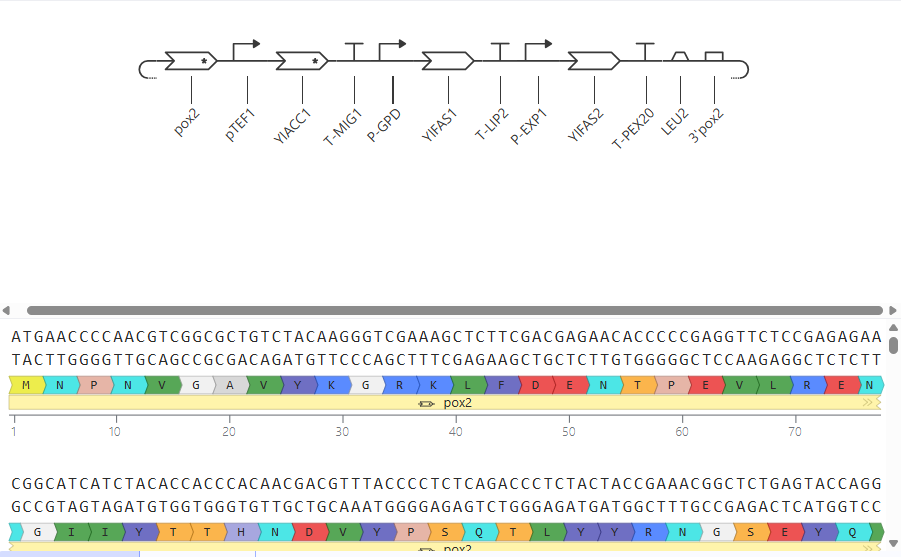
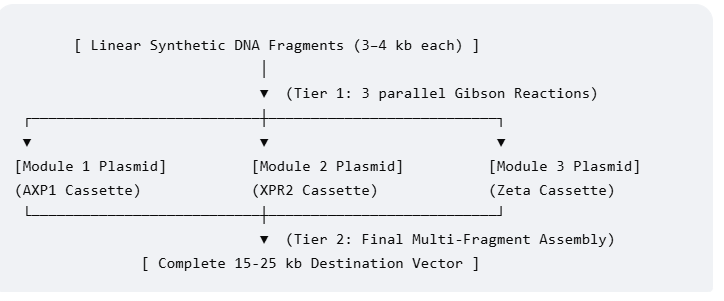
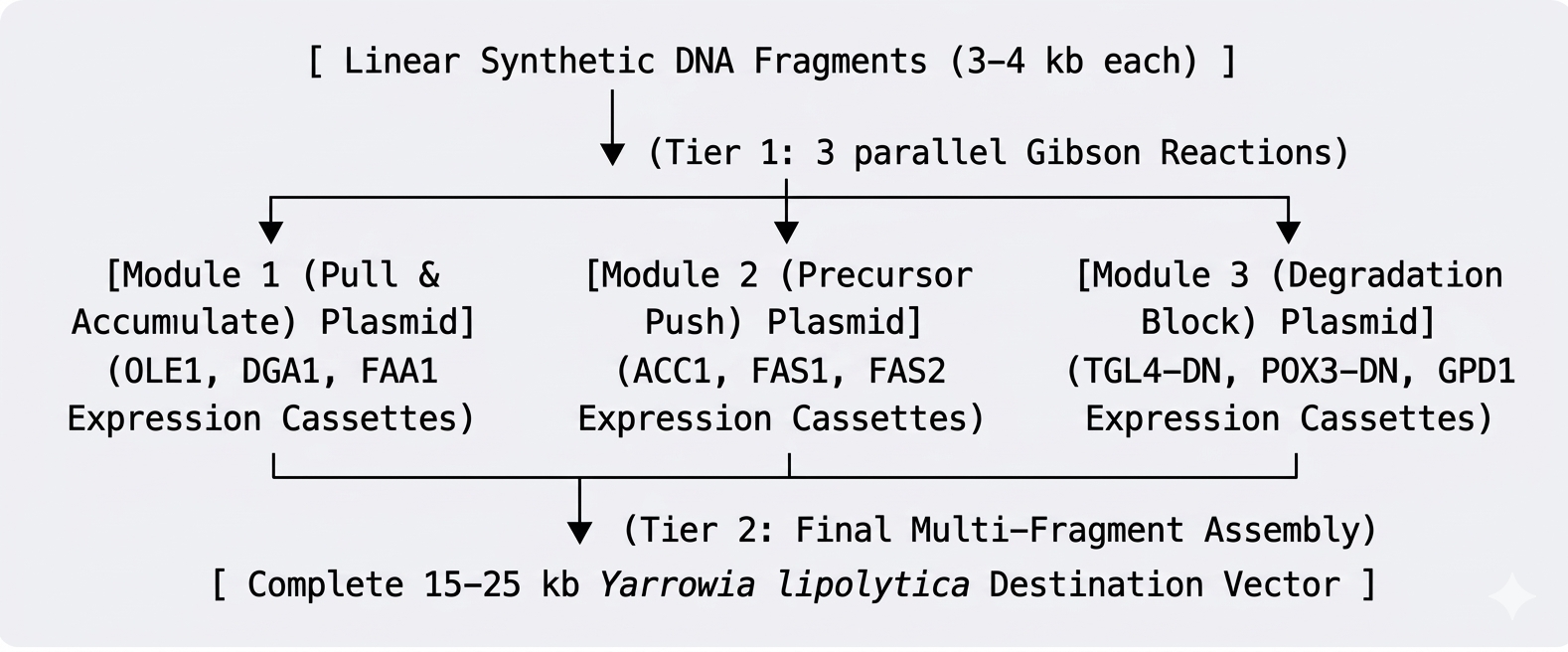
I changed the construct to three different plasmid constructs as the single construct was massive. The plasmids are used for integrating into the chassis; genome and knocking out the FAD2 gene, POX gene and Zeta
Part 4: Optimize and quality-check
Use Kernel’s design tools on your coding sequence and construct, and interpret the results rather than just running them.
Codon-optimize your CDS for your chosen host. Compare before and after: what changed, and why does codon usage matter for expression in this organism? Note any constraints you applied (e.g. avoiding certain restriction sites, GC content).Search your sequence (BLAST / sequence search) against known sequences. Is your CDS what you think it is? Is it identical to a natural gene, or novel? What is the closest match?Run the safety screen on your construct. Summarize what it checks for and what it reports. If it flags something, explain whether it is expected for your design and how you would respond.
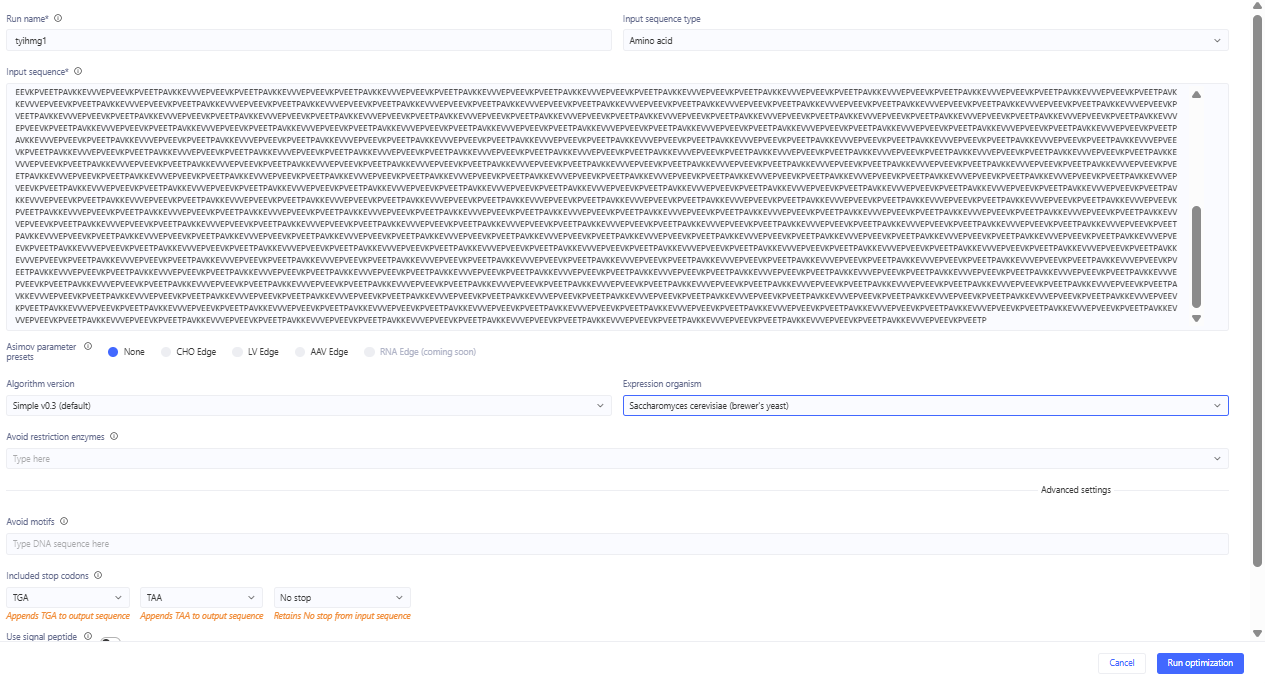
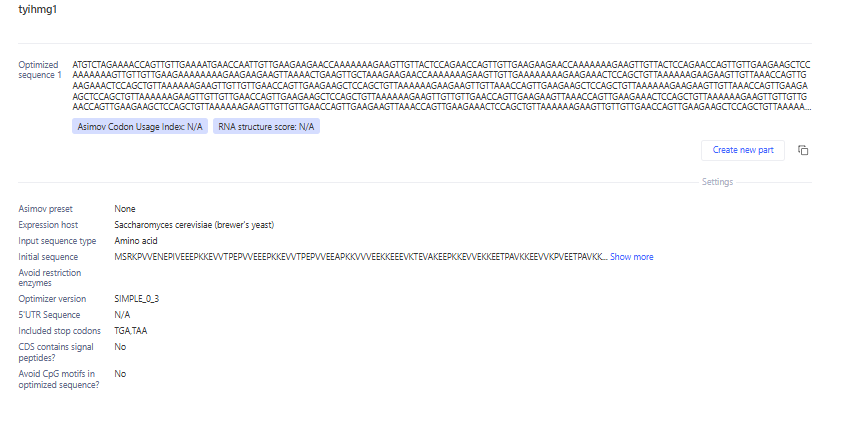
I ran the kernel codon optimization tool and below are the results: I ran the codon optimization in Saccharomyces cerevisae because my sequence was already codon optimized for Yarrowia lipolytica.
The codon optimization is important because of codon degeneracy that is each amino acid can be coded for by more than one codon. So it is the organisms prefernce to use codon of its choice to produce the amiono acid.
There is a change in both organisms as the GC content is less in yeast compared to host organism.
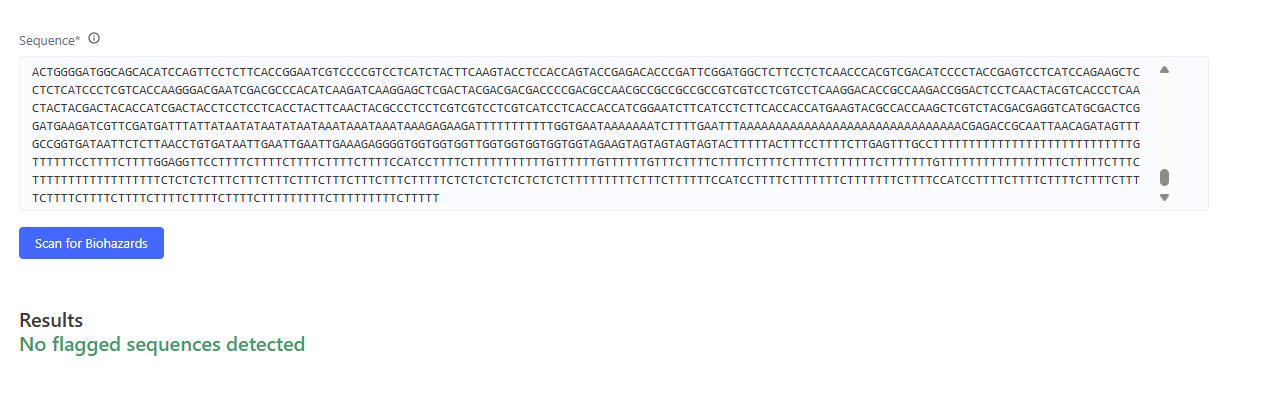
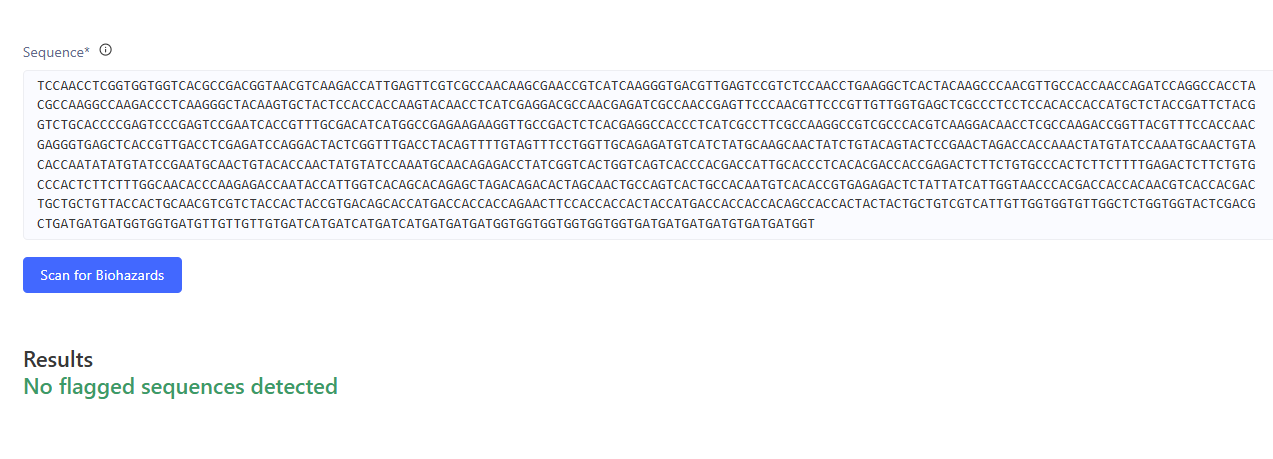
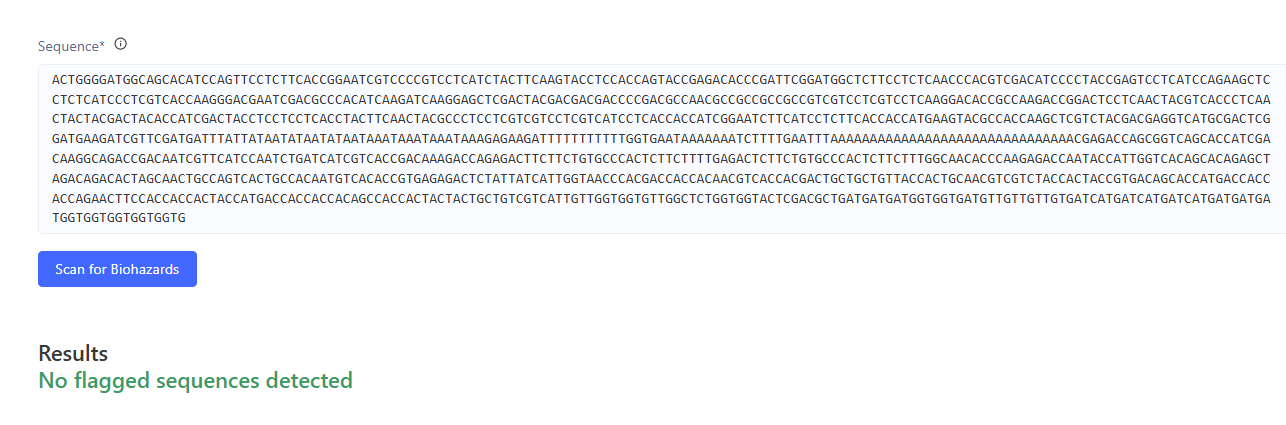
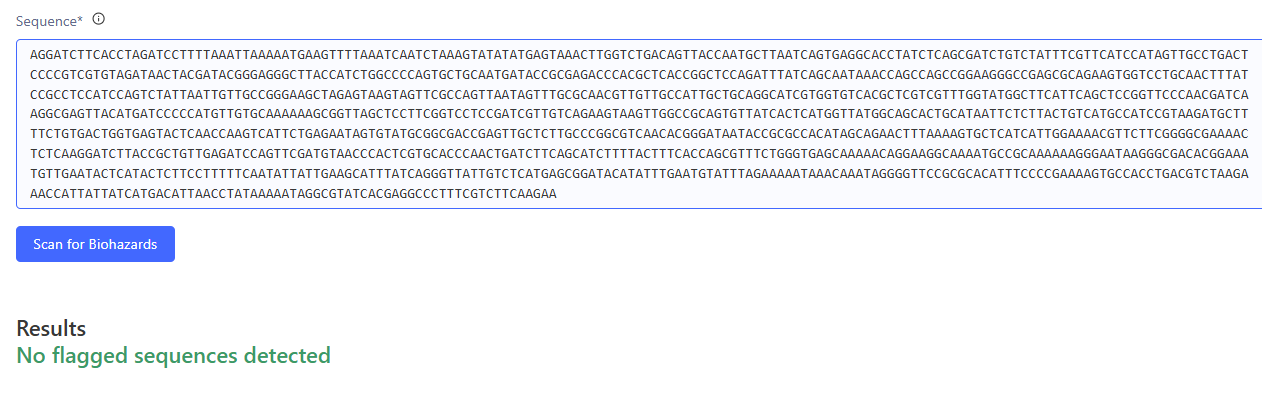
I ran the kernel’s Biosecurity Sequence scanner and got the above results
What it Checks For: Regulated Pathogens & Toxins: Matches to “Select Agents” or controlled human, animal, or plant pathogens (e.g., specific viral replication machinery, select bacterial toxins). Dual-Use Research of Concern (DURC): Genes that could inherently enhance the virulence, lethality, transmissibility, or host range of a dangerous biological agent. High-Risk Homology: Significant Sequence Identity (typically (>95%) nucleotide alignment or significant functional protein homology) to restricted items.
The three plasmid designs
I concluded that my gene construct is now codon optimised and can run in the desired chassis atleast in software.The biosecurity scanning states that my organisms is free from causing any detrimental effects to environment and does not possess any harmful virulent genes.
Part 5: From design to build
A sequence in software is not yet DNA. Using this week’s readings, reason about how your construct would actually be made. Answer in your write-up:
How would you build it? Would you order it as synthetic DNA, assemble it from smaller fragments (e.g. Gibson assembly), or build it from a pool of oligos synthesized on a chip? Justify your choice given your construct’s length and complexity.
The optimal approach is a hybrid method: order smaller synthetic gene fragments (gBlocks/eBlocks) from a vendor, and assemble them using Gibson Assembly or Golden Gate Assembly into a vector.
Fully assembled clonal plasmid from a provider like Twist Bioscience or GenScript is prohibitively expensive.
Assembling a 20+ kb sequence entirely from a pool of 200-bp oligos requires complex, multi-tiered hierarchal assembly and extensive screening. The error rate from chip-synthesized oligos is too high to reliably build a construct of this length.
4 or 5 sequence fragments of 3–5 kb each, you leverage cheap, high-fidelity commercial synthesis. You can then cleanly join these fragments in a single reaction using Gibson Assembly (via 30-bp overlapping regions) or Golden Gate Assembly
What does synthesis constrain? Synthesis has error rates and struggles with certain sequences. Does your design contain anything hard to synthesize? How would error correction or fragment-based assembly change your approach?
Repetitive Promoters (P-TEF1 and P-TEF1-short): Having two versions of the exact same promoter in the same construct creates massive direct repeats.it poses a severe risk of homologous recombination and loop-out deletions once transformed into Yarrowia lipolytica.
Transposon integration sites are naturally highly repetitive. These repeat elements cause synthesis machinery to slip, leading to high frame-shift error rates.
Splitting the construct so that P-TEF1 is on Fragment 1 and P-TEF1-short is on Fragment 2 prevents the synthesis provider from having to build them on the same physical piece of DNA.
Due to the risk of structural mutations during cloning, the assembled construct must be validated via long-read Oxford Nanopore sequencing (NGS) to check all junctions.
Prototype vs. scale. Mirroring HW1: the way you’d build one construct to test your idea may differ from how you’d produce DNA at the scale your product needs. Briefly describe both if they differ.
Prototype Phase
Your immediate goal is simply to secure one single, perfectly accurate clone to verify if your Yarrowia strain successfully synthesizes the desired oleic acid, squalene, and hydroxytyrosol yield. You tolerate manual laboratory assembly steps and basic troubleshooting because you only need to screen a few colonies via Colony PCR and confirm the singular winner with sequence verification.
Scale Phase
If your product requires testing thousands of pathway iterations (e.g., swapping out different promoter strengths to fine-tune metabolic flux and maximize yield), ordering unique custom fragments for every single variation becomes a major bottleneck.
At scale, you transition to a standardized Modular Cloning (MoClo) architecture executed by automated robotic liquid handlers. Every individual promoter, coding sequence, and terminator is built and sequence-verified once as a clonal “Level 0” entry plasmid. High-throughput automation lines can then programmatically mix and match these reusable modular components into massive combinations, completely bypassing the need for repeated custom synthesis.
Change in strategy
Part 6: What don’t you know yet?
As in Homework #1, close by naming the edges of your design. Identify the 2–3 biggest unknowns or risks in your construct. For example: Will the promoter give the right expression level? Will the protein fold and be active in this host? Will it be secreted? Is codon optimization enough, or do you need to tune it empirically?
For each, state how you would find out: the measurement, experiment, or design variant you would try next. A good answer here shows you know which decisions are still bets
It is a huge cassette of 3 modules so don’t know whether they will all work together.
The construct might not give me the output as expected because this organism has been tested for other oil production like squalene and oleic acid but not olive oil as a wholeas 3 components.
The modified pathway for production should not be a burden to the chassis, by diverting vital resources, and creating cellular stress.
Module 1 (The FAD2 Locus Bet)
The Unknown: Did the deletion of FAD2 fully lock the lipid profile into an olive oil equivalent (high oleic acid), or is the cell bypassing this block using alternative desaturases or scavenging fatty acids from the media?
• The Measurement: Perform FAME (Fatty Acid Methyl Ester) analysis via GC-MS (Gas Chromatography-Mass Spectrometry) on the harvested cell pellets.
• The Experiment: Grow the integrated strain alongside a wild-type control in minimal media with glucose as the sole carbon source. Harvest cells during late stationary phase, extract the total lipid fraction, transesterify them to FAMEs, and profile the percentages of C18:1 (oleic), C18:2 (linoleic), and C16:0 (palmitic) chains.
• Design Variant to Try Next: If linoleic acid (C18:2) is still detected, it means a cryptic secondary desaturase is active. The next variant to try is a dual knockout targeting both the FAD2 locus and the OLE2 locus (if present/active) using CRISPR-Cas9, or driving the system using a weaker, single-copy truncated selection marker variant like ura3d1 to stabilize the integration footprint.
Module 2 (The POX2 Locus Bet)
The Unknown: Is the “Push” module (ACC1, FAS1, FAS2) functioning at the right stoichiometric balance, or are unbalanced alpha/beta subunits causing protein aggregation, toxic precursor accumulation, or metabolic bottlenecks?
• The Measurement: Measure relative transcript levels via RT-qPCR and functional protein abundance via LC-MS/MS Proteomics.
• The Experiment: Extract total RNA and total protein from actively growing exponential-phase cultures. Quantify the exact ratio of FAS1 to FAS2 transcripts. An unbalanced ratio (e.g., 5:1 instead of a balanced 1:1 functional macromolecular hexamer assembly) flags an expression bottleneck.
• Design Variant to Try Next: If FAS1 or FAS2 expressions are heavily skewed or if free fatty acids are causing lipotoxicity, swap the strong constitutive promoters (P-GPD / P-EXP1) for a pair of strictly matched, identical promoters (e.g., dual bidirectional P-TEF1-P-PGK1 architectures) or integrate a feedback-regulated promoter driven by fatty acid concentrations to prevent precursor overload.
Module 3 (The GUT2 Locus Bet)
The Unknown: Does the dominant-negative YlTGL4-DN mutant successfully crowd out structural lipid-body drop mobilization, or are alternative native lipases (like TGL3 or extracellular lipases) breaking down the oil droplets as fast as you assemble them?
• The Measurement: Monitor Intracellular Lipid Droplet Dynamics using Nile Red or BODIPY staining via Flow Cytometry (FACS) coupled with an intracellular TAG-to-DAG ratio assay.
• The Experiment: Stained cells are evaluated over a time-course experiment during the starvation/stationary phase. If the mean fluorescence intensity drops sharply during stationary maintenance, it proves the cell is successfully mobilizing and burning its oil reserves despite TGL4-DN.
• Design Variant to Try Next: If oil degradation is still occurring, transition from the dominant-negative single-point mutation strategy to a absolute multi-gene knockdown network. Try a CRISPRi (dCas9-Mxi1 multiplex) layout targeting the promoters of TGL3, TGL4, and LIP2 simultaneously, loaded directly onto the integrated GUT2 carrier vector.
The Destination Vector System Bet (The Assembly/Integration Risk)
The Unknown: Why did the multi-gene simulator output a zero-expression profile, and will this massive 15–25 kb continuous block integrate cleanly without structural genome dropouts?
• The Measurement: Verify complete integration structures using Junction PCR followed by Long-Read Whole Genome Sequencing (Oxford Nanopore/PacBio).
• The Experiment: Design diagnostic primers where the forward primer binds outside the genomic homology arm (e.g., native chromosome region) and the reverse primer binds inside your synthetic promoter block. Run PCR amplifications on surviving transformant colonies to confirm true double-crossover events at all three loci.
• Design Variant to Try Next: If long linear transformation yields zero colonies or faulty integrations due to internal homologous loops between identical terminators (T-MIG1, T-LIP2), rebuild the assembly variant using completely orthogonal, non-homologous terminators sourced from alternative yeast species (like Saccharomyces cerevisiae or Kluyveromyces lactis) to completely eliminate internal repetitive loop dropouts.
week-03-HW-cell-free
3. ASSIGNMENT: CFPS REACTION DESIGN FOR SFGFP, PETASE, RETEPLASE
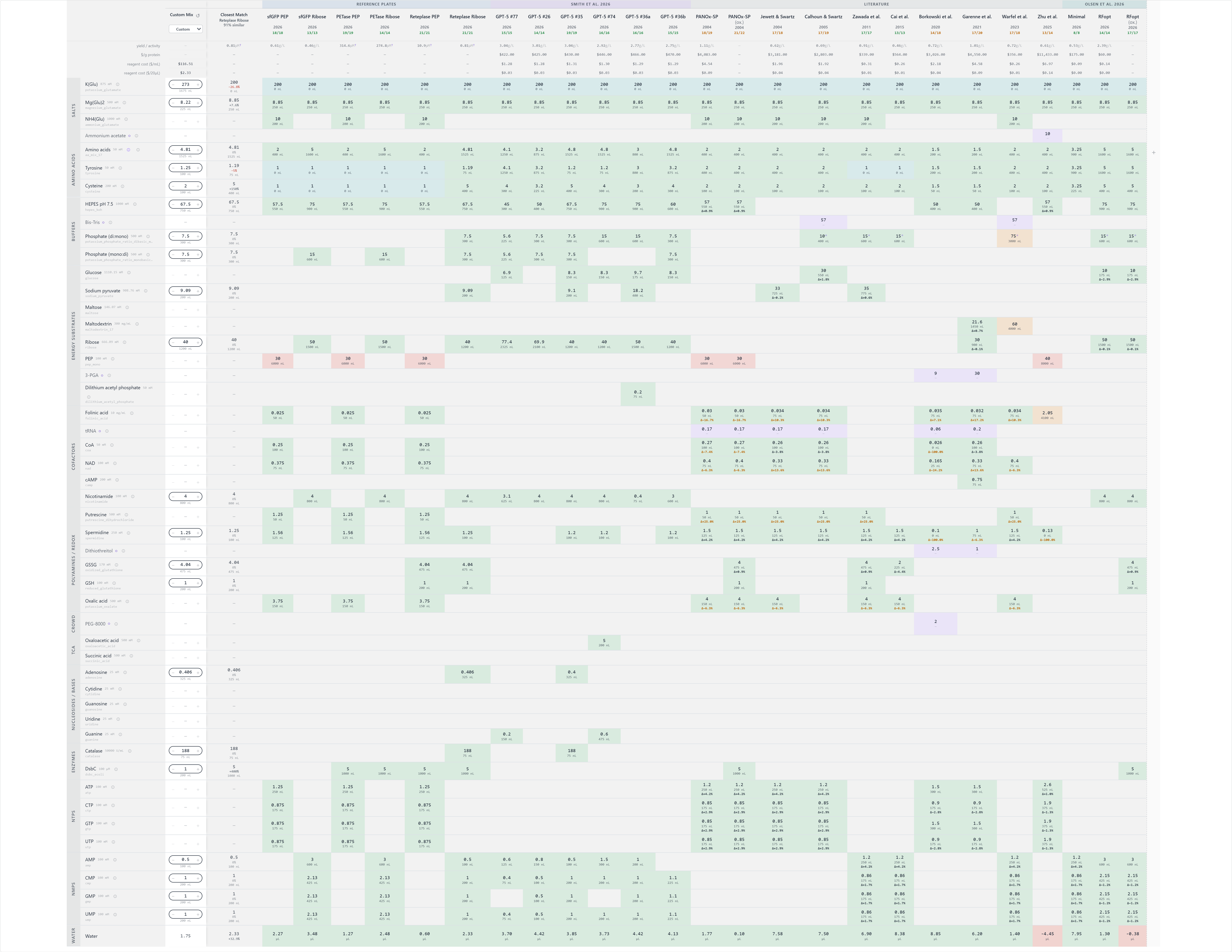
A. COMPARE CELL-FREE REACTION COMPOSITIONS (20 minutes)
Why does the concentration of potassium glutamate and magnesium glutamate differ between compositions? Which is more sensitive?
Potassium glutamate (~50-130+ mM): K⁺ and glutamate are the main ions in E. coli cytoplasm. At these high levels they set the ionic strength and osmotic balance that transcription and translation need.
Magnesium glutamate (~4-20 mM): Mg²⁺ stabilizes ribosomes, nucleic acids and enzyme active sites. Because it is divalent and tightly coordinated, small changes in free Mg²⁺ can sharply reduce or stop protein synthesis.
• Magnesium glutamate is substantially more sensitive to variations in concentration.
• Optimization profiles and mathematical modeling of in-vitro transcription-translation (IVTT) demonstrate that system performance exhibits a sharp, narrow peak for magnesium concentration. Small deviations (a few millimoles too high or too low) result in complete loss of protein yield, whereas the system tolerates a much broader range of potassium glutamate concentrations.
Explain how a PEP+NTP reaction formulation is different from a Ribose+NMP reaction formulation.
Energy regeneration
PEP + NTP: Pyruvate kinase transfers phosphate from PEP straight to ADP/GDP, regenerating ATP/GTP in one step.
Ribose + NMP (+ glucose): The extract’s own metabolism (glycolysis, the pentose phosphate pathway, and kinases such as adenylate kinase) turns cheap NMPs into NTPs.
Phosphate crash (longevity)
PEP + NTP: Each ATP regenerated releases one inorganic phosphate (Pi). Pi builds up, binds Mg²⁺, and stalls ribosomes, so the reaction stops early.
Ribose + NMP: Central metabolism recycles Pi, so Mg²⁺ stays available and synthesis can run much longer (reported up to ~20 h in batch).
Cost
PEP + NTP: PEP and NTPs are expensive and unstable, which is a barrier at scale.
Ribose + NMP: NMPs and sugars are far cheaper and more stable, so the reaction is more economical.
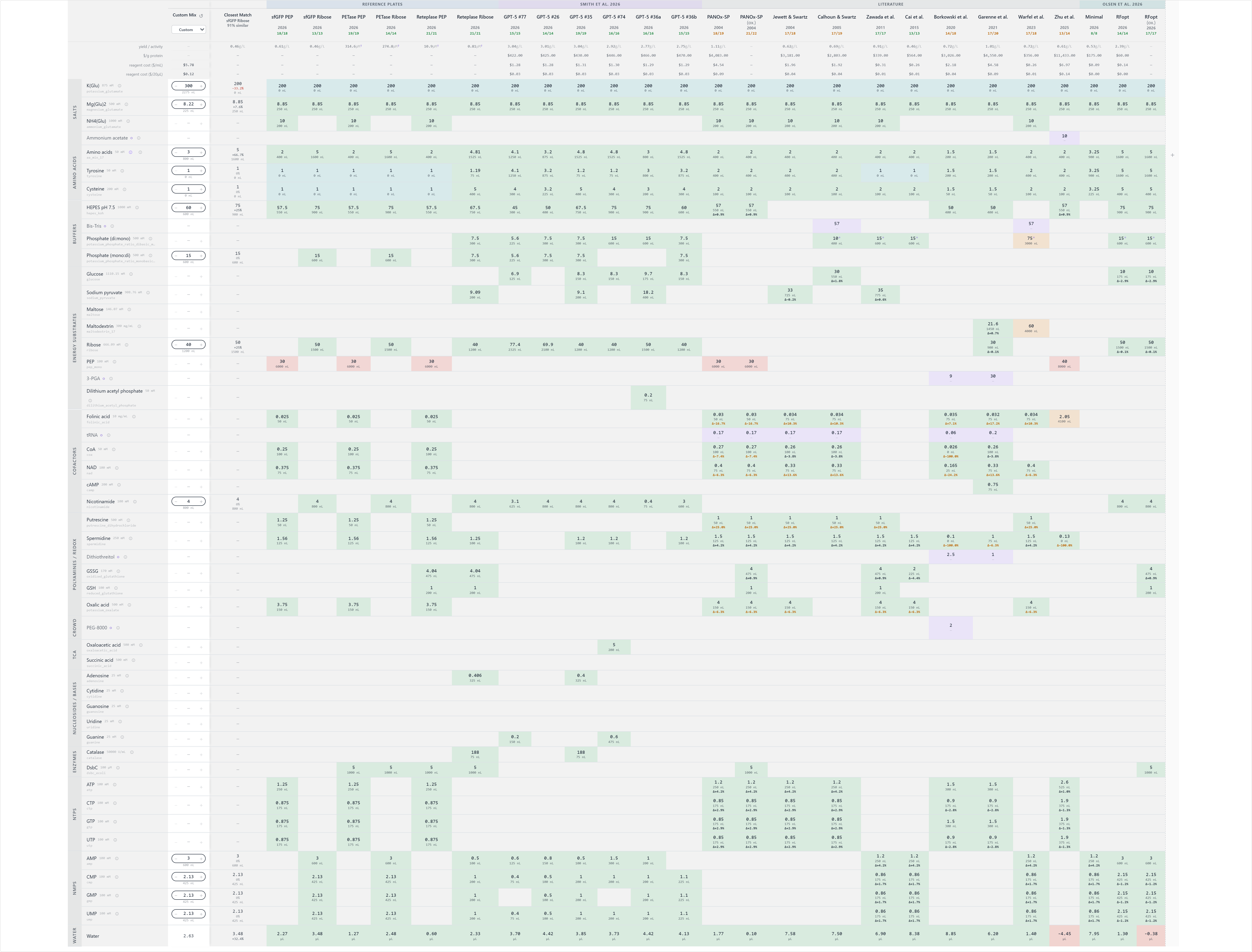
Choose two cell-free reaction compositions from the literature, compare and contrast the choice of reagents and the concentration of reagents.
I consider these two paers for comparison as they talk about optimising and reducing the cost of the cell free reaction.PANOx-SP (Jewett & Swartz 2004), a cost-optimized formulation from Olsen et al. (2026).
Reagent Choice & Concentration Comparison
Reagent Class / Role
PANOx-SP Formulation (2004)
RF_opt Formulation (Olsen et al., 2026)
Secondary Energy Substrate
Phosphoenolpyruvate (PEP): High concentration (~33 mM) to regenerate ATP dynamically without exogenous enzymes.
Completely Removed: Relies entirely on low-cost, non-phosphorylated substrates like Glucose or specialized carbon intermediates.
Nucleosides/Nitrogenous Bases: Utilizes raw nucleotides/nitrogenous bases + Ribose to dynamically self-synthesize NTPs in situ.
Cofactors & Metabolic Helpers
Complex Mix: Includes NAD+ (0.33 mM), Coenzyme A (CoA, 0.27 mM), and Oxalic Acid (2.7 mM) to block PEP degradation.
Streamlined Components: Complex cofactors like CoA and NAD+ are heavily reduced or omitted based on algorithmic screening.
Crowding Agents & Buffers
Eliminated: Intentionally removed unnatural polymers like Polyethylene Glycol (PEG) and traditional organic buffers to favor native extract conditions.
Re-introduced / Re-optimized: Strictly constrained to 12 core components total, optimizing precise salt and structural buffer limits.
1.The Thermodynamic Strategy: High-Energy PEP vs. In Situ Synthesis
• PANOx-SP: Relies heavily on Phosphoenolpyruvate (PEP) as its metabolic engine. While PEP efficiently pumps high-energy phosphate groups onto ADP to regenerate ATP, it requires a massive concentration (33 mM) and accumulates free inorganic phosphate ((\text{P}_{\text{i}})) rapidly. This accumulation alters pH balances, contributing to premature reaction termination.
• RF_opt (Olsen et al.): Bypasses costly phosphorylated compounds altogether. It provides raw nitrogenous bases and ribose, leveraging the residual metabolic pathways active inside the E. coli lysate to engineer its own NTPs natively. This change lowers baseline system costs by 84% to 99% while maintaining a stable internal pH.
Reagent Complexity Minimization
• PANOx-SP: Operates as a hyper-complex chemical cocktail. The incorporation of individual amino acids, four isolated NTPs, and auxiliary cofactors (like CoA and NAD+) demands painstaking, multi-step compounding.
• RF_opt: Leverages algorithmic automation to aggressively prune the reagent cocktail down to a highly robust 12-component layout. Rather than blindly trying to recreate the intracellular cellular network (biomimicry), it only supplies what the translational machinery absolutely requires to run, shifting the system’s economic floor down to roughly $36–$60 per gram of protein synthesized
B. DESIGN ONE REACTION COMPOSITION FOR EACH OF THE THREE PROTEINS (40 minutes)
Sign in to coopetition.htgaa.org and publish your first unique 20 µL CFPS reaction composition for each of the following (don’t worry, you can resubmit later):sfGFPPETase
Reteplase
Note: if you’re unable to login with your HTGAA keycloak account, please post in Zulip so that you can participate in the coopetition!
For each composition, specify the reagents you would adjust from the relevant categories, including salts, energy sources, building blocks, cofactors, and redox components.
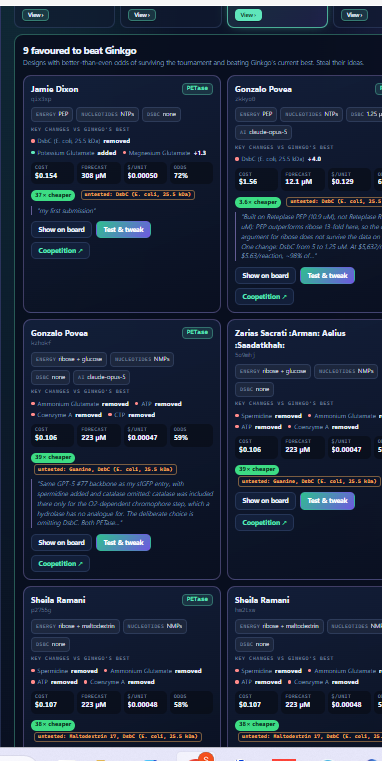
Co-opetition at that moment!!! very exciting phase:9 favoured to beat Ginkgo. Thanks Clinton for this CFPS arena!!
Reasoning for each
sfGFP: It has no disulfides, so the design maximizes plain expression yield: high K⁺/Mg²⁺, energy from PEP plus maltodextrin (the maltodextrin feeds a slower, phosphate-recycling route, which helps avoid the phosphate crash), and no redox components, since an oxidizing buffer would only cost yield.
PETase: It has two disulfides (C203-C239, C273-C289), so I used a mild oxidizing buffer and low DsbC. I lowered Mg²⁺ slightly because glutathione and extra phosphate also bind Mg²⁺.
Reteplase: It has 9 disulfides. The 4 mM GSSG / 1 mM GSH ratio and about 75 µg/mL of DsbC come from published v-tPA cell-free work, and I raised DsbC higher because the correct pairing is the hard part. Spermidine is kept at 1.5 mM, which matches what the v-tPA work used.
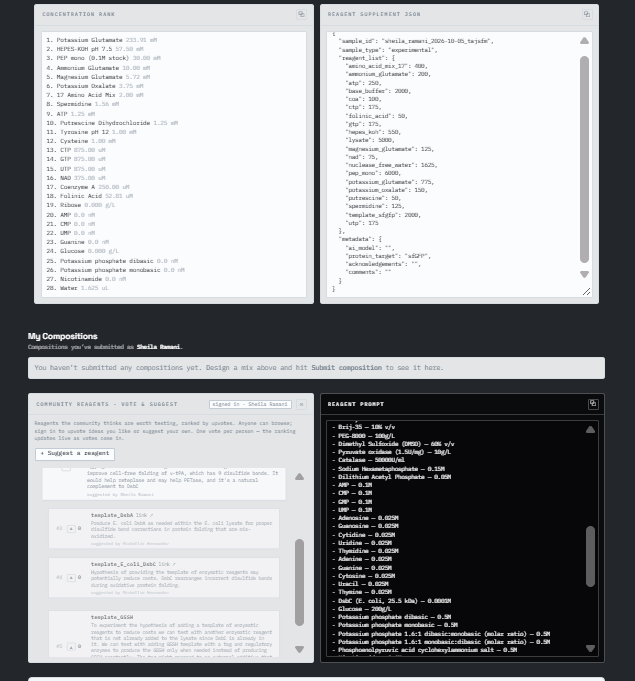
As a HTBAA research team, we will have the opportunity to suggest new reagents to add to the cell-free reagent inventory. Contribute (or upvote) at least one reagent to the “Community Reagents” section of the website and provide a short rationale. Include in your homework documentation how you decided on that specific reagent and provide links to any relevant research.
Community reagent suggestion
Suggest: Skp (periplasmic chaperone). If it’s already listed, upvote it instead.
How I decided on it: The inventory already has DsbC and the glutathione pair for disulfides, but nothing that keeps unfolded reteplase from aggregating while it folds. I searched for cell-free work on v-tPA, the reteplase-like domain with 9 disulfides, and found that the published system combined IAM-treated extract, GSSG, DsbC and Skp. The text says protein folding was significantly enhanced with the chaperone Skp, used at 300 µg/mL.
Rationale to paste: “Skp is a holdase chaperone that binds unfolded protein and reduces aggregation. It was used together with DsbC and glutathione to improve cell-free folding of v-tPA, which has 9 disulfide bonds. It would help reteplase and may help PETase, and it’s a natural complement to DsbC.”
References Claude-sonnet-5.5
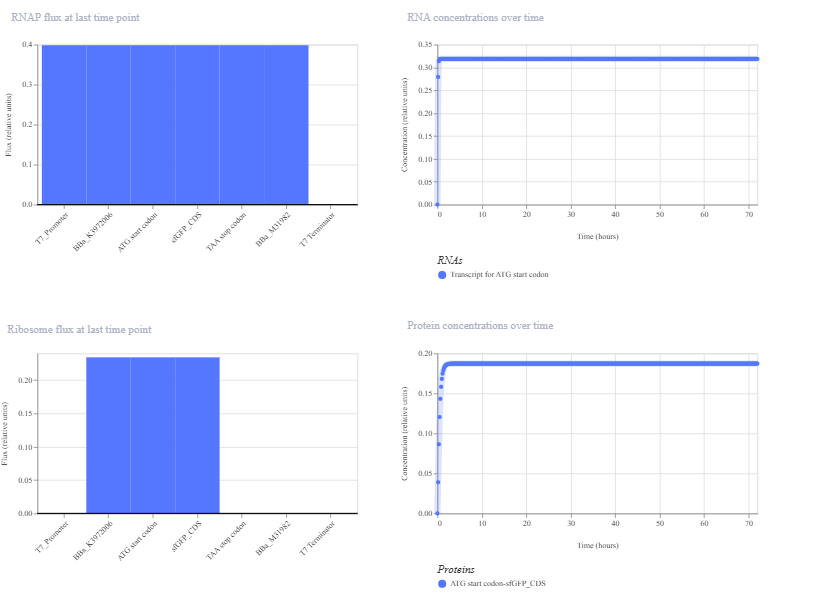
Visit the cfps-coopetition forum page to ensure you will be able to take part in the discussion. Bonus: send a note in the channel about a CFPS optimization idea that you have! If you would like clarification on aspects of the project, please message in this dedicated channel.
C. ASIMOV KERNAL (OPTIONAL)
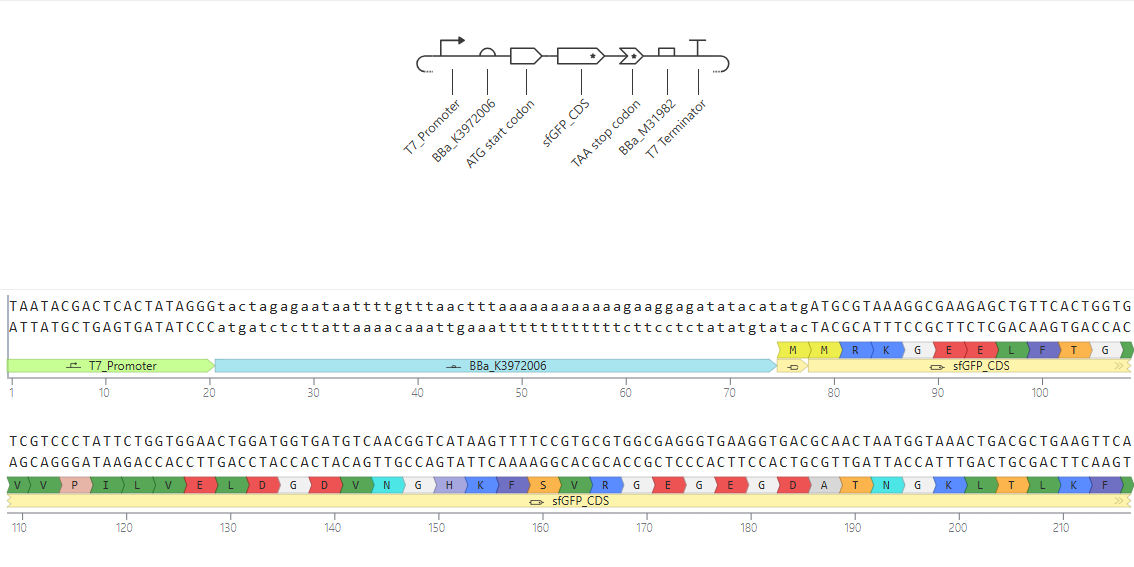
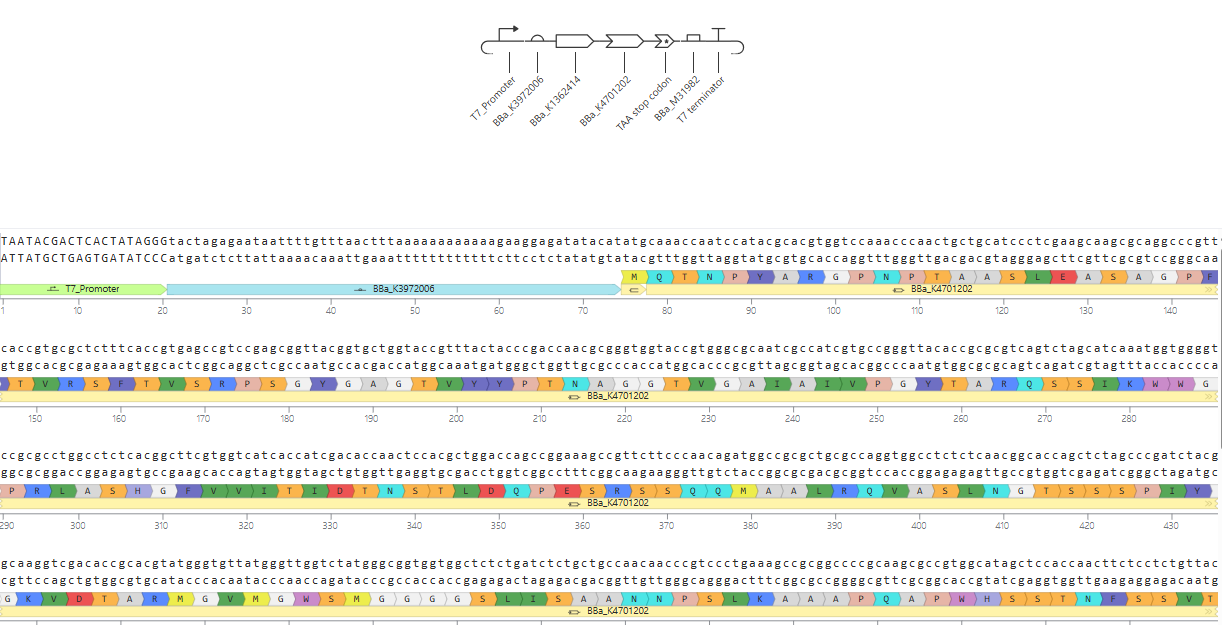
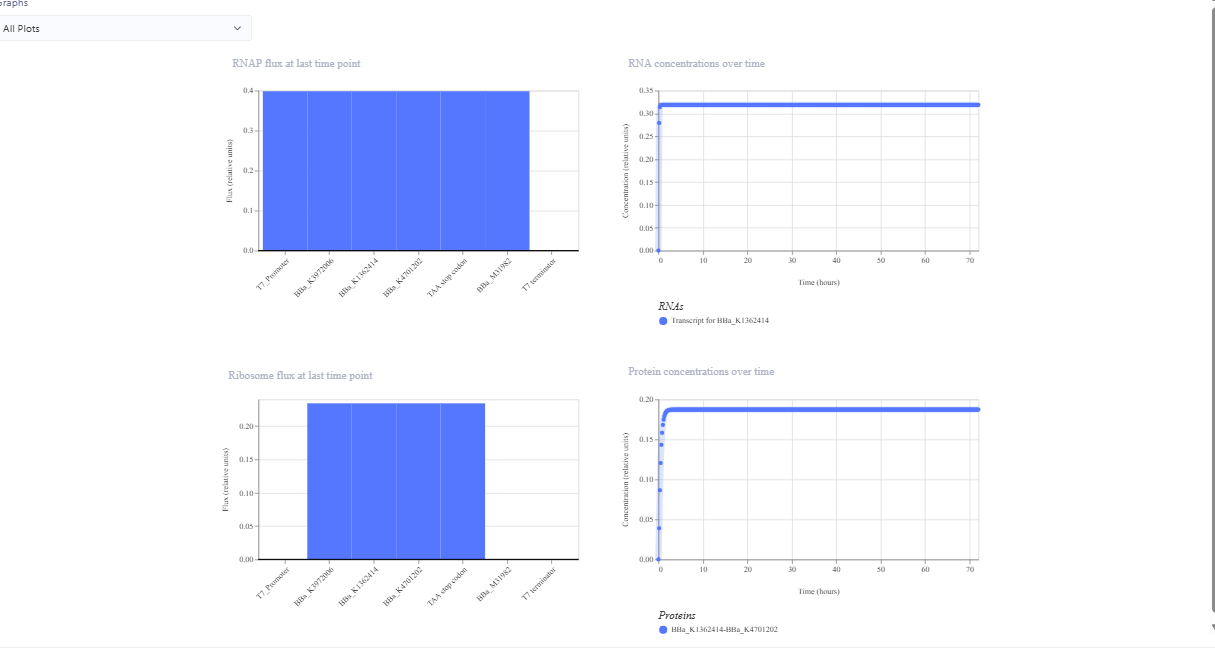
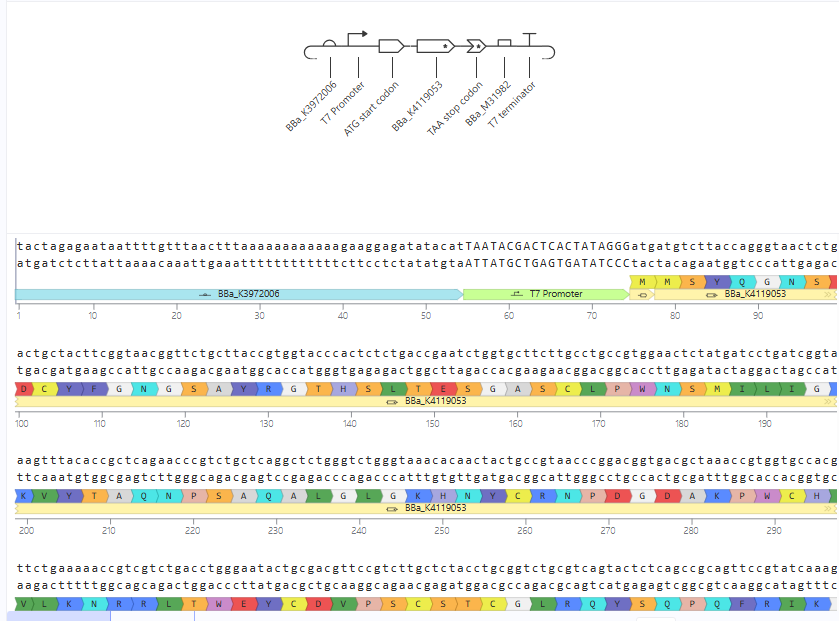
Build T7 compatible plasmids for cell-free expression using the amino acid coding sequences below:
Bonus question: design a T7 helper plasmid that you could add to the cell-free reaction to improve the yield of functional reteplase (general chaperones, disulfide-bond machinery, etc).