Week 06 HW: Cultivarium
Part 0- Getting started on The Cultivarium Portal
Your email address has been pre-approved for Portal access. Create your account through the link in the Welcome email, or using this link. Click around and explore- Data, Taxonomy Browser, and the search bar are good places to start. Notice- what species have you heard of? What types of data are available?
I have heard of many species like Bacillus subtilis,Deinococcus radiodurans,Aspergillus niger etc. The portal includes data on species , strains, culture medium for the organism’s growth, aerobic/anaerobic, publications involving the organism.
Part 1- Explore non model organisms
1.Identify a non-model organism that naturally produces your target product. You can use the Portal AI, MicroScopus, or another tool to conduct this search. If not directly available, search for microorganisms that carry related genes or have a similar industry application. Deliverable: What non-model organism did you choose, and why? Justify their relevance in your write-up. Describe the method you used to identify this organism.
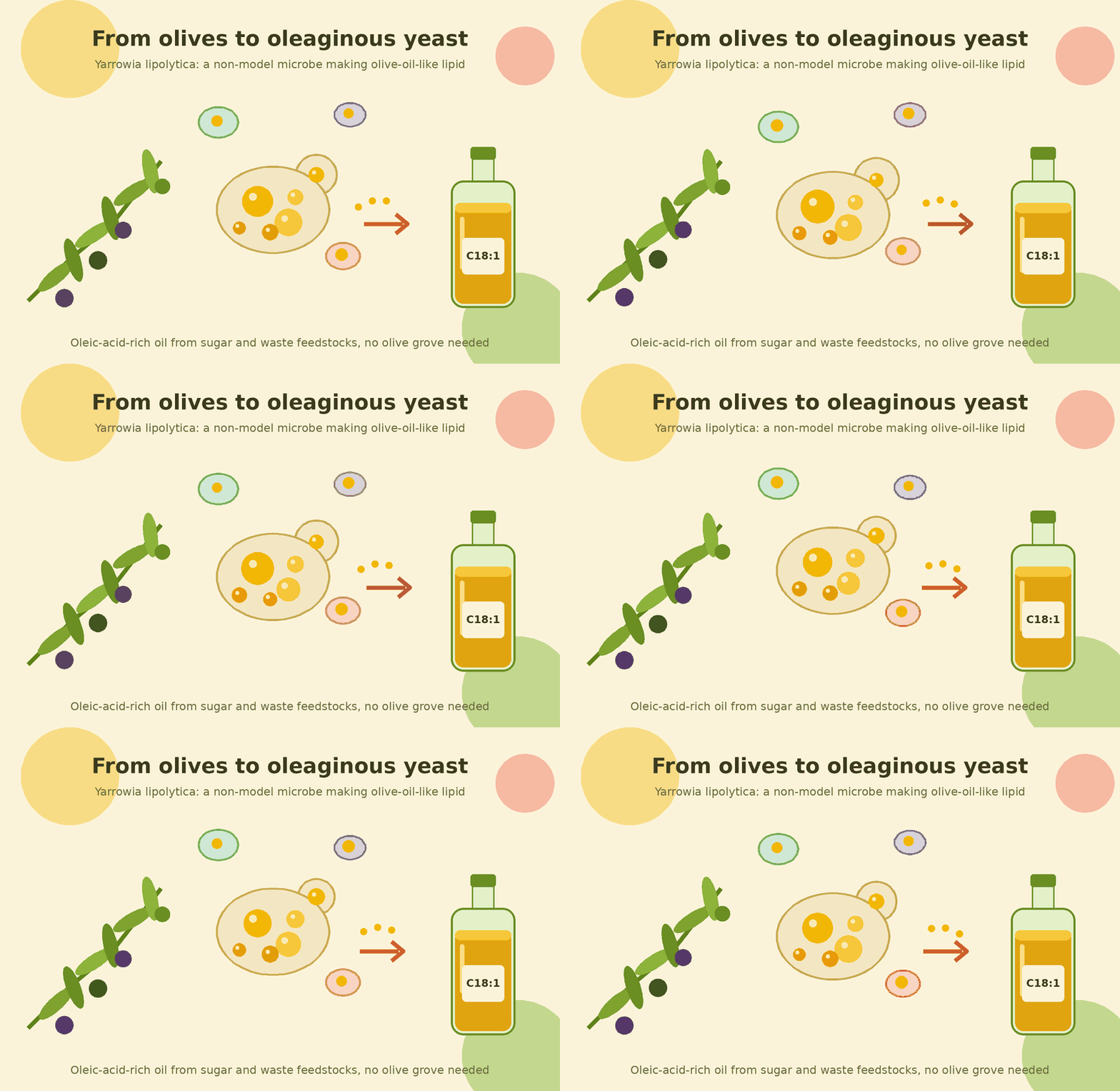
No single organism I found makes the whole target (high-oleic oil, squalene and hydroxytyrosol), so I chose the non-model organism that naturally makes the component with the best natural benchmark. For that component, squalene, the best match is Aurantiochytrium limacinum.
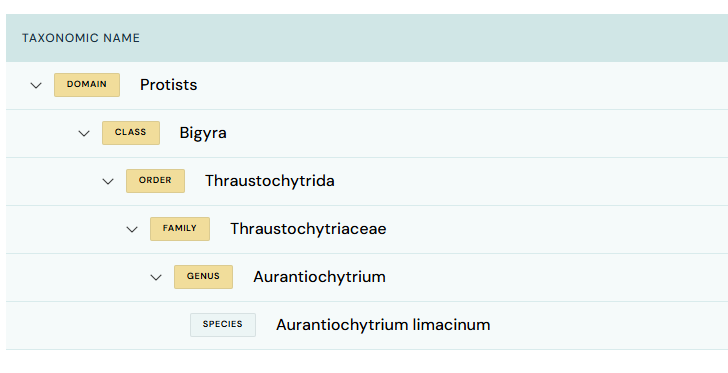
Why it’s relevant
Natural producer of squalene and oil together. Thraustochytrids are heterotrophic marine oleaginous microorganisms that make DHA-rich oil along with squalene. That shows an oil-storing cell can also accumulate squalene, which is the combination your product needs. https://www.ncbi.nlm.nih.gov/pmc/articles/PMC6820942/
Strong benchmark titers. One strain, 18W-13a, reached 198 mg/g squalene and 1.29 g/L after 4 days, values the authors called exceptionally high compared with earlier reports. A patented strain is described as producing at least 10% squalene by weight of total lipids. These give a target for your Yarrowia squalene module. informahealthcarehttps://informahealthcare.com/doi/abs/10.1271/bbb.110430
A gene source. A transcriptome study of strain TWZ-97 identified seven key mevalonate pathway genes for squalene biosynthesis, including squalene synthase. These are candidates to express in Yarrowia, or to benchmark against its native genes. This is a hypothesis I haven’t seen tested. https://bvbvf1.bib-bvb.de/vufind/PrimoRecord/cdi_proquest_miscellaneous_2231968490
Feedstock fit. Aurantiochytrium has been grown on pure glucose and on enzymatically saccharified birch hydrolysate, which supports the agro-waste vision in your aims. https://link.springer.com/10.1186/s13068-019-1593-6
Replaces animal-derived squalene. Squalene is traditionally taken from shark liver oil, which can carry heavy metals and other pollutants. https://link.springer.com/doi/10.1186/s13068-019-1593-6
What it doesn’t cover
Not a high-oleic oil. Its oil is DHA-rich, so it doesn’t match the olive fatty acid profile. That part comes from your Yarrowia engineering.
No hydroxytyrosol. Hydroxytyrosol appears in trace amounts from wine yeasts: all the yeast strains tested made it in synthetic must, but at nanograms per mL. These are S. cerevisiae, a model organism, so I didn’t choose them. For engineered production, an S. cerevisiae–E. coli coculture reached 435 mg/L of hydroxytyrosol. https://www.yeastgenome.org/reference/S000338736
Strain variability. Squalene content across nine mangrove isolates ranged from 0.06 to 4.78 mg/g, so the strain you choose matters a great deal. https://zendy.io/title/10.48048/wjst.2020.6476
Tools and regulation. I haven’t checked how mature its genetic toolkit is or its regulatory status for food use.
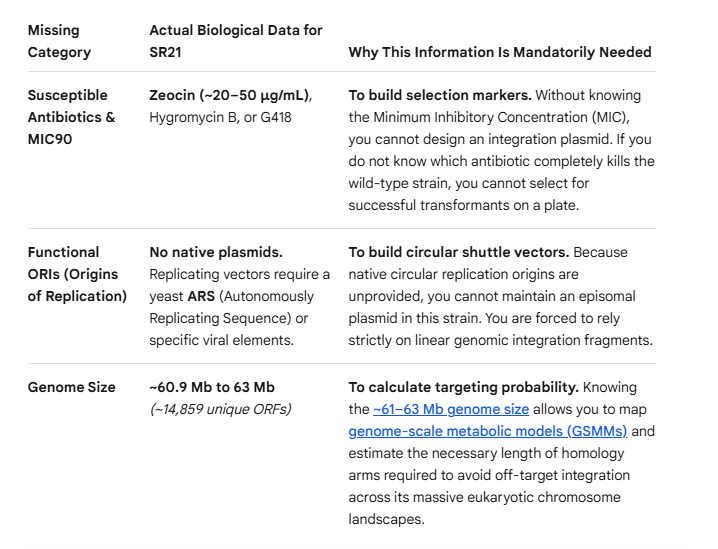
2.Navigate to that organism’s page on the Cultivarium Portal. Select a specific strain (“strain information” tab). Examine what types of information are readily available for that strain? Deliverable: Copy and fill out the table below. Where information is unavailable, leave blank. In a separate paragraph, describe what you are able to do with this information. What information is missing, and why might you need that information?
| Category | Data |
|---|---|
| Species Name | Aurantiochytrium limacinum |
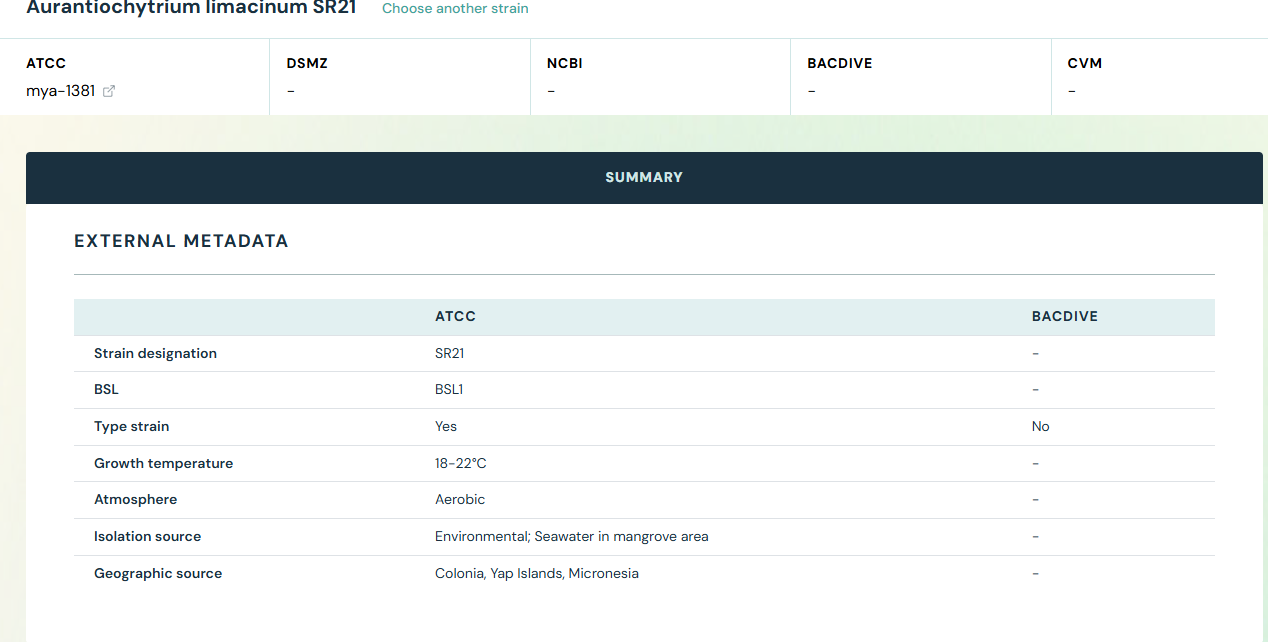
| Strain Name | Aurantiochytrium limacinum SR21 |
| Link | ATCC MYA-1381 |
| Growth Media and Temperature | ATCC Medium 790: By+ medium ATCC Medium 633: M3 chytrid agar ATCC Medium 683: Koch’s K-1 medium 18–22°C |
| Susceptible antibiotics, and MIC90 | Not provided |
| Functional ORIs | Not provided |
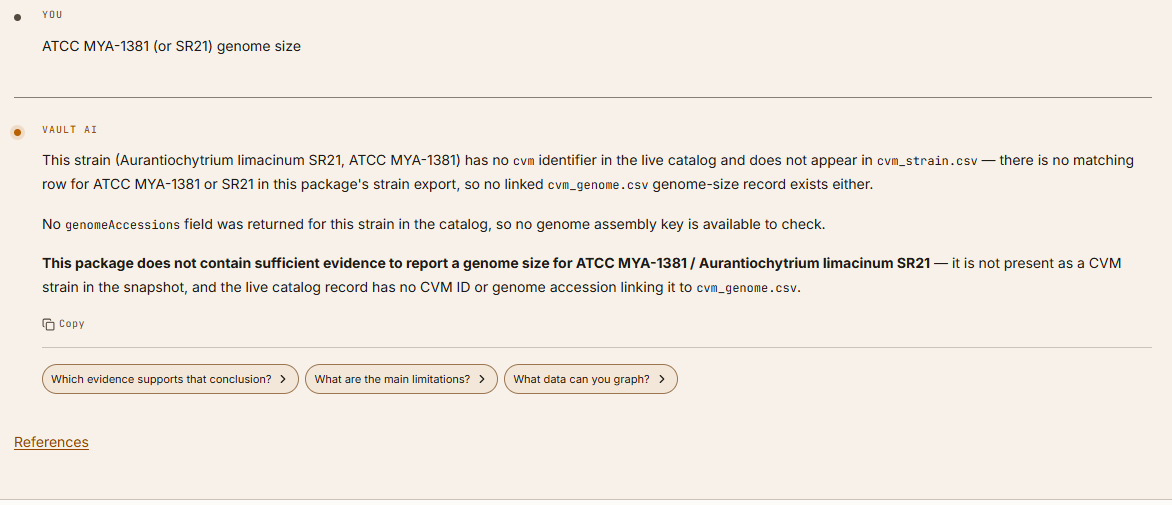
| Genome size | Not provided |
| Number of publications listed | 74 |
- What You Can Do with the Current Information
• Source and Procure the Organism: The inclusion of the ATCC MYA-1381 catalog number allows you to officially purchase the exact, verified type strain from the ATCC Repository to ensure you are not working with uncharacterized environmental isolates. • Establish Baseline Cultivation Protocols: The provided media specifications (ATCC Media 790, 633, and 683) and the strict 18–22°C temperature window give you the exact parameters needed to successfully revive, culture, and maintain healthy master seed stocks in the lab. • Conduct Academic and Historical Review: The 74 listed publications provide a strong literature baseline to review historical metabolic modeling, fatty acid extraction yields (such as its high DHA production), and growth kinetics.
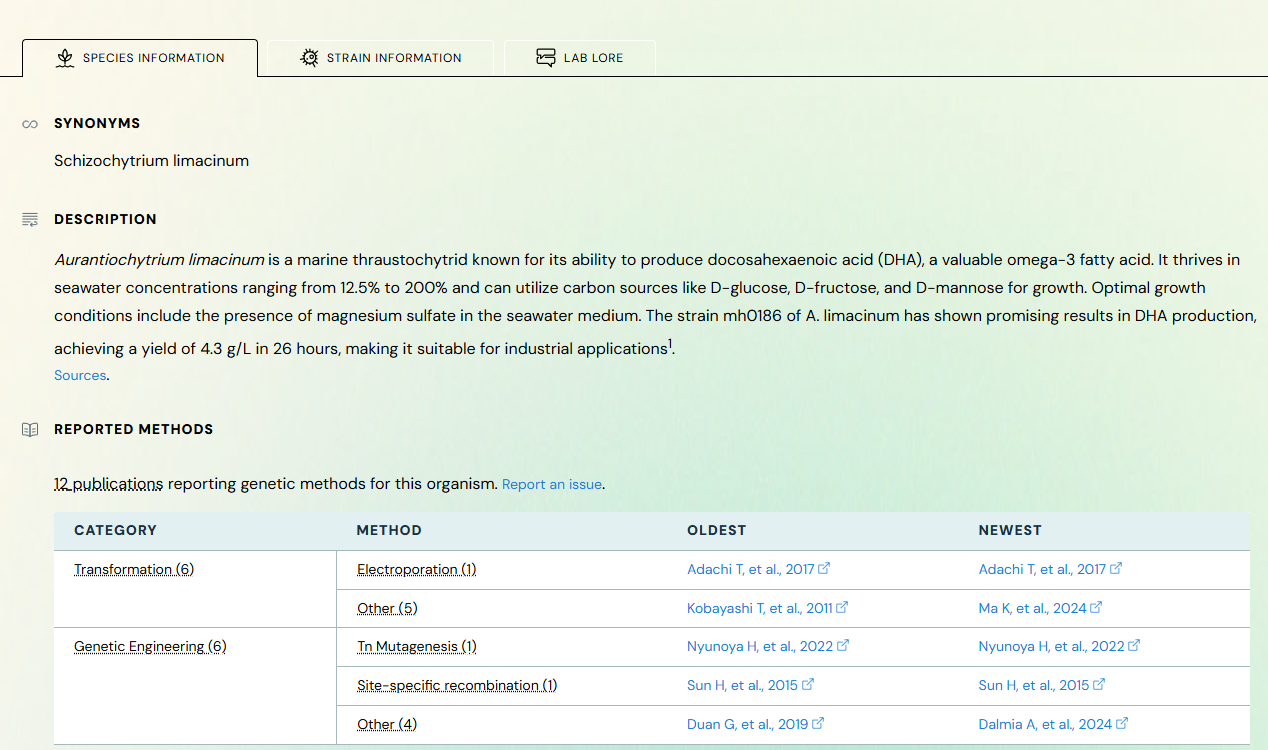
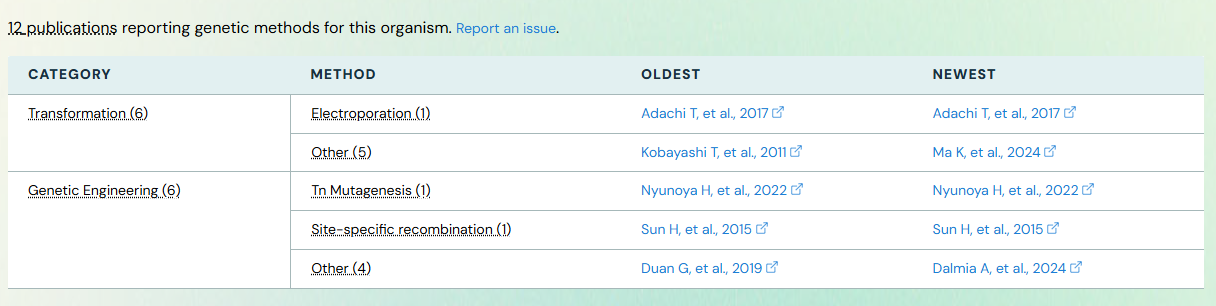
3.Navigate to the “species information” tab. The Reported Methods section lists the genetic methods found in literature for that species. Deliverable: List all genetic methods available for that species. How many methods are available, and what’s the range of years (oldest-newest) for genetic research on this organism? If none are available, say so. What is the suggested next closest organism, and what genetic methods are available there?
Part 2- Explore neighbor strains
One strategy for when organism information is limited is to use available information from phylogenetically related species or strains. We call these strains “neighbors”.
For your species identified in Part 1, identify the nearest neighbor strain with available information to fill out the missing details. (HINT: traverse up the Taxonomy Browser and search for CVM strains) Deliverable: Copy and fill out the table below. For each category with missing information in Part 1, fill out information from a neighbor strai
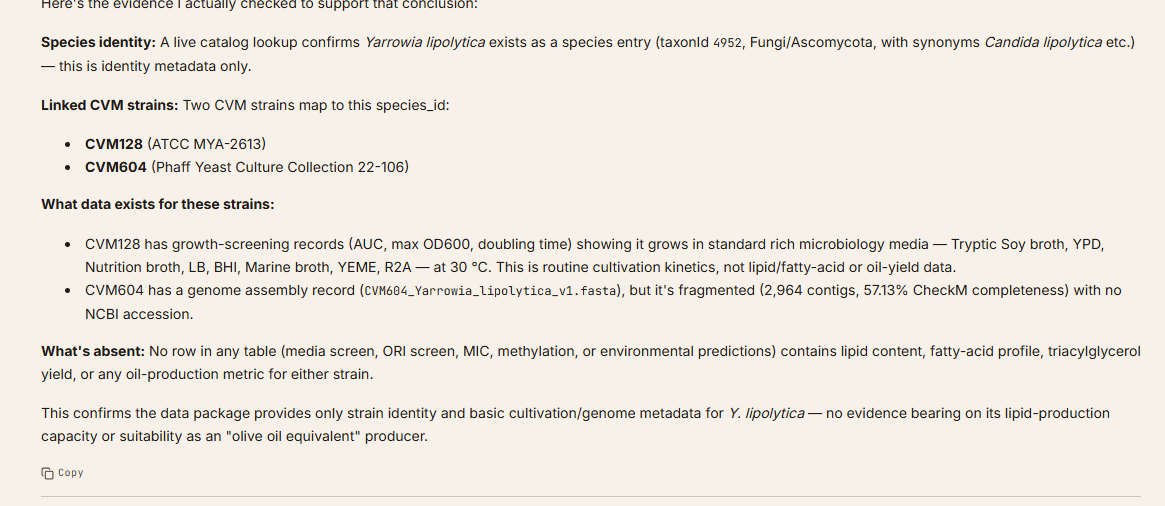
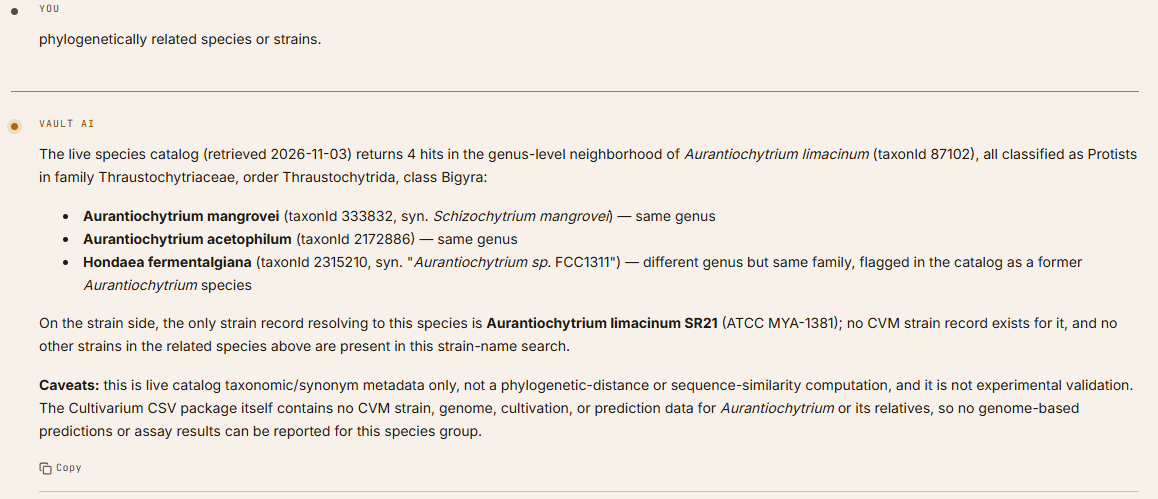
The live species catalog (retrieved 2026-11-03) returns 4 hits in the genus-level neighborhood of Aurantiochytrium limacinum (taxonId 87102), all classified as Protists in family Thraustochytriaceae, order Thraustochytrida, class Bigyra:
Aurantiochytrium mangrovei (taxonId 333832, syn. Schizochytrium mangrovei) — same genus Aurantiochytrium acetophilum (taxonId 2172886) — same genus Hondaea fermentalgiana (taxonId 2315210, syn. “Aurantiochytrium sp. FCC1311”) — different genus but same family, flagged in the catalog as a former Aurantiochytrium species On the strain side, the only strain record resolving to this species is Aurantiochytrium limacinum SR21 (ATCC MYA-1381); no CVM strain record exists for it, and no other strains in the related species above are present in this strain-name search.
Caveats: this is live catalog taxonomic/synonym metadata only, not a phylogenetic-distance or sequence-similarity computation, and it is not experimental validation. The Cultivarium CSV package itself contains no CVM strain, genome, cultivation, or prediction data for Aurantiochytrium or its relatives, so no genome-based predictions or assay results can be reported for this species group.
Part 3: From Information to Delivery- What don’t you know yet?
Review the data you gathered above. What do you know about your target strain, and what information is still missing? How confident do you feel about your ability to design an experiment with this strain? Identify the 2-3 biggest unknowns or risks. For example: Will the growth conditions from a nearest neighbor translate directly? What about the functional plasmid ORIs? For each, state how you would find out: the experiment you would try next. What are your readouts, and what would they tell you?
What I know about Aurantiochytrium limacinum
Biology: It is a marine thraustochytrid protist. Thraustochytrids are heterotrophic marine oleaginous microorganisms that make DHA-rich oil along with squalene. Related Aurantiochytrium has been grown on pure glucose and on saccharified birch hydrolysate.
https://doi.org/10.1186/s13068-019-1593-6
Genetic methods reported for this species: Particle bombardment with a zeocin-resistance gene, 18S rDNA-targeted homologous recombination by electroporation, Agrobacterium-mediated transformation, a partial knockout of the pks gene, and Cre/loxP marker removal. A transgene-free CRISPR-Cas9 ribonucleoprotein platform has also been applied, and a first centromeric plasmid has been developed. https://doi.org/10.3390/molecules200610110
The biggest unknowns and risks
Growth conditions won’t transfer from other hosts. I can’t take conditions from Yarrowia or a nearest neighbour. This is a marine organism, so it likely needs a seawater-based medium, and its temperature range, nitrogen-limitation response and strain-to-strain variation are unverified. Antibiotics may also behave differently in high-salt media, which is my background knowledge, not something I checked. MIC90 values for the strain must be measured.
Plasmids and parts don’t carry over. The one replicating-plasmid report is new, and most published work relies on integration (18S rDNA targeting) and RNP CRISPR. My Yarrowia design, with its Golden Gate kit, E. coli backbones, promoters and terminators, doesn’t apply. The ORI field is blank, so I don’t know which replicons function. Efficiency is also strain-dependent: electroporation worked in A. limacinum mh0186 but failed in other thraustochytrids. https://doi.org/10.3390/md19090515
The host doesn’t make my product. Its oil is DHA-rich, not oleic-rich, and I found no hydroxytyrosol production. Reshaping the fatty acid profile and adding a phenolic pathway are unproven in this host. From my background knowledge (unverified), thraustochytrids make DHA largely through a PUFA-synthase pathway, so oleic acid engineering would likely differ from Yarrowia. A pks knockout has been reported here, but I haven’t checked what it implies for lipid engineering.
Experiment: Grow your confirmed strain in a seawater-based medium across a few temperatures and salinities, with nitrogen-replete and nitrogen-limited arms. In parallel, run a dose-response for zeocin, G418, hygromycin B and blasticidin in that same medium, since salt can change antibiotic activity.
Readouts:
Growth curves (OD or dry cell weight) and doubling time Lipid content by Nile Red, then GC-FAME for the baseline fatty acid profile Squalene by HPLC or GC MIC90 for each antibiotic, read as growth at about 72 h
What it tells you: the working medium and temperature, which markers are usable and at what dose, and a baseline profile (oleic acid share, DHA share, squalene) to measure all engineering against.
Experiment: Test delivery with the simplest reporter possible. Transform with a resistance-marker construct and a fluorescent reporter, comparing electroporation and particle bombardment, and comparing integration (18S rDNA arms) against the reported centromeric plasmid. Test two or three candidate promoters upstream of the reporter. Include a no-DNA control and, if you can obtain one, a published construct as a positive control.
Readouts:
Transformation efficiency (colonies per µg DNA) PCR across integration junctions Fluorescence by plate reader or flow cytometry
What it tells you: which delivery method works on your strain, whether a replicating plasmid is usable or integration is the only reliable route, which promoters are strong enough, and whether the construct is stable. This also tells you whether my Yarrowia parts and design can be reused at all.
Experiment: Run two small tests before any full pathway build.
Oil: After the baseline profile, try one fatty acid edit (for example, overexpressing a Δ9 desaturase) and compare against the parent. Hydroxytyrosol: Feed tyrosol, and test whether the strain tolerates hydroxytyrosol. If transformation works, express hpaB and hpaC and feed tyrosol.
Readouts:
Oleic acid as a share of total fatty acids, DHA share, and total lipid, by GC-FAME Hydroxytyrosol in cells and broth by LC-MS Growth in the presence of hydroxytyrosol
What it tells you: whether oleic enrichment is feasible in a host whose lipid biosynthesis is dominated by DHA, whether it can make or tolerate hydroxytyrosol, and whether it is worth continuing as a host.
Part 4: Final Project
Reflect on your final project proposal. How might the resources shared with you (Cultivarium Portal, Vault, PRISM) help with your living system design? Identify a specific tool and its relevance, and how you intend to use it for your project.
The above resources helped me to understand the organism better and also identify a similar natural microrganism that produces squalene and oleic acid. The microscoupus tool gave me a broad range of information on optimized conditions for growth of the organism and genetic methods reported on th eorganism.The genome size , its sequence , all these information can be accessed from this portal, also number of strains, although some of them have missing information, or not yet tested or screened.
I used theCultivarium POSSUM Toolkit (Kit #1000000234 ) Depositing Lab: Nili Ostrov, Charlie Gilbert, Cultivarium Tools
The POSSUM Toolkit (Plasmid Origins and Selectable markerS for Undomesticated Microbes) is a Golden Gate genetic toolkit developed to help researchers identify functional plasmids and establish genetic tractability in non-model microbes. The kit includes plasmid origins of replication and selection markers for a variety of bacterial and fungal species and other genetic parts for engineering non-model microbes.
This kit will be sent as bacterial glycerol stocks in 96-well plate format.
It gives me information on golden gate assembly for my final project to produce olive oil equivalent in Yarrowia lipolytica.
I intend to use microscopus tool for my project as it gives me the information of genomic size and also culture conditions and various strains that can be used.
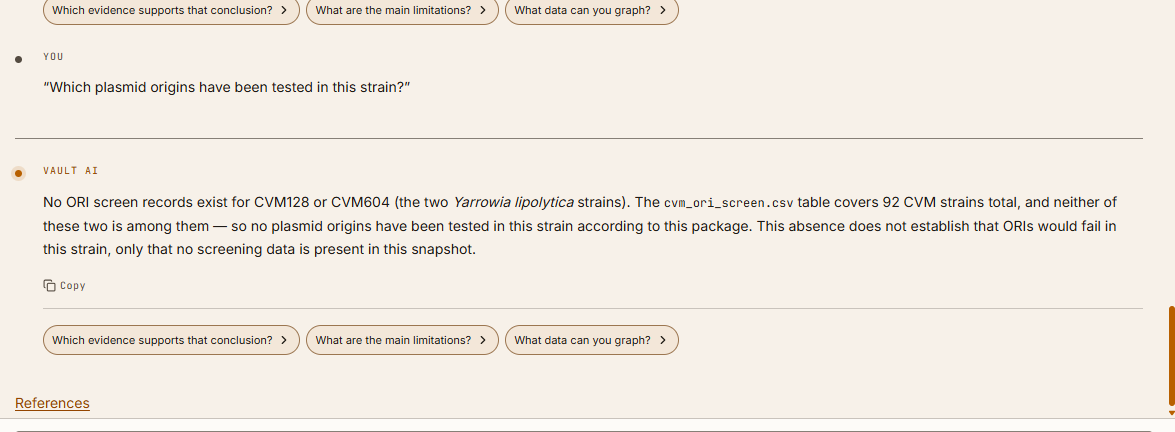
The Cultivarium Portal has an AI agent designed to assist you with this research. You are welcome to use it, but stay critical- what were some helpful recommendations it made? Where did it fall short?
The AI has limited knowledge on the strains and species. The only question it answered was “phylogenetically related species or strains.” It failed to answer rest of my questions.
AI Prompts:
Identify a non-model organism that naturally produces your target product.
What is the suggested next closest organism, and what genetic methods are available there?
microrganisms that naturally produce olive oil equivalent
Identify the 2-3 biggest unknowns or risks. For example: Will the growth conditions from a nearest neighbor translate directly? What about the functional plasmid ORIs?
For each, state how you would find out: the experiment you would try next. What are your readouts, and what would they tell you?