Week 2 HW: DNA Design
My HW1 project explores a whole-cell biosensor for histamine in food. For this assignment, I built a first candidate DNA design in Kernel: a PhinD-controlled GFP reporter on a pPROBE-NT-derived plasmid, with E. coli as the intended chassis.
Part 0: Kernel setup
My construct, Shi-Food Biosensor, is stored directly in the Xiangtao repository in the HTBAA 2026 workspace.
Part 1: Expression target
The expressed product is a GFP, a green fluorescent protein. Its fluorescence provides an output that could be measured if the upstream regulatory region responds to histamine. The original coding sequence is 717 nucleotides, including an ATG start codon and a TAG stop codon, and encodes 238 amino acids. It comes from pPROBE-NT, GenBank AF286453.1, positions 4066–4782. The corresponding protein sequence is AAG29454.1.
I chose E. coli for this first design.
GFP is intended to remain in the cytoplasm. I have not added a secretion signal.
Part 2: Genetic parts and sequence sources
I divided the construct into five parts. These are the actual part names used in my first draft Kernel design.
| Part | Type and length | Sequence source | Role |
|---|---|---|---|
| PhinD_v1 | Promoter; 362 bp | PAO1 reference genome NC_002516.2, positions 246869–247218: 350 bp, with a 6-bp BamHI site and a 6-bp KpnI site added at the ends | Provides the candidate transcriptional control region from the histamine-biosensor study. |
| pPROBE_translation_start_v1 | RBS-containing translation-start region; 53 bp | AF286453.1:4013–4065 | Retains the vector junction, ribosome binding site and spacer before GFP. This preserves the original bacterial translation context without adding a second RBS. |
| GFP_F64L_S65T_v1 | Coding Sequence (CDS, +start +stop); 717 bp | AF286453.1:4066–4782 | Encodes the fluorescent output. |
| GFP_T1_termination_region_v1 | Terminator-containing region; 182 bp | AF286453.1:4783–4964 | Contains a short linker and the downstream rrnB T1 terminator, which helps reduce transcriptional readthrough beyond GFP. |
| pPROBE_backbone_v1 | Vector backbone DNA; 5840 bp | AF286453.1:4965–6807, followed by positions 1–3997 | Retains the pBBR1 replication system, kanamycin-resistance selection marker, four upstream T1 terminators and other vector sequences. |
Part 3: Assembled construct
The figure below shows the assembled circular plasmid in Kernel.
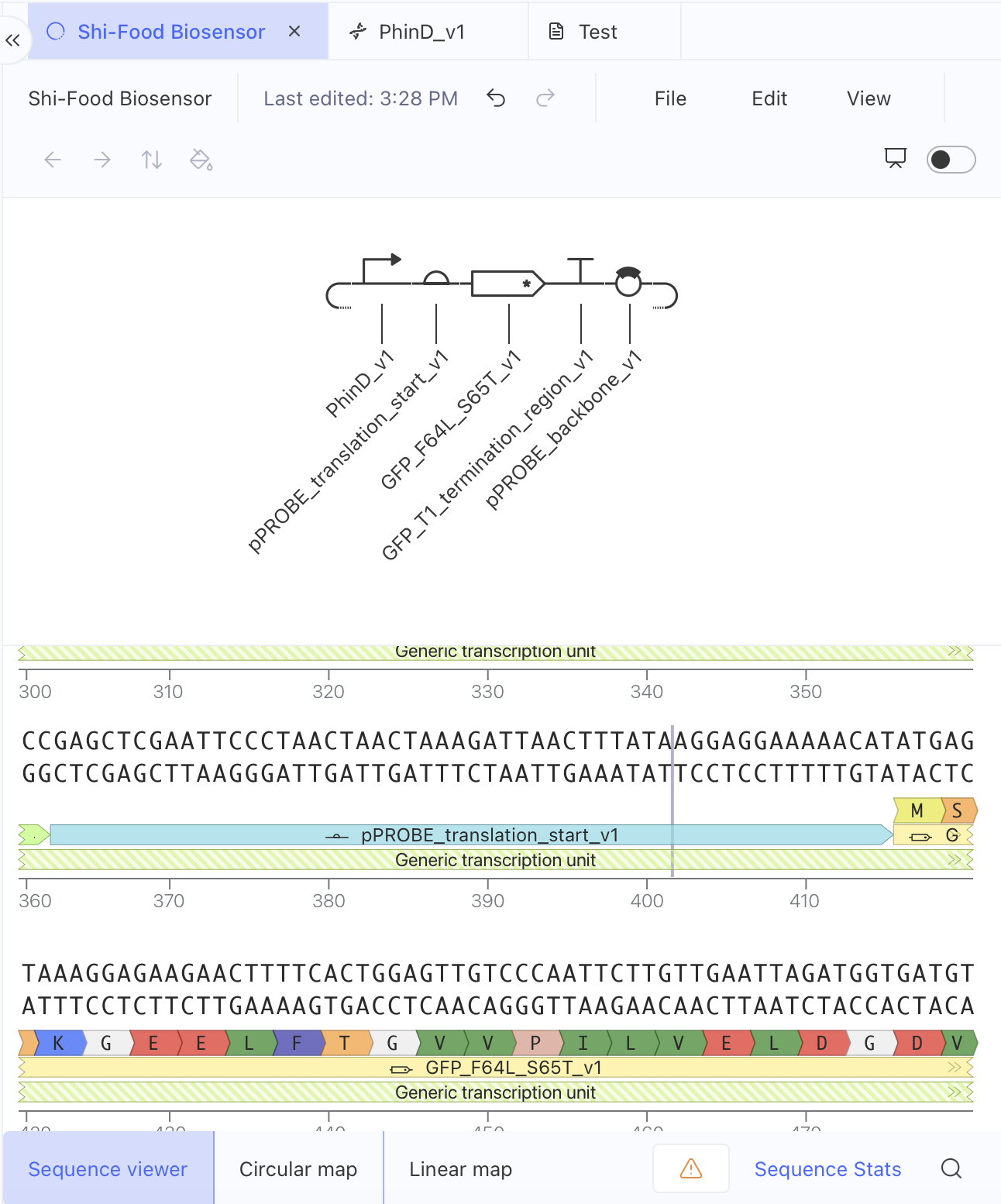
Figure 1. The construct in Kernel showing the five parts.
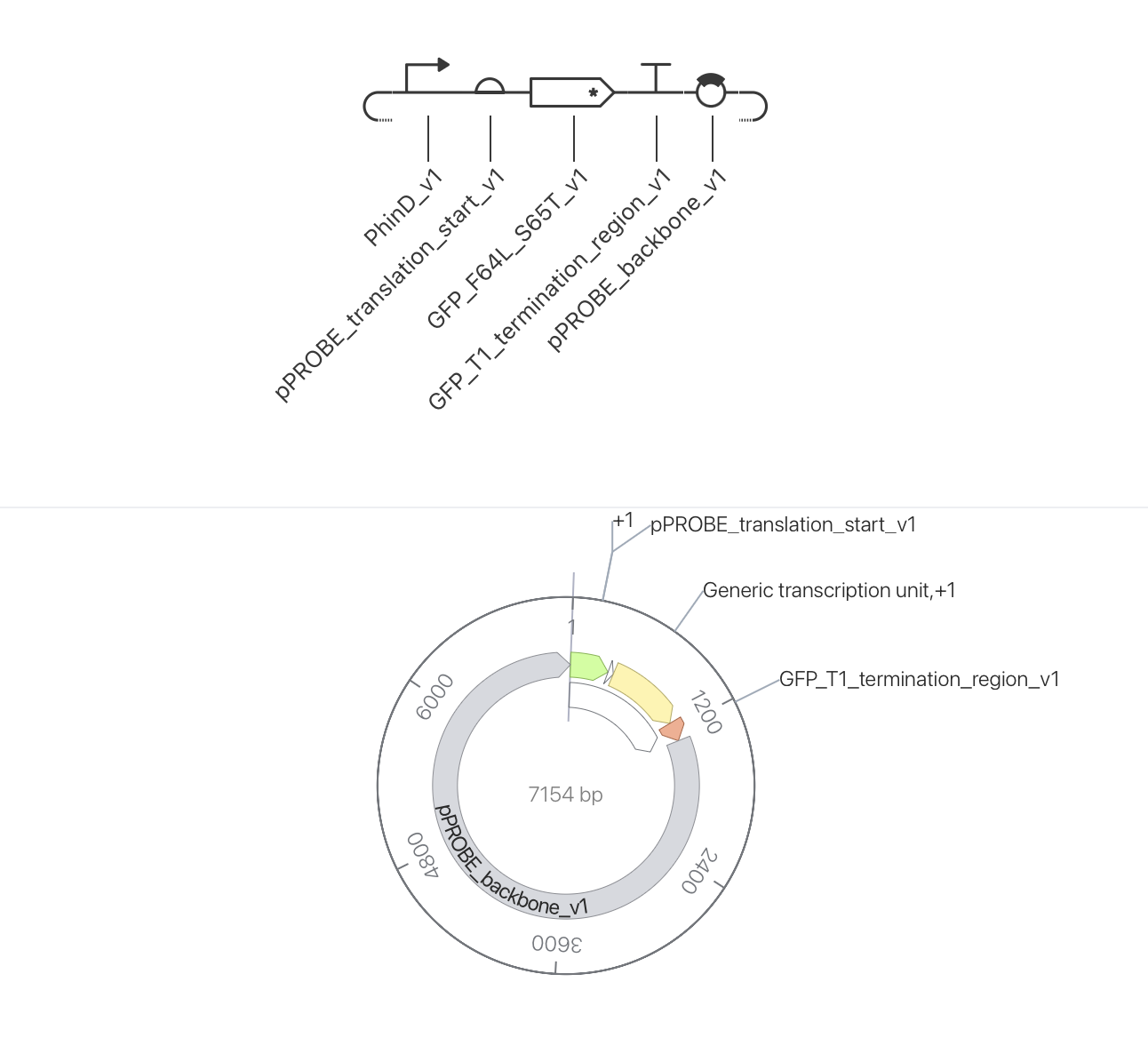
Figure 2. The assembled circular plasmid.
The five part lengths total 7154 bp, matching the Kernel map.
Part 4: Optimization and quality checks
Codon optimization
I used Kernel’s Coding Sequence Optimization tool with Algorithm version Simple v0.3 (default) and Expression organism E. coli. The selected stop-codon option replaced the original TAG with TGA and appended TAA. The resulting sequence is 720 nt.
Using Sequence Alignment tool, it counted 137 changed amino-acid-coding codons and 156 nucleotide substitutions, all synonymous. For example, AGT changed to AGC, while still encoding serine. The comparison retained the 238-amino-acid GFP sequence. It replaced TAG with TGA and added TAA. I noted a small GC increase too.
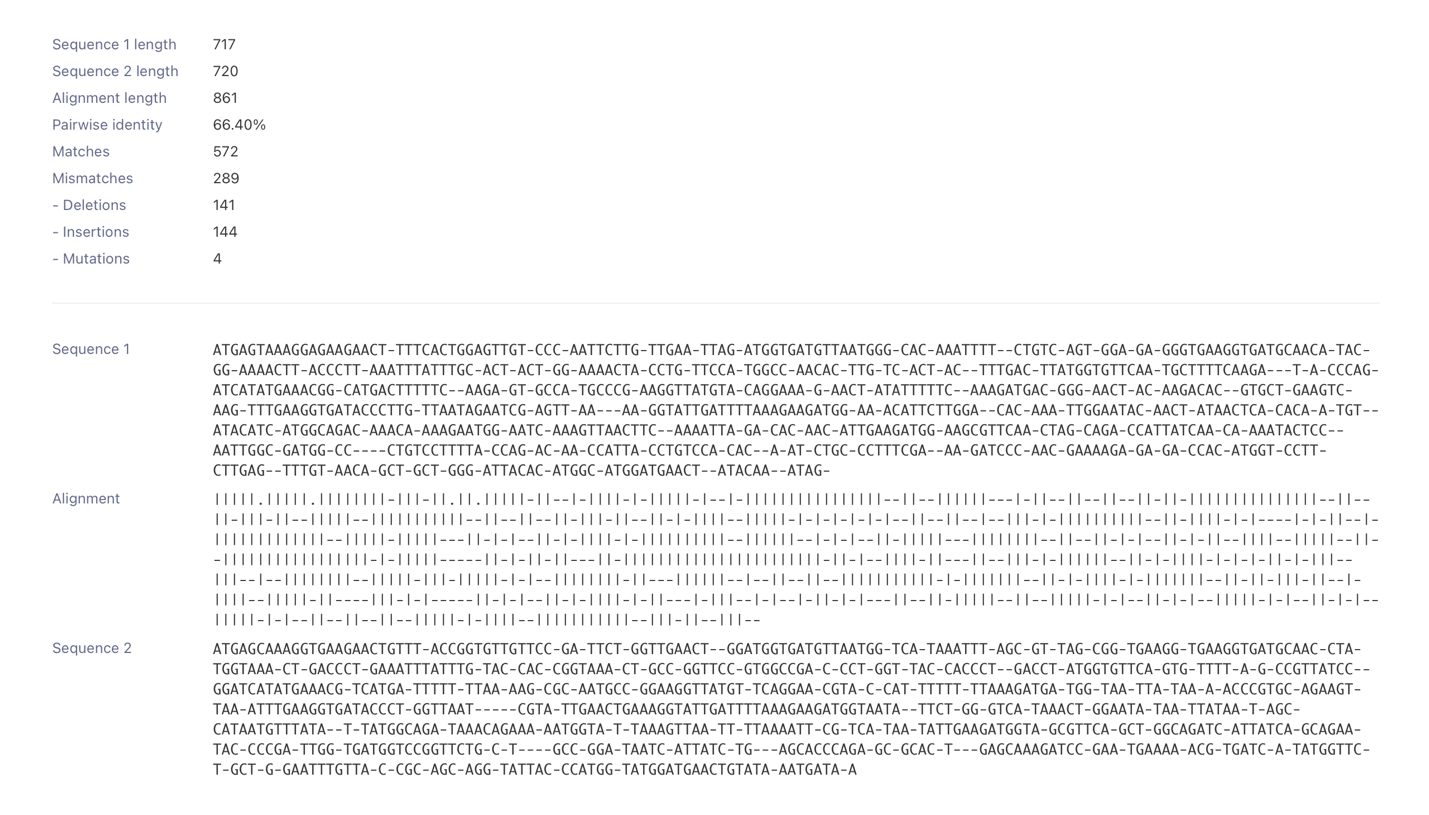
Figure 3. Sequence 1 is the original CDS; Sequence 2 is the optimized comparison version.
Codon optimization changes synonymous codon choices for the selected host, while preserving the protein sequence. It may affect expression, but improved fluorescence still needs experimental testing.
Sequence search
I searched the original 717-nt GFP CDS using Kernel BLAST. The closest matches included BBa_K4158011 in the iGEM Part Registry and pSC300 in Addgene Plasmids, both with 100% identity and complete 717-nt coverage. These results support its identity as a known engineered GFP F64L/S65T variant.
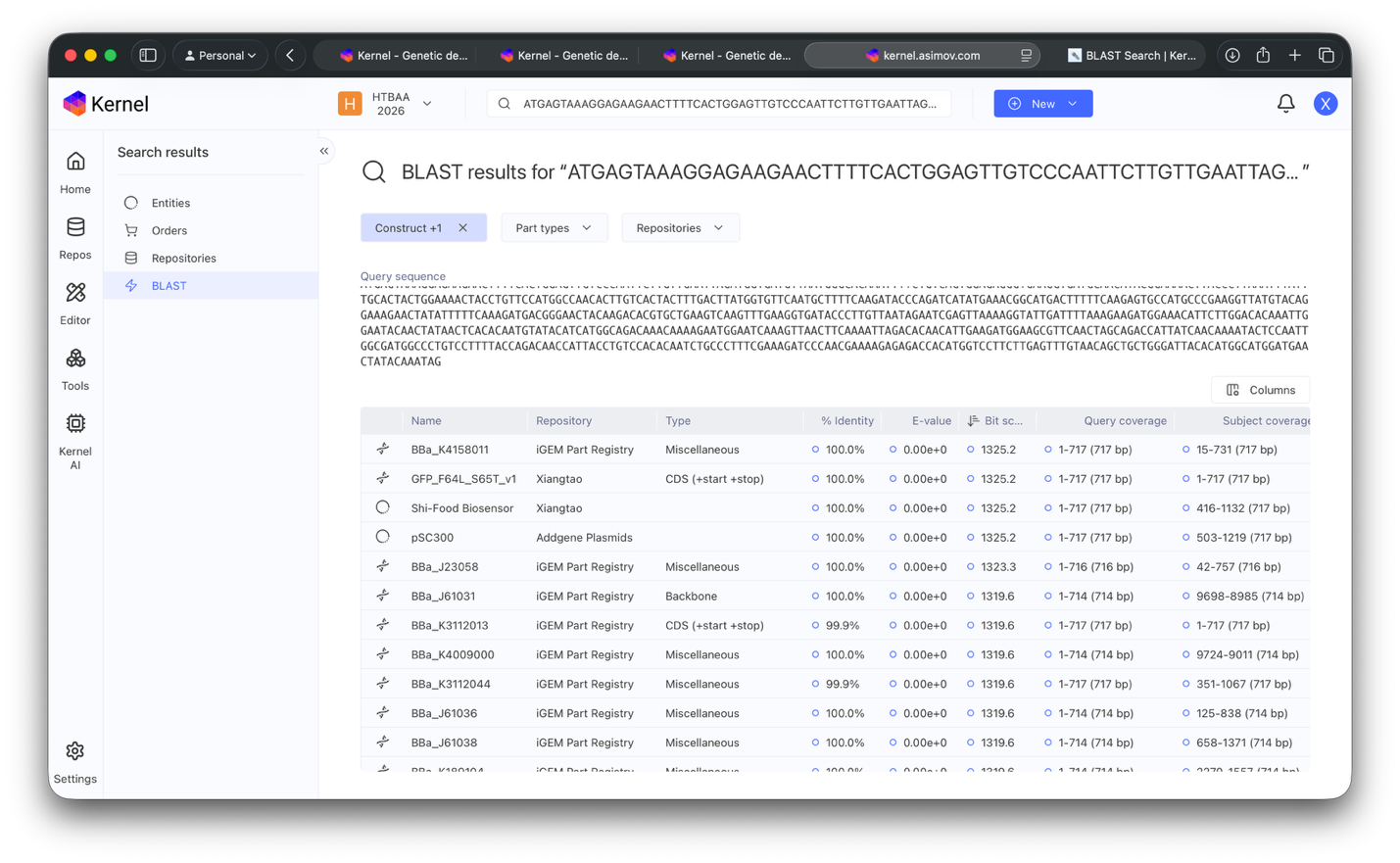
Figure 4. The original GFP CDS matches known reporter sequences.
SecureDNA screen
I screened the original 717-nt GFP CDS and the whole construct using SecureDNA in Kernel. The tool checks submitted sequence against a database of potential biosecurity hazards. It reported “No flagged sequences detected.”
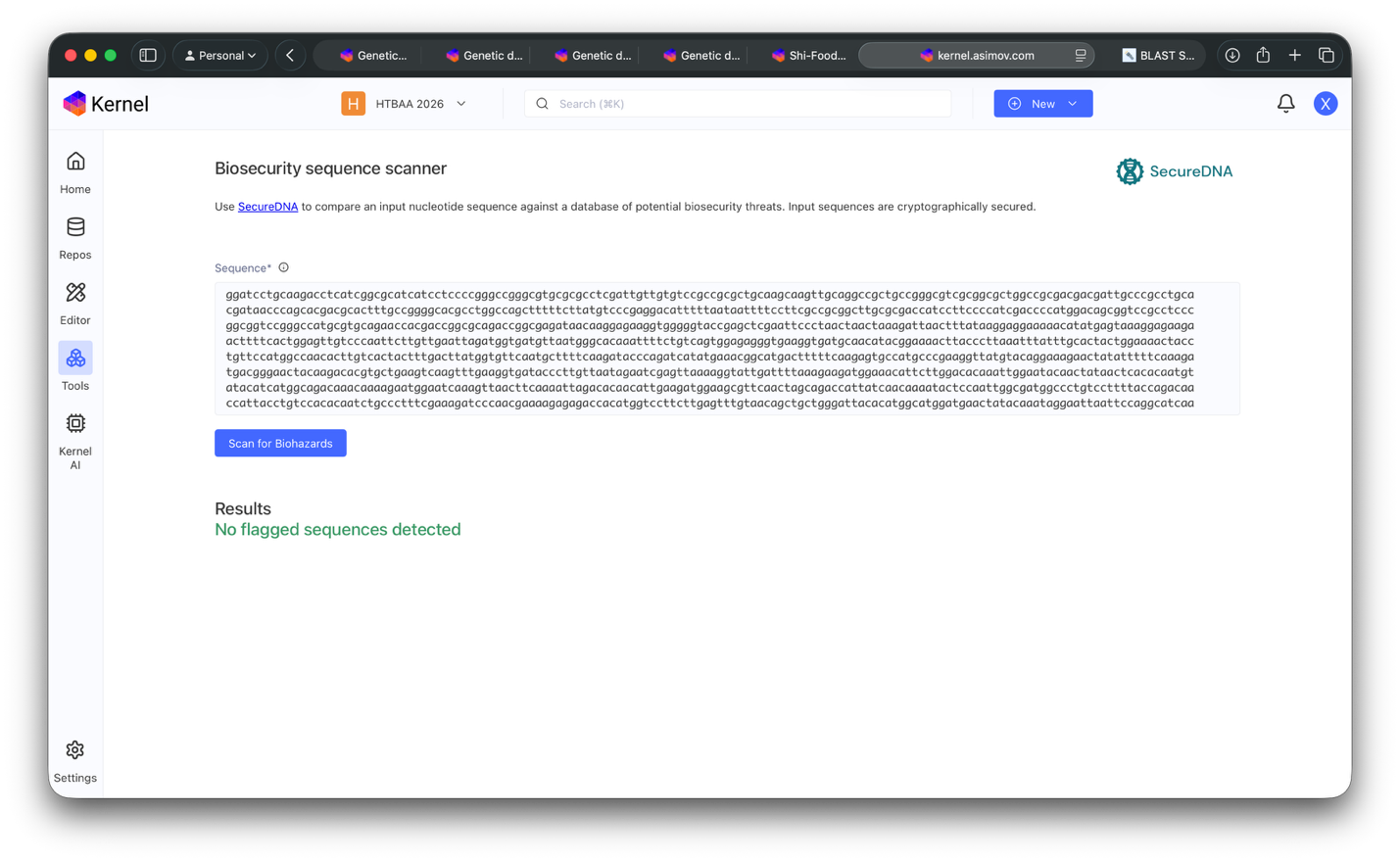
Figure 5. The construct-level SecureDNA result recorded in Kernel.
Part 5: From design to build
For a first prototype, I would reuse a pPROBE-NT vector and insert the 350-bp PhinD regulatory fragment upstream of GFP using BamHI/KpnI restriction cloning. The two added 6-bp sites provide cloning junctions and help control the insert’s orientation. Reusing the vector would reduce the amount of new DNA to order. If suitable vector material is unavailable, I would consider assembling synthetic fragments using Gibson assembly. This approach requires designed overlaps between fragments, rather than BamHI/KpnI sites. (reference)
Synthesis quality depends on both sequence and length. I would review GC content and repeats before ordering. Error correction can reduce synthesis errors, but we still need to confirm the assembled sequence. (reference)
After obtaining a verified plasmid, PCR could provide additional DNA for construction, while propagating plasmid-bearing cells could provide plasmid stocks. I would keep frozen stocks of a verified clone for later batches. At larger scale, I would also check plasmid retention and consistent fluorescence response across batches. (reference)
Part 6: Remaining unknowns
Will PhinD respond to histamine in E. coli? This is the largest uncertainty. In PAO1, histamine metabolism produces ImAA, which activates the regulatory protein HinK and promotes transcription from PhinD. My construct contains the PhinD-GFP reporter module but does not add HinK or the associated histamine-metabolism genes. I would compare fluorescence with and without histamine. If the response is weak, I would reconsider the host or sensing module.
Does the optimized CDS improve the reporter? Codon choices are host-specific, and many synonymous sequences can encode the same protein. I would compare the original and optimized GFP in otherwise identical constructs, measuring fluorescence, growth and background expression. This would test whether the software’s preferred codons improve this particular design.
Can I read the signal reliably in food samples? GFP is expected to remain intracellular in the current design. I would first measure whole-cell fluorescence with a plate reader or fluorescence microscope, then compare buffer and food-matrix samples to assess background fluorescence and interference. Secretion would require a new design.
AI assistance
I used Codex to help locate sequence sources, explain part functions and organize the design.