See the nav bar on the left to look through my work for How To
Biomanufacture Almost Anything (Fall 2026)!
Subsections of Yinuo (Eno) Li — HTBAA Fall 2026
Week 1 HW: Final Project Ideas
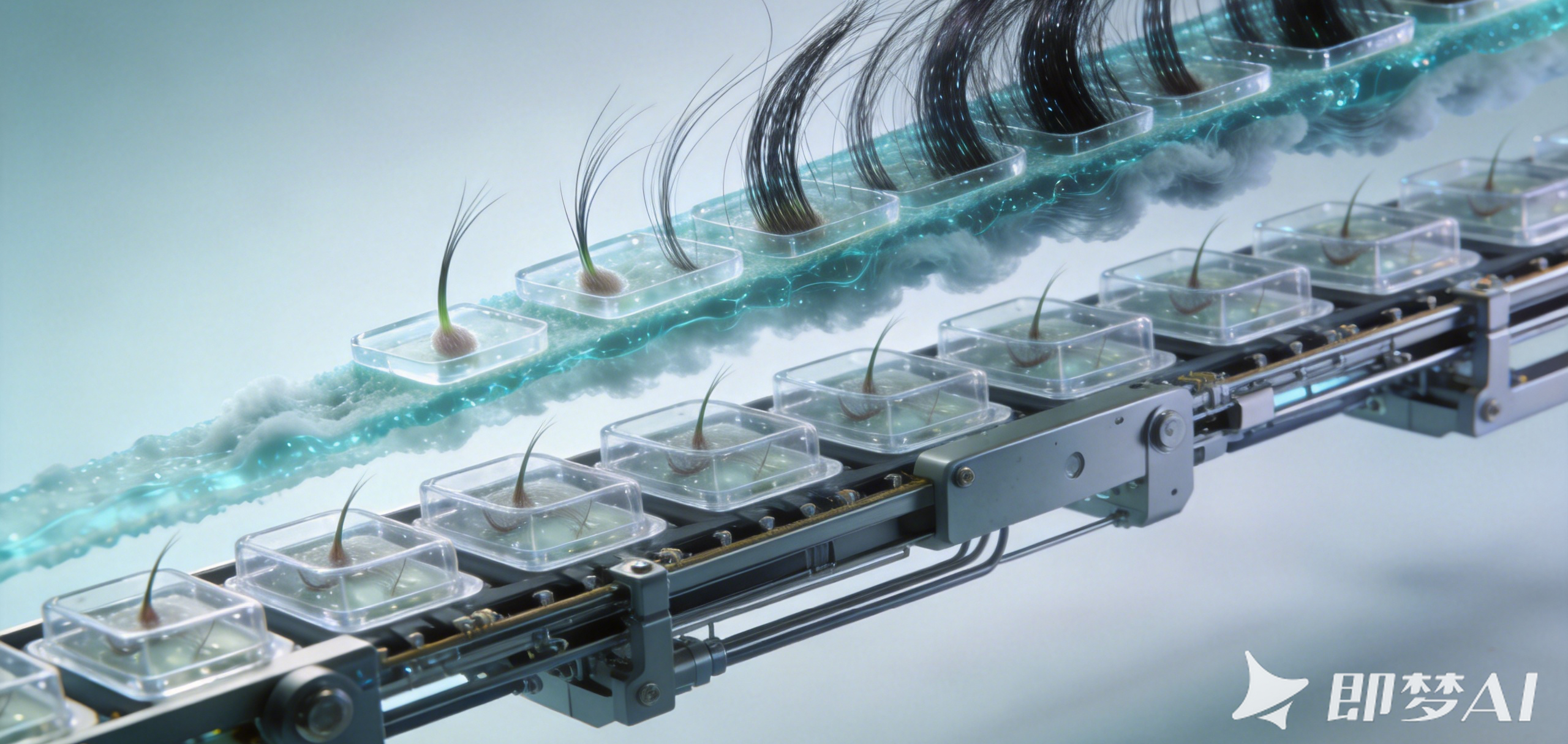
Figure 1. Follicular unit seeds concept diagram「AI generated」
What do you want to make?
Hair loss represents a widespread global health burden. Androgenetic alopecia (AGA) is the most common form of hair loss, affecting approximately 80% of men and 50% of women over their lifetimes. Although hair loss is not typically life-threatening, it significantly impacts patients’ psychosocial well-being and quality of life, representing a long-standing need.
Currently, hair transplantation is an effective method for hair restoration; however, its accessibility remains limited due to constraints on the number of available donor hair follicles, high procedural costs, and the unequal global distribution of medical resources. A typical hair transplant procedure requires an average of 2,347 follicular units; reliance on donor sources alone cannot meet the global demand, and this supply-demand imbalance drives up costs.
Therefore, I aim to develop a source of hair follicle substitutes that can be mass-produced. “Follicular unit seeds”, implantable, engineered follicular units, offer a potential solution to this unmet need. By utilizing biomanufacturing and automation technologies to mass-produce these seeds, we can reduce the cost of hair transplantation, expand access to treatment, and alleviate the global psychosocial burden associated with hair loss.
What living system could make it?
I could use human induced pluripotent stem cells (hiPSCs) to make the follicular unit seeds.By extracting cells from donor hair follicles, it is possible to convert them into pluripotent stem cells by introducing specific transcription factors. Subsequently, pluripotent stem cells can undergo directed differentiation into follicular unit seeds.
How could automation help you make it?
I could use robotic automation to provide nutrition for large-scale cultivation, followed by the screening of suitable hair follicle seeds.
What would it take to make it at a meaningful scale?
A typical hair transplant procedure requires an average of 2,347 follicular units; treating 1,000 patients would therefore involve approximately 2,000,000 follicular units. Assuming each follicular unit requires 20,000 cells, the total requirement for 1,000 patients would be 40 billion cells. However, since I cannot estimate the time required for growth or the scale of production, I do not know how long it will take to produce enough “follicular unit seeds” to meet the hair transplant needs of 1,000 patients.
What don’t you know yet?
1. How can hiPSC-derived cells be induced to stably self-assemble into hair follicles, and how long does this process take?

2. After being implanted into the scalp, can organoids connect to blood vessels, obtain nutrients, and avoid attack by the immune system?