I am a Materials Science and Engineering researcher and humanitarian and Community Resilience advocate passionate about building resilient communities through both scientific innovation and youth empowerment.
Currently, I am conducting graduate research at Mahidol University, Thailand, focusing on In-Situ Synthesis of Silver Nanoparticle–Mycelium Bionanocomposites for Sustainable Antimicrobial Materials.
Alongside my research, I have dedicated nearly a decade to humanitarian service, disaster risk reduction (DRR), emergency preparedness, and community resilience initiatives. As the Founder and Chief Volunteer Officer of the University Red Cross Team at the University of Technology (Yatanarpon Cyber City), Myanmar, I have worked to empower young people as agents of change through peer-led education, first aid training, and community-based resilience programs.
Over the years, our initiatives have:
Reached 1,000+ community members through disaster preparedness, humanitarian, and resilience-focused programs
Supported 300+ beneficiaries through educational outreach, first aid, and community engagement activities
Contributed to blood donation campaigns mobilizing 1,200+ units of blood
Engaged hundreds of student volunteers in humanitarian and community service initiatives
My experience spans scientific research, nonprofit leadership, volunteer management, strategic planning, public relations, stakeholder engagement, and community development.
I am particularly interested in the intersection of:
I believe resilience can be strengthened at multiple levels—from designing advanced materials that improve quality of life to empowering communities with the knowledge and skills needed to prepare for and respond to emergencies.
I welcome opportunities to collaborate with researchers, humanitarian organizations, educators, and innovators working toward a safer, healthier, and more resilient future.
See the nav bar on the left to look through my work for How To
Biomanufacture Almost Anything (Fall 2026)!
Subsections of <ZAYAR PAING SOE> — HTBAA Fall 2026
Week 1 HW: Final Project Ideas
Predictive Biomanufacturing of Functional Mycelium–Nanoparticle Materials
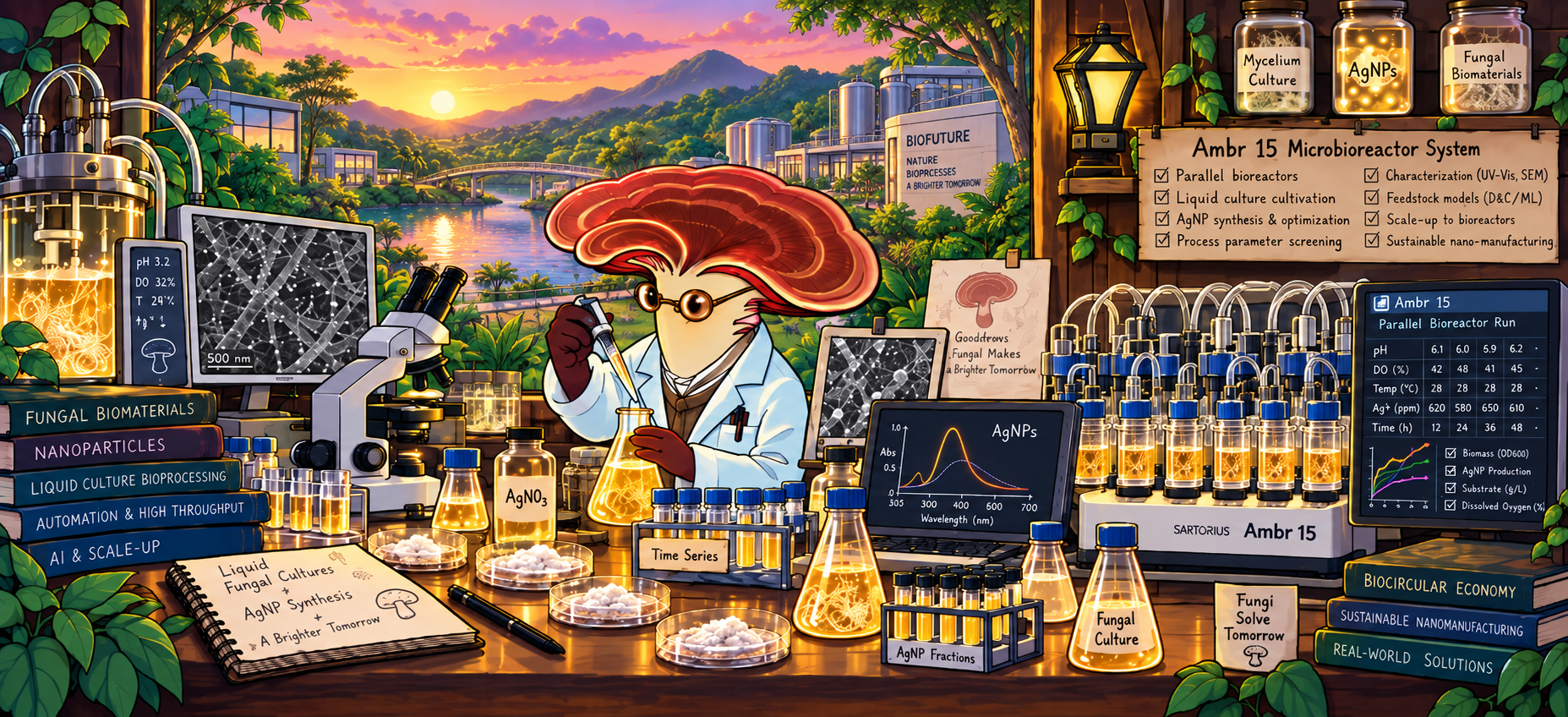
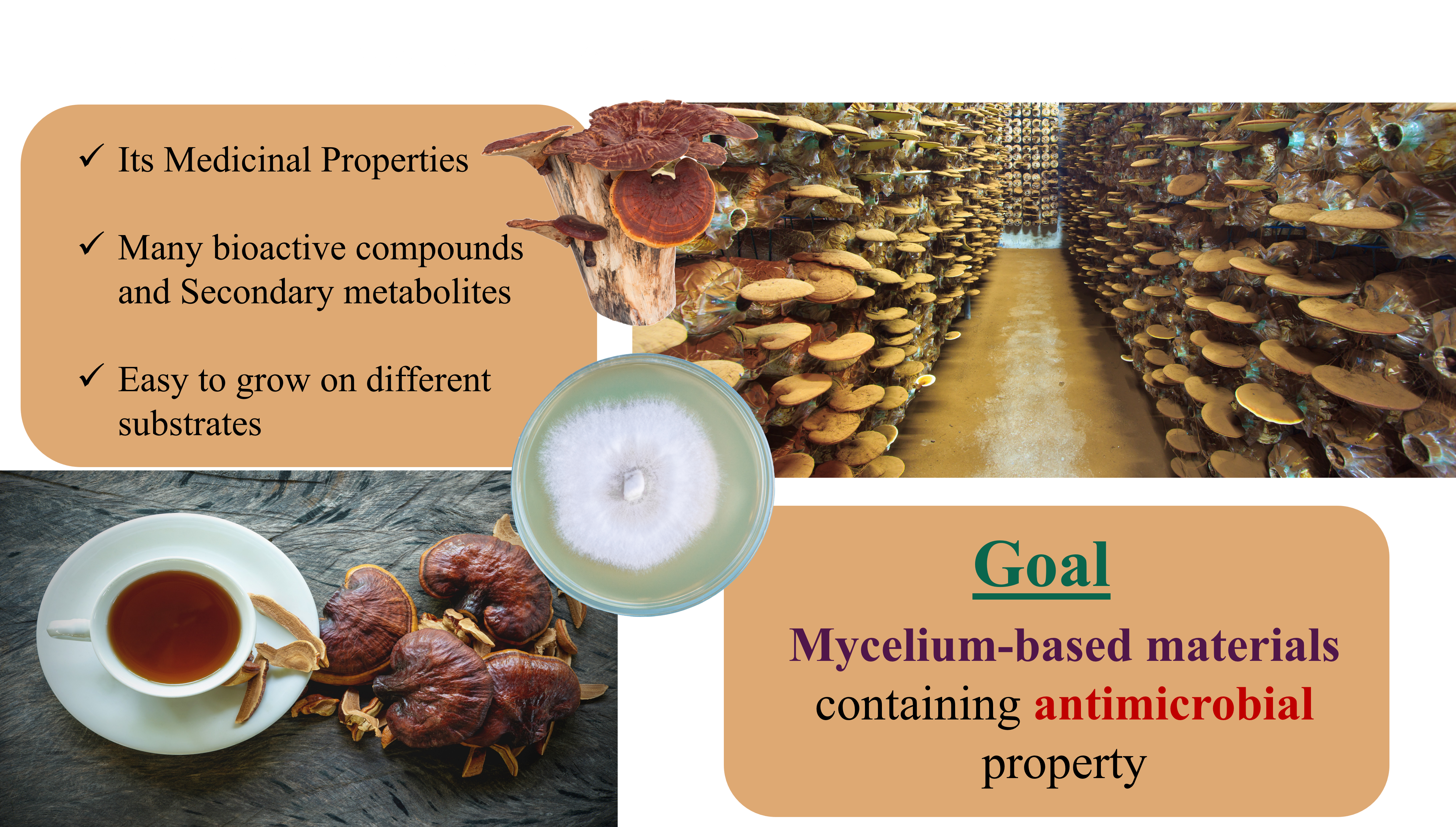
Why this matters: Mycelium-based materials offer a renewable and biodegradable platform for functional materials, but their performance depends strongly on the biological state of the fungus and the conditions used to process it. My project explores whether Ganoderma lucidum can act not only as the material itself, but also as a living manufacturing system that helps form antimicrobial silver nanostructures within the mycelial network. I want to combine this biological system with automated cultivation and characterization to understand how process conditions influence nanoparticle formation, structure, and function. In the longer term, the goal is to move from small-scale experiments toward a scalable, data-driven and predictive biomanufacturing platform where desired material properties can guide how the biological process is designed and controlled.
                    WHY THIS MATTERS
                    ----------------

                 Mycelium-based materials
                 ------------------------
              +---------------------------+
              | Renewable & biodegradable |
              | material platform         |
              +-------------+-------------+
                            |
                            v
              +---------------------------+
              | Can be vulnerable to      |
              | microbial growth and      |
              | degradation               |
              +-------------+-------------+
                            |
                            v
               Need antimicrobial function
                            |
             +--------------+--------------+
             |                             |
             v                             v

    CONVENTIONAL APPROACH              IN-SITU APPROACH
    ---------------------              ----------------

+---------------------------+      +---------------------------+
| Synthesize antimicrobial |      | Use the living fungal     |
| agent separately         |      | system as part of the     |
| e.g. silver nanoparticles|      | manufacturing process     |
+-------------+-------------+      +-------------+-------------+
              |                                  |
              v                                  v
+---------------------------+      +---------------------------+
| Chemical synthesis may   |      | Fungal-associated        |
| require reductants,      |      | biomolecules interact    |
| stabilizers and energy   |      | with silver ions         |
+-------------+-------------+      +-------------+-------------+
              |                                  |
              v                                  v
+---------------------------+      +---------------------------+
| Purify / stabilize the   |      | In-situ formation of     |
| antimicrobial agent      |      | silver nanostructures    |
+-------------+-------------+      | within the mycelium      |
              |                    +-------------+-------------+
              v                                  |
+---------------------------+                    v
| Incorporate into the     |      +---------------------------+
| material                 |      | Nanoparticle formation    |
|                          |      | and material formation    |
| • Coating                |      | become more integrated    |
| • Impregnation           |      +-------------+-------------+
+-------------+-------------+                    |
              |                                  v
              v                    +---------------------------+
+---------------------------+      | Functional mycelium      |
| Possible limitations     |      | nanocomposite             |
|                          |      |                           |
| • Additional processing |      | Antimicrobial function   |
| • Additional energy use |      | integrated within the    |
| • Possible uneven       |      | material structure       |
|   distribution          |      +-------------+-------------+
| • Possible leaching or  |                    |
|   weak integration      |                    v
+---------------------------+      +---------------------------+
                                   | Streamlined              |
                                   | biomanufacturing         |
                                   +-------------+-------------+
                                                 |
                                                 v
                                   +---------------------------+
                                   | Fewer separate           |
                                   | manufacturing steps      |
                                   | and better opportunity   |
                                   | for structural           |
                                   | integration              |
                                   +-------------+-------------+
                                                 |
                                                 v
                                   +---------------------------+
                                   | Antimicrobial bio-based  |
                                   | functional material      |
                                   +---------------------------+
Where I want to take this:
Fungal physiological state + Process conditions
                      |
                      v
            Nanoparticle formation
                      |
                      v
             Structure + Function
                      |
                      v
        Automation + Systematic Data
                      |
                      v
              Predictive Model
                      |
                      v
      Scalable & Controllable Biomanufacturing
1. What would I like to biomanufacture and why?
I would like to biomanufacture a mycelium-based antimicrobial material containing in-situ synthesized silver nanoparticles (AgNPs). My interest comes from my current research on Ganoderma lucidum, where I study how fungal biomass can participate in nanoparticle formation rather than acting only as a passive scaffold.
The conventional route is usually to synthesize an antimicrobial agent separately and then incorporate it into a material through methods such as coating or impregnation. This can require additional chemicals, purification, processing steps, and energy, while the antimicrobial agent may also be less uniformly distributed within the final material. My idea is to explore whether these steps can be streamlined through in-situ synthesis, where the fungal system itself helps form silver nanostructures directly within the mycelial network.
The target is therefore not simply a mycelium material with silver added to it, but a bio-integrated functional material in which the living system contributes to both material formation and antimicrobial function. Possible applications include biodegradable protective packaging and other temporary materials where microbial control is useful.
What interests me most is understanding how fungal physiological state, processing conditions, nanostructure, and final function are connected. In the long term, I would like to move from trial-and-error fabrication toward a process where the desired material properties can be predicted and controlled.
2. What living system would I use?
I would use the filamentous fungus Ganoderma lucidum as the living manufacturing chassis. Its mycelium forms an interconnected network and provides a biologically active environment containing biomolecules that can interact with metal ions. In my proposed system, the fungus would first be grown to produce active mycelial biomass. The biomass would then interact with a silver precursor, allowing fungal-associated biomolecules to participate in silver-ion transformation and nanoparticle formation. The resulting output would be functionalized mycelium containing biologically formed silver nanostructures, which could later become part of a larger bio-based material.
Why Ganoderma lucidum?
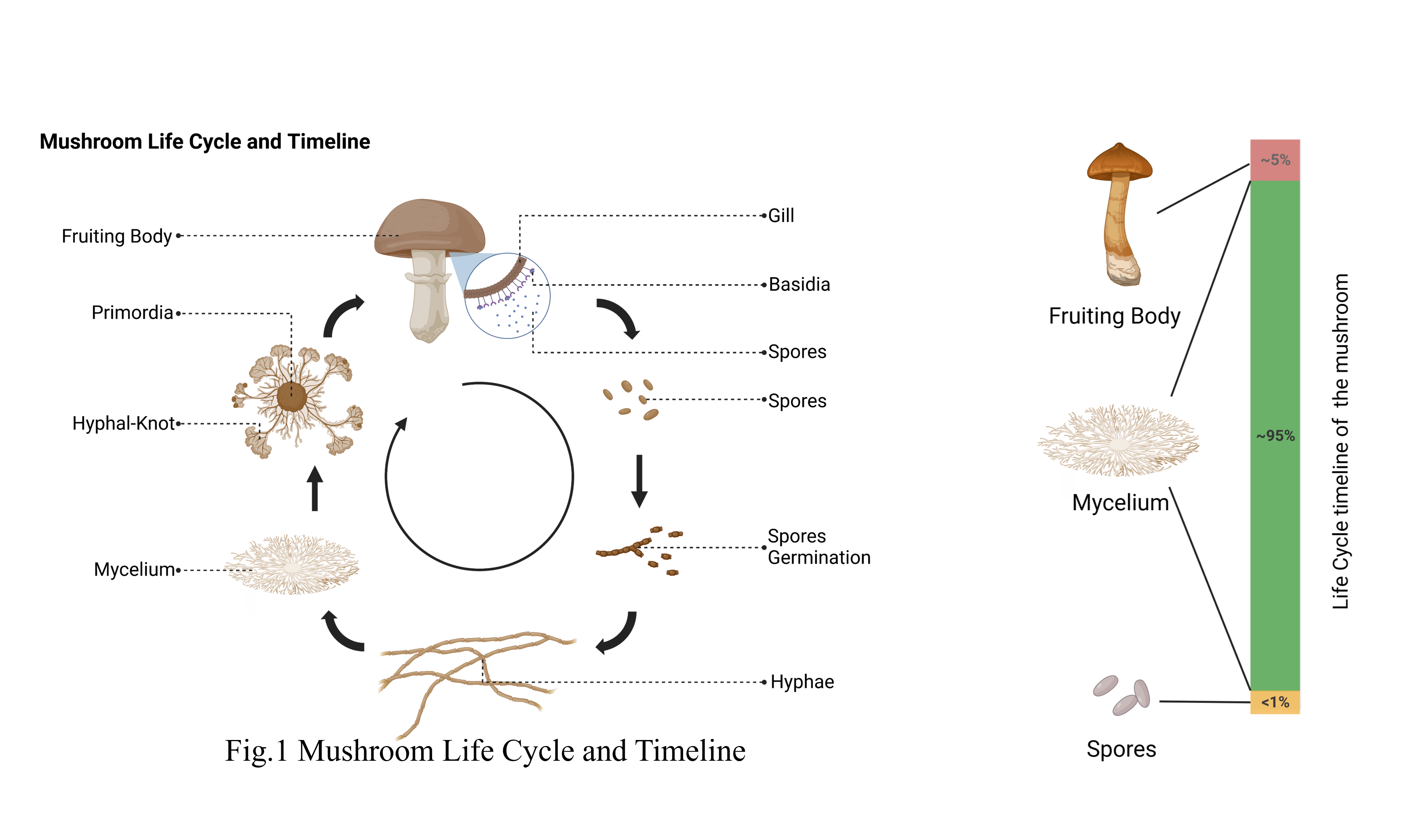
Where does mycelium fit in the fungal life cycle?
My focus is the mycelial network, rather than the fruiting body. In this system, the mycelium serves both as a living manufacturing environment and as part of the material scaffold.
The main assumptions are that sufficient fungal viability can be retained for subsequent material formation and that nanoparticle loading and distribution can eventually be controlled reproducibly.
3. How would I use automation?
I would use automated cultivation, sampling, characterization, and data analysis to make the biomanufacturing workflow more reproducible and data-rich. The main goal would be to run multiple fungal conditions in parallel, collect samples at defined time points, and connect biological state and process conditions with nanoparticle formation and final material performance.
Automation could be used for liquid handling, parallel culturing, scheduled sampling, UV–Vis measurements, SEM/EDX image analysis, and antimicrobial testing. A parallel microbioreactor platform such as the Ambr 15 could be one example for small-scale process development, but the broader idea is to build an automated workflow rather than depend on one specific instrument.
Automated workflow
Experimental design
        |
        v
Parallel fungal cultivation
        |
        v
Controlled process conditions
        |
        v
Scheduled sampling
        |
        v
+-----------------------------+
| Characterization            |
|                             |
| Ag+ depletion               |
| UV-Vis                      |
| SEM / EDX                   |
| Image analysis              |
| Antimicrobial testing       |
+-------------+---------------+
              |
              v
      Structured dataset
              |
              v
 Mechanistic + statistical
      modelling
              |
              v
   Predictive biomanufacturing
4. How much would I need to make, and how long would it take?
For a first meaningful scale, I would target a pilot demonstration of 1,000 antimicrobial protective-packaging inserts. The values below are preliminary engineering assumptions for this homework rather than measured production parameters.
                     PILOT-SCALE TARGET
                     ------------------

              +---------------------------+
              |      1,000 usable        |
              |    packaging inserts      |
              +-------------+-------------+
                            |
                            v
              +---------------------------+
              |   ~50 g material / piece  |
              +-------------+-------------+
                            |
                            v
              +---------------------------+
              | 1,000 × 50 g = 50 kg     |
              | finished material         |
              +-------------+-------------+
                            |
                            v
              +---------------------------+
              | Allow ~10% manufacturing |
              | loss / rejection          |
              +-------------+-------------+
                            |
                            v
              +---------------------------+
              | ~1,111 pieces required    |
              | ~56 kg material           |
              +-------------+-------------+
                            |
                            v
              +---------------------------+
              | 12 parallel modules       |
              | × 100 pieces / module     |
              +-------------+-------------+
                            |
                            v
              +---------------------------+
              | ~1,200 pieces / batch     |
              +-------------+-------------+
                            |
                            v
        +-----------------------------------------+
        |          ESTIMATED PRODUCTION TIME      |
        |                                         |
        | Material growth / formation   ~5 days   |
        | Drying / stabilization        ~2 days   |
        | Handling + quality control    ~1 day    |
        |                               --------  |
        | Total                         ~8 days   |
        +--------------------+--------------------+
                             |
                             v
              +---------------------------+
              | ~1,000 usable products    |
              | every ~8-day pilot batch  |
              +---------------------------+


         PROTOTYPING                    MANUFACTURING
         ------------                   -------------

 Automated small-scale                 Larger biomass
 cultivation & testing                 production
          |                                  |
          v                                  v
 Identify reproducible       --->    Parallel material-
 process conditions                  forming units
                                             |
                                             v
                                    Drying + Quality Control
Estimated pilot target: ~56 kg of material → 1,000 usable products → ~8 days per production cycle
Actual manufacturing capacity would need to be determined experimentally from biomass yield, material density, growth time, drying time, production capacity, and rejection rate.
5. What do I still need to understand?
The main challenge is not simply whether the fungus can form silver nanoparticles, but whether the process can become predictable, reproducible, and scalable. I see three major unknowns that need to be solved before this could become a reliable biomanufacturing process.
                KEY UNKNOWNS
                ------------

+----------------------------------+
| 1. Biological variability       |
|                                  |
| Which aspects of fungal          |
| physiological state most strongly|
| control nanoparticle formation?  |
+----------------+-----------------+
                 |
                 v
+----------------------------------+
| 2. Process → Structure → Function|
|                                  |
| How do processing conditions     |
| affect nanoparticle formation,   |
| distribution, and antimicrobial  |
| performance?                     |
+----------------+-----------------+
                 |
                 v
+----------------------------------+
| 3. Scale-up                      |
|                                  |
| Will relationships observed at   |
| small scale remain predictable   |
| in larger manufacturing systems? |
+----------------------------------+
5.1 What do I still need to understand and learn?
My current background gives me experience in materials science, biomaterials, fungal cultivation, nanoparticle synthesis, and materials characterization. Through my current research, I have learned how to grow mycelium, investigate biologically mediated silver nanoparticle formation, use techniques such as UV–Vis and SEM/EDX, perform antimicrobial testing, and design experiments to compare processing conditions.
However, moving from an experimental material to a predictable biomanufacturing process requires skills that go beyond what I currently know. One reason I am interested in HTBAA is to begin connecting my existing materials research with automation, bioprocessing, and scalable manufacturing.
             WHAT I ALREADY KNOW
             -------------------

        Materials Science
               |
               v
     Biomaterials + Mycelium
               |
               v
     Nanoparticle Formation
               |
               v
   Materials Characterization
      UV-Vis | SEM | EDX
               |
               v
     Antimicrobial Testing
               |
               v
       Experimental Data


                    ↓
            WHAT I NEED TO BUILD
                    ↓


      Bioprocess Engineering
               |
     +---------+---------+
     |                   |
     v                   v
Bioreactor control    Scale-up
and monitoring        principles
     |
     v
Lab + Process Automation
     |
     +--> Automated liquid handling
     +--> Sensors and process monitoring
     +--> Automated sampling
     +--> Reproducible workflows
     |
     v
Data Integration
     |
     +--> Experimental design
     +--> Reaction kinetics
     +--> Statistics
     +--> Automated image analysis
     +--> Programming / data pipelines
     |
     v
Predictive Modelling
     |
     +--> Machine learning
     +--> Process prediction
     +--> Optimization
     |
     v
Scalable & Controllable
Biomanufacturing
What I hope to develop through HTBAA
For me, HTBAA is an opportunity to begin filling the gap between making a functional biomaterial in the laboratory and engineering a reproducible biomanufacturing system. I particularly want to develop practical skills in laboratory automation, automated experimental workflows, bioprocess design, process monitoring, data integration, and scale-up thinking. I also want to become more comfortable connecting hardware, biological experiments, and computational tools within the same workflow.
Some areas, especially advanced fungal physiology, detailed kinetic modelling, and machine learning, will require continued training beyond a single course. However, HTBAA can help me build the biomanufacturing and automation foundation needed to connect these areas together.
The direction I want to move toward
WHAT I CAN DO NOW

Biology + Materials + Characterization
                 |
                 v
         Observe what happens

                 +

WHAT I WANT TO LEARN

Automation + Bioprocessing + Data + Modelling
                 |
                 v
       Understand why it happens
                 |
                 v
       Predict what will happen
                 |
                 v
        Control how it happens
Ultimately, I want to move from observing nanoparticle formation in a biological material toward being able to measure, model, predict, and eventually control the process.
6. How do I use AI in my research workflow?
I use ChatGPT (GPT-5.6 Sol) as a research-support tool, not as a replacement for experiments, scientific judgement, or my own interpretation of the data. I mainly use it to help organize ideas, explore possible experimental approaches, clarify concepts, improve scientific writing, perform preliminary calculations, troubleshoot analysis workflows, and connect different parts of my research more clearly.
              MY AI-ASSISTED WORKFLOW
              -----------------------

Research question / Experimental problem
                 |
                 v
        Discuss with ChatGPT
                 |
        +--------+---------+
        |                  |
        v                  v
 Clarify concepts      Explore options
 Generate questions    Compare approaches
        |                  |
        +--------+---------+
                 |
                 v
      Design / refine experiment
                 |
                 v
           Analyze data
                 |
                 v
      Interpret the results
                 |
                 v
   Improve communication and
     planning for next steps
What I use ChatGPT for
Experimental thinking — discussing controls, possible sources of error, alternative methods, and questions that should be tested.
Data analysis — checking calculations, statistical approaches, visualization ideas, and analysis workflows.
Scientific communication — improving the structure and clarity of reports, presentations, webpages, and research explanations.
Learning — helping me understand unfamiliar topics in biology, bioprocessing, automation, modelling, and programming.
Research planning — helping me connect my current experiments with longer-term questions in mechanistic understanding, automation, and predictive biomanufacturing.
For this HTBAA project, I also used ChatGPT to help me organize the project concept, simplify diagrams, develop back-of-the-envelope calculations, and translate my research direction into a biomanufacturing framework, while keeping unpublished experimental details out of the public webpage.
Ultimately, I use AI as a thinking and communication assistant, while experimental decisions, interpretation, and scientific conclusions remain my responsibility.
References
Osorio-Echavarría J, Ossa-Orozco CP, Gómez-Vanegas NA. Synthesis of silver nanoparticles using white-rot fungus Anamorphous Bjerkandera sp. R1: influence of silver nitrate concentration and fungus growth time. Scientific Reports. 2021;11(1):3842. doi:10.1038/s41598-021-82514-8.
Mukherjee P, Ahmad A, Mandal D, Senapati S, Sainkar SR, Khan MI, Parishcha R, Ajaykumar PV, Alam M, Kumar R, Sastry M. Fungus-mediated synthesis of silver nanoparticles and their immobilization in the mycelial matrix: a novel biological approach to nanoparticle synthesis. Nano Letters. 2001;1(10):515–519. doi:10.1021/nl0155274.
Karwa A, Gaikwad S, Rai MK. Mycosynthesis of silver nanoparticles using Lingzhi or Reishi medicinal mushroom, Ganoderma lucidum (W. Curt.:Fr.) P. Karst. and their role as antimicrobials and antibiotic activity enhancers. International Journal of Medicinal Mushrooms. 2011;13(5):483–491. doi:10.1615/IntJMedMushr.v13.i5.80.
Ahmed S, Ahmad M, Swami BL, Ikram S. A review on plants extract mediated synthesis of silver nanoparticles for antimicrobial applications: a green expertise. Journal of Advanced Research. 2016;7(1):17–28.
Stamets P. Mycelium Running: How Mushrooms Can Help Save the World. Ten Speed Press; 2005.
Stamets P. Earth’s natural internet. Whole Earth Review. 1999;Fall:74–77.
Pramila K, Sushil K. Microbes mediated synthesis of metal nanoparticles: current status and future prospects. International Journal of Nanomaterials and Biostructures. 2016;6(1):1–24.
Wong-Pinto LS, Menzies A, Ordóñez JI. Bionanomining: biotechnological synthesis of metal nanoparticles from mining waste—opportunity for sustainable management of mining environmental liabilities. Applied Microbiology and Biotechnology. 2020;104:1859–1869. doi:10.1007/s00253-020-10353-0.
Bahrulolum H, Nooraei S, Javanshir N, et al. Green synthesis of metal nanoparticles using microorganisms and their application in the agrifood sector. Journal of Nanobiotechnology. 2021;19:86. doi:10.1186/s12951-021-00834-3.
Week 2 HW: DNA Design
Part 1: Define the Expression Target
What molecule am I expressing?
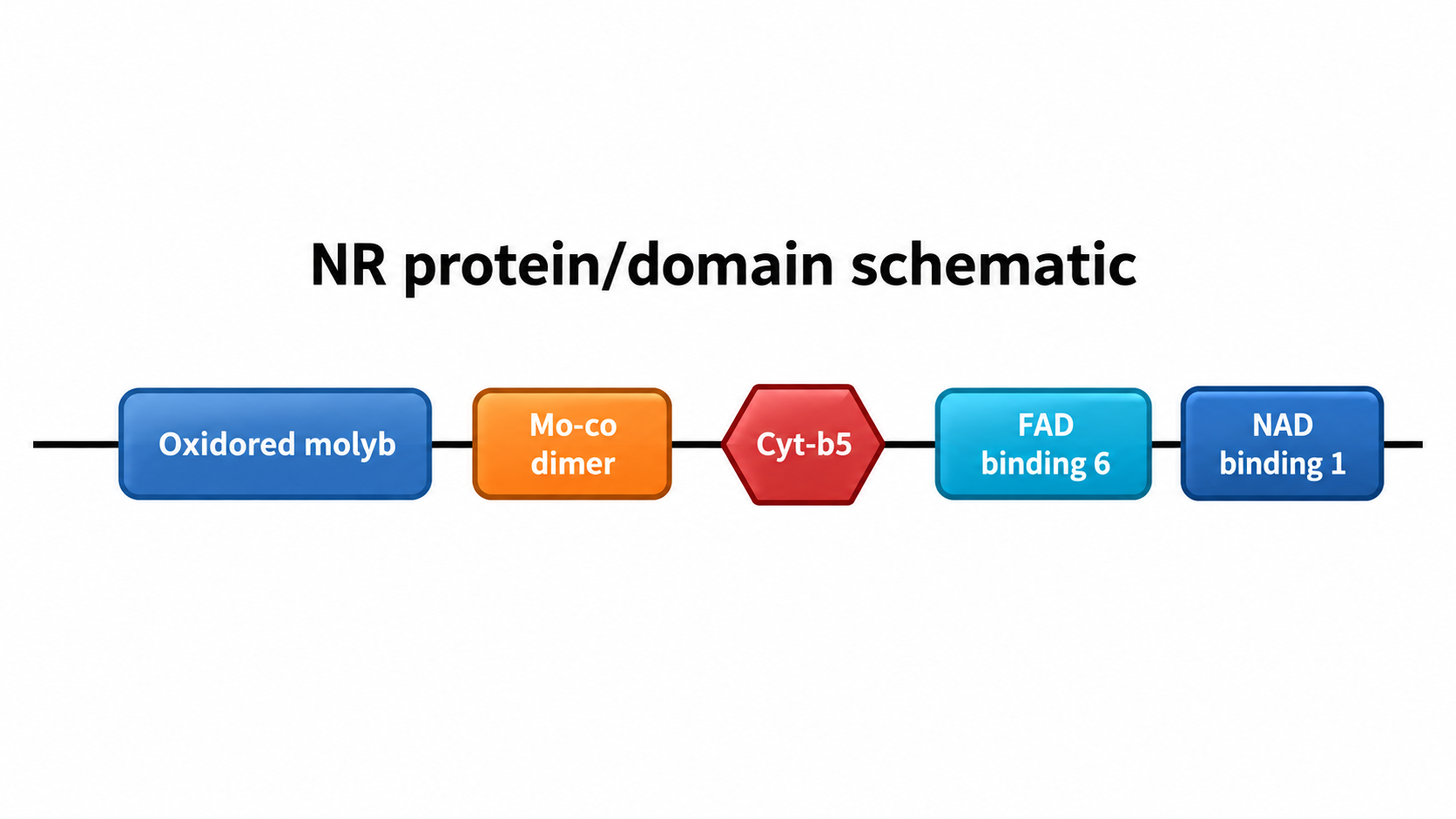
I will express nitrate reductase (NR) from Ganoderma lucidum. NR is a multidomain redox enzyme involved in nitrate metabolism. The published G. lucidum NR contains regions associated with molybdopterin/Moco, cytochrome b5/heme, FAD, and NAD binding, giving the protein an internal electron-transfer architecture.
Figure 1. Motif/domain schematic of Ganoderma lucidum nitrate reductase (NR). Redrawn from the motif analysis reported by Liu et al. (2018). The predicted regions are associated with molybdenum cofactor, cytochrome b5/heme, FAD, and NAD-dependent electron transfer.
NR can transfer reducing equivalents through these cofactors, which is why I selected it as a mechanistically plausible candidate for testing whether increased reductase activity can influence Ag⁺ reduction. However, a direct role of NR in Ag⁺ reduction in my G. lucidum system has not yet been demonstrated.
I will use the complete coding sequence of the Ganoderma lucidum nitrate reductase gene, GenBank accession MG601724.1.
Property
Sequence information
Gene
nr
Product
Nitrate reductase
Organism
Ganoderma lucidum
GenBank accession
MG601724.1
CDS length
2,409 bp
Protein length
802 amino acids
Start codon
ATG
Stop codon
TAG
Protein tag
None
The sequence I will use is the spliced mRNA/CDS, rather than the intron-containing genomic sequence. The supplemental material also provides primers designed to amplify the NR ORF and detect NR expression.
I will keep the NR protein untagged so that the first construct introduces as few additional variables as possible when testing the effect of NR overexpression on Ag⁺ reduction.
What host or chassis will I use?
The host will be Ganoderma lucidum, the same fungal chassis used in my HW1 project.
My experimental fungus is a commercial G. lucidum strain without a sequence-defined strain ID. Therefore, MG601724.1 is being used as the reference nitrate-reductase sequence for this design.
Before laboratory implementation, I would verify the endogenous nr sequence in my strain to confirm that it is sufficiently similar to the reference sequence used in the construct.
I chose to keep the host and target gene within the same species to make the design more biologically compatible and to reduce uncertainty associated with expressing a heterologous protein.
Where does the expressed protein need to go?
For this design, NR will remain intracellular, and I will not add a secretion signal or other targeting peptide.
The goal is to keep the engineered NR as close as possible to its native cellular form while testing whether increased NR expression changes Ag⁺ reduction.
Pnr induction
     ↓
NR expression
     ↓
Intracellular NR activity
     ↓
Test effect on Ag+ reduction
Why nitrate reductase?
I selected nitrate reductase because it is a redox-active enzyme with an internal electron-transfer system involving NAD(P)H-associated, FAD, heme/cytochrome b5, and molybdenum-cofactor regions.
My hypothesis is that increasing NR expression may alter the reducing capacity of the fungal system and therefore influence Ag⁺ reduction and AgNP formation.
Inducible NR overexpression
          ↓
   ↑ NR abundance/activity
          ↓
Change in cellular reducing capacity
          ↓
      Ag+ → Ag0
       HYPOTHESIS
          ↓
AgNP nucleation / growth
          ↓
Functional mycelium–AgNP material
How would I test this hypothesis?
I would compare the engineered NR-overexpression strain with appropriate controls and measure whether increased NR expression produces a measurable change in silver reduction.
NR expression
      ↓
NR enzyme activity
      ↓
Ag+ depletion kinetics
      ↓
AgNP formation
      ↓
UV–Vis + SEM/EDX
      ↓
Antimicrobial performance
If NR overexpression changes Ag⁺ depletion or AgNP formation relative to the controls, this would support a role for NR-associated redox activity in the process. If no clear change is observed, other fungal enzymes or metabolites may be more important contributors.
Part 2: Design the Genetic Parts
1. Transcription start — inducible promoter
For transcriptional control, I will use a candidate nitrate-reductase promoter (Pnr) from Ganoderma lucidum.
Property
Design choice
Part type
Promoter
Name
Pnr_Glucidum_candidate
Source organism
Ganoderma lucidum
Reference genome
Strain G.260125-1
Accession
AGAX01000028.1
Coordinates
587544–588543
Length
1,000 bp
Expression type
Nitrogen-responsive / inducible
Status
Putative promoter
I selected the 1 kb region immediately upstream of the native nr locus as a candidate Pnr sequence. The goal is to use nitrogen-responsive regulation so that NR expression can be increased after the mycelium has already developed, rather than continuously overexpressing NR throughout fungal growth.
Justification: An inducible promoter gives better temporal control than constitutive expression and should make it easier to distinguish the effects of NR overexpression on Ag⁺ reduction from effects on normal fungal growth.
Important limitation: This 1 kb sequence is a candidate regulatory region from a reference G. lucidum strain, not a promoter that has been experimentally validated in my commercial strain. Its inducibility would therefore need to be tested experimentally.
2. Translation initiation — native start context
For the first construct, I will not introduce a synthetic Kozak sequence. Instead, I will preserve the native start of the G. lucidum nr coding sequence and use its natural ATG start codon.
Property
Design choice
Part type
Translation-initiation context
Strategy
Native nr start context
Start codon
ATG
Synthetic Kozak
None
Separate 5′ UTR
Not yet defined
Justification: Translation-initiation preferences can vary between fungal species, so I prefer to retain a host- and gene-matched start context rather than introduce a generic mammalian Kozak sequence.
Important limitation: The exact transcription start site and native 5′ UTR boundary of nr have not yet been experimentally defined for the reference sequence used here. This region would need to be experimentally mapped or verified before a laboratory-ready construct is finalized.
3. Coding sequence — nitrate reductase (NR)
The coding sequence will be the complete Ganoderma lucidum nitrate reductase CDS from GenBank accession MG601724.1.
Property
Design choice
Part type
CDS
Short name
NR_MG601724
Gene
nr
Organism
Ganoderma lucidum
Accession
MG601724.1
Length
2,409 bp
Protein length
802 aa
Start codon
ATG
Stop codon
TAG
Protein tag
None
I will use the spliced mRNA/CDS sequence rather than the intron-containing genomic gene. This gives a continuous coding region suitable for assembly and later sequence optimization.
Justification: NR is the central test gene in this design because it is a redox-active enzyme and provides a direct way to test whether increasing reductase activity alters Ag⁺ reduction and AgNP formation.
Important limitation: MG601724.1 is used as a reference sequence, because my commercial G. lucidum strain is not sequence-defined. Before laboratory implementation, I would verify the endogenous nr sequence in my strain.
Protein tag: None. I am keeping NR untagged to avoid introducing another variable that could affect folding, catalytic activity, or interpretation of Ag⁺ reduction.
4. Terminator — A. nidulans trpC terminator
For transcription termination, I will use the Aspergillus nidulans trpC terminator (TtrpC).
Property
Design choice
Part type
Terminator
Short name
TtrpC_Anidulans
Source organism
Aspergillus nidulans
Reference
trpC sequence, GenBank X02390.1
Length used
776 bp
Function
Transcript termination / 3′ processing
Justification: I selected TtrpC because it has been used successfully in fungal expression systems, including G. lucidum, and it avoids duplicating the native TsdhB sequence already present in the cbxR selectable-marker cassette.
Important limitation: TtrpC is a heterologous terminator, so although it has precedent in fungal expression, its exact termination efficiency in my commercial G. lucidum strain would still need to be confirmed experimentally.
5. Selectable marker — cbxR / sdhB-H216L
For fungal selection, I will use the Ganoderma lucidum sdhB-based carboxin-resistance marker (cbxR).
Property
Design choice
Part type
Selectable marker
Short name
cbxR_Glucidum
Source organism
Ganoderma lucidum
Reference sequence
JN377411.1
Gene
sdhB
Resistance mutation
H216L
Selection agent
Carboxin
Strategy
Keep the native cbxR cassette intact
Justification: I selected cbxR because it is a homologous G. lucidum selection system, making it more biologically compatible with my fungal chassis than using an unrelated heterologous resistance marker.
Design choice: I will keep the cbxR cassette intact, including its native regulatory regions, rather than modifying its terminator or promoter. This minimizes changes to an established fungal selection system.
Important limitation: My commercial G. lucidum strain is not genetically characterized, so its baseline sensitivity to carboxin would need to be tested before using cbxR experimentally.
6. Vector backbone — pJW-EXP-derived context
For the vector context, I will use a pJW-EXP-derived Ganoderma lucidum expression backbone.
Property
Design choice
Part type
Vector backbone
Short name
pJW-EXP-derived
Host application
Ganoderma lucidum
Bacterial propagation
pMD19-T-derived backbone
Bacterial selection
Ampicillin resistance
Fungal selection
cbxR cassette
Expression cassette
Pnr → NR → TtrpC
The original pJW-EXP system was developed for genetic manipulation of G. lucidum. In this design, I will keep the backbone and fungal selection strategy, but replace the original constitutive expression cassette with my nitrate-responsive NR cassette.
Justification: I selected a pJW-EXP-derived backbone because it was developed for G. lucidum and provides a host-compatible starting point for fungal transformation and selection.
Important limitation: I am using the published pJW-EXP architecture as the vector context, but I do not yet have a complete sequence-verified copy of the exact backbone. The final plasmid sequence would need to be confirmed before synthesis or assembly.
Proposed Genetic Architecture
The final design combines the NR expression cassette with the fungal selection cassette and a pJW-EXP-derived vector context.
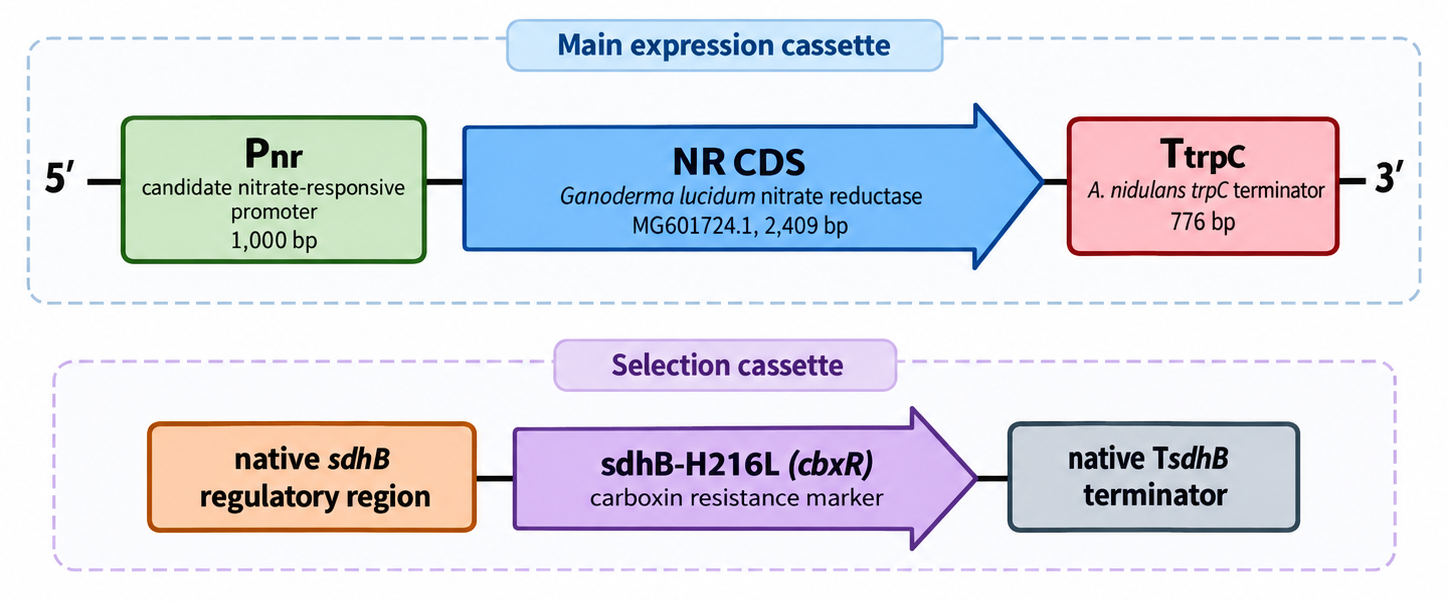
Figure 2. Genetic architecture of the proposed NR overexpression system. The main expression cassette contains the candidate nitrate-responsive promoter (Pnr), the G. lucidum nitrate reductase CDS (MG601724.1), and the A. nidulans trpC terminator (TtrpC). A separate G. lucidum cbxR / sdhB-H216L cassette provides fungal selection within a pJW-EXP-derived vector context.
Main expression cassette
Pnr → NR CDS → TtrpC

          +

Selection cassette
native sdhB regulatory region
          ↓
   sdhB-H216L (cbxR)
          ↓
      native TsdhB

          +

pJW-EXP-derived vector context
Part 3: Assemble the Construct in Kernel
I assembled the proposed nitrate reductase expression cassette in
Asimov Kernel using three sequence-defined parts:
Pnr → NR (MG601724.1) → TtrpC
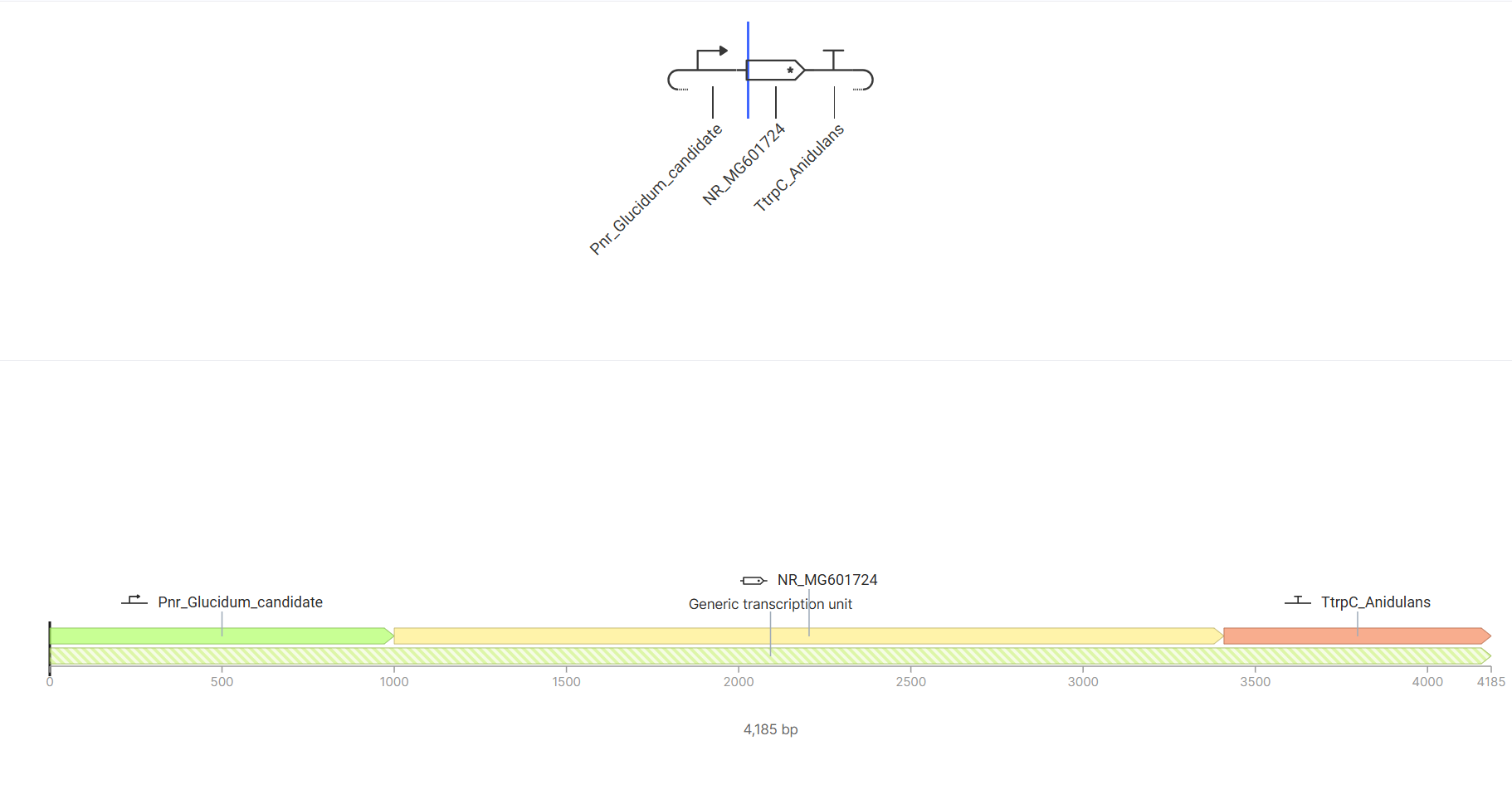
The final cassette is 4,185 bp long:
Pnr_Glucidum_candidate: 1–1000 bp
NR_MG601724: 1001–3409 bp
TtrpC_Anidulans: 3410–4185 bp
Kernel Part Match identified and linked all three components in the expected
5′→3′ orientation.
Figure 3. Kernel linear map of the proposed inducible nitrate reductase expression cassette.
The 4,185-bp construct contains the candidate G. lucidum nitrate-responsive
promoter, the nitrate reductase CDS (MG601724.1), and the A. nidulans trpC
terminator.
The sequence viewer displayed translation across the NR coding region and
reported no lintable errors.
The current Kernel construct represents the expression cassette only.
The complete pJW-EXP-derived plasmid, including the fungal selection cassette
and bacterial backbone, remains pending sequence-level backbone verification.
Selection Cassette
The complete transformation system also requires a separate fungal
selection cassette:
native sdhB regulatory region → sdhB-H216L (cbxR) → native TsdhB
The cbxR cassette provides carboxin resistance, allowing transformed
Ganoderma lucidum cells to be selected.
I have not yet assembled this cassette as a sequence-defined Kernel construct
because the exact regulatory-region boundaries and final engineered
sdhB-H216L sequence still require sequence-level verification.
Therefore, the current Kernel construct represents the NR expression
cassette, while the cbxR cassette is retained as part of the proposed
pJW-EXP-derived vector architecture.
Part 4: Optimize and Quality-Check
4.1 Codon Optimization
I evaluated the Ganoderma lucidum nitrate reductase CDS (MG601724.1) using Kernel’s coding-sequence optimization workflow.
Because the designed NR protein is intended to remain intracellular, I disabled the automatically suggested signal peptide so that the native protein localization would not be changed.
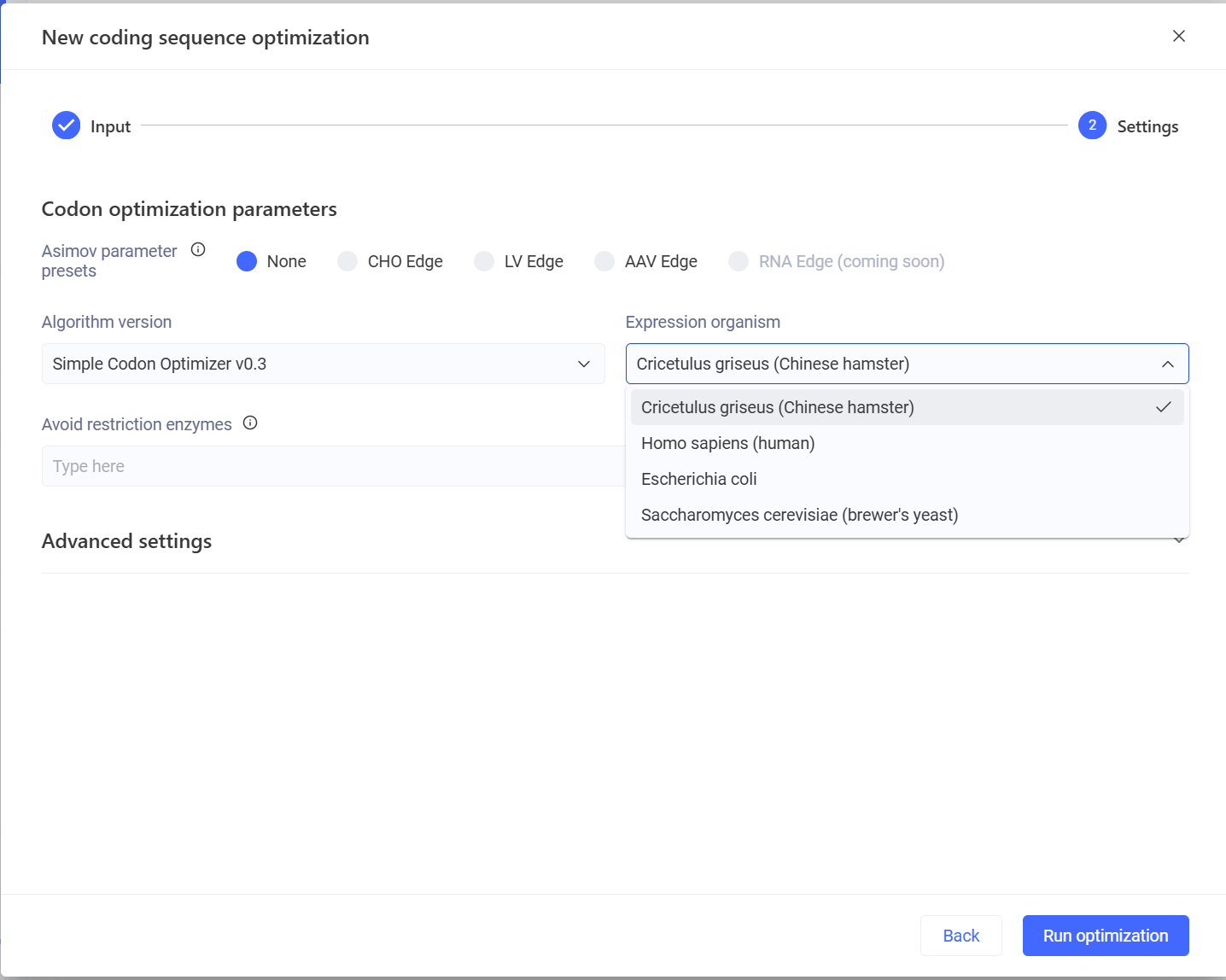
Kernel did not provide Ganoderma lucidum as an available expression organism. The available options were:
Cricetulus griseus
Homo sapiens
Escherichia coli
Saccharomyces cerevisiae
Figure 4. Kernel expression-organism options for codon optimization. Ganoderma lucidum was not available as a host in the Kernel coding-sequence optimizer. Therefore, Saccharomyces cerevisiae was selected only as a fungal surrogate to demonstrate the optimization workflow.
To demonstrate the codon-optimization workflow, I used the following settings:
Input: NR_MG601724
Algorithm: Simple Codon Optimizer v0.3
Asimov preset: None
Signal peptide: Skipped
Expression organism:Saccharomyces cerevisiae
The S. cerevisiae optimization was treated only as a comparative workflow exercise and was not intended to replace the native G. lucidum coding sequence.
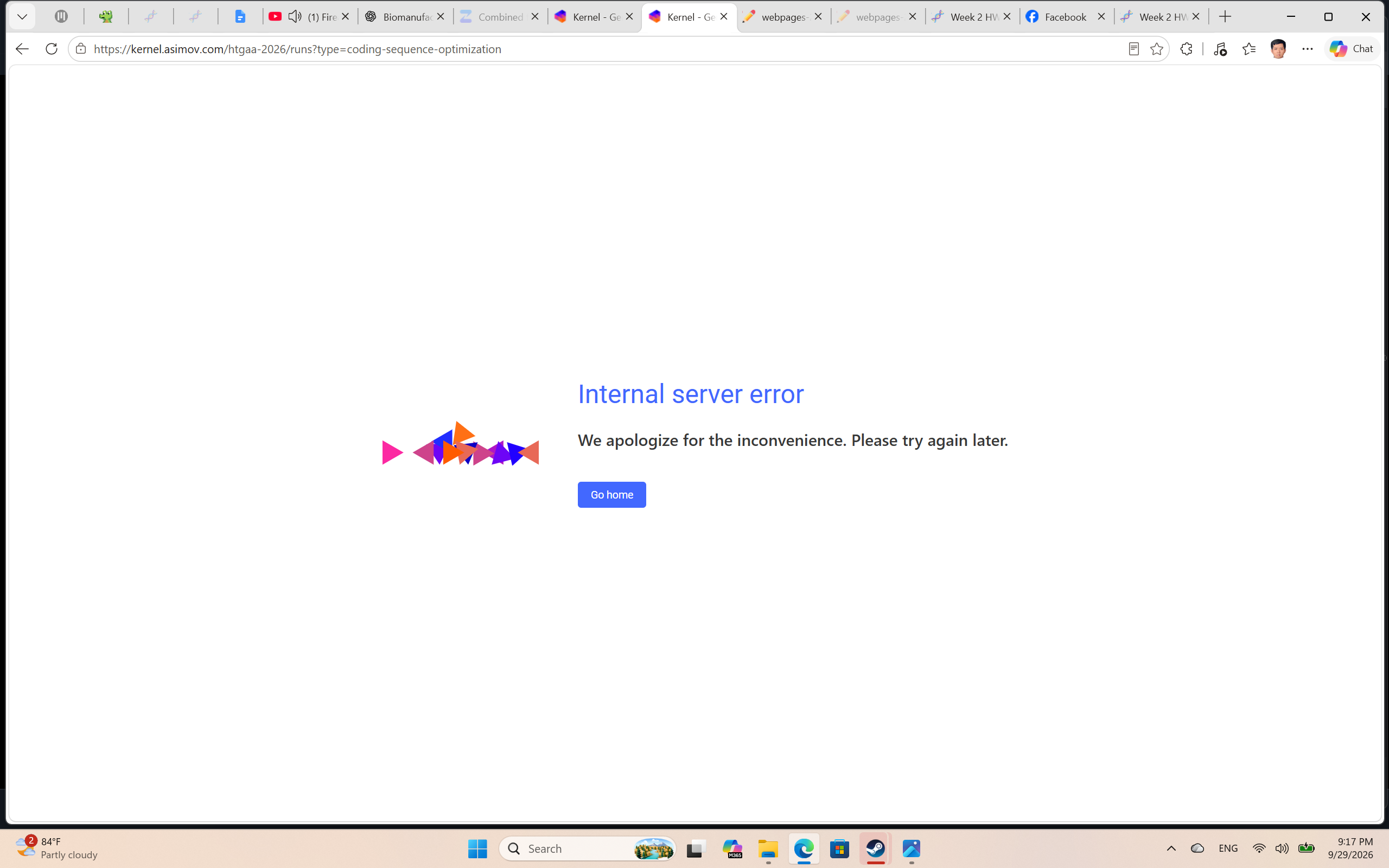
However, the optimization run returned an internal server error, so no optimized sequence was generated for interpretation.
Figure 5. Kernel codon-optimization run error. The surrogate S. cerevisiae optimization run returned an internal server error; therefore, no optimized sequence was generated or incorporated into the proposed construct.
Because MG601724.1 is already a native G. lucidum coding sequence and the intended expression host is also G. lucidum, I did not substitute a sequence optimized using codon preferences from another organism.
Final design decision: retain the native MG601724.1 NR CDS in the proposed construct.
Limitation: A host-specific codon-optimization analysis for G. lucidum could not be completed because the organism was not available in Kernel’s expression-host options, and the surrogate optimization run did not complete successfully.
4.2 Sequence Search / BLAST
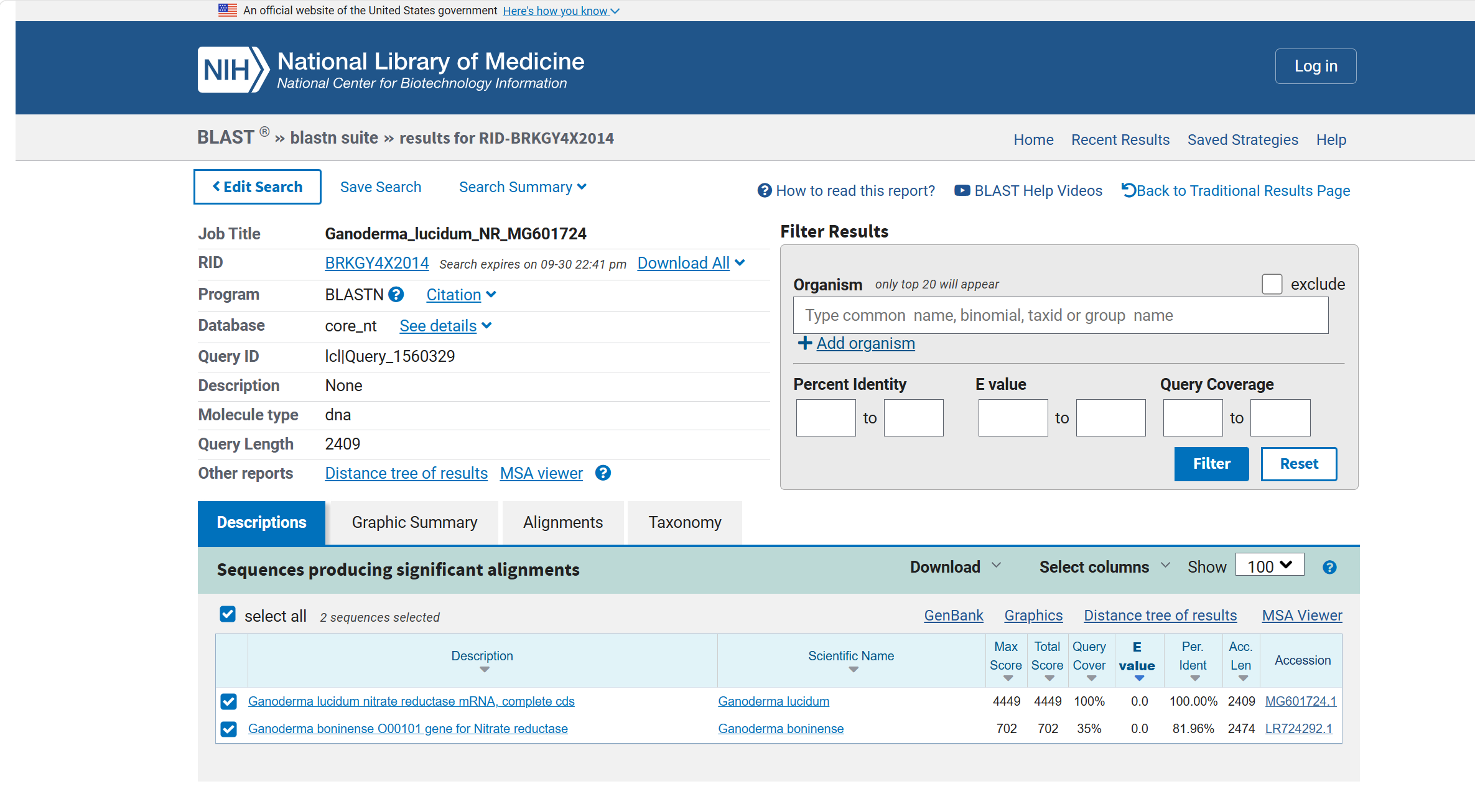
To verify the identity of the nitrate reductase coding sequence used in the construct, I performed a nucleotide BLAST (BLASTN) search using the 2,409-bp NR_MG601724 CDS.
The search was performed against the NCBI Core Nucleotide (core_nt) database using the highly similar sequence search (megablast).
The strongest match was:
Sequence
Organism
Query coverage
Identity
E-value
Accession
Nitrate reductase mRNA, complete CDS
Ganoderma lucidum
100%
100.00%
0.0
MG601724.1
Nitrate reductase gene
Ganoderma boninense
35%
81.96%
0.0
LR724292.1
The query sequence showed 100% coverage and 100% nucleotide identity with the G. lucidum nitrate reductase reference sequence MG601724.1, confirming that the CDS incorporated into the Kernel construct matches the intended reference sequence.
A second significant match was detected with a nitrate reductase gene from Ganoderma boninense. This hit showed 81.96% identity over 35% of the query, supporting sequence conservation of nitrate reductase among related Ganoderma species.
Conclusion: The BLAST analysis confirms the identity of the selected NR coding sequence and supports its annotation as a Ganoderma nitrate reductase.
Figure 6. NCBI BLASTN results for the NR_MG601724 coding sequence. The 2,409-bp query matched the Ganoderma lucidum nitrate reductase reference sequence MG601724.1 with 100% query coverage and 100% sequence identity. A partial homologous match was also observed with nitrate reductase from Ganoderma boninense.
4.3 Biosecurity Sequence Screening
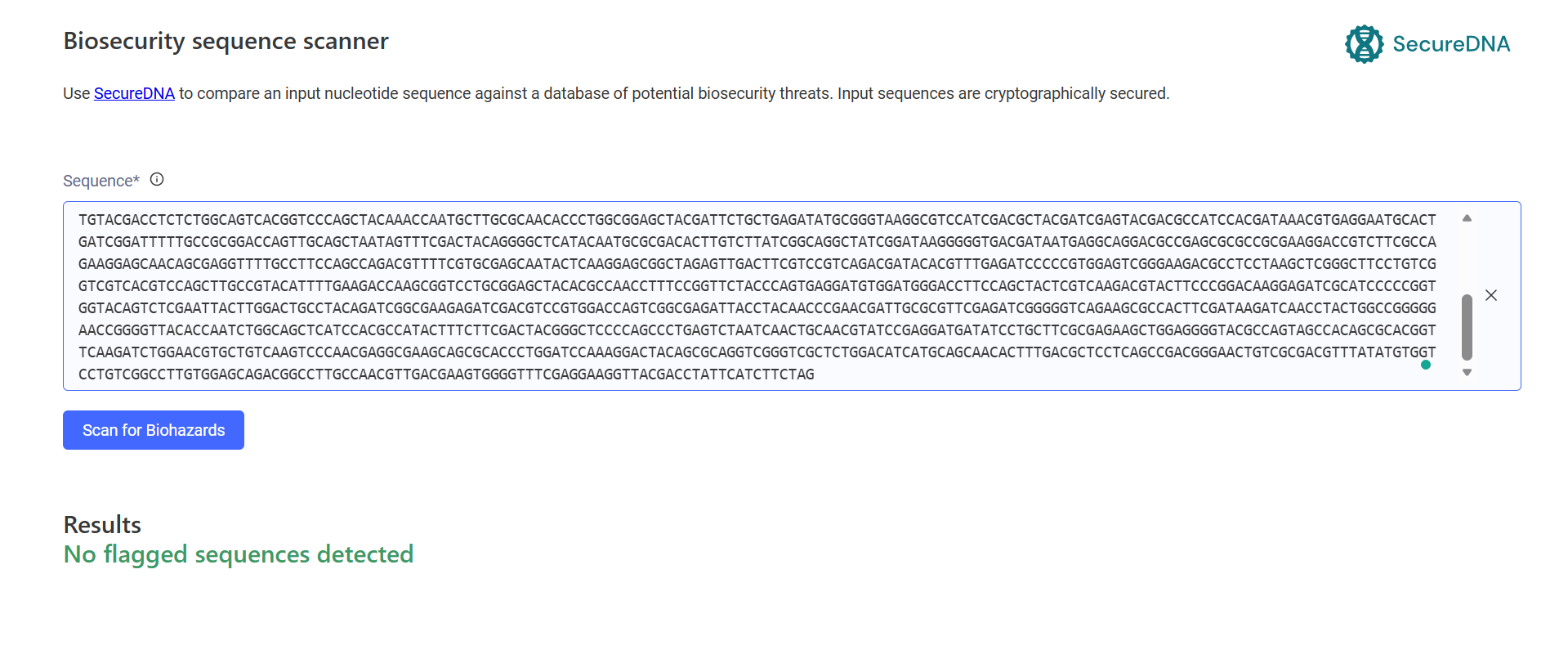
I screened the NR_MG601724 nucleotide sequence using Kernel’s integrated SecureDNA Biosecurity Sequence Scanner.
SecureDNA compares the input nucleotide sequence against a database of sequences associated with potential biosecurity concerns.
The scan returned:
No flagged sequences detected.
Figure 7. SecureDNA biosecurity screening of the NR_MG601724 coding sequence. Kernel’s integrated SecureDNA scanner did not identify any flagged sequences in the nitrate reductase sequence used in the proposed construct.
This result indicates that the NR coding sequence did not trigger the biosecurity screening criteria used by SecureDNA.
However, this result should not be interpreted as a general statement that the complete experiment is biologically safe or exempt from institutional oversight. It only indicates that the submitted nucleotide sequence was not flagged by this sequence-screening system.
Conclusion: No sequence-level biosecurity concerns were identified for the NR_MG601724 CDS by the SecureDNA screening tool.
Part 5: From Design to Build
For the first prototype, I would use commercial DNA synthesis + seamless assembly.
Build strategy
The sequence-defined expression cassette is:
Pnr           NR CDS            TtrpC
1,000 bp  +  2,409 bp   +      776 bp
                    ↓
                 4,185 bp
I would order the cassette as one or several synthetic DNA fragments and assemble it into the pJW-EXP-derived vector context using a method such as Gibson assembly.
Gibson et al. (2009) showed that overlapping DNA fragments can be assembled seamlessly in a single isothermal reaction.
Kernel design
     ↓
DNA synthesis
     ↓
Fragment assembly
     ↓
Sequence verification
     ↓
G. lucidum transformation
What synthesis constrains
DNA synthesis can be affected by:
repeats
extreme GC content
homopolymers
difficult secondary structures
synthesis errors
If the full 4.2-kb cassette is difficult to synthesize, I would split it into smaller overlapping fragments.
Pnr
 +
NR
 +
TtrpC
 +
vector
 ↓
assembly
Because synthetic DNA can contain sequence errors, the final construct should be sequence-verified before transformation. Carr et al. (2004) showed the importance of error correction in de novo DNA synthesis.
Prototype vs scale
FIRST PROTOTYPE

1 construct
   ↓
commercial synthesis
   ↓
assembly
   ↓
sequence verification
   ↓
test in G. lucidum
Current limitation
Pnr → NR → TtrpC
      ✅ sequence-defined

cbxR cassette
      ⚠ still needs sequence verification

pJW-EXP-derived backbone
      ⚠ still needs complete sequence verification
Build decision: use commercial DNA synthesis + seamless assembly + sequence verification for the first prototype.
Part 6: What Don’t I Know Yet?
The main uncertainties in this design are still biological rather than sequence-level.
The first question is whether the candidate Pnr promoter will provide nitrate-responsive expression in my commercial Ganoderma lucidum strain. The promoter sequence was selected from a reference genome and has not yet been experimentally validated in my strain. I would test this by measuring NR transcript level and NR enzyme activity before and after nitrate induction.
The second and most important uncertainty is whether NR overexpression actually changes Ag+ reduction and AgNP formation. This remains the central hypothesis of the design:
↑ NR expression
      ↓
change in reducing activity
      ↓
change in Ag+ reduction
      ↓
change in AgNP formation
I would test this by comparing wild type, vector control, and NR-overexpression strains, followed by measurements of NR activity, Ag+ depletion kinetics, UV–Vis response, and SEM/EDX characterization.
The third uncertainty is whether the engineered strain will be stable and reproducible. Different transformants may have different integration sites, copy numbers, or expression levels. I would therefore compare several independent transformants for construct presence, NR expression/activity, Ag+ reduction phenotype, and stability during subsequent growth.
Main unknown
How I would test it
Does Pnr give inducible expression?
NR transcript + NR activity
Does NR affect Ag+ reduction?
Ag+ depletion kinetics + AgNP characterization
Is the phenotype reproducible?
Compare multiple independent transformants
Main remaining bet: whether changing NR expression produces a measurable change in Ag+ reduction and AgNP formation.
Part 7: AI Usage
I used OpenAI ChatGPT (GPT-5.6 Sol) as a learning companion and design-support tool throughout this homework.
My background is primarily in materials science and biomaterials, so I used AI to help me understand unfamiliar concepts in fungal genetics and synthetic biology, compare design alternatives, interpret sequence information, and work through the Kernel workflow step by step.
AI was used for:
explaining promoters, CDSs, terminators, selectable markers, and vector architecture
comparing constitutive vs. inducible expression
comparing promoter, terminator, and tagging strategies
interpreting GenBank and BLAST results
organizing the Pnr → NR → TtrpC construct
guiding construct assembly and quality checks in Kernel
discussing codon optimization, synthesis constraints, and experimental risks
improving figures, Markdown organization, and scientific writing
Representative prompts included:
Why choose nitrate reductase as the expression target?
Should NR expression be inducible or constitutive?
How do the main expression cassette and selection cassette differ?
How should I represent a pJW-EXP-derived vector context?
Help me assemble Pnr → NR → TtrpC in Kernel.
Should I codon-optimize a native G. lucidum gene if G. lucidum is not available in Kernel?
Help me interpret the BLAST and SecureDNA results.
What are the biggest remaining biological risks in this construct?
I did not treat AI output as a scientific reference by itself. Sequence identities, accession numbers, construct components, and literature-based claims were checked against NCBI records, Kernel documentation, primary literature, and course readings where possible.
AI client: OpenAI ChatGPT Model: GPT-5.6 Sol Role: Learning companion, research/design support, and scientific communication assistance Accessed: September 2026
Part 8: References
Nitrate reductase and Ganoderma lucidum
Liu R, Shi L, Zhu T, Yang T, Ren A, Zhu J, Zhao MW. Cross Talk between Nitric Oxide and Calcium-Calmodulin Regulates Ganoderic Acid Biosynthesis in Ganoderma lucidum under Heat Stress.Applied and Environmental Microbiology. 2018;84(10):e00043-18. https://doi.org/10.1128/AEM.00043-18
Yu X, Ji SL, He YL, Ren MF, Xu JW. Development of an expression plasmid and its use in genetic manipulation of Lingzhi or Reishi medicinal mushroom, Ganoderma lucidum.International Journal of Medicinal Mushrooms. 2014;16(2):161–168. https://doi.org/10.1615/IntJMedMushr.v16.i2.60
Xu JW, Xu YN, Zhong JJ. Enhancement of ganoderic acid accumulation by overexpression of an N-terminally truncated 3-hydroxy-3-methylglutaryl coenzyme A reductase gene in the basidiomycete Ganoderma lucidum.Applied and Environmental Microbiology. 2012;78(22):7968–7976. https://doi.org/10.1128/AEM.01263-12
Gibson, D. G., Young, L., Chuang, R.-Y., Venter, J. C., Hutchison, C. A., & Smith, H. O. (2009). Enzymatic assembly of DNA molecules up to several hundred kilobases. Nature Methods, 6, 343–345. https://doi.org/10.1038/nmeth.1318
Carr, P. A., Park, J. S., Lee, Y.-J., Yu, T., Zhang, S., & Jacobson, J. M. (2004). Protein-mediated error correction for de novo DNA synthesis. Nucleic Acids Research, 32(20), e162. https://doi.org/10.1093/nar/gnh160
Tian, J., Gong, H., Sheng, N., Zhou, X., Gulari, E., Gao, X., & Church, G. (2004). Accurate multiplex gene synthesis from programmable DNA microchips. Nature, 432, 1050–1054. https://doi.org/10.1038/nature03151
Kosuri, S., Eroshenko, N., LeProust, E. M., Super, M., Way, J., Li, J. B., & Church, G. M. (2010). Scalable gene synthesis by selective amplification of DNA pools from high-fidelity microchips. Nature Biotechnology, 28, 1295–1299. https://doi.org/10.1038/nbt.1716
Software and Online Resources
Asimov. Kernel Documentation. Used for construct creation, part annotation, coding-sequence optimization, and sequence-design workflow. Accessed September 2026.
NCBI BLAST. Used to verify the identity of NR_MG601724. The query matched MG601724.1 with 100% query coverage and 100% nucleotide identity. Accessed September 2026.
OpenAI ChatGPT. GPT-5.6 Sol was used as a learning companion and design-support tool. Accessed September 2026.
Week 3 HW: Cell-Free Protocols
Introduction
This homework focuses on designing cell-free protein synthesis (CFPS) reaction compositions for sfGFP, PETase, and Reteplase, with the goal of improving functional protein production while reducing cost per gram. In CFPS, transcription and translation occur outside living cells, which makes the reaction highly tunable and well suited to rapid, automated screening.
This connects closely with my current research on mycelium–AgNP biomanufacturing. Although the products are different, both systems involve the same general challenge: understanding how reaction or process conditions influence kinetics, structure, function, and overall process efficiency.
For me, HW3 is therefore not only about optimizing a CFPS recipe. It is also a useful model for thinking about how to design and automate multivariable biomanufacturing experiments, which is directly relevant to my longer-term goal of building predictive workflows for mycelium–nanoparticle systems.
The Shared Research Logic is as follows.
INPUT CONDITIONS
      ↓
PROCESS KINETICS
      ↓
STRUCTURE / STATE
      ↓
FUNCTION
      ↓
OPTIMIZATION
The assignment also uses a staged 384-well → 96-well → 2 mL screening strategy and an automated platform to compare many reaction compositions efficiently. This is especially relevant to my research direction because I want to apply similar design-build-test-learn and automation strategies to study how fungal state and process conditions govern Ag⁺ reduction, AgNP formation, and material function.
A.1 Potassium Glutamate vs. Magnesium Glutamate
Both salts help establish the ionic environment required for CFPS. The homework treats potassium and magnesium salts as variable components of the reaction composition.
Mainly tunes the overall ionic environment and generally has a broader useful concentration range.
Directly participates in several molecular processes, so relatively small concentration changes can have a larger effect on CFPS performance.
Their optimal concentrations differ between formulations because other reaction components, especially nucleotides and energy-system components, interact with Mg²⁺ and change how much is functionally available.
Which is more sensitive? Mg²⁺ is generally the more sensitive variable, while K⁺ is also important but usually acts over a broader operating range.
Connection to My Research
The same principle also appears in my mycelium–AgNP system: the amount of an ion added to a reaction is not necessarily the same as the amount that is chemically or functionally available.
CFPS — Mg²⁺
My Mycelium–AgNP Research — Ag⁺
Total Mg²⁺ ↓ Interaction with nucleotides and other components ↓ Functionally available Mg²⁺ ↓ Protein synthesis
Total Ag⁺ ↓ Interaction with biomolecules and medium components ↓ Chemically available Ag⁺ ↓ Ag⁺ reduction / AgNP formation
The CFPS response depends on how much Mg²⁺ remains available to support translation.
AgNP formation depends on how much Ag⁺ remains available for reduction within the fungal reaction environment.
Key connection: in both systems, performance depends not only on the total concentration added, but also on how that component interacts with the surrounding biochemical environment.
What I can learn: In my research, this means I should consider how medium composition, biomolecules, and fungal metabolism influence Ag⁺ availability, rather than treating Ag⁺ concentration as an isolated variable.
A.2 PEP + NTP vs. Ribose + NMP
System
Main components
What they provide
How the CFPS system uses them
Simple way to think about it
PEP + NTP
PEP = phosphoenolpyruvate; NTPs = ATP, GTP, CTP, UTP
PEP provides an energy-regeneration substrate; NTPs are ready-to-use RNA building blocks
Requires relatively little conversion before transcription can proceed
Direct supply: give the reaction energy + activated nucleotides
More direct: the reaction receives a high-energy substrate and nucleotides already in the triphosphate form needed for RNA synthesis.
More metabolism-dependent: the lysate must regenerate energy and convert cheaper NMP precursors into usable NTPs.
Key difference:PEP + NTP provides more of the required chemistry directly, while Ribose + NMP relies more on residual lysate metabolism and can reduce reagent cost.
Connection Back to A.1
This also explains why the optimal Mg²⁺ concentration can change between CFPS formulations.
PEP + NTP
Ribose + NMP
More NTPs are supplied directly
More NTPs are generated from NMPs inside the lysate
NTPs bind Mg²⁺
Mg²⁺ demand changes as nucleotides are regenerated
Free Mg²⁺ can decrease
Free Mg²⁺ can follow a different balance
Mg-Glu may need a different optimum
Mg-Glu may need a different optimum
Different nucleotide / energy system
                ↓
Different Mg²⁺ binding and availability
                ↓
Different free Mg²⁺ concentration
                ↓
Different optimal Mg-Glu level
Connection to A.1: This reinforces why Mg²⁺ is a sensitive tuning variable: its functionally available concentration depends on interactions with nucleotides and other reaction components, so changing the energy/nucleotide system can also shift the optimal Mg²⁺ level.
Connection to My Research
A similar interaction occurs in my mycelium–AgNP system.
CFPS
My Mycelium–AgNP Research
Energy / nucleotide system changes
Medium composition / fungal physiological state changes
Changes Mg²⁺ binding and availability
Changes Ag⁺ binding, reduction, and chemical availability
Functionally available Mg²⁺ strongly influences translation performance
Chemically available Ag⁺ influences Ag⁺ reduction kinetics and AgNP formation
Optimal Mg-Glu depends on the whole formulation
Optimal Ag⁺ response depends on the whole biochemical environment
CFPS
My Mycelium–AgNP Research
Energy / nucleotide system ↓ Mg²⁺ binding changes ↓ Functionally available Mg²⁺ ↓ Protein synthesis
Medium + fungal metabolism ↓ Ag⁺ interactions / reduction chemistry ↓ Chemically available Ag⁺ ↓ Ag⁺ depletion + AgNP formation
Changing the formulation changes how much Mg²⁺ remains available to support translation.
Changing the biochemical environment may change how much Ag⁺ remains available for reduction and nanoparticle formation.
What I can learn: in both systems, the amount initially added is not necessarily the amount functionally available. Therefore, I should consider interactions between process variables and ion availability over time, rather than optimizing Ag⁺ concentration as an isolated variable.
A.3 Comparison of Two Literature CFPS Formulations
I selected PANOx-SP from Jewett & Swartz (2004) and the RFopt formulation from Olsen et al. (2026). These represent two different approaches to supporting cell-free protein synthesis.
Composition Comparison
Component / Function
PANOx-SP — Jewett & Swartz (2004)
RFopt — Olsen et al. (2026)
K-glutamate
175 mM
362 mM
Mg-glutamate
20 mM
8 mM
NH₄-glutamate
10 mM
—
Energy / carbon source
PEP, 33 mM
Glucose, 10 mM + Ribose, 50 mM
Nucleotides
ATP 1.2 mM; CTP/GTP/UTP 0.85 mM each
AMP 3 mM; CMP/GMP/UMP 2.15 mM each
Amino acids
2 mM each
5 mM amino-acid mixture*
Buffer
No added HEPES in the PANOx-SP additive set
HEPES, 75 mM
Phosphate
—
15 mM
Polyamines
Spermidine 1.5 mM + Putrescine 1 mM
—
Other cofactors
NAD, CoA, folinic acid, tRNA
Nicotinamide, 4 mM
Oxalate
2.7 mM
—
*Reported as the amino-acid component in the RFopt formulation.
The two formulations therefore differ not only in individual concentrations, but also in their overall strategy for supplying ions, energy, nucleotides, and cofactors.
Overall Formulation Strategy
PANOx-SP
RFopt
PEP as a high-energy substrate
Glucose + ribose as metabolic substrates
NTPs supplied directly
NMPs supplied as precursors
More externally supplied cofactors / translation components
Fewer added expensive cofactors
More direct biochemical supply
Greater use of residual lysate metabolism
Comparison: PANOx-SP uses PEP and ready-to-use NTPs, together with several added cofactors. In contrast, RFopt uses glucose, ribose, and NMPs, relying more on metabolic activity in the lysate to regenerate energy and nucleotides.
Main difference: PANOx-SP represents a more direct-supply formulation, while RFopt is a more simplified, metabolism-dependent, and cost-optimized formulation.
Connection to My Research
The PANOx-SP vs. RFopt comparison is similar to how I think about my mycelium–AgNP system.
CFPS formulation design
My mycelium–AgNP research
Directly supply many reaction components
Add Ag⁺ and defined medium/process inputs
Rely more on residual lysate metabolism
Rely on fungal metabolism and biomolecules for Ag⁺ reduction
Performance depends on the whole formulation, not one reagent
AgNP formation depends on the whole biochemical environment, not Ag⁺ concentration alone
Optimize for yield + cost + robustness
Optimize for Ag⁺ conversion + nanoparticle properties + antimicrobial function + process efficiency
What I can learn: a good formulation does not necessarily need more components; it needs the right combination of inputs and biological activity. For my research, this supports studying interactions between medium composition, fungal physiological state, Ag⁺ availability, and process conditions, rather than optimizing each factor independently.
Part B: First-Round CFPS Formulations
The following were my first-round 20 µL CFPS formulations submitted to the HTBAA coopetition. Values are final concentrations in the complete reaction, including contributions from the fixed base buffer.
Component
sfGFP
TfCut2 / PETase
Reteplase
Reaction regime
Reducing
Reducing
Oxidizing / DSB
K-glutamate
300.625 mM
300.625 mM
300.625 mM
Mg-glutamate
8.225 mM
8.225 mM
8.225 mM
HEPES-KOH, pH 7.5
60 mM
75 mM
75 mM
K-phosphate
7.5 mM
7.5 mM
7.5 mM
Glucose
1.5 g/L (~8.3 mM)
1.5 g/L (~8.3 mM)
1.5 g/L (~8.3 mM)
Ribose
6.0 g/L (~40 mM)
6.0 g/L (~40 mM)
6.0 g/L (~40 mM)
AMP
1 mM
1 mM
1 mM
CMP
1 mM
1 mM
1 mM
GMP
1 mM
1 mM
1 mM
UMP
1 mM
1 mM
1 mM
17-AA mix
4 mM
4 mM
4 mM
Tyrosine
4 mM
4 mM
4 mM
Cysteine
4 mM
4 mM
1 mM
Nicotinamide
4 mM
4 mM
4 mM
GSSG
—
—
~4.04 mM
GSH
—
—
1 mM
DsbC
—
—
5 µM
Water added
1.925 µL
1.625 µL
0.250 µL
Fixed Components
Each 20 µL reaction also contained:
5 µL lysate
2 µL DNA template
2 µL base buffer
sfGFP and PETase used the standard reducing lysate, while Reteplase used the designated Δgor oxidizing/DSB lysate with IAM treatment and cysteine quenching.
Design Rationale
All three formulations use the same low-cost glucose + ribose + NMP metabolic backbone so that differences in functional protein production can be interpreted more clearly.
sfGFP: simple reducing baseline with no additional folding reagents.
PETase: kept in the assigned reducing regime, with increased HEPES as an exploratory pH-buffering adjustment.
Reteplase: uses GSSG/GSH + DsbC to support formation and correction of its multiple disulfide bonds.
These are first-round hypotheses rather than optimized formulations and will be refined using experimental results.
AI Use
I used ChatGPT (OpenAI, GPT-5.6 Sol) as a learning and design-support tool for this homework. I used it to:
explain CFPS concepts that were new to me,
compare literature reaction formulations,
identify differences between PEP + NTP and Ribose + NMP strategies,
connect CFPS formulation principles to my own biomanufacturing research,
review literature beyond the papers provided in the assignment,
brainstorm first-round reaction compositions for sfGFP, PETase, and Reteplase, and
suggest a possible community reagent for improving disulfide-bond formation.
AI-generated ideas were treated as design hypotheses, not established results, and were checked against the assignment materials and published literature before being included.
Representative AI Prompts
Understanding reaction composition
Why do potassium glutamate and magnesium glutamate concentrations differ between CFPS formulations, and which is more sensitive?
Energy and nucleotide strategy
Explain the difference between a PEP + NTP reaction formulation and a Ribose + NMP formulation.
Literature comparison
Compare PANOx-SP from Jewett & Swartz (2004) with the RFopt formulation from Olsen et al. (2026), focusing on reagent choice, concentration, energy regeneration, nucleotide strategy, and cost.
Broader literature review
Review additional CFPS literature beyond the papers provided in the homework and identify important developments in energy regeneration, nucleotide recycling, reaction simplification, DOE, active learning, and AI-guided optimization.
Reaction design
Using the homework constraints and published CFPS literature, propose first-round 20 µL reaction designs for sfGFP, PETase, and Reteplase. Explain the reasoning for salts, energy sources, building blocks, cofactors, and redox components.
Community reagent
Suggest a reagent that could be added to the Community Reagents inventory, especially one that may improve functional folding of Reteplase, and support the suggestion with literature.
AI client: OpenAI ChatGPT
Model: GPT-5.6 Sol
Role: Learning companion, research/design support, and scientific communication assistance
Accessed: October 2026
References
Cell-Free Protein Synthesis Formulations
Jewett MC, Swartz JR. Mimicking the Escherichia coli Cytoplasmic Environment Activates Long-Lived and Efficient Cell-Free Protein Synthesis.Biotechnology and Bioengineering. 2004;86(1):19–26. https://doi.org/10.1002/bit.20026
Calhoun KA, Swartz JR. Energizing Cell-Free Protein Synthesis with Glucose Metabolism.Biotechnology and Bioengineering. 2005;90(5):606–613. https://doi.org/10.1002/bit.20449
Olsen ML, Copeland CE, Sundberg CA, Aw R, Shaver ZM, Rao G, Swartz JR, Karim AS, Jewett MC. Design-Driven Optimization of Low-Cost Reagent Formulations for Reproducible and High-Yielding Cell-Free Gene Expression.Nature Communications. 2026;17:3478. https://doi.org/10.1038/s41467-026-69605-8
Cell-Free Biomanufacturing and Optimization
Silverman AD, Karim AS, Jewett MC. Cell-Free Gene Expression: An Expanded Repertoire of Applications.Nature Reviews Genetics. 2020;21:151–170. https://doi.org/10.1038/s41576-019-0186-3
Borkowski O, Koch M, Zettor A, et al. Large Scale Active-Learning-Guided Exploration for In Vitro Protein Production Optimization.Nature Communications. 2020;11:1872. https://doi.org/10.1038/s41467-020-15798-5
Zhu J, Meng Y, Gao W, et al. AI-Driven High-Throughput Droplet Screening of Cell-Free Gene Expression.Nature Communications. 2025;16:2720. https://doi.org/10.1038/s41467-025-58139-0
AI-Guided CFPS Design
Smith AA, Wong EL, Donovan RC, et al. Using a GPT-5-Driven Autonomous Lab to Optimize the Cost and Titer of Cell-Free Protein Synthesis.bioRxiv. 2026. https://doi.org/10.64898/2026.02.05.703998
Reteplase and Disulfide-Bond Folding
Zhuo XF, Zhang YY, Guan YX, Yao SJ. Co-Expression of Disulfide Oxidoreductases DsbA/DsbC Markedly Enhanced Soluble and Functional Expression of Reteplase in Escherichia coli.Journal of Biotechnology. 2014;192:197–203. https://doi.org/10.1016/j.jbiotec.2014.10.028
Software and Online Resources
HTBAA CFPS Coopetition. Used to design and submit the 20 µL CFPS reaction compositions for sfGFP, PETase, and Reteplase. Accessed October 2026.
OpenAI ChatGPT. GPT-5.6 Sol was used as a learning companion, literature-review assistant, and design-support tool for comparing CFPS formulations and developing first-round reaction hypotheses. Accessed October 2026.