Week 2 HW: DNA Design
Part 1: Define the Expression Target
What molecule am I expressing?
I will express nitrate reductase (NR) from Ganoderma lucidum. NR is a multidomain redox enzyme involved in nitrate metabolism. The published G. lucidum NR contains regions associated with molybdopterin/Moco, cytochrome b5/heme, FAD, and NAD binding, giving the protein an internal electron-transfer architecture.
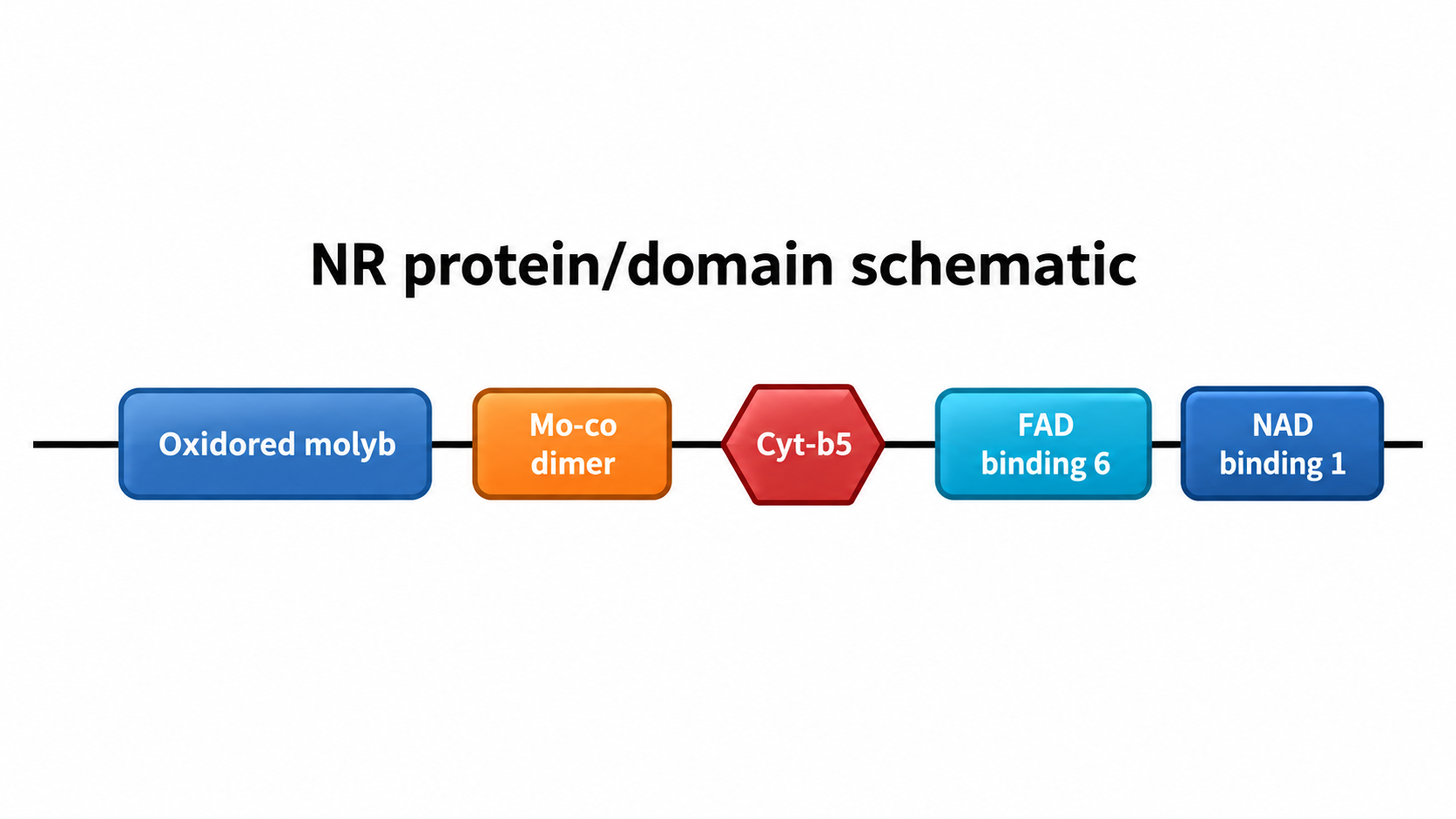
Figure 1. Motif/domain schematic of Ganoderma lucidum nitrate reductase (NR).
Redrawn from the motif analysis reported by Liu et al. (2018). The predicted regions are associated with molybdenum cofactor, cytochrome b5/heme, FAD, and NAD-dependent electron transfer.
NR can transfer reducing equivalents through these cofactors, which is why I selected it as a mechanistically plausible candidate for testing whether increased reductase activity can influence Ag⁺ reduction. However, a direct role of NR in Ag⁺ reduction in my G. lucidum system has not yet been demonstrated.
What sequence will I use?
I will use the complete coding sequence of the Ganoderma lucidum nitrate reductase gene, GenBank accession MG601724.1.
| Property | Sequence information |
|---|---|
| Gene | nr |
| Product | Nitrate reductase |
| Organism | Ganoderma lucidum |
| GenBank accession | MG601724.1 |
| CDS length | 2,409 bp |
| Protein length | 802 amino acids |
| Start codon | ATG |
| Stop codon | TAG |
| Protein tag | None |
The sequence I will use is the spliced mRNA/CDS, rather than the intron-containing genomic sequence. The supplemental material also provides primers designed to amplify the NR ORF and detect NR expression.
I will keep the NR protein untagged so that the first construct introduces as few additional variables as possible when testing the effect of NR overexpression on Ag⁺ reduction.
What host or chassis will I use?
The host will be Ganoderma lucidum, the same fungal chassis used in my HW1 project.
My experimental fungus is a commercial G. lucidum strain without a sequence-defined strain ID. Therefore, MG601724.1 is being used as the reference nitrate-reductase sequence for this design.
Before laboratory implementation, I would verify the endogenous nr sequence in my strain to confirm that it is sufficiently similar to the reference sequence used in the construct.
I chose to keep the host and target gene within the same species to make the design more biologically compatible and to reduce uncertainty associated with expressing a heterologous protein.
Where does the expressed protein need to go?
For this design, NR will remain intracellular, and I will not add a secretion signal or other targeting peptide.
The goal is to keep the engineered NR as close as possible to its native cellular form while testing whether increased NR expression changes Ag⁺ reduction.
Why nitrate reductase?
I selected nitrate reductase because it is a redox-active enzyme with an internal electron-transfer system involving NAD(P)H-associated, FAD, heme/cytochrome b5, and molybdenum-cofactor regions.
My hypothesis is that increasing NR expression may alter the reducing capacity of the fungal system and therefore influence Ag⁺ reduction and AgNP formation.
How would I test this hypothesis?
I would compare the engineered NR-overexpression strain with appropriate controls and measure whether increased NR expression produces a measurable change in silver reduction.
If NR overexpression changes Ag⁺ depletion or AgNP formation relative to the controls, this would support a role for NR-associated redox activity in the process. If no clear change is observed, other fungal enzymes or metabolites may be more important contributors.
Part 2: Design the Genetic Parts
1. Transcription start — inducible promoter
For transcriptional control, I will use a candidate nitrate-reductase promoter (Pnr) from Ganoderma lucidum.
| Property | Design choice |
|---|---|
| Part type | Promoter |
| Name | Pnr_Glucidum_candidate |
| Source organism | Ganoderma lucidum |
| Reference genome | Strain G.260125-1 |
| Accession | AGAX01000028.1 |
| Coordinates | 587544–588543 |
| Length | 1,000 bp |
| Expression type | Nitrogen-responsive / inducible |
| Status | Putative promoter |
I selected the 1 kb region immediately upstream of the native nr locus as a candidate Pnr sequence. The goal is to use nitrogen-responsive regulation so that NR expression can be increased after the mycelium has already developed, rather than continuously overexpressing NR throughout fungal growth.
Justification: An inducible promoter gives better temporal control than constitutive expression and should make it easier to distinguish the effects of NR overexpression on Ag⁺ reduction from effects on normal fungal growth.
Important limitation: This 1 kb sequence is a candidate regulatory region from a reference G. lucidum strain, not a promoter that has been experimentally validated in my commercial strain. Its inducibility would therefore need to be tested experimentally.
2. Translation initiation — native start context
For the first construct, I will not introduce a synthetic Kozak sequence. Instead, I will preserve the native start of the G. lucidum nr coding sequence and use its natural ATG start codon.
| Property | Design choice |
|---|---|
| Part type | Translation-initiation context |
| Strategy | Native nr start context |
| Start codon | ATG |
| Synthetic Kozak | None |
| Separate 5′ UTR | Not yet defined |
Justification: Translation-initiation preferences can vary between fungal species, so I prefer to retain a host- and gene-matched start context rather than introduce a generic mammalian Kozak sequence.
Important limitation: The exact transcription start site and native 5′ UTR boundary of nr have not yet been experimentally defined for the reference sequence used here. This region would need to be experimentally mapped or verified before a laboratory-ready construct is finalized.
3. Coding sequence — nitrate reductase (NR)
The coding sequence will be the complete Ganoderma lucidum nitrate reductase CDS from GenBank accession MG601724.1.
| Property | Design choice |
|---|---|
| Part type | CDS |
| Short name | NR_MG601724 |
| Gene | nr |
| Organism | Ganoderma lucidum |
| Accession | MG601724.1 |
| Length | 2,409 bp |
| Protein length | 802 aa |
| Start codon | ATG |
| Stop codon | TAG |
| Protein tag | None |
I will use the spliced mRNA/CDS sequence rather than the intron-containing genomic gene. This gives a continuous coding region suitable for assembly and later sequence optimization.
Justification: NR is the central test gene in this design because it is a redox-active enzyme and provides a direct way to test whether increasing reductase activity alters Ag⁺ reduction and AgNP formation.
Important limitation: MG601724.1 is used as a reference sequence, because my commercial G. lucidum strain is not sequence-defined. Before laboratory implementation, I would verify the endogenous nr sequence in my strain.
Protein tag: None. I am keeping NR untagged to avoid introducing another variable that could affect folding, catalytic activity, or interpretation of Ag⁺ reduction.
4. Terminator — A. nidulans trpC terminator
For transcription termination, I will use the Aspergillus nidulans trpC terminator (TtrpC).
| Property | Design choice |
|---|---|
| Part type | Terminator |
| Short name | TtrpC_Anidulans |
| Source organism | Aspergillus nidulans |
| Reference | trpC sequence, GenBank X02390.1 |
| Length used | 776 bp |
| Function | Transcript termination / 3′ processing |
Justification: I selected TtrpC because it has been used successfully in fungal expression systems, including G. lucidum, and it avoids duplicating the native TsdhB sequence already present in the cbxR selectable-marker cassette.
Important limitation: TtrpC is a heterologous terminator, so although it has precedent in fungal expression, its exact termination efficiency in my commercial G. lucidum strain would still need to be confirmed experimentally.
5. Selectable marker — cbxR / sdhB-H216L
For fungal selection, I will use the Ganoderma lucidum sdhB-based carboxin-resistance marker (cbxR).
| Property | Design choice |
|---|---|
| Part type | Selectable marker |
| Short name | cbxR_Glucidum |
| Source organism | Ganoderma lucidum |
| Reference sequence | JN377411.1 |
| Gene | sdhB |
| Resistance mutation | H216L |
| Selection agent | Carboxin |
| Strategy | Keep the native cbxR cassette intact |
Justification: I selected cbxR because it is a homologous G. lucidum selection system, making it more biologically compatible with my fungal chassis than using an unrelated heterologous resistance marker.
Design choice: I will keep the cbxR cassette intact, including its native regulatory regions, rather than modifying its terminator or promoter. This minimizes changes to an established fungal selection system.
Important limitation: My commercial G. lucidum strain is not genetically characterized, so its baseline sensitivity to carboxin would need to be tested before using cbxR experimentally.
6. Vector backbone — pJW-EXP-derived context
For the vector context, I will use a pJW-EXP-derived Ganoderma lucidum expression backbone.
| Property | Design choice |
|---|---|
| Part type | Vector backbone |
| Short name | pJW-EXP-derived |
| Host application | Ganoderma lucidum |
| Bacterial propagation | pMD19-T-derived backbone |
| Bacterial selection | Ampicillin resistance |
| Fungal selection | cbxR cassette |
| Expression cassette | Pnr → NR → TtrpC |
The original pJW-EXP system was developed for genetic manipulation of G. lucidum. In this design, I will keep the backbone and fungal selection strategy, but replace the original constitutive expression cassette with my nitrate-responsive NR cassette.
Justification: I selected a pJW-EXP-derived backbone because it was developed for G. lucidum and provides a host-compatible starting point for fungal transformation and selection.
Important limitation: I am using the published pJW-EXP architecture as the vector context, but I do not yet have a complete sequence-verified copy of the exact backbone. The final plasmid sequence would need to be confirmed before synthesis or assembly.
Proposed Genetic Architecture
The final design combines the NR expression cassette with the fungal selection cassette and a pJW-EXP-derived vector context.
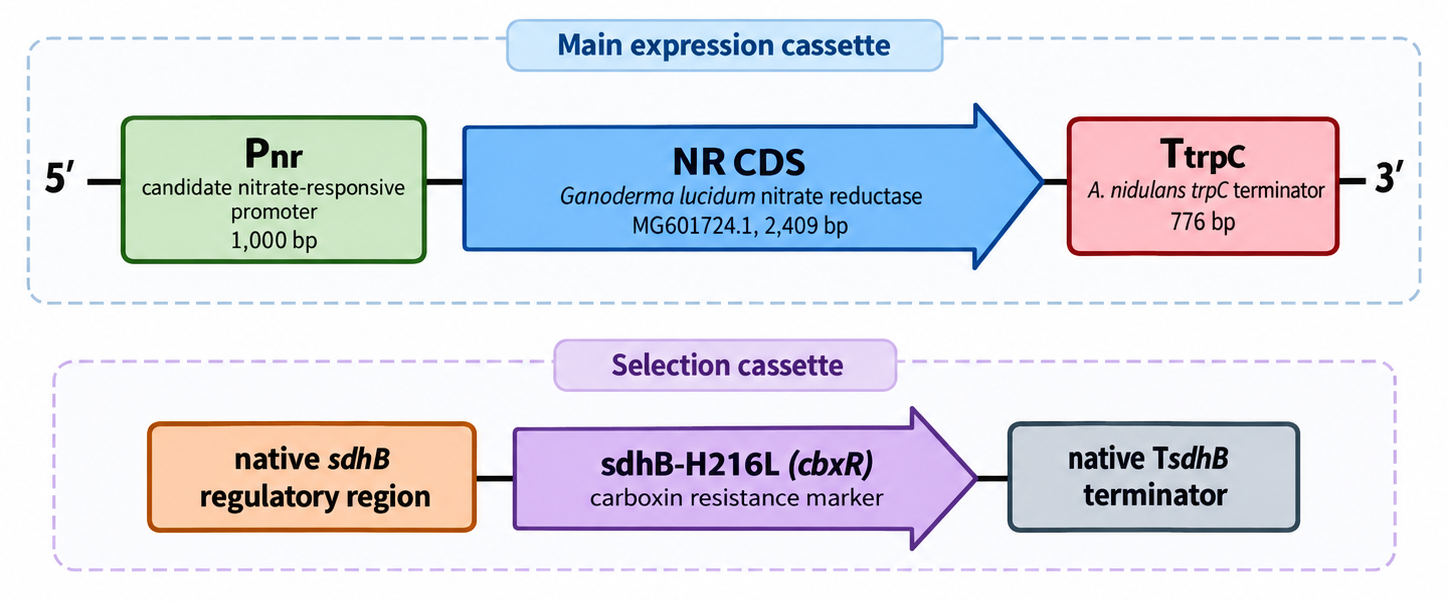
Figure 2. Genetic architecture of the proposed NR overexpression system.
The main expression cassette contains the candidate nitrate-responsive promoter (Pnr), the G. lucidum nitrate reductase CDS (MG601724.1), and the A. nidulans trpC terminator (TtrpC). A separate G. lucidum cbxR / sdhB-H216L cassette provides fungal selection within a pJW-EXP-derived vector context.
Part 3: Assemble the Construct in Kernel
I assembled the proposed nitrate reductase expression cassette in Asimov Kernel using three sequence-defined parts:
Pnr → NR (MG601724.1) → TtrpC
The final cassette is 4,185 bp long:
- Pnr_Glucidum_candidate: 1–1000 bp
- NR_MG601724: 1001–3409 bp
- TtrpC_Anidulans: 3410–4185 bp
Kernel Part Match identified and linked all three components in the expected 5′→3′ orientation.
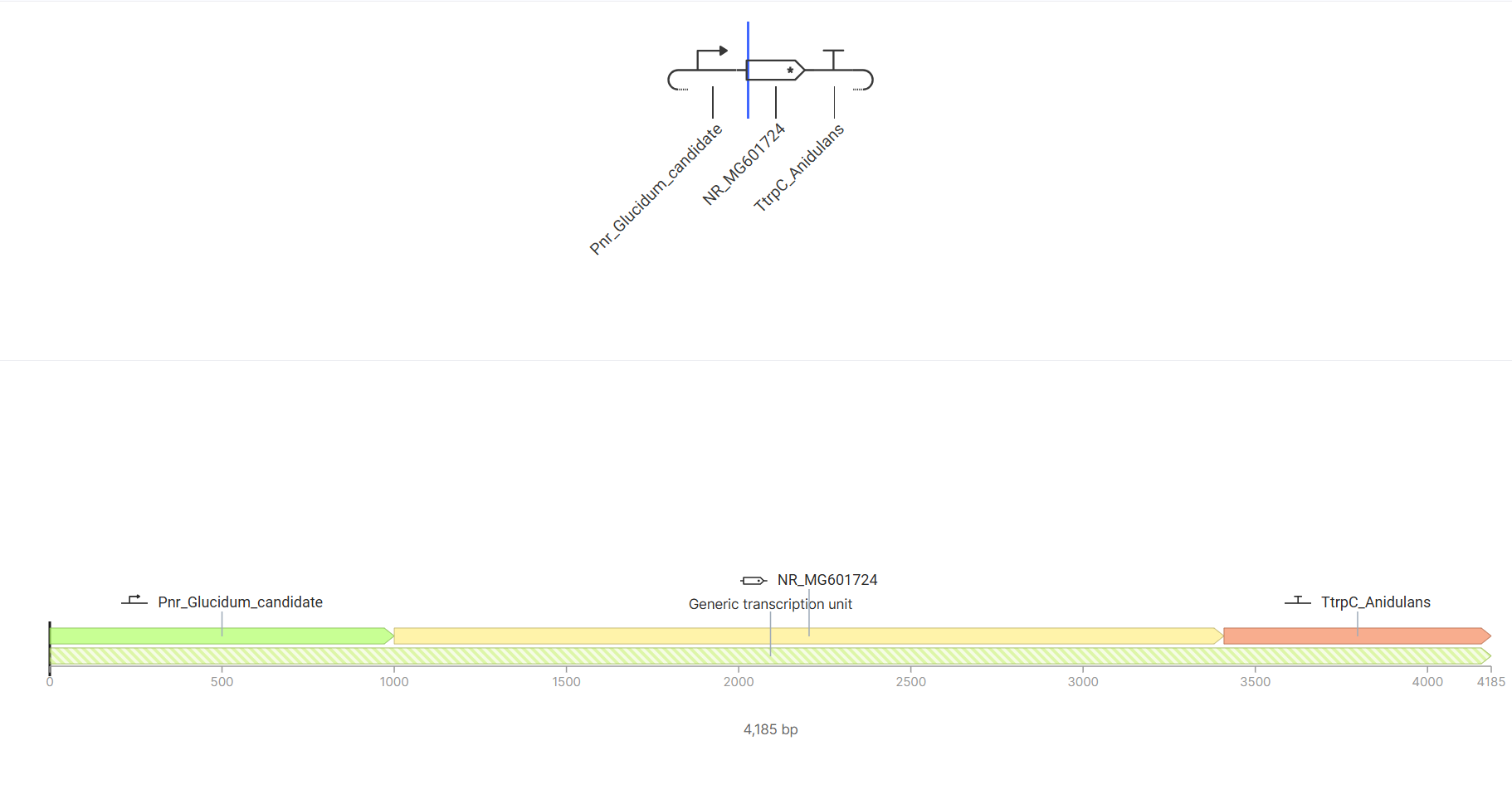
Figure 3. Kernel linear map of the proposed inducible nitrate reductase expression cassette.
The 4,185-bp construct contains the candidate G. lucidum nitrate-responsive promoter, the nitrate reductase CDS (MG601724.1), and the A. nidulans trpC terminator.
The sequence viewer displayed translation across the NR coding region and reported no lintable errors.
The current Kernel construct represents the expression cassette only. The complete pJW-EXP-derived plasmid, including the fungal selection cassette and bacterial backbone, remains pending sequence-level backbone verification.
Selection Cassette
The complete transformation system also requires a separate fungal selection cassette:
native sdhB regulatory region → sdhB-H216L (cbxR) → native TsdhB
The cbxR cassette provides carboxin resistance, allowing transformed
Ganoderma lucidum cells to be selected.
I have not yet assembled this cassette as a sequence-defined Kernel construct
because the exact regulatory-region boundaries and final engineered
sdhB-H216L sequence still require sequence-level verification.
Therefore, the current Kernel construct represents the NR expression
cassette, while the cbxR cassette is retained as part of the proposed
pJW-EXP-derived vector architecture.
Part 4: Optimize and Quality-Check
4.1 Codon Optimization
I evaluated the Ganoderma lucidum nitrate reductase CDS (MG601724.1) using Kernel’s coding-sequence optimization workflow.
Because the designed NR protein is intended to remain intracellular, I disabled the automatically suggested signal peptide so that the native protein localization would not be changed.
Kernel did not provide Ganoderma lucidum as an available expression organism. The available options were:
- Cricetulus griseus
- Homo sapiens
- Escherichia coli
- Saccharomyces cerevisiae
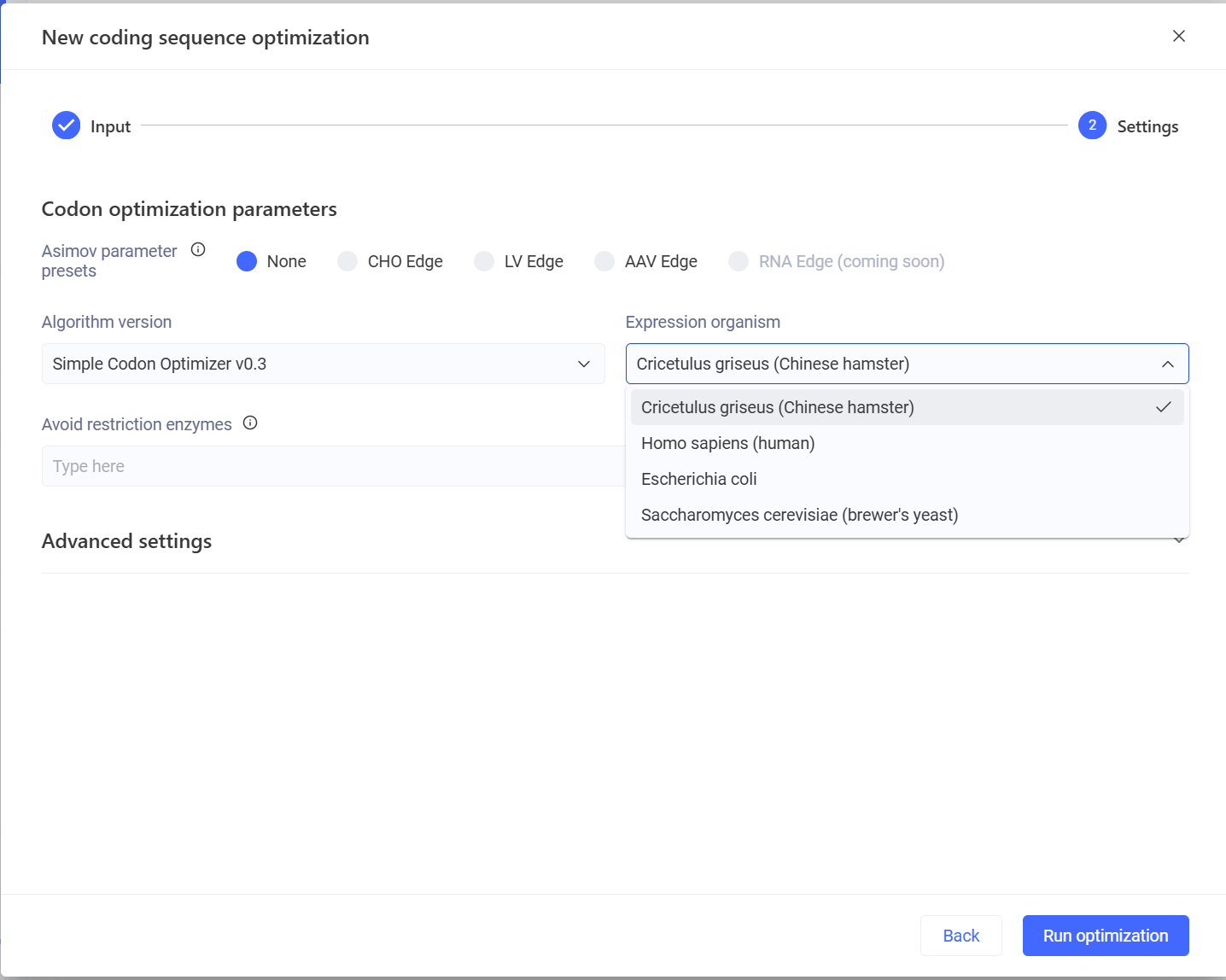
Figure 4. Kernel expression-organism options for codon optimization.
Ganoderma lucidum was not available as a host in the Kernel coding-sequence optimizer. Therefore, Saccharomyces cerevisiae was selected only as a fungal surrogate to demonstrate the optimization workflow.
To demonstrate the codon-optimization workflow, I used the following settings:
- Input: NR_MG601724
- Algorithm: Simple Codon Optimizer v0.3
- Asimov preset: None
- Signal peptide: Skipped
- Expression organism: Saccharomyces cerevisiae
The S. cerevisiae optimization was treated only as a comparative workflow exercise and was not intended to replace the native G. lucidum coding sequence.
However, the optimization run returned an internal server error, so no optimized sequence was generated for interpretation.
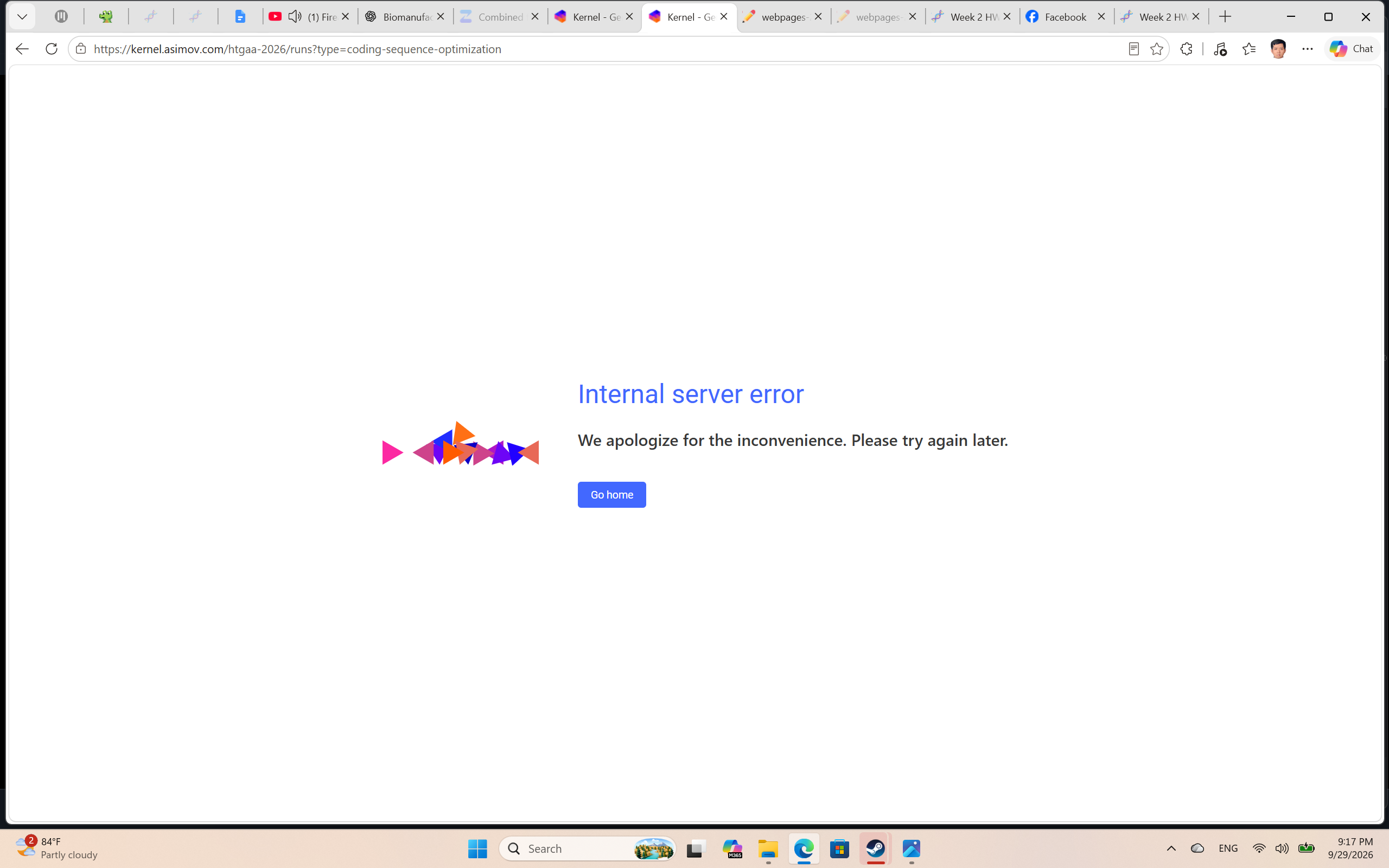
Figure 5. Kernel codon-optimization run error.
The surrogate S. cerevisiae optimization run returned an internal server error; therefore, no optimized sequence was generated or incorporated into the proposed construct.
Because MG601724.1 is already a native G. lucidum coding sequence and the intended expression host is also G. lucidum, I did not substitute a sequence optimized using codon preferences from another organism.
Final design decision: retain the native MG601724.1 NR CDS in the proposed construct.
Limitation: A host-specific codon-optimization analysis for G. lucidum could not be completed because the organism was not available in Kernel’s expression-host options, and the surrogate optimization run did not complete successfully.
4.2 Sequence Search / BLAST
To verify the identity of the nitrate reductase coding sequence used in the construct, I performed a nucleotide BLAST (BLASTN) search using the 2,409-bp NR_MG601724 CDS.
The search was performed against the NCBI Core Nucleotide (core_nt) database using the highly similar sequence search (megablast).
The strongest match was:
| Sequence | Organism | Query coverage | Identity | E-value | Accession |
|---|---|---|---|---|---|
| Nitrate reductase mRNA, complete CDS | Ganoderma lucidum | 100% | 100.00% | 0.0 | MG601724.1 |
| Nitrate reductase gene | Ganoderma boninense | 35% | 81.96% | 0.0 | LR724292.1 |
The query sequence showed 100% coverage and 100% nucleotide identity with the G. lucidum nitrate reductase reference sequence MG601724.1, confirming that the CDS incorporated into the Kernel construct matches the intended reference sequence.
A second significant match was detected with a nitrate reductase gene from Ganoderma boninense. This hit showed 81.96% identity over 35% of the query, supporting sequence conservation of nitrate reductase among related Ganoderma species.
Conclusion: The BLAST analysis confirms the identity of the selected NR coding sequence and supports its annotation as a Ganoderma nitrate reductase.
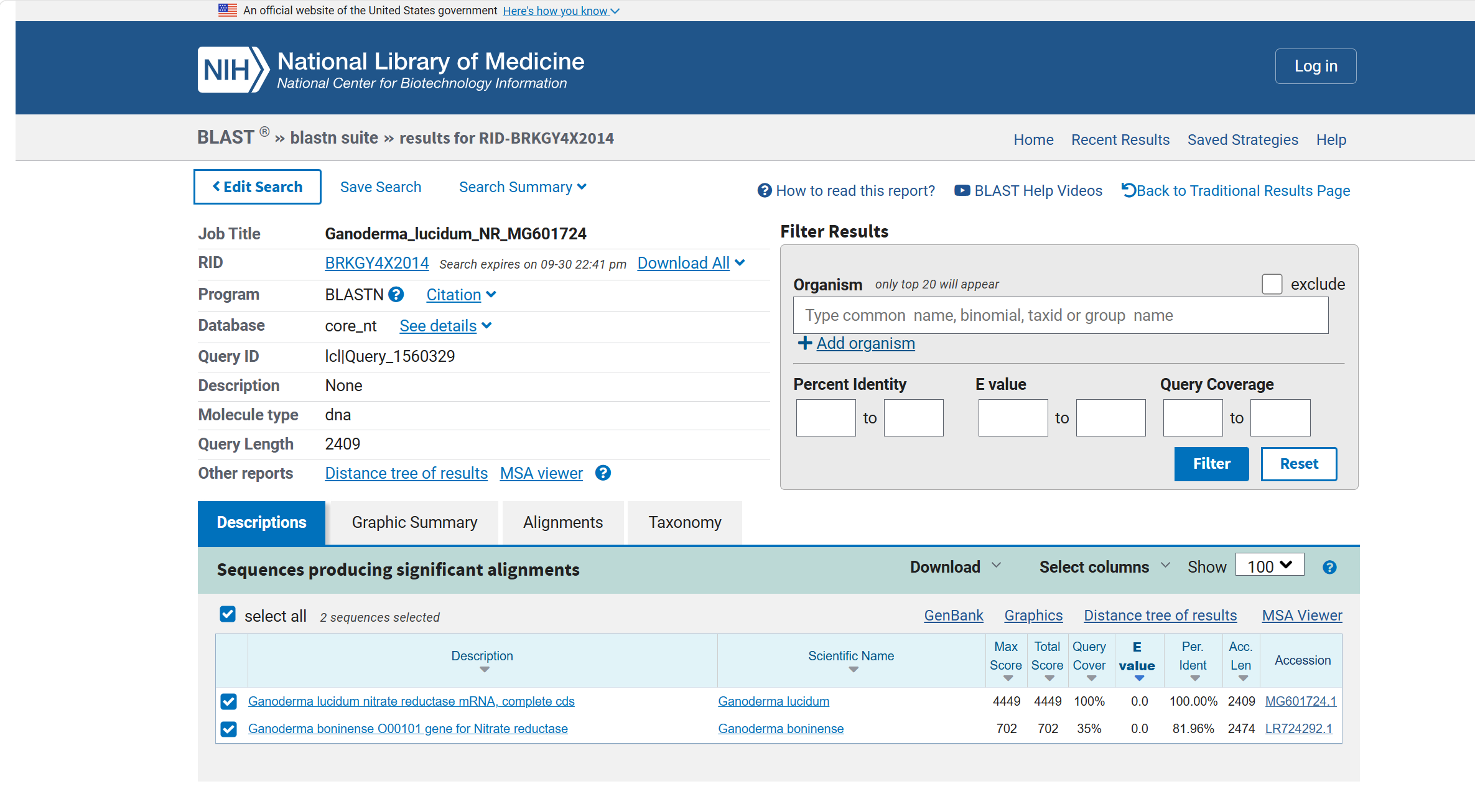
Figure 6. NCBI BLASTN results for the NR_MG601724 coding sequence.
The 2,409-bp query matched the Ganoderma lucidum nitrate reductase reference sequence MG601724.1 with 100% query coverage and 100% sequence identity. A partial homologous match was also observed with nitrate reductase from Ganoderma boninense.
4.3 Biosecurity Sequence Screening
I screened the NR_MG601724 nucleotide sequence using Kernel’s integrated SecureDNA Biosecurity Sequence Scanner.
SecureDNA compares the input nucleotide sequence against a database of sequences associated with potential biosecurity concerns.
The scan returned:
No flagged sequences detected.
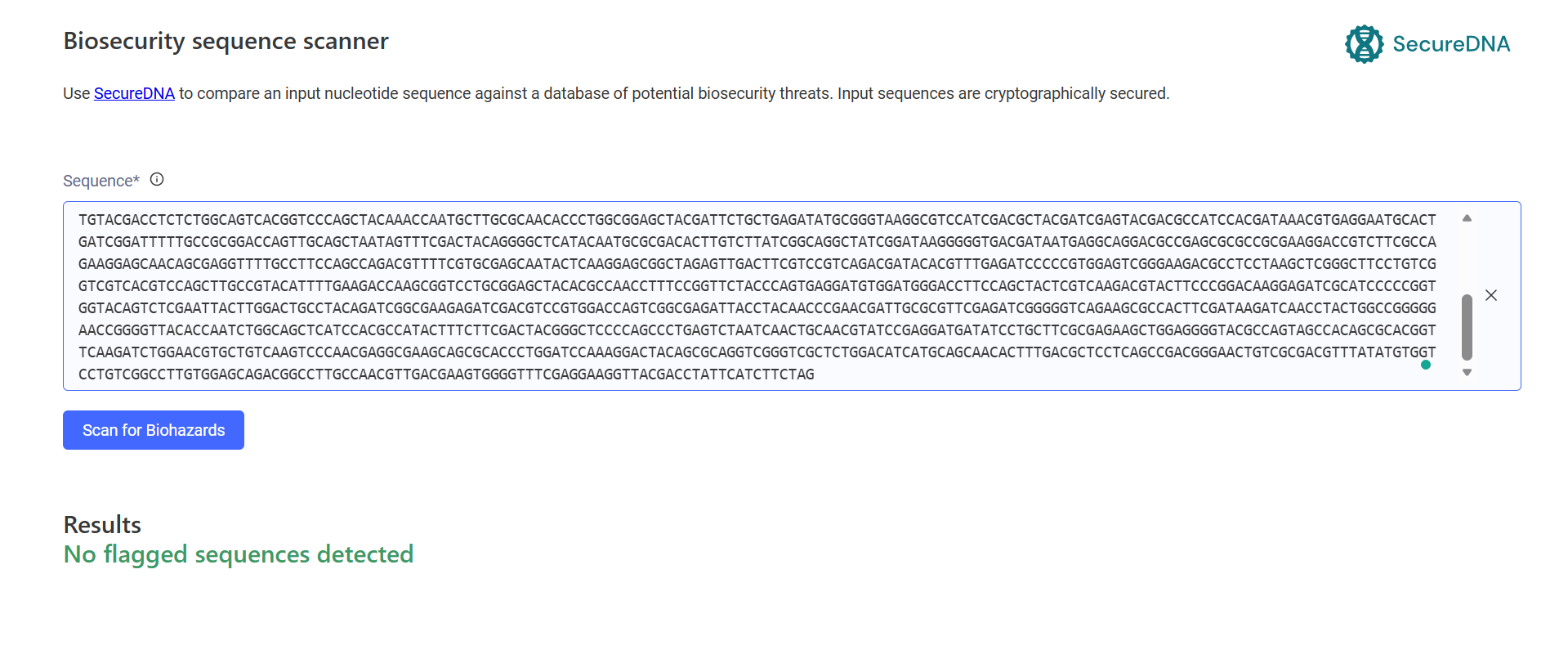
Figure 7. SecureDNA biosecurity screening of the NR_MG601724 coding sequence.
Kernel’s integrated SecureDNA scanner did not identify any flagged sequences in the nitrate reductase sequence used in the proposed construct.
This result indicates that the NR coding sequence did not trigger the biosecurity screening criteria used by SecureDNA.
However, this result should not be interpreted as a general statement that the complete experiment is biologically safe or exempt from institutional oversight. It only indicates that the submitted nucleotide sequence was not flagged by this sequence-screening system.
Conclusion: No sequence-level biosecurity concerns were identified for the NR_MG601724 CDS by the SecureDNA screening tool.
Part 5: From Design to Build
For the first prototype, I would use commercial DNA synthesis + seamless assembly.
Build strategy
The sequence-defined expression cassette is:
I would order the cassette as one or several synthetic DNA fragments and assemble it into the pJW-EXP-derived vector context using a method such as Gibson assembly.
Gibson et al. (2009) showed that overlapping DNA fragments can be assembled seamlessly in a single isothermal reaction.
What synthesis constrains DNA synthesis can be affected by:
- repeats
- extreme GC content
- homopolymers
- difficult secondary structures
- synthesis errors If the full 4.2-kb cassette is difficult to synthesize, I would split it into smaller overlapping fragments.
Because synthetic DNA can contain sequence errors, the final construct should be sequence-verified before transformation. Carr et al. (2004) showed the importance of error correction in de novo DNA synthesis.
Prototype vs scale
Current limitation
Build decision: use commercial DNA synthesis + seamless assembly + sequence verification for the first prototype.
Part 6: What Don’t I Know Yet?
The main uncertainties in this design are still biological rather than sequence-level.
The first question is whether the candidate Pnr promoter will provide nitrate-responsive expression in my commercial Ganoderma lucidum strain. The promoter sequence was selected from a reference genome and has not yet been experimentally validated in my strain. I would test this by measuring NR transcript level and NR enzyme activity before and after nitrate induction.
The second and most important uncertainty is whether NR overexpression actually changes Ag+ reduction and AgNP formation. This remains the central hypothesis of the design:
I would test this by comparing wild type, vector control, and NR-overexpression strains, followed by measurements of NR activity, Ag+ depletion kinetics, UV–Vis response, and SEM/EDX characterization.
The third uncertainty is whether the engineered strain will be stable and reproducible. Different transformants may have different integration sites, copy numbers, or expression levels. I would therefore compare several independent transformants for construct presence, NR expression/activity, Ag+ reduction phenotype, and stability during subsequent growth.
| Main unknown | How I would test it |
|---|---|
| Does Pnr give inducible expression? | NR transcript + NR activity |
| Does NR affect Ag+ reduction? | Ag+ depletion kinetics + AgNP characterization |
| Is the phenotype reproducible? | Compare multiple independent transformants |
Main remaining bet: whether changing NR expression produces a measurable change in Ag+ reduction and AgNP formation.
Part 7: AI Usage
I used OpenAI ChatGPT (GPT-5.6 Sol) as a learning companion and design-support tool throughout this homework.
My background is primarily in materials science and biomaterials, so I used AI to help me understand unfamiliar concepts in fungal genetics and synthetic biology, compare design alternatives, interpret sequence information, and work through the Kernel workflow step by step.
AI was used for:
- explaining promoters, CDSs, terminators, selectable markers, and vector architecture
- comparing constitutive vs. inducible expression
- comparing promoter, terminator, and tagging strategies
- interpreting GenBank and BLAST results
- organizing the Pnr → NR → TtrpC construct
- guiding construct assembly and quality checks in Kernel
- discussing codon optimization, synthesis constraints, and experimental risks
- improving figures, Markdown organization, and scientific writing
Representative prompts included:
Why choose nitrate reductase as the expression target?
Should NR expression be inducible or constitutive?
How do the main expression cassette and selection cassette differ?
How should I represent a pJW-EXP-derived vector context?
Help me assemble Pnr → NR → TtrpC in Kernel.
Should I codon-optimize a native G. lucidum gene if G. lucidum is not available in Kernel?
Help me interpret the BLAST and SecureDNA results.
What are the biggest remaining biological risks in this construct?
I did not treat AI output as a scientific reference by itself. Sequence identities, accession numbers, construct components, and literature-based claims were checked against NCBI records, Kernel documentation, primary literature, and course readings where possible.
AI client: OpenAI ChatGPT
Model: GPT-5.6 Sol
Role: Learning companion, research/design support, and scientific communication assistance
Accessed: September 2026
Part 8: References
Nitrate reductase and Ganoderma lucidum
Liu R, Shi L, Zhu T, Yang T, Ren A, Zhu J, Zhao MW. Cross Talk between Nitric Oxide and Calcium-Calmodulin Regulates Ganoderic Acid Biosynthesis in Ganoderma lucidum under Heat Stress. Applied and Environmental Microbiology. 2018;84(10):e00043-18.
https://doi.org/10.1128/AEM.00043-18NCBI GenBank. Ganoderma lucidum nitrate reductase mRNA, complete CDS. Accession MG601724.1.
https://www.ncbi.nlm.nih.gov/nuccore/MG601724.1NCBI GenBank. Ganoderma lucidum strain G.260125-1 genomic scaffold. Accession AGAX01000028.1.
https://www.ncbi.nlm.nih.gov/nuccore/AGAX01000028.1
Vector and selectable-marker design
Yu X, Ji SL, He YL, Ren MF, Xu JW. Development of an expression plasmid and its use in genetic manipulation of Lingzhi or Reishi medicinal mushroom, Ganoderma lucidum. International Journal of Medicinal Mushrooms. 2014;16(2):161–168.
https://doi.org/10.1615/IntJMedMushr.v16.i2.60Xu JW, Xu YN, Zhong JJ. Enhancement of ganoderic acid accumulation by overexpression of an N-terminally truncated 3-hydroxy-3-methylglutaryl coenzyme A reductase gene in the basidiomycete Ganoderma lucidum. Applied and Environmental Microbiology. 2012;78(22):7968–7976.
https://doi.org/10.1128/AEM.01263-12NCBI GenBank. Ganoderma lucidum sdhB genomic sequence. Accession JN377411.1.
https://www.ncbi.nlm.nih.gov/nuccore/JN377411.1
Terminator sequence
- NCBI GenBank. Aspergillus nidulans trpC gene. Accession X02390.1.
https://www.ncbi.nlm.nih.gov/nuccore/X02390.1
Design-to-Build Readings
Gibson, D. G., Young, L., Chuang, R.-Y., Venter, J. C., Hutchison, C. A., & Smith, H. O. (2009).
Enzymatic assembly of DNA molecules up to several hundred kilobases.
Nature Methods, 6, 343–345.
https://doi.org/10.1038/nmeth.1318Carr, P. A., Park, J. S., Lee, Y.-J., Yu, T., Zhang, S., & Jacobson, J. M. (2004).
Protein-mediated error correction for de novo DNA synthesis.
Nucleic Acids Research, 32(20), e162.
https://doi.org/10.1093/nar/gnh160Tian, J., Gong, H., Sheng, N., Zhou, X., Gulari, E., Gao, X., & Church, G. (2004).
Accurate multiplex gene synthesis from programmable DNA microchips.
Nature, 432, 1050–1054.
https://doi.org/10.1038/nature03151Kosuri, S., Eroshenko, N., LeProust, E. M., Super, M., Way, J., Li, J. B., & Church, G. M. (2010).
Scalable gene synthesis by selective amplification of DNA pools from high-fidelity microchips.
Nature Biotechnology, 28, 1295–1299.
https://doi.org/10.1038/nbt.1716
Software and Online Resources
Asimov. Kernel Documentation.
Used for construct creation, part annotation, coding-sequence optimization, and sequence-design workflow.
Accessed September 2026.NCBI BLAST.
Used to verify the identity ofNR_MG601724. The query matched MG601724.1 with 100% query coverage and 100% nucleotide identity.
Accessed September 2026.SecureDNA Biosecurity Sequence Scanner — Kernel Documentation.
Used for sequence-level biosecurity screening of the NR sequence through Kernel.
Accessed September 2026.OpenAI ChatGPT.
GPT-5.6 Sol was used as a learning companion and design-support tool.
Accessed September 2026.